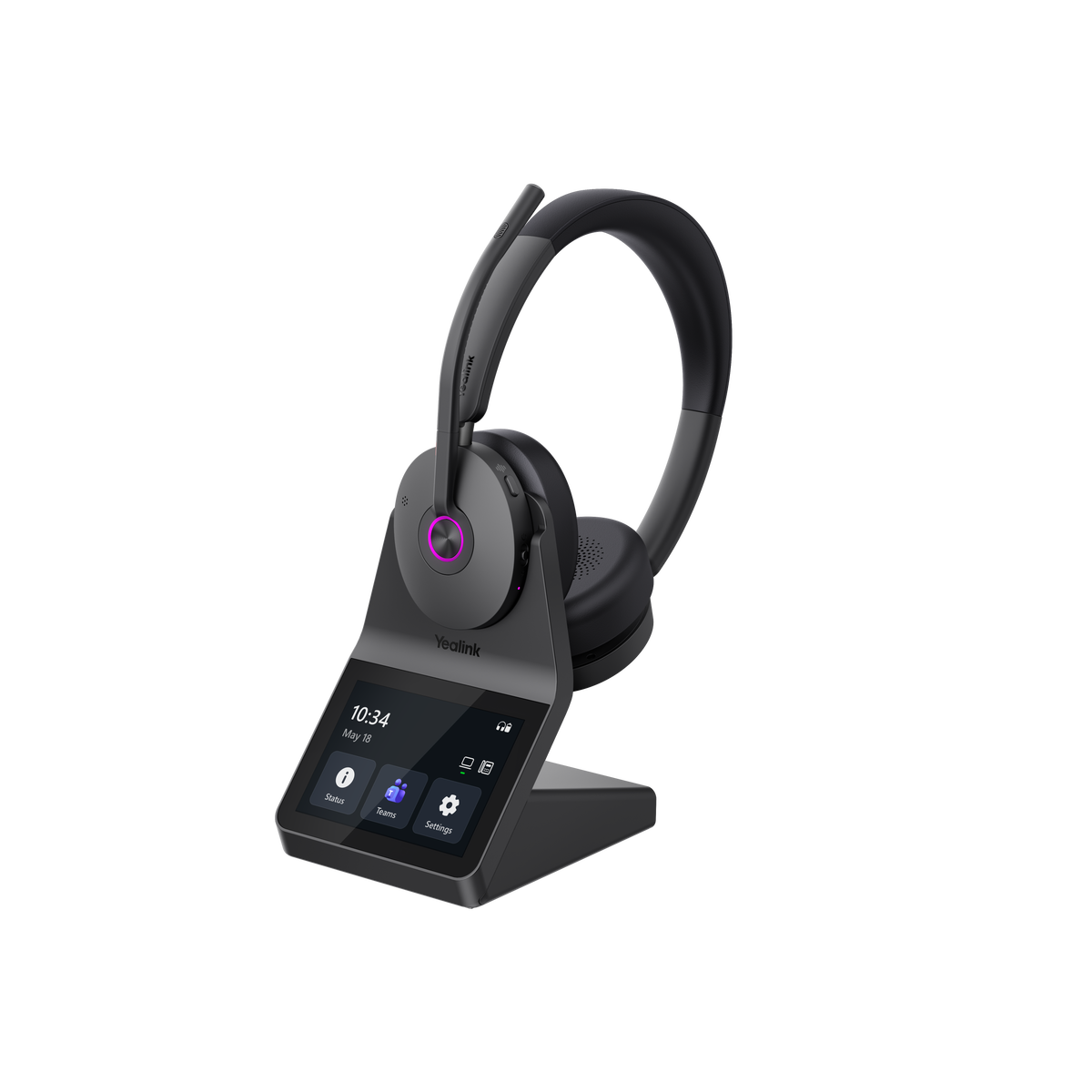
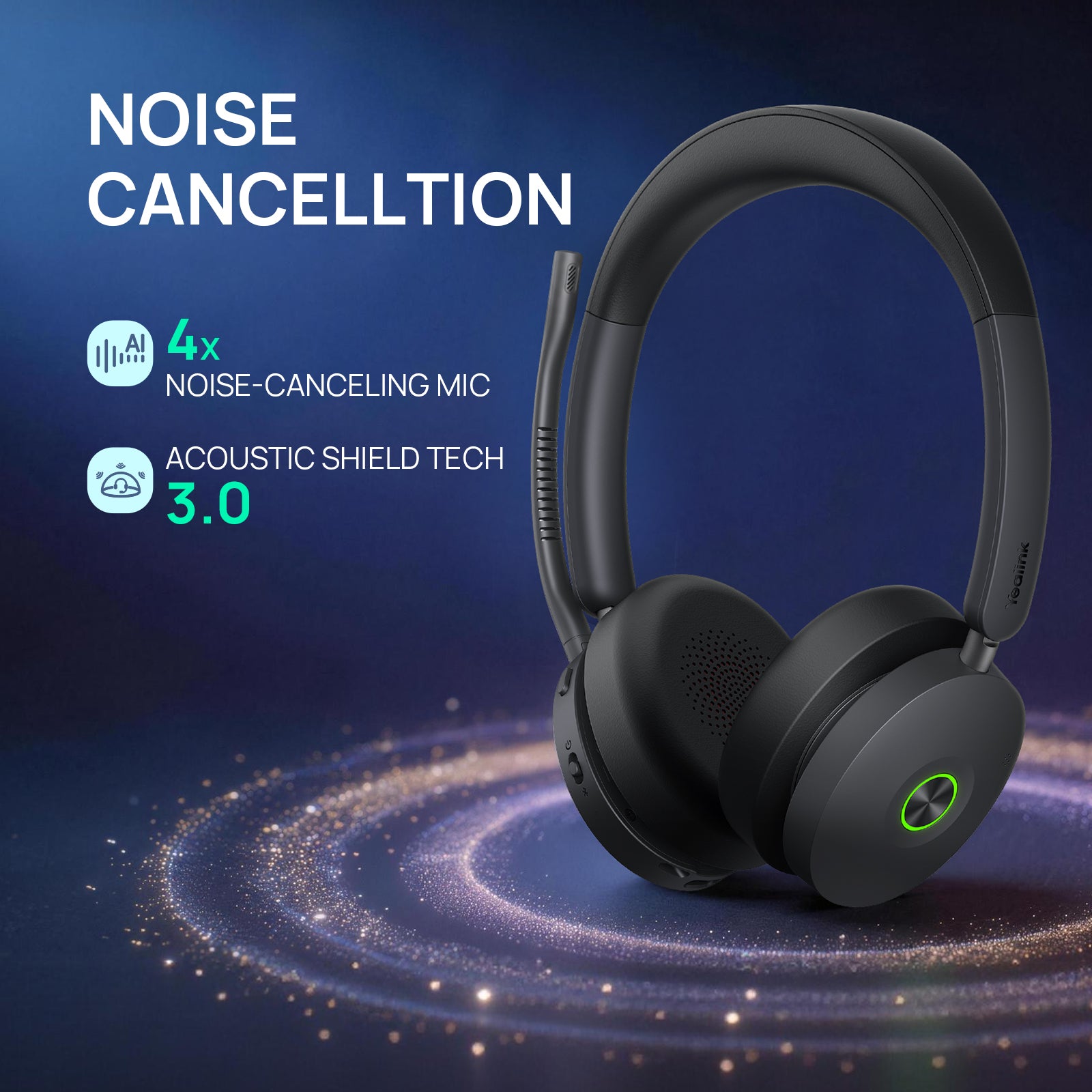
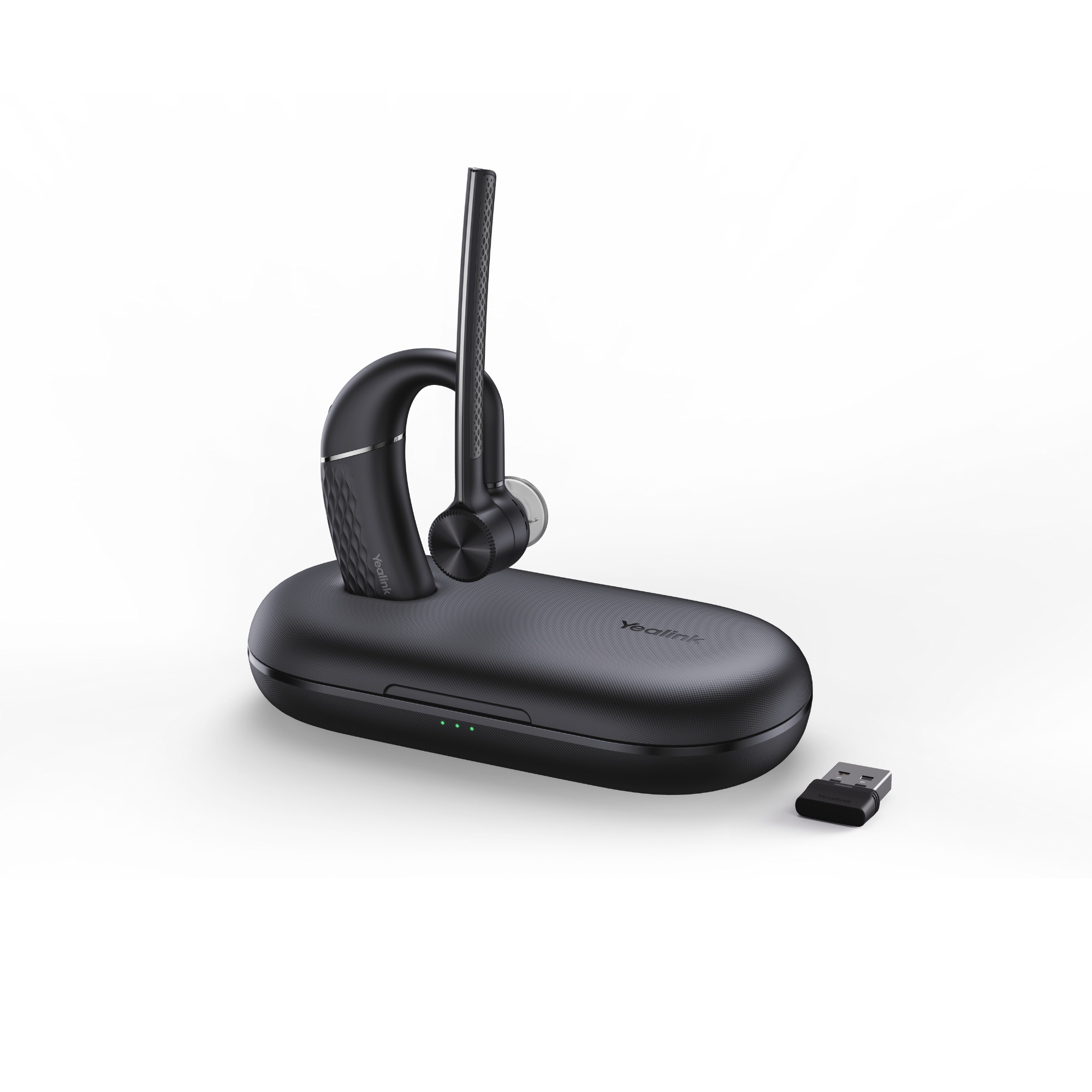
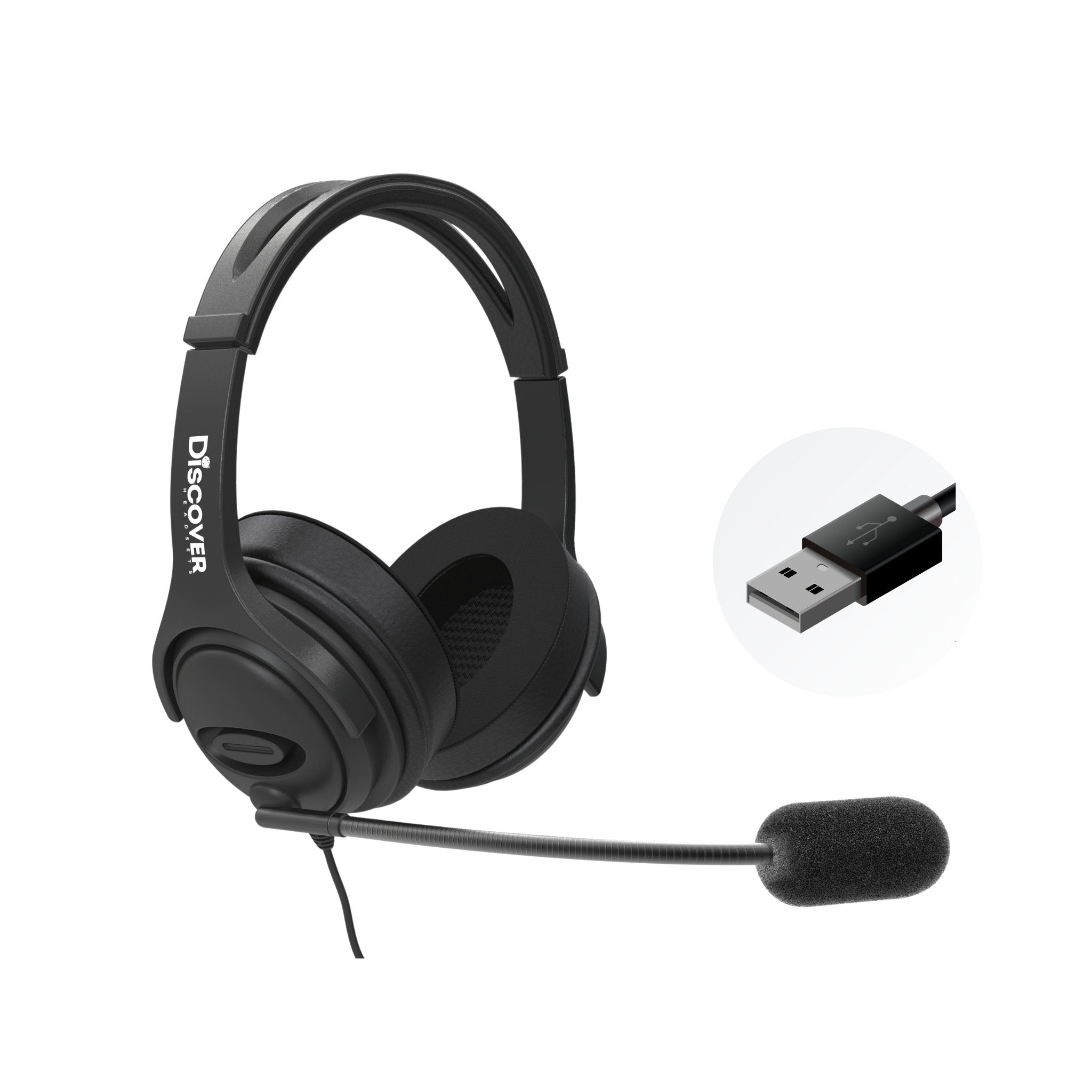
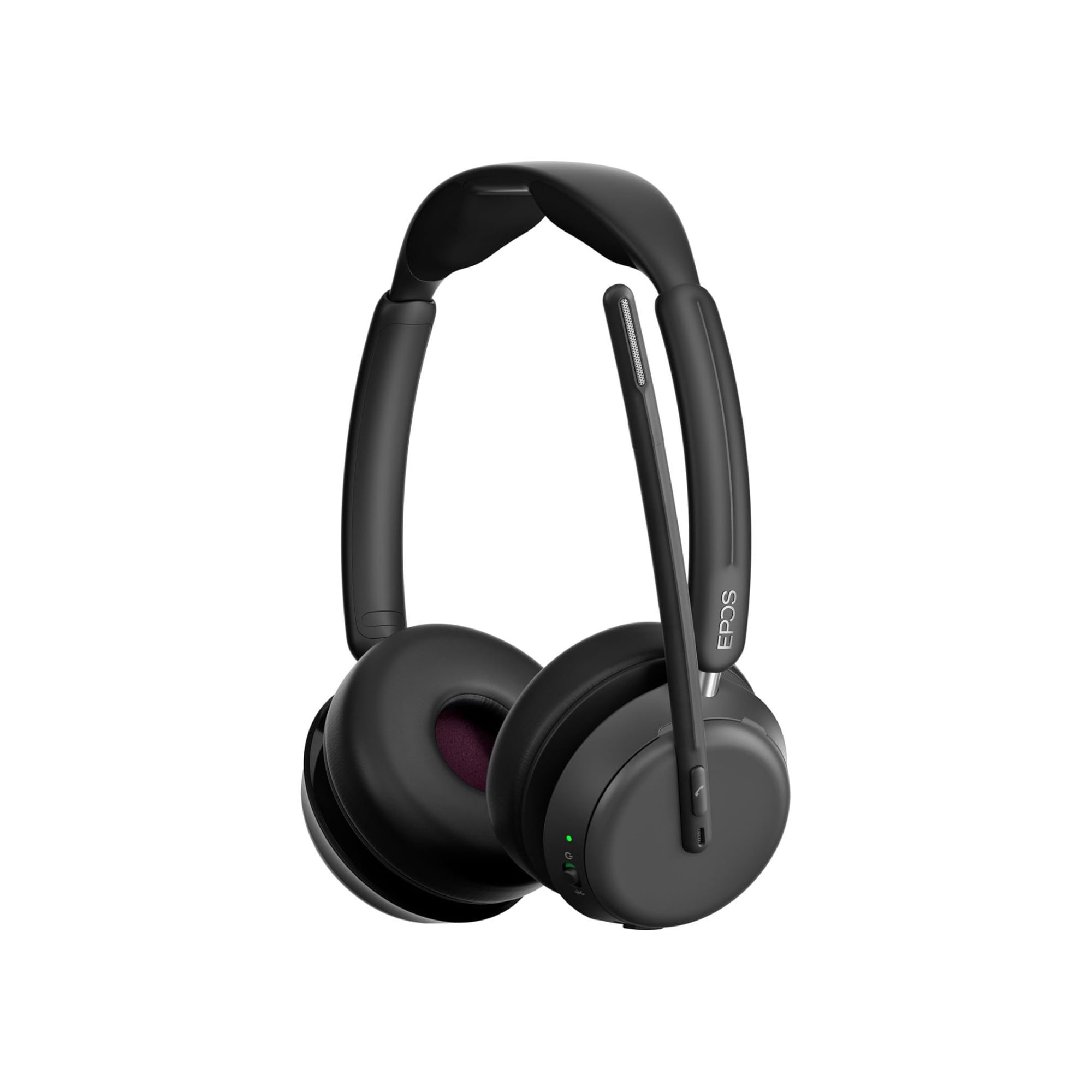
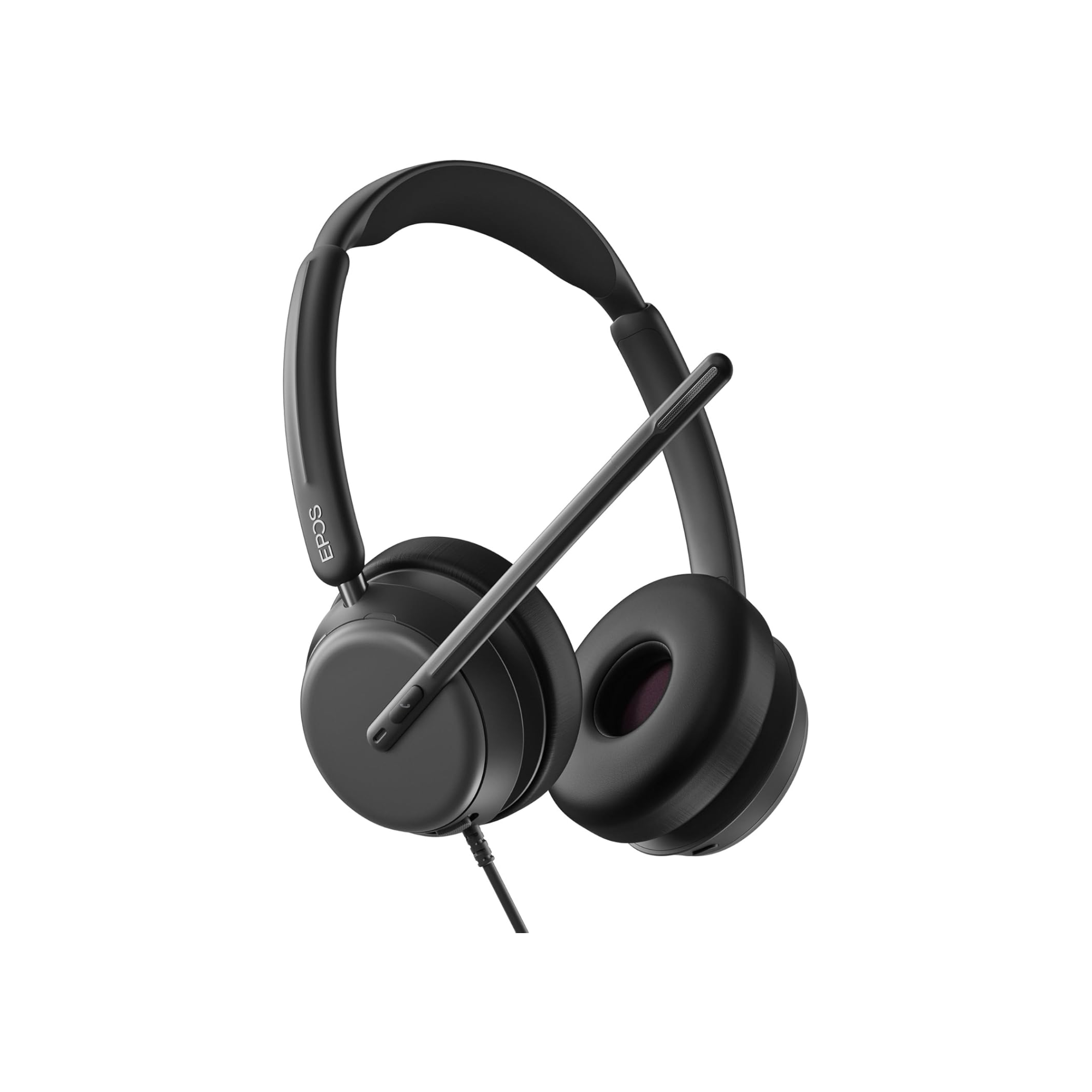
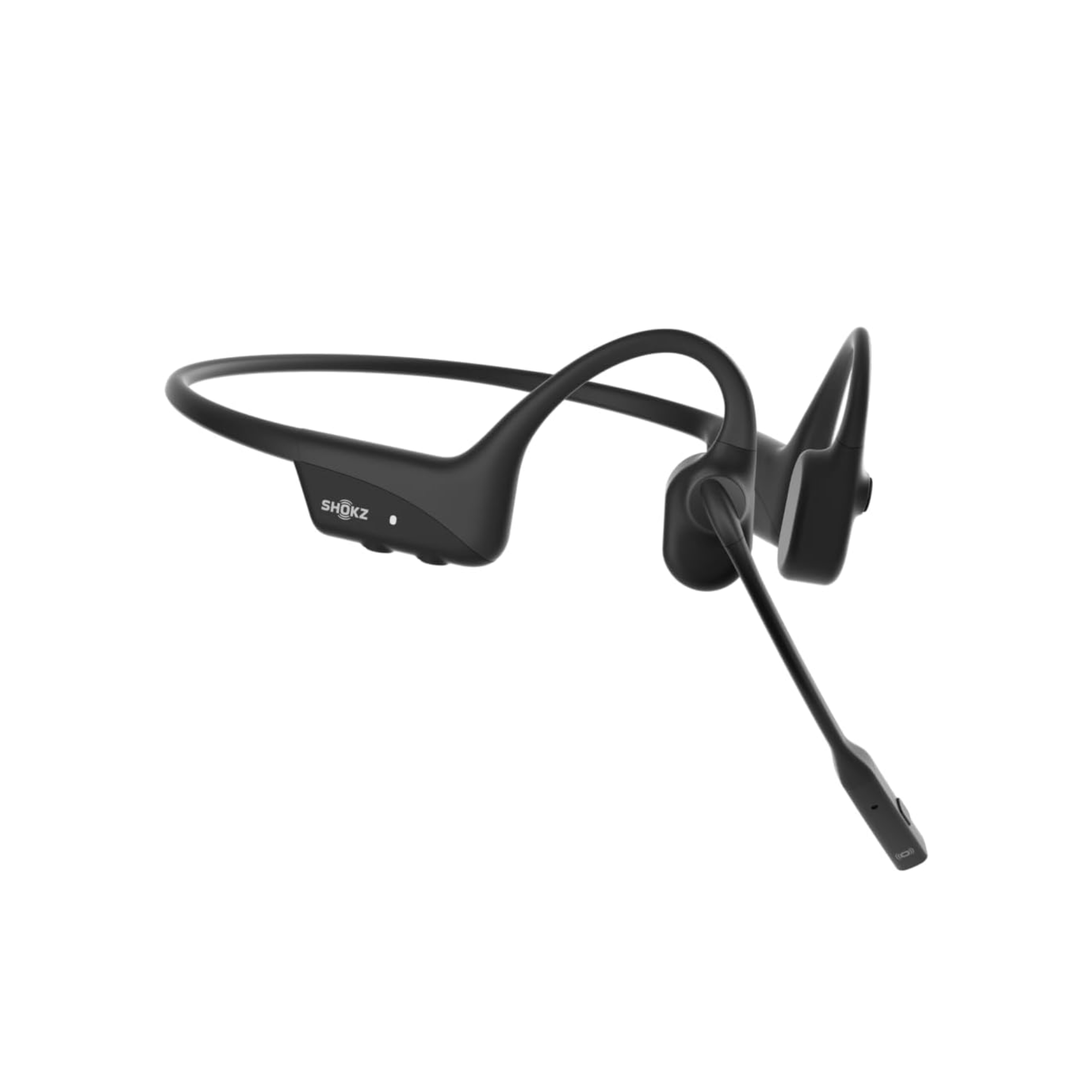
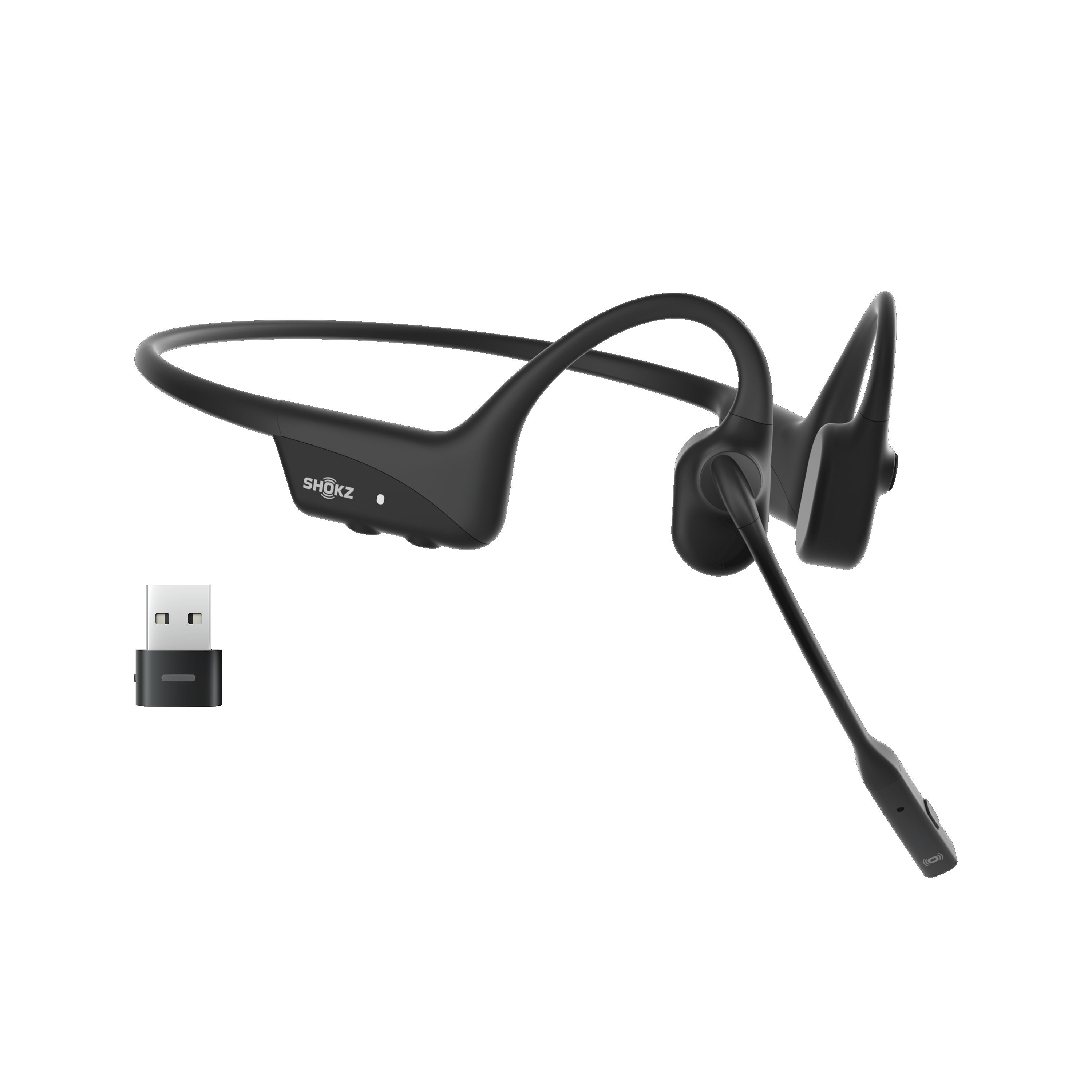
Do you want the best headset?

Are You Outgrowing Your Wired Headset?
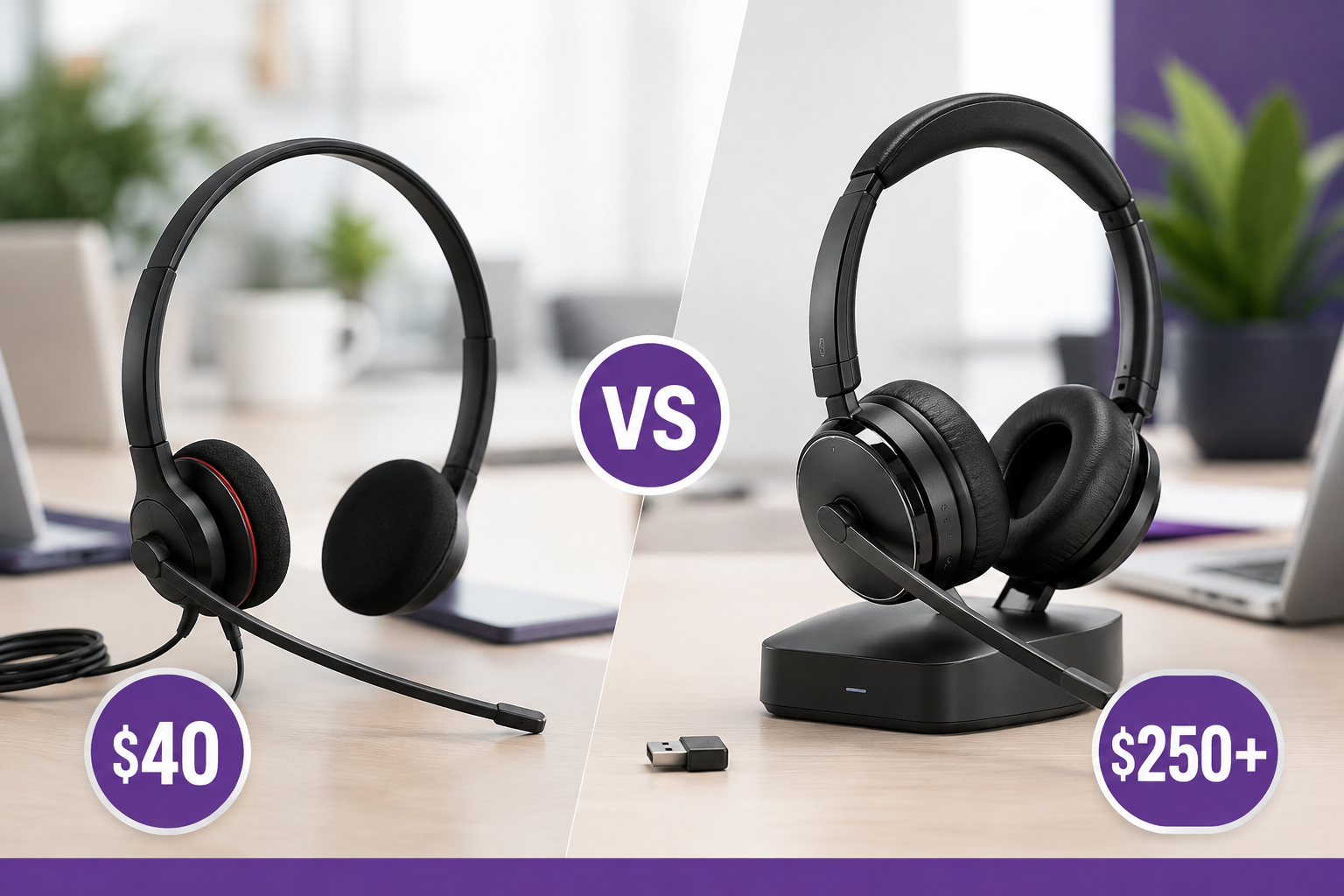
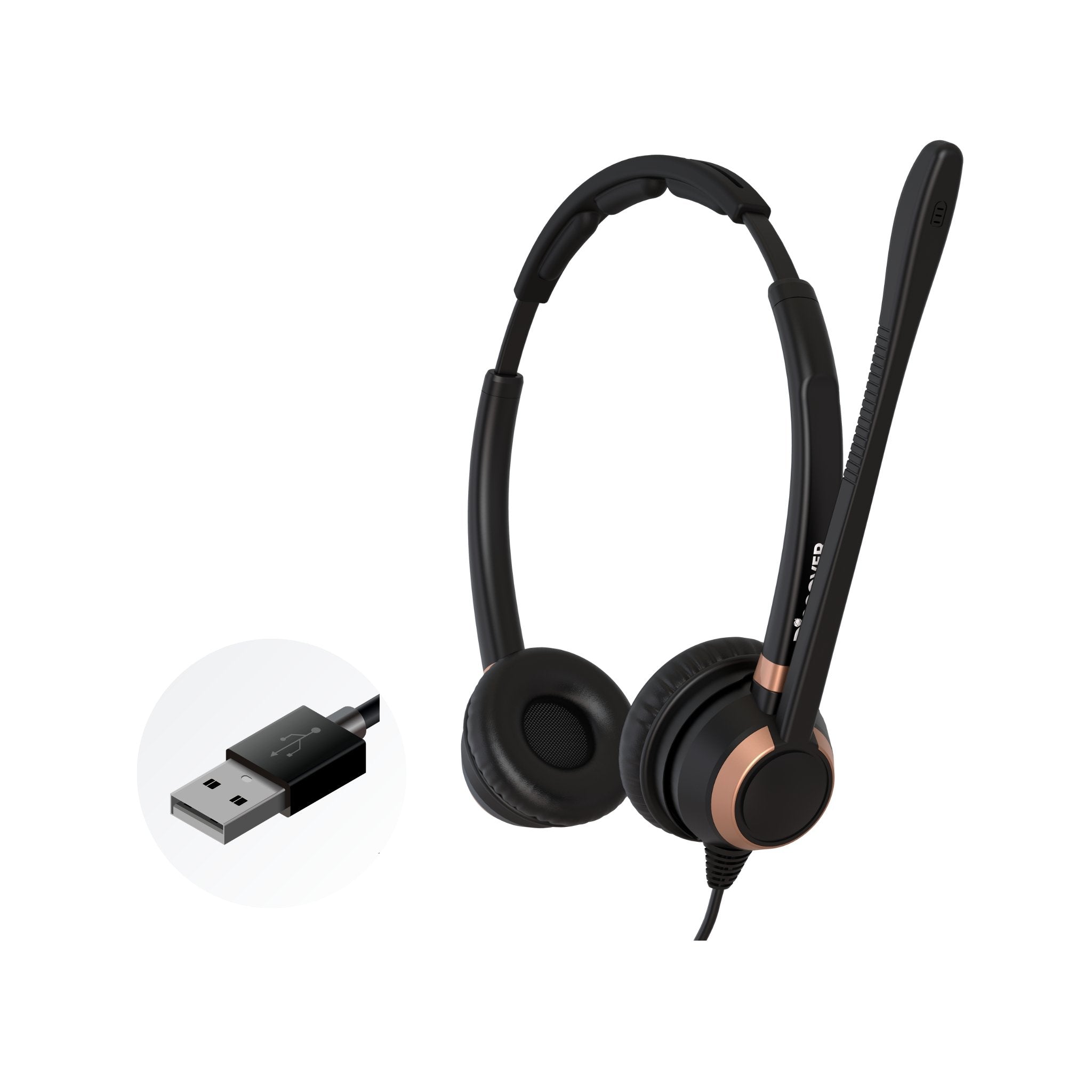
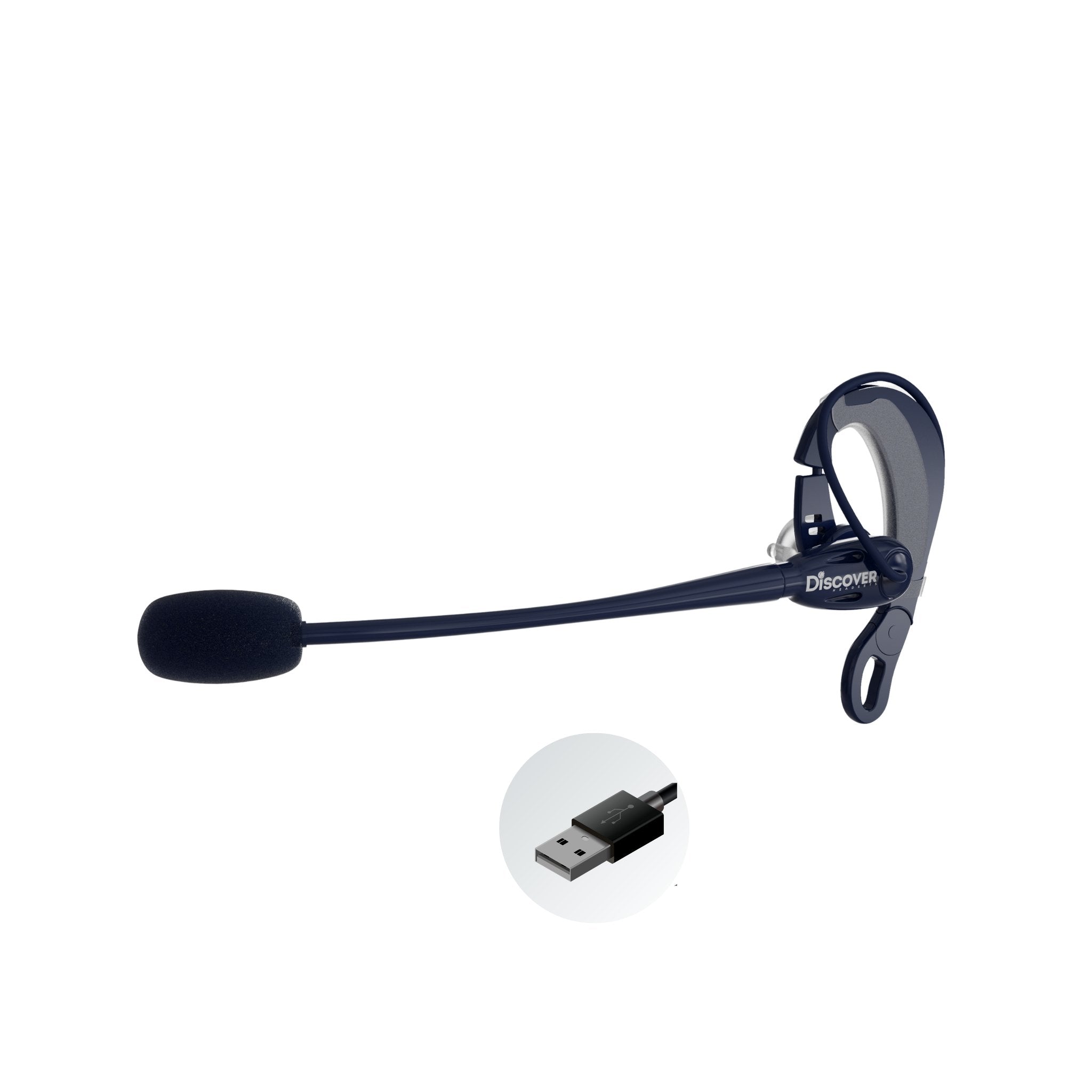
Wired headsets have long been the standard for workplace communication, whether you work from home, or in a busy office or call center. They’re reliable, simple to use, and usually more affordable. For many users, they do exactly what they’re supposed to do, which is to provide a simple headset that’s easy to use, and delivers consistent audio without the need to worry about battery life or connectivity.
But over time, the way we work can change.
You may find yourself needing to move around more, multitask during calls, or simply wanting more flexibility and mobility throughout your day. When that happens, a wired headset can start to feel limiting.
So the real question isn’t whether wired or wireless is better, it’s whether your current headset still fits the way you work today.
If you’re in the process of weighing your options, our guide on how to choose the right headset for work can help you evaluate what matters most based on your environment and workflow.
Signs It Might Be Time to Go Wireless

For many people, the shift from wired to wireless doesn’t happen because something breaks, it happens because something starts to feel restrictive. You may begin to feel that your current headset setup isn’t meeting your needs today, like it did in the past.
Here are some common situations where a wireless headset begins to make a lot more sense.
You Find Yourself Needing to Move During Calls
If your job requires you to access files, check printed documents, or move between workstations, being physically tethered to your desk can slow you down.
In industries like legal, medical, insurance, Government and finance, it’s not uncommon to need information from multiple sources while staying on a call. With a wired headset, that often means putting someone on hold, and removing your headset (or disconnecting using the quick disconnect feature if equipped). This process can repeat throughout the day, and may be causing you to be less productive.
With a wireless headset, you can stay connected while moving freely, whether that means walking to a printer, grabbing a file, a cup of coffee, or stepping into another room for a quick conversation with a coworker.
You Work from Home (and Life Happens Around You)

Working from home introduces a different set of challenges.
It’s not just about your workspace, it’s everything happening around it. A doorbell rings. A package arrives. A dog starts barking. Kids need attention.
In those moments, being tied to your desk isn’t just inconvenient, it can be disruptive, and frustrating.
Wireless headsets give you the flexibility to stay on a call while handling quick interruptions, without having to disconnect or pause the conversation.
If background noise is also part of your environment, it may be worth understanding what noise cancelling is in headsets and how it can improve both your focus and your call quality.
Long Calls Are Starting to Feel Restrictive

If you spend a significant portion of your day on calls or video meetings, you’ve probably experienced that feeling of being “stuck” at your desk. Calls can go long, and other things may come up that need your attention.
Even small things, like standing up, stretching, or grabbing a cup of coffee become more difficult when you’re physically connected by a cord.
Wireless headsets allow you to stay engaged while moving naturally, which can make long calls feel much less restrictive and more comfortable overall. And when you can break things up by a quick stretch, calls can sometimes not seem as long.
You Collaborate Frequently with Others

In many workplaces, collaboration doesn’t happen in one place.
You might be:
-
Turning to speak with a coworker
-
Walking over to clarify something quickly
-
Sharing information across desks
-
Asking a supervisor or manager for an approval while on a call
A wired headset limits those interactions. A wireless headset allows you to stay on the call while still engaging with the people around you.
You Manage or Supervise a Team

For supervisors or managers, mobility isn’t just a convenience, it’s often part of the job.
Being able to:
-
Walk the floor to monitor activities
-
Check in with team members in real time
-
Stay accessible while moving
This can make a significant difference in productivity and responsiveness.
Wireless headsets make it possible to stay connected without being confined to a single location.
When a Wired Headset Still Makes Sense

Despite the advantages of wireless, there are still plenty of situations where a wired headset is the better choice.
If your work is primarily stationary and you don’t need to move around during calls, a wired headset offers:
-
Simplicity
-
Consistent performance
-
Ease of use
-
Lower cost
-
Potentially, a longer warranty period
For many users, especially in fixed desk environments, wired headsets continue to be a reliable and effective solution.
If you’re comparing the two more broadly, our guide on wired vs wireless headsets: which is right for you breaks down the differences in more detail.
Considering the Cost of Wireless Headsets

One of the most common reasons people hesitate to switch to a wireless headset is cost.
In general, wireless headsets do come at a higher price point than wired models, although there are some exceptions depending on the brand and features.
However, it’s important to look beyond just the upfront cost.
Wireless headsets often provide added value through:
-
Increased mobility
-
Improved convenience
-
Better productivity throughout the day
When you’re able to move freely, multitask more effectively, and stay engaged on calls without interruption, those small gains can add up quickly over time.
For businesses, especially those outfitting multiple employees, there are also ways to make wireless headsets far more affordable.
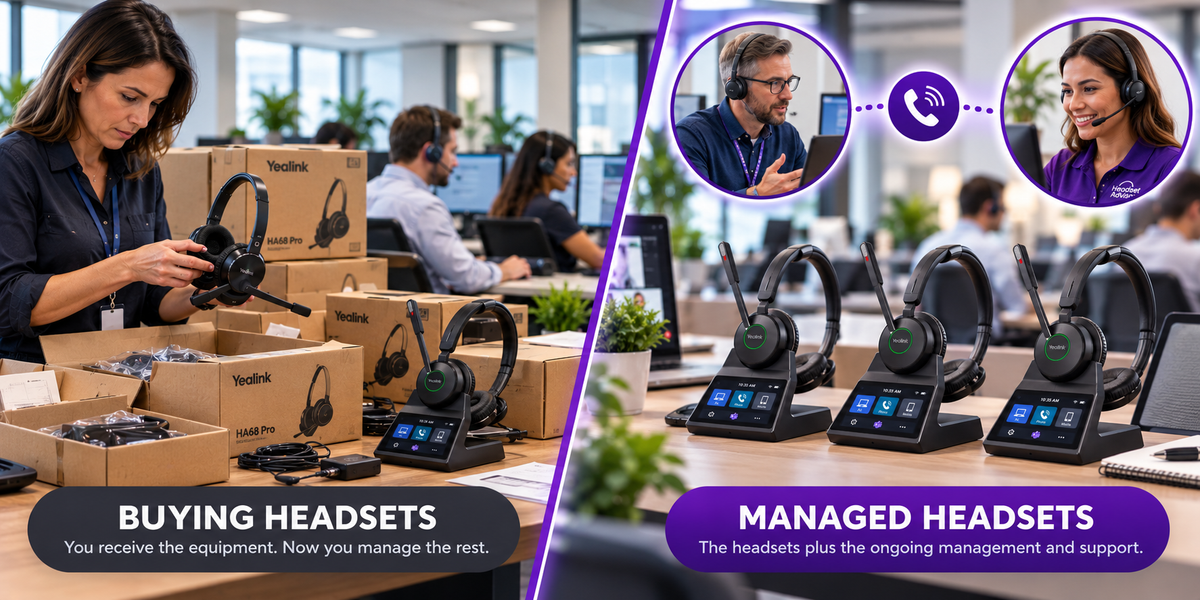
For example, a headset lease program can spread out the cost over time while also including important benefits like:
- Replacement accessories
- Ongoing warranty coverage for the length of the term
- No need to stock extra parts or manage replacements internally
This not only reduces upfront expense, but can also lower long-term costs and simplify headset management.
If you’d like to explore this option further, you can learn more about our headset leasing program.
Things to Consider Before Switching

Before making the move to a wireless headset, it’s worth thinking through a few practical considerations.
Wireless headsets offer flexibility, but they also introduce factors like battery life and range.
For example:
-
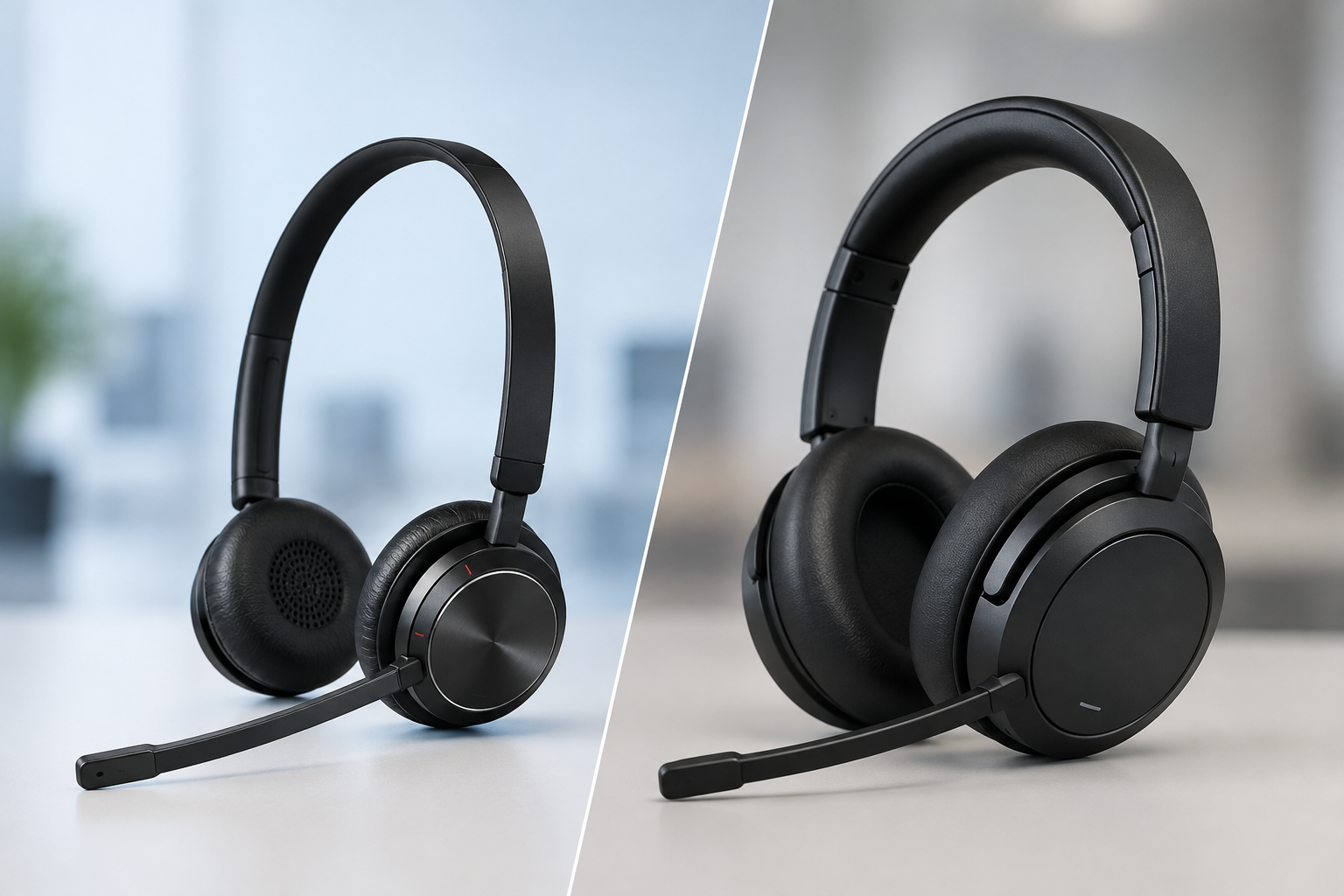
Bluetooth headsets are great for short-range mobility - 30 to 100 feet
-
DECT headsets are designed for longer range, greater call security and more stable connections - wireless range from 150 feet to over 600.
If range is important for your role, understanding the differences between Bluetooth vs DECT headsets can help you choose the right solution.
Comfort is another factor that can be important with wireless use, especially if you’re wearing your headset for extended periods. If that’s a concern, our guide on how to choose a comfortable headset for all-day use can help you avoid common issues.
Here’s a simple way to think about it based on how you work each day:

Final Thoughts: It’s Not About Better - It’s About Fit
Switching to a wireless headset isn’t about upgrading for the sake of it. It’s about choosing a tool that aligns with how you actually work.
If your day involves movement, multitasking, or a need for greater flexibility, wireless can remove a lot of small frustrations that add up over time.
If your work is more structured and desk-based, a wired headset may still be the right fit.
You may also work for an organization that has a policy that restricts the use of wireless headsets. Companies that adopt this approach prefer to have employees at their desks. This is something to ask management about if wireless headsets are being considered.
The key is recognizing when your needs have changed.
Need Help Choosing the Right Headset?

If you’re not sure whether it’s time to switch to a wireless headset, or which option is best for your environment, we’re here to help.
At Headset Advisor, we’ve been helping businesses with their communication needs for over 30 years. We also have over 800 five-star reviews on Google, which reflects our commitment to helping customers find the right solution the first time, and providing premium service and technical support when needed.
Whether you’re upgrading your current setup or exploring new options, our team can guide you to the best fit for your needs, including options like our headset leasing program to make higher-quality solutions more accessible.
Contact us today if we can help.