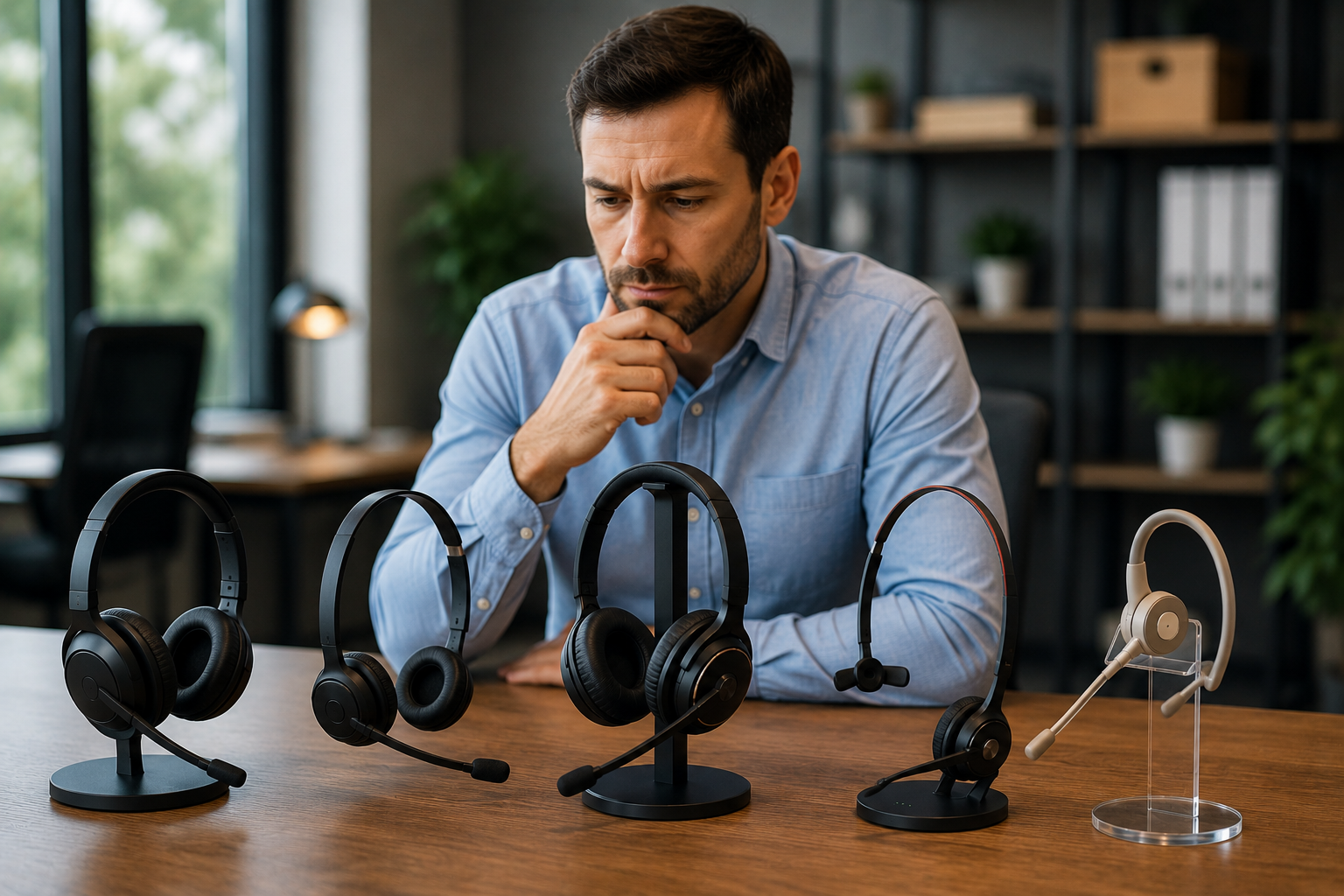
Do you want the best headset?

Why Choosing the Right Headset Matters
Choosing the right headset for work is more important than most people realize. The wrong headset can lead to poor audio quality, discomfort during long calls, and ongoing technical issues that disrupt productivity and the natural flow of a call. It can even tarnish your image and that of your company, product or service.
On the other hand, the right headset can improve call clarity, reduce background noise, and make your day more comfortable and efficient as well as convey a positive image to your callers.
If you have ever dealt with issues like your headset disconnecting, sounding bad, or creating echo, then you have already seen how much your headset choice matters. Add discomfort into the picture and you have the makings of a very challenging day.
Wired vs Wireless Headsets

One of the first decisions you will need to make is whether to go with a wired or wireless headset. And though this may seem elementary, it is important.
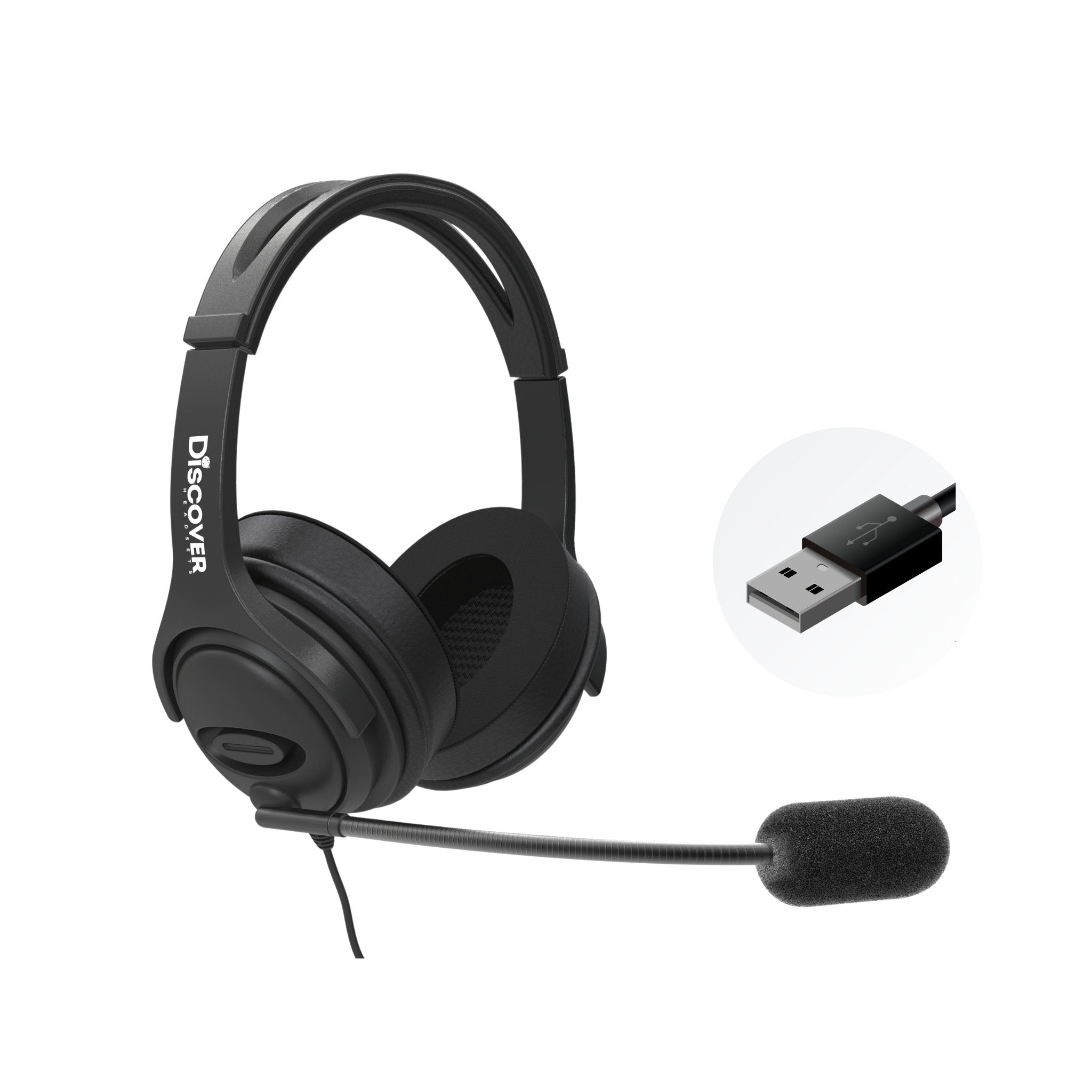
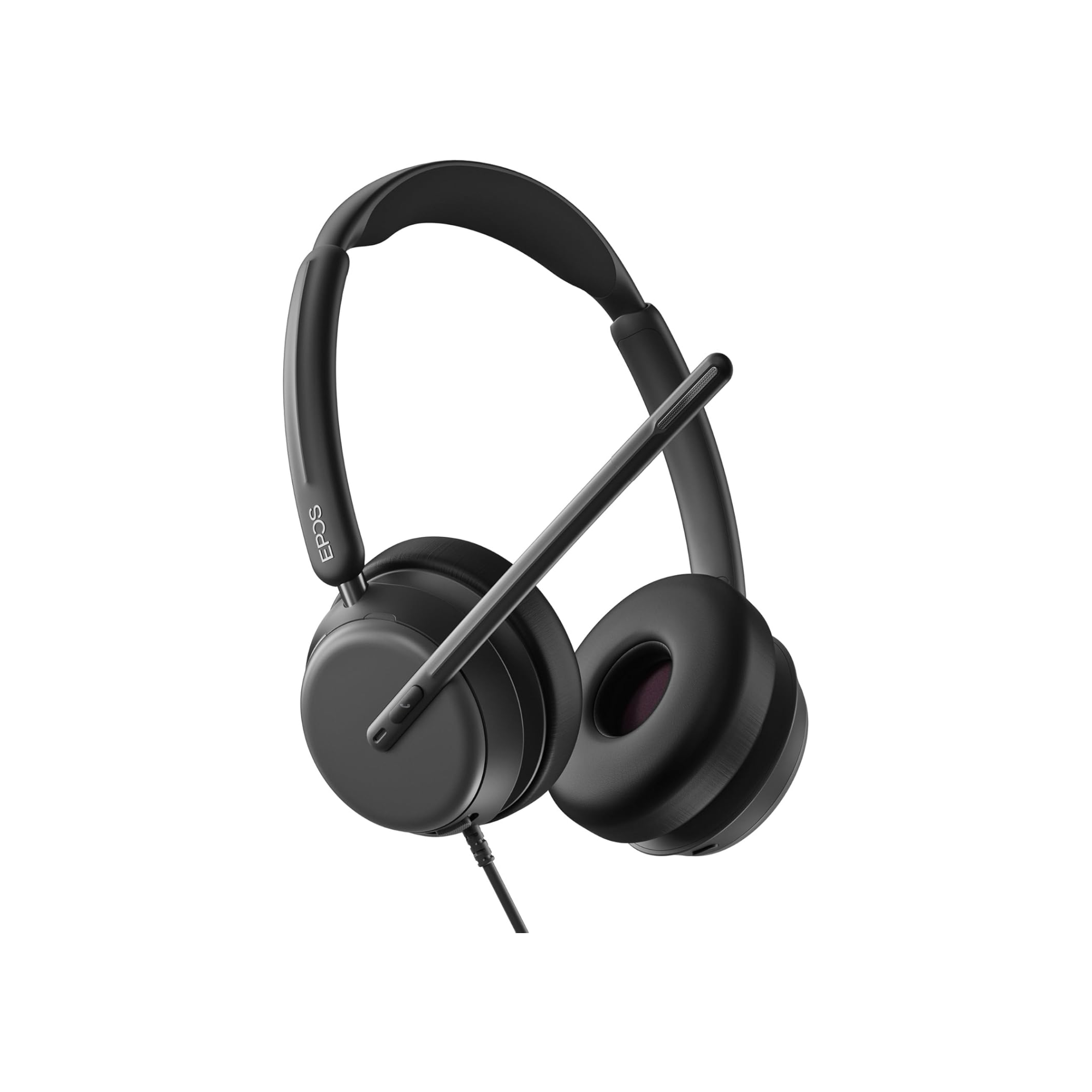
Wired headsets offer a simple and reliable connection. There is no need to worry about charging a battery and when that battery, or headset would need to be replaced. Wired headsets tend to work consistently without worry of interference. This makes them a solid choice for users who stay at their desk and want a plug-and-play experience.
Wireless headsets provide more flexibility and freedom to move around. This is especially helpful in busy work environments where you may need to step away from your desk during calls. Whether that’s to grab a cup of coffee, have a quick conversation with a coworker, or grab a document from the printer, wireless headsets provide a high degree of convenience which also enhances productivity.
If you are unsure which is best for your setup, it can help to review the differences in more detail in our guide to wired vs wireless headsets.
Bluetooth vs DECT Wireless Headsets

If you decide to go wireless, the next step is choosing between Bluetooth and DECT.
Bluetooth headsets are convenient and widely compatible with laptops, smartphones, and tablets. However, they can be more prone to interference, especially in busy office environments. And, compared to DECT headsets, they offer less wireless range and call security.
DECT headsets are designed specifically for professional use, with key emphasis on desk phones, though many have the ability to connect to additional devices. They offer better range, more stable connections, enhanced call security and improved call quality in environments with multiple devices.
If you have experienced issues like your headset disconnecting or inconsistent audio, the type of wireless technology you use can make a big difference. We break this down further in our comparison of Bluetooth vs DECT headsets.
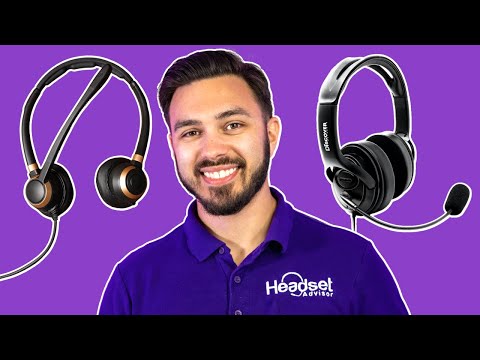
You might also be interested to watch our Youtube video comparing Bluetooth headsets to DECT.
Mono vs Stereo Headsets
Another important consideration is whether to choose a mono or stereo headset.
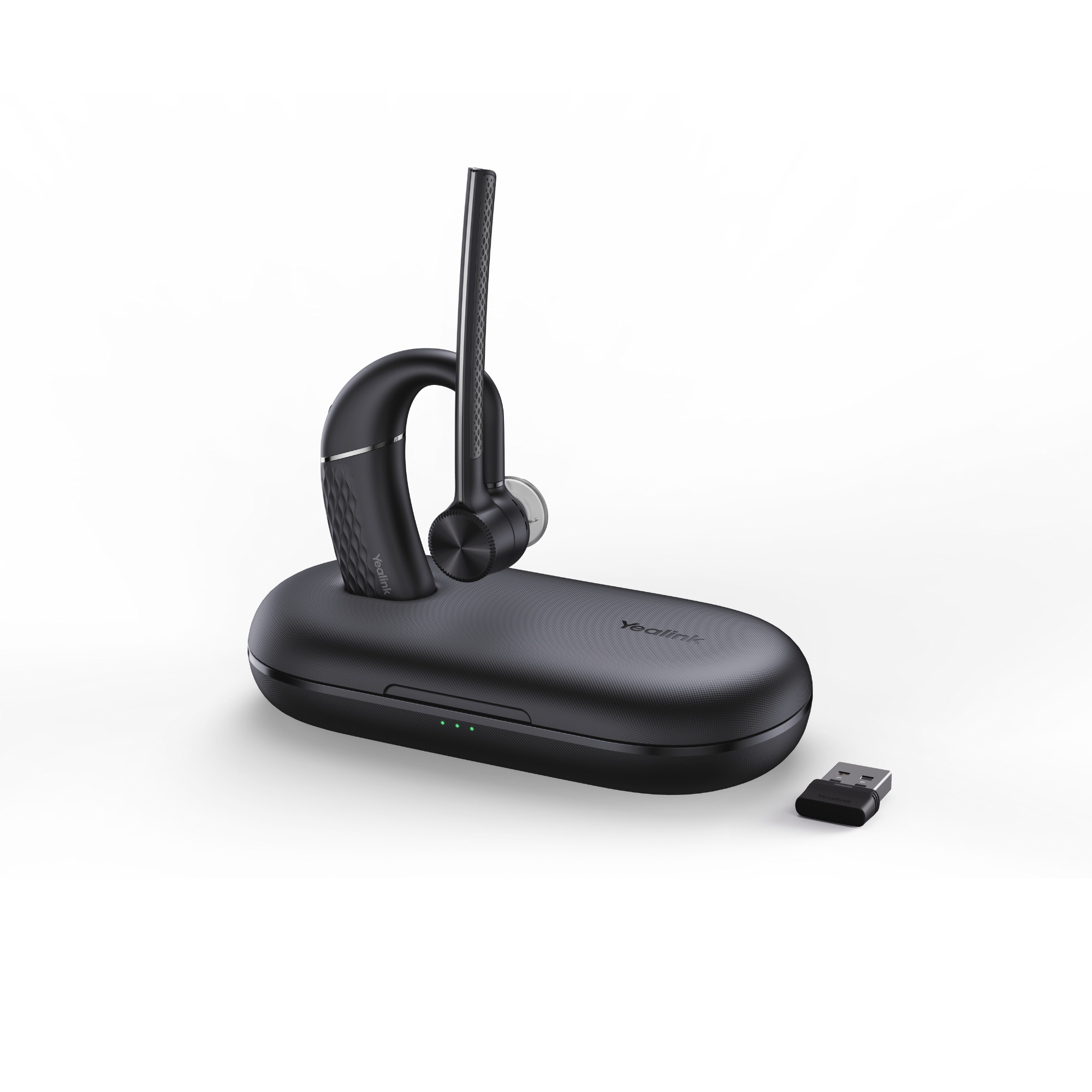
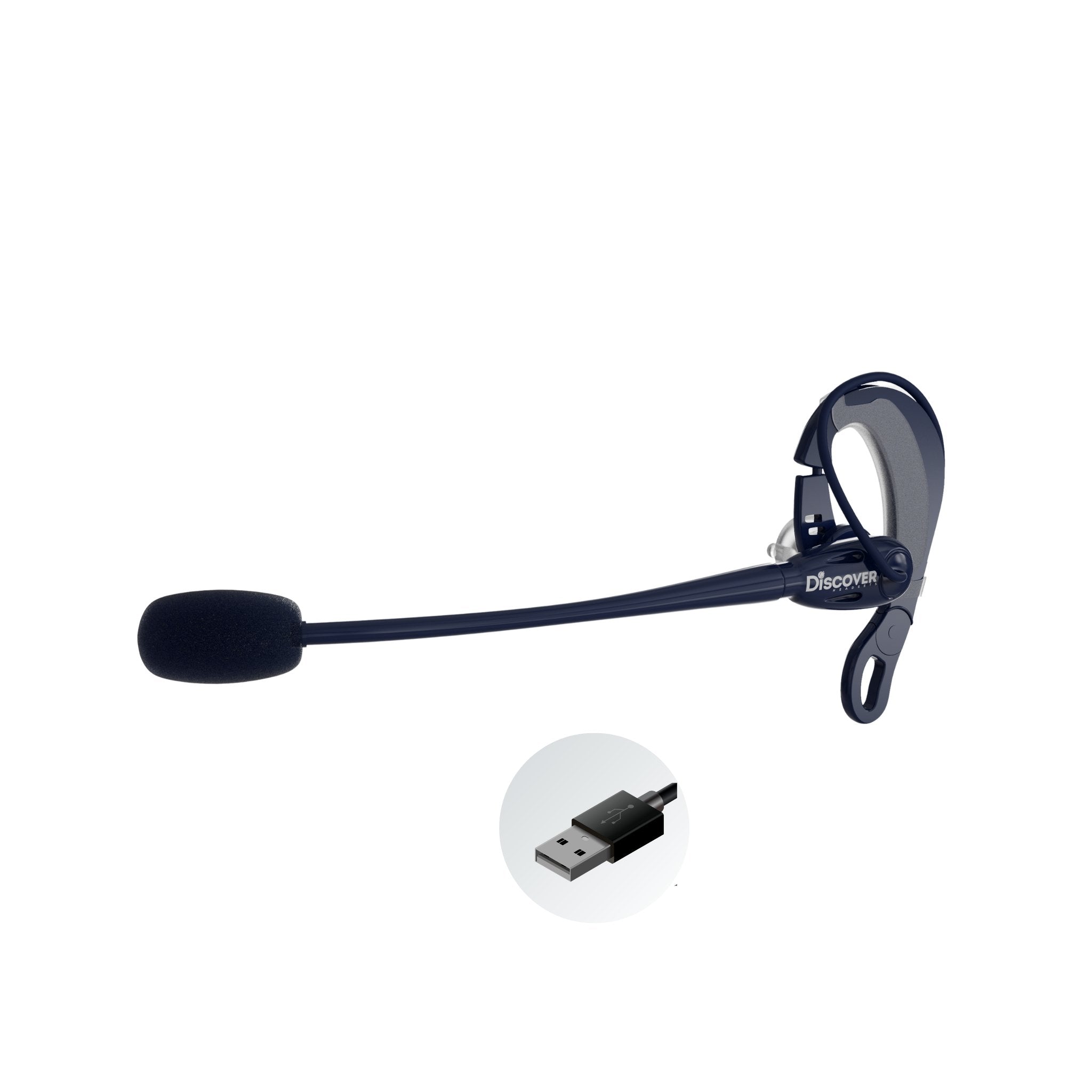
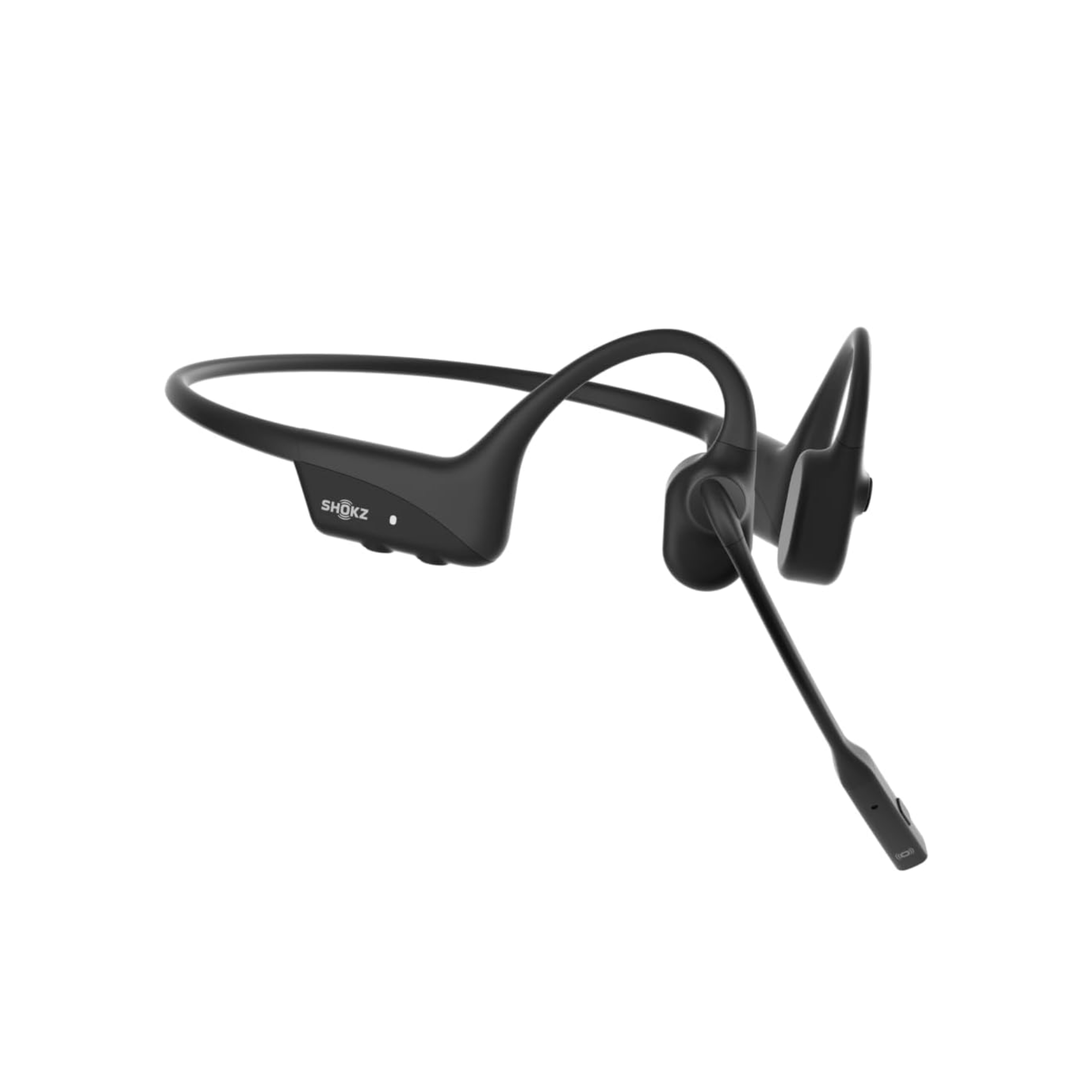
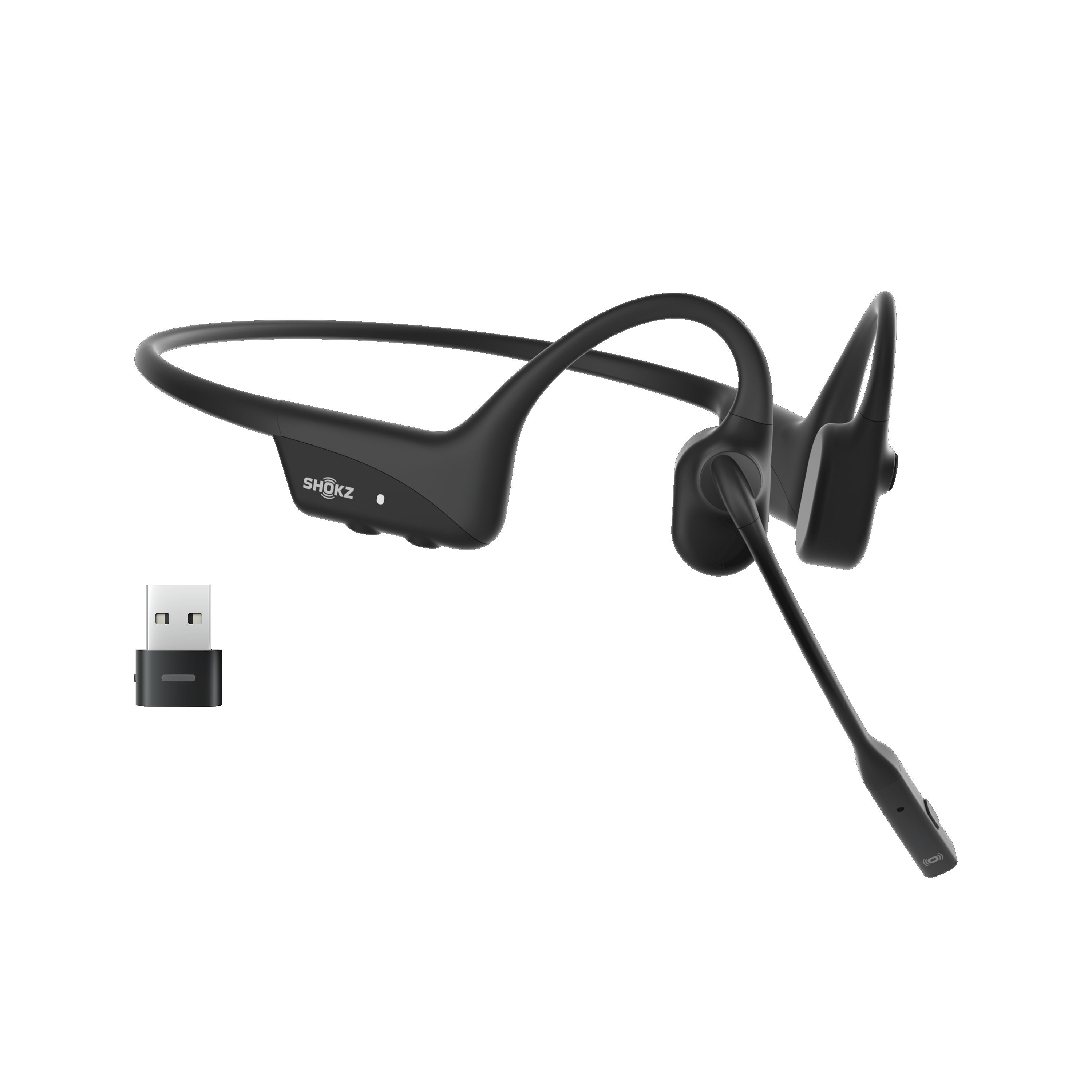
Mono headsets have a single ear speaker, allowing you to stay aware of your surroundings while on calls. These are often preferred in office environments where communication with coworkers is important.
Some people don’t like having both ears covered too as it can create a sense of immersion or isolation. That’s easily solved by opting for a single ear model.
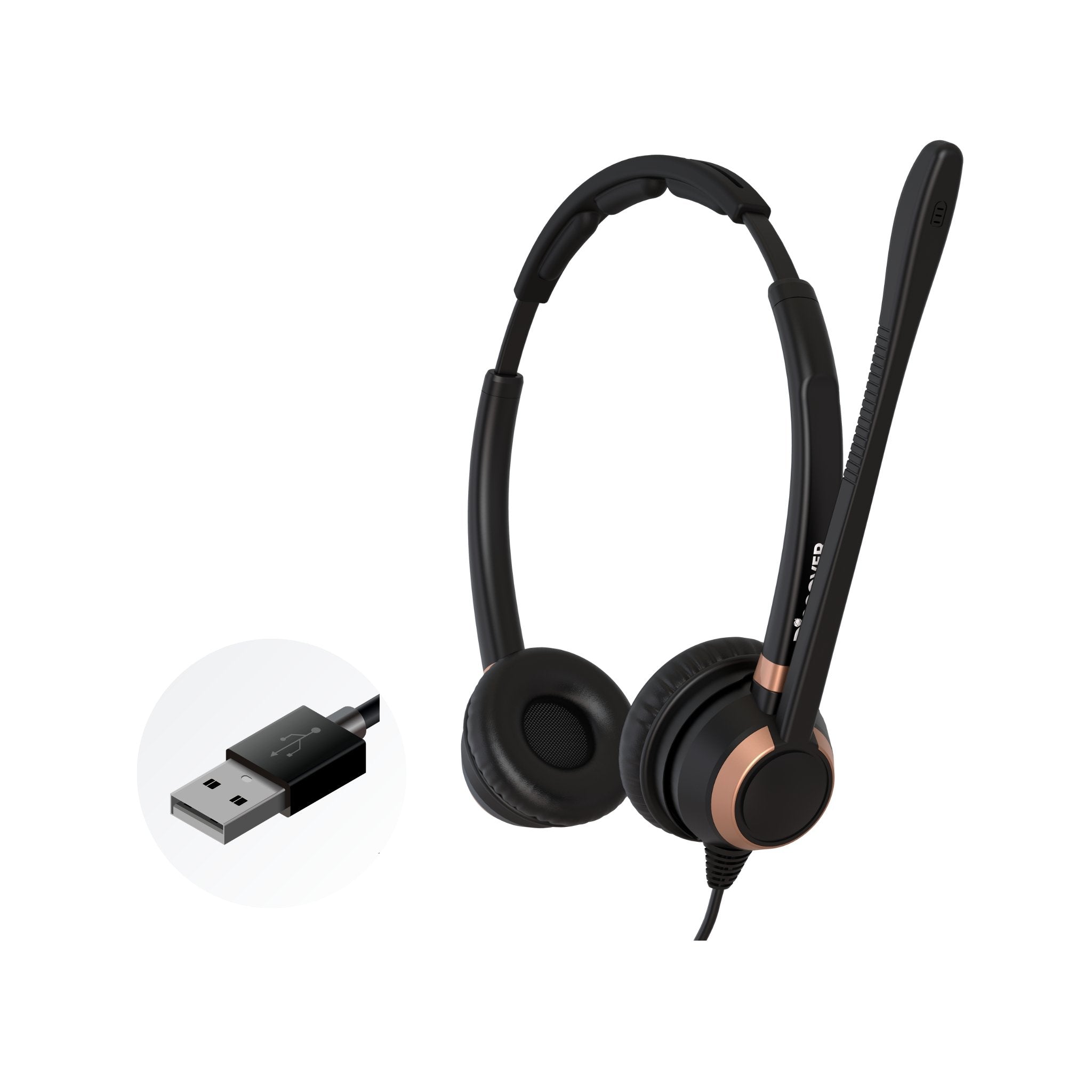
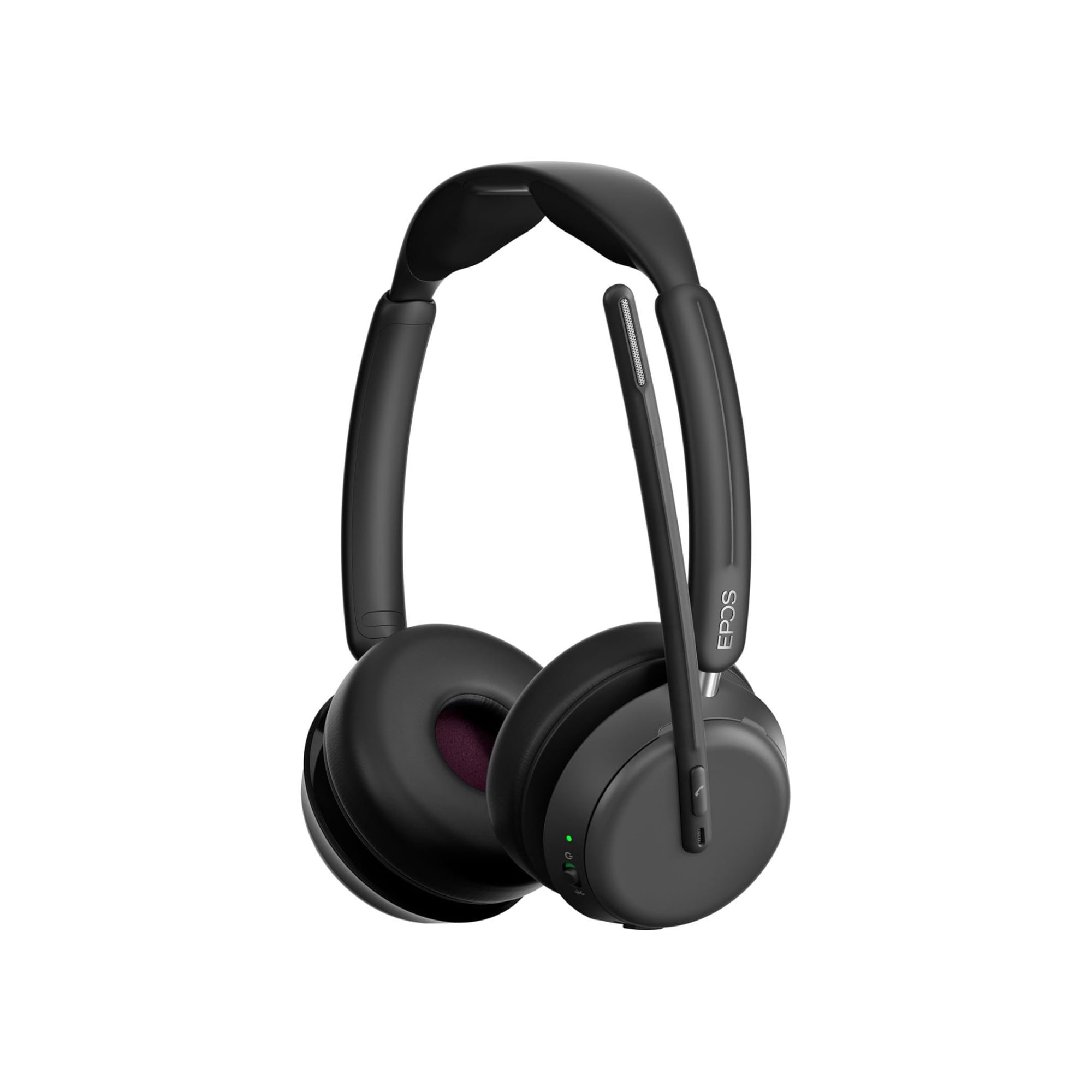
Stereo headsets cover both ears and provide a more immersive audio experience. They are ideal for noisy environments or for users who want to block out distractions and focus on calls. It’s also appealing to those who listen to music, as a double ear headset provides sound to both ears making it the better choice for music and noise abatement.
If you are unsure which is right for your work style, understanding the differences between mono vs stereo headsets can help guide your decision.
Your Work Environment Matters

Your work environment plays a major role in choosing the right headset.
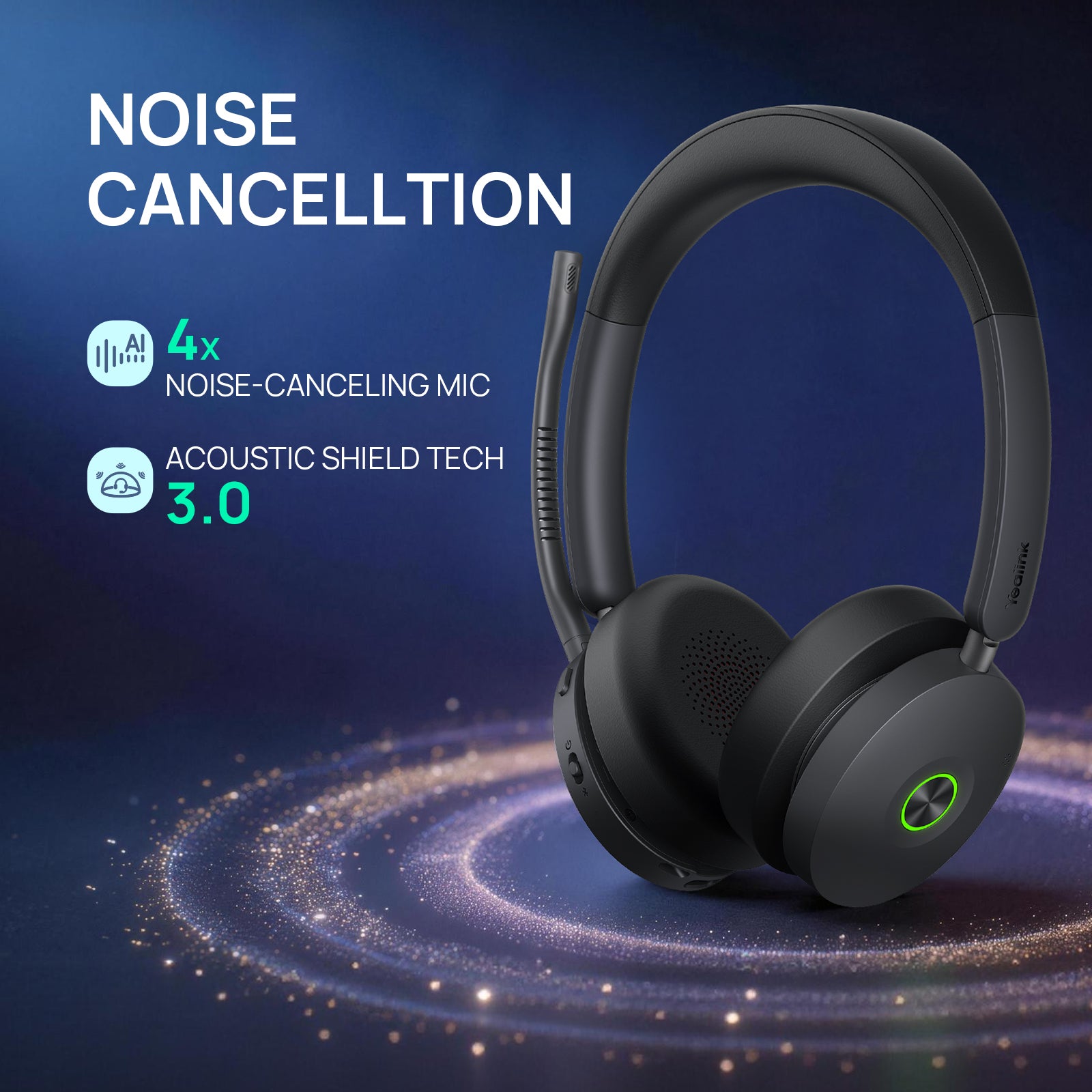
If you work in a quiet office or from home, you may not need advanced noise cancellation. However, in busy environments with background conversations, office equipment, or other distractions, a higher-quality headset becomes much more important. At home workers can also benefit from a noise canceling headset if there are pets or small children nearby.
This is where solutions like neep AI noise canceling software can also make a noticeable difference by reducing background noise and improving how clearly others hear you. neep will also remove your caller’s background, which gives everyone a better sounding call or meeting.
Choosing a headset that matches your environment helps prevent common issues like poor sound quality, or echo during calls.
Device Compatibility

Not all headsets work the same with every device or platform.
You’ll want to make sure your headset is compatible with:
-
Your computer or laptop
-
Desk phone, if applicable - knowing the make and model is important
-
Applications like Microsoft Teams, Zoom, or other calling platforms
Incorrect setup or compatibility issues can lead to problems like your headset mic not working or audio sounding distorted.
Taking the time to match your headset to your devices up front, will save a lot of time, expense and frustration later.
Comfort for All-Day Use

If you spend hours on calls each day, comfort should be a top priority.
Look for features like:
-
Lightweight design
-
Adjustable headbands and pivoting ear speakers
-
Cushioned ear pads - foam, leatherette or memory foam and how thick the pads are
- Cushion or canopy on headband which adds even more comfort
An uncomfortable headset can lead to fatigue and distraction, which impacts productivity over time. And besides padding, pay attention to the clamping force of a headset because this inward pressure can create discomfort and in some cases, headaches.
Besides reading specs, there's no way to really know if a headset is comfortable or not, which is why we recommend trying a headset before deciding to buy it. This is especially important if comfort is high on your list.
Budget vs Long-Term Value

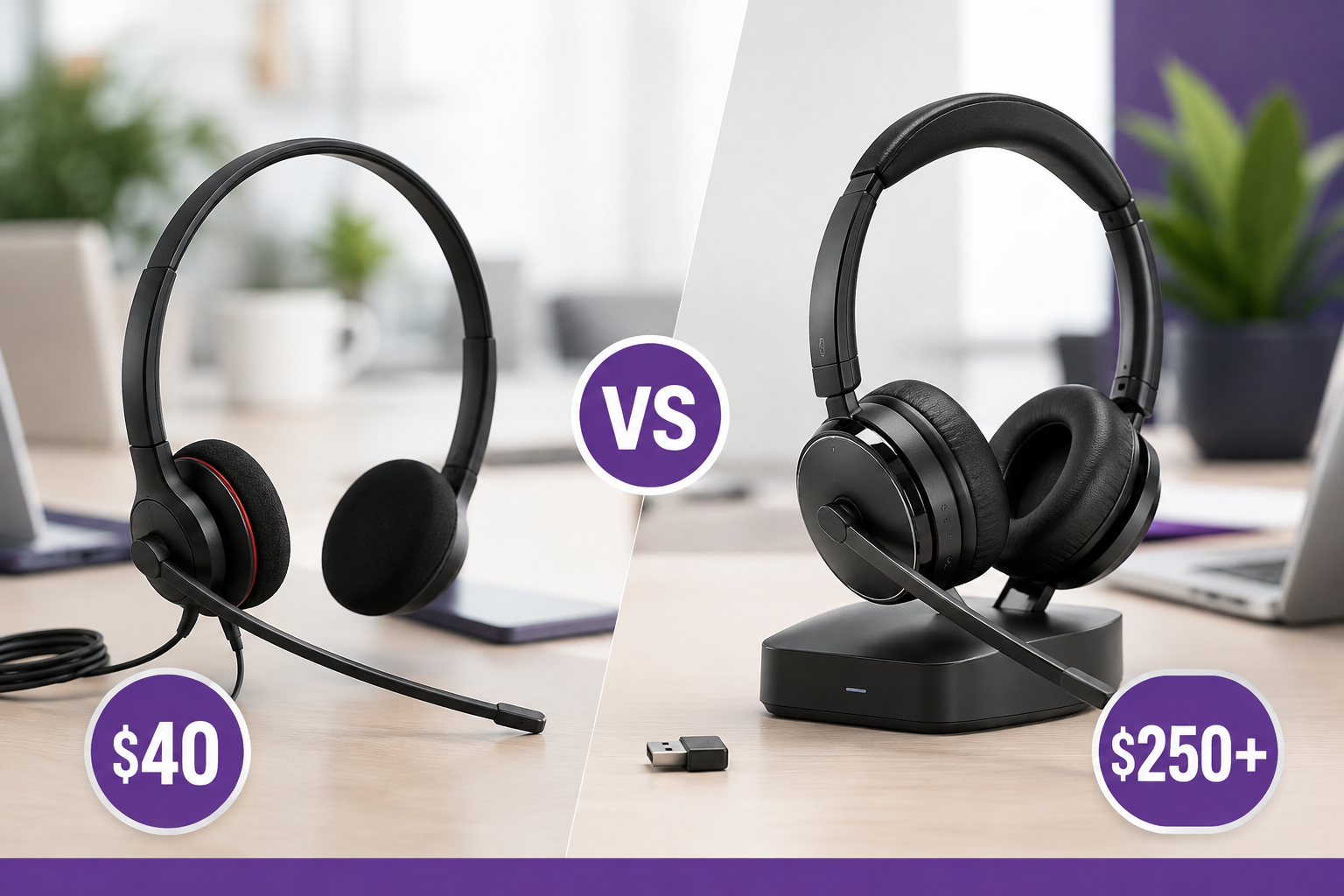
It can be tempting to choose the lowest-cost option, but that generally leads to more problems in the long run.
Lower-quality headsets may:
-
Wear out faster
-
Provide inconsistent audio or unprofessional sound
-
Lack proper noise cancellation
-
Come with a shorter warranty
-
Be limited in what they can connect to
In many cases, investing in a higher-quality headset results in better performance and fewer issues over time.
For businesses outfitting teams, budget is always a consideration. Options like a headset lease program can make it easier to get high-quality equipment without a large upfront investment.
The Right Headset Prevents Common Problems
Choosing the right headset from the start can help you avoid many of the most common issues people experience.
This includes:
-
Echo during calls
-
Poor voice sound quality
-
Microphone issues
-
Unexpected disconnections
-
Questionable call security
If you have experienced any of these, you can explore our related guides on:
-
Why your headset keeps disconnecting
-
Why your headset mic is not working
-
Why your headset sounds bad
-
Why your headset echoes
Addressing the root cause often starts with having the right equipment in place.
Final Thoughts
Choosing the right headset for work comes down to understanding your environment, your devices, and how you plan to use it each day.
Taking the time to understand your needs and to choose the right solution can improve call quality, reduce frustration, and make your overall work experience more productive and enjoyable.
Need Help Choosing the Right Headset?

If you’re not sure which headset is best for your needs, we’re here to help.
At Headset Advisor, we have been helping businesses find the right communication solutions for over 30 years. We proudly have over 800 five-star reviews on Google, which reflects our commitment to helping customers get it right the first time, and extending premium level support when needed.
Whether you need help troubleshooting your current setup or choosing a new headset, our team can guide you to the best solution for your specific needs, so don't hesitate to contact us.