Call Center & Contact Center Headsets

11 products

Showing 1 - 11 of 11 products

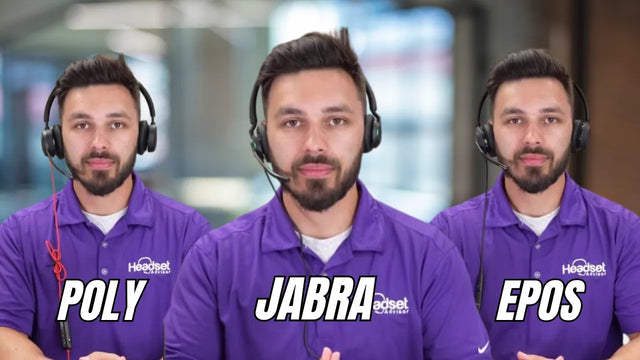
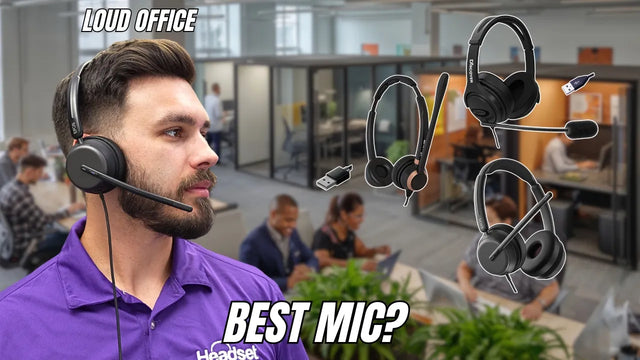
Shop call center headsets for contact center, customer service and telemarketing teams: wired USB for softphones, quick disconnect for desk phones and DECT for supervisors. We put the same five wired headsets through our call center mic test in 2024 and again in 2026, in quiet conditions and with background noise.

Showing 1 - 11 of 11 products
View
Our wireless pickTestedNew
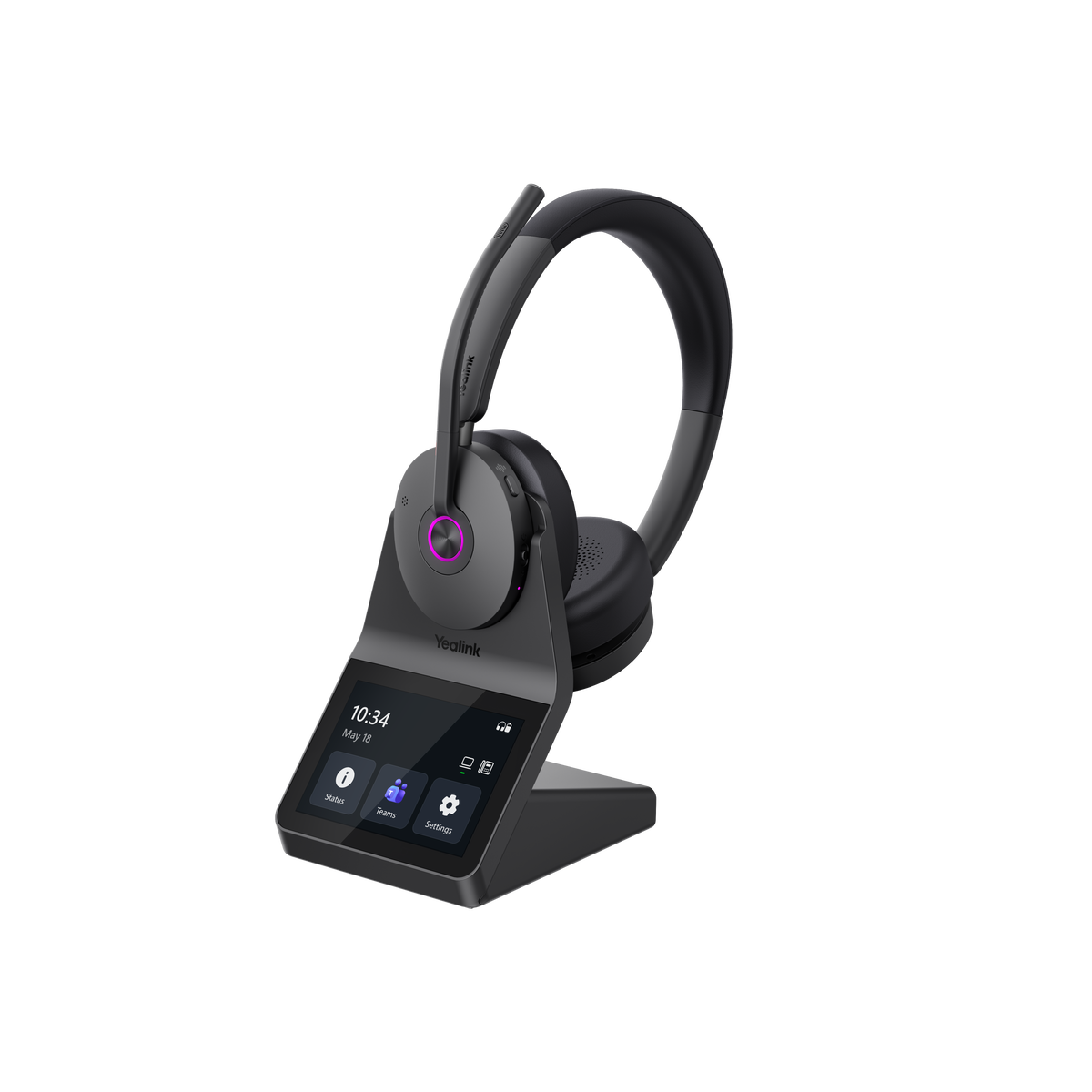
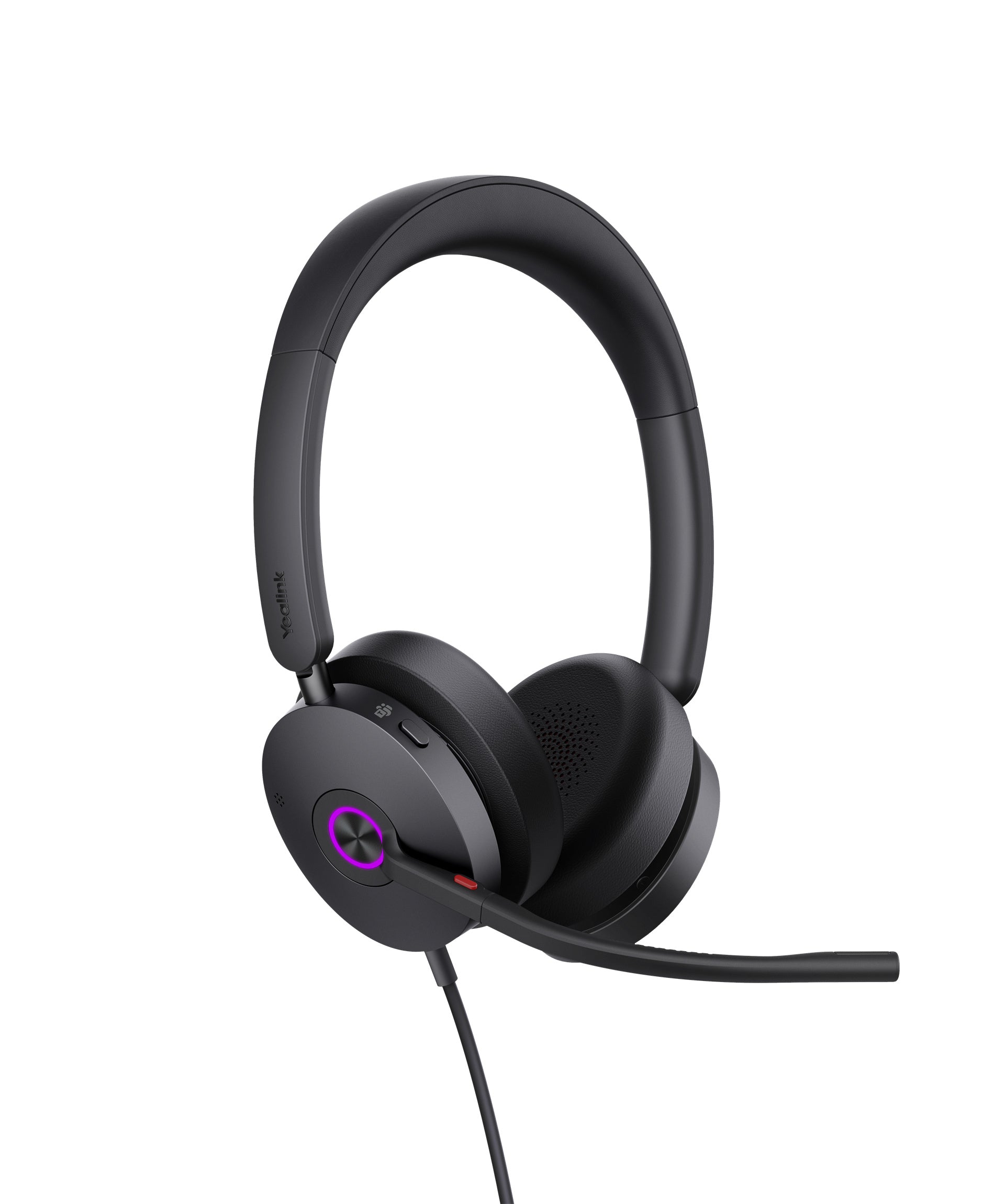
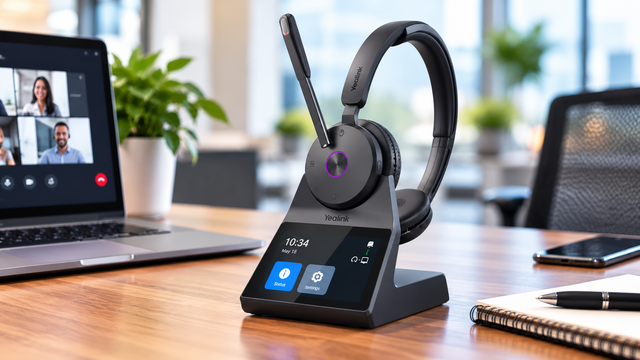
Yealink HA68 Pro Wireless DECT Headset with Touchscreen BaseYealink HA68 Pro Wireless DECT Headset with Touchscreen Base
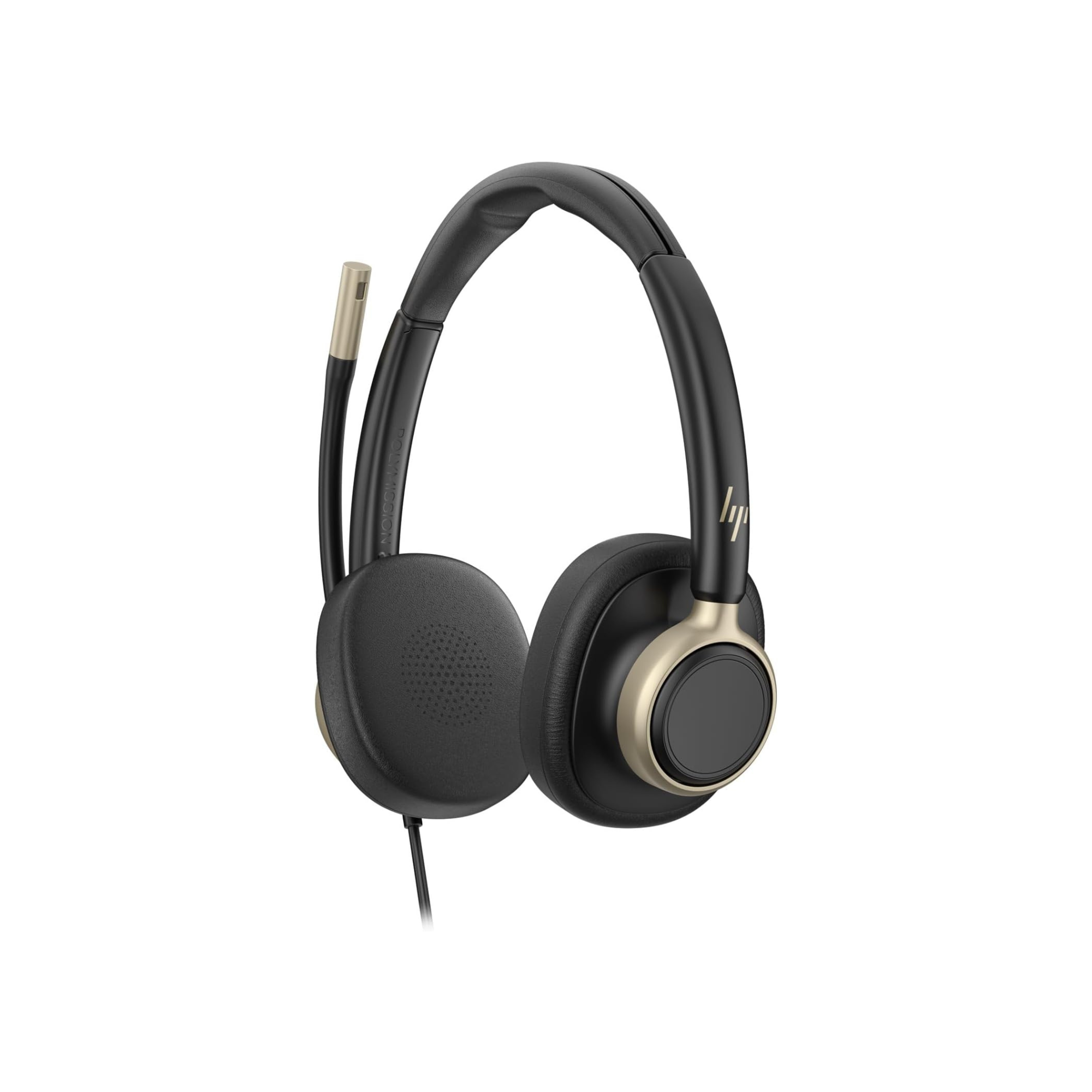
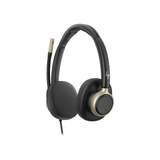
HP Mission 825 An on-ear wired headset with black ear cups, a padded headband, and a small attached microphone, shown on a plain white background. A gold HP logo is visible on the side of the right ear cup.HP Poly Mission 825 Wired Stereo USB Headset with ANC for Call Center & Office
Jabra Evolve2 30 SE Headset: Crystal-Clear Calls & All-Day ComfortJabra Evolve2 30 SE Headset: Crystal-Clear Calls & All-Day Comfort
Jabra Jabra Evolve2 30 SE Headset: Crystal-Clear Calls & All-Day Comfort
Sale priceFrom $91.00Save $33.00 Regular price$124.00
No reviews
In Stock
Choose options
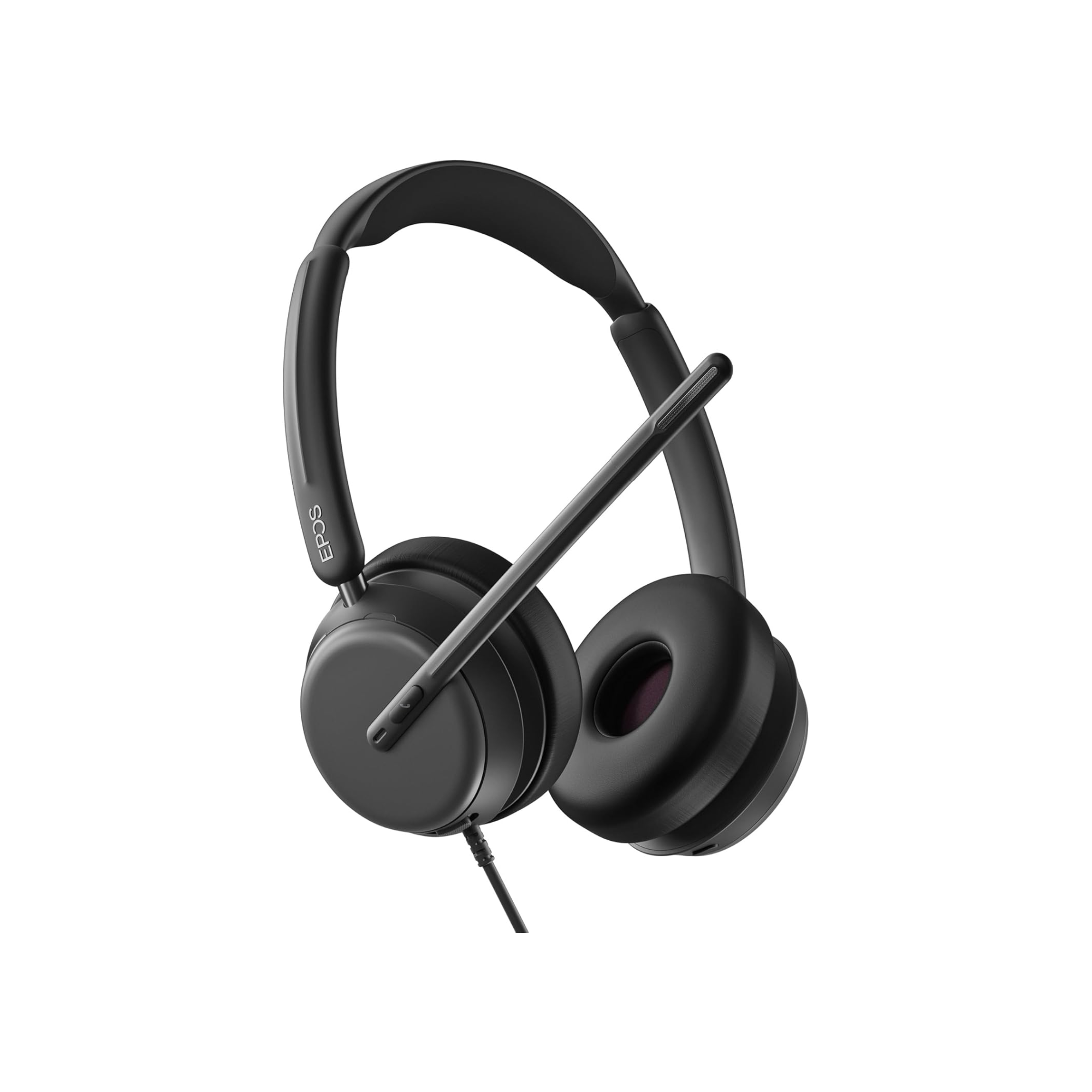
epos impact 1060EPOS Impact 1000 Dual Speaker Noise Canceling Headset With HD Mic
EPOS EPOS Impact 1000 Dual Speaker Noise Canceling Headset With HD Mic
Sale priceFrom $219.99Save $49.01 Regular price$269.00
26 reviews
In Stock
Choose options
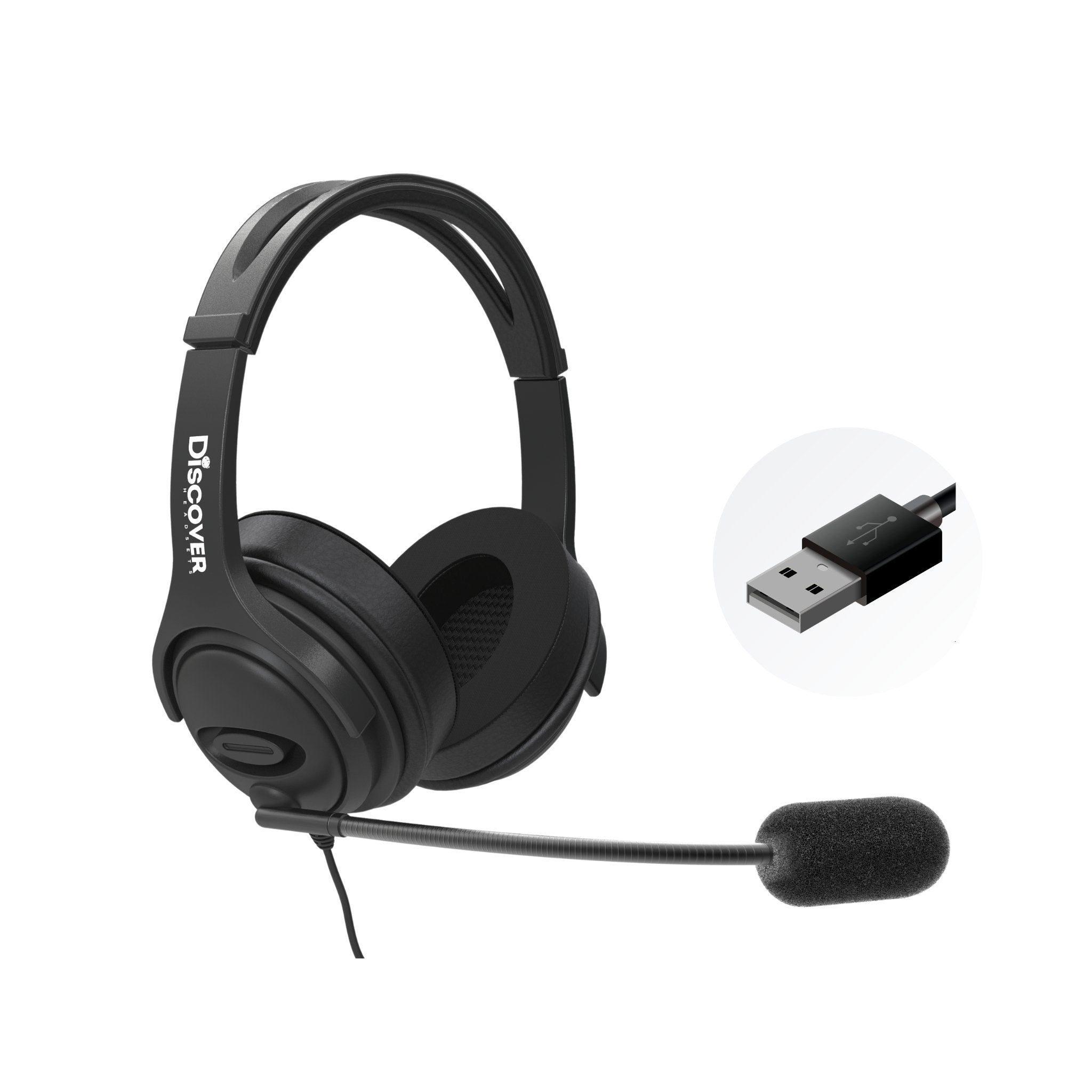
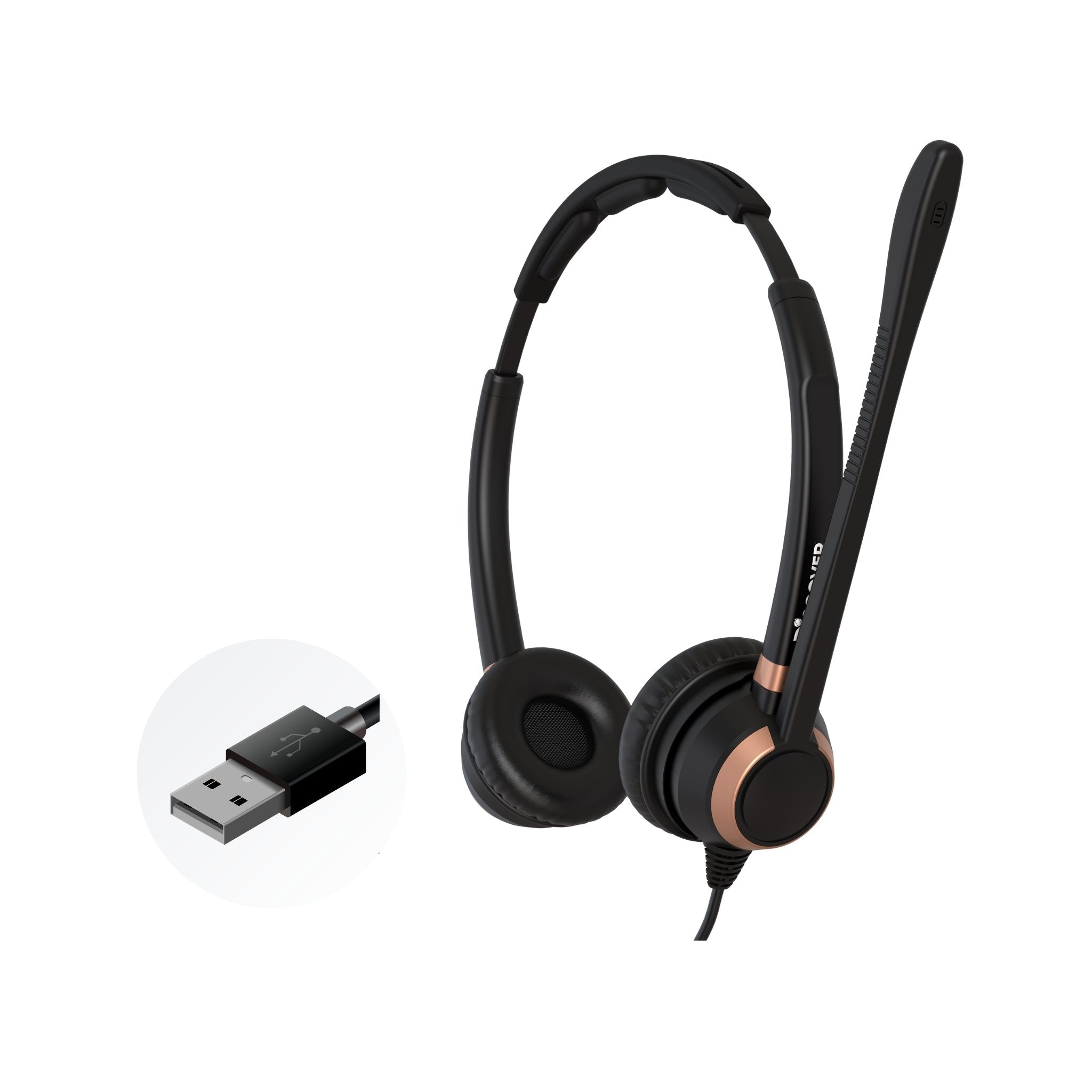
Discover D712U Dual Speaker USB Wired Office Headset For Professionals - Headset AdvisorDiscover D712U Pro Audio USB Wired Headset For Work (Dual Speakers)
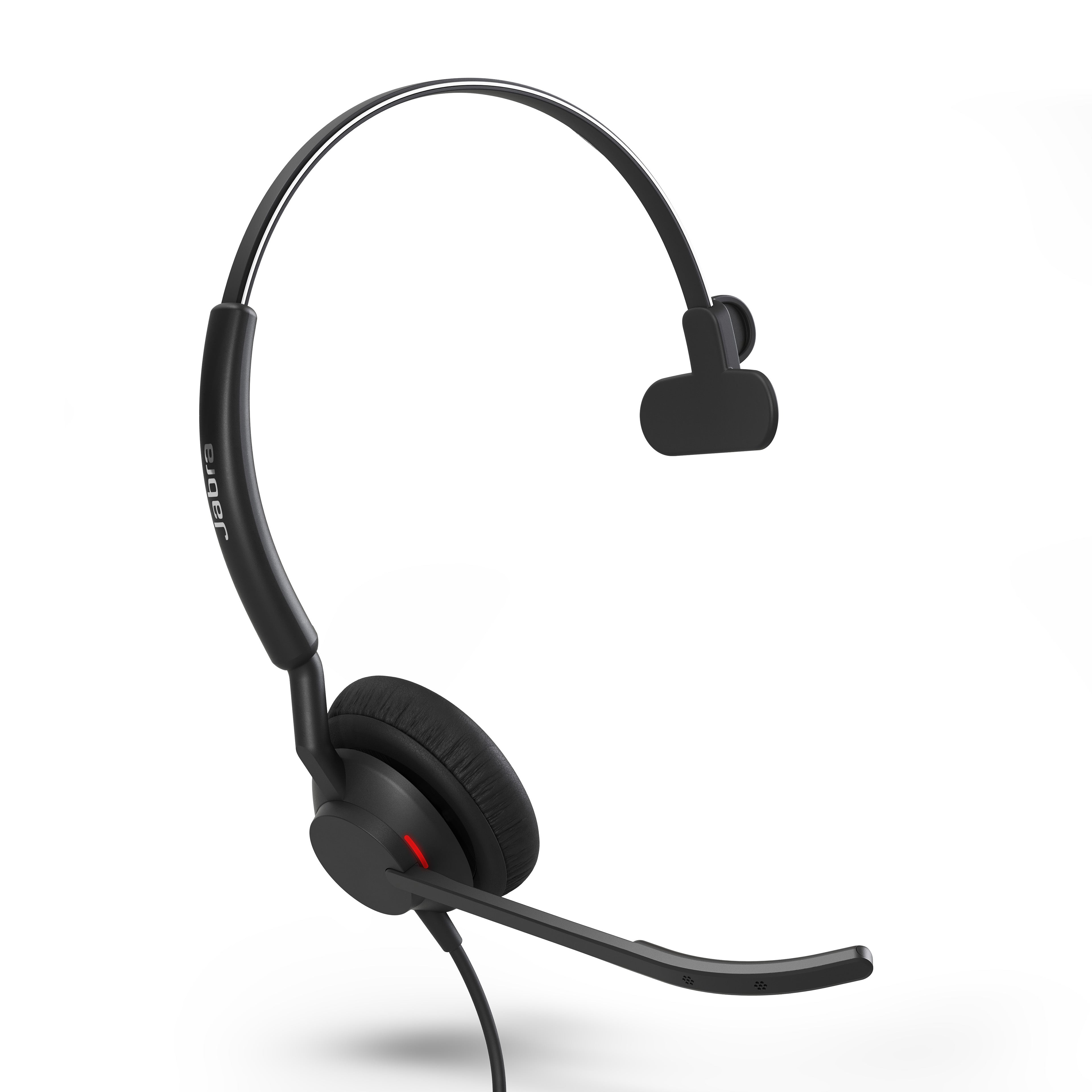
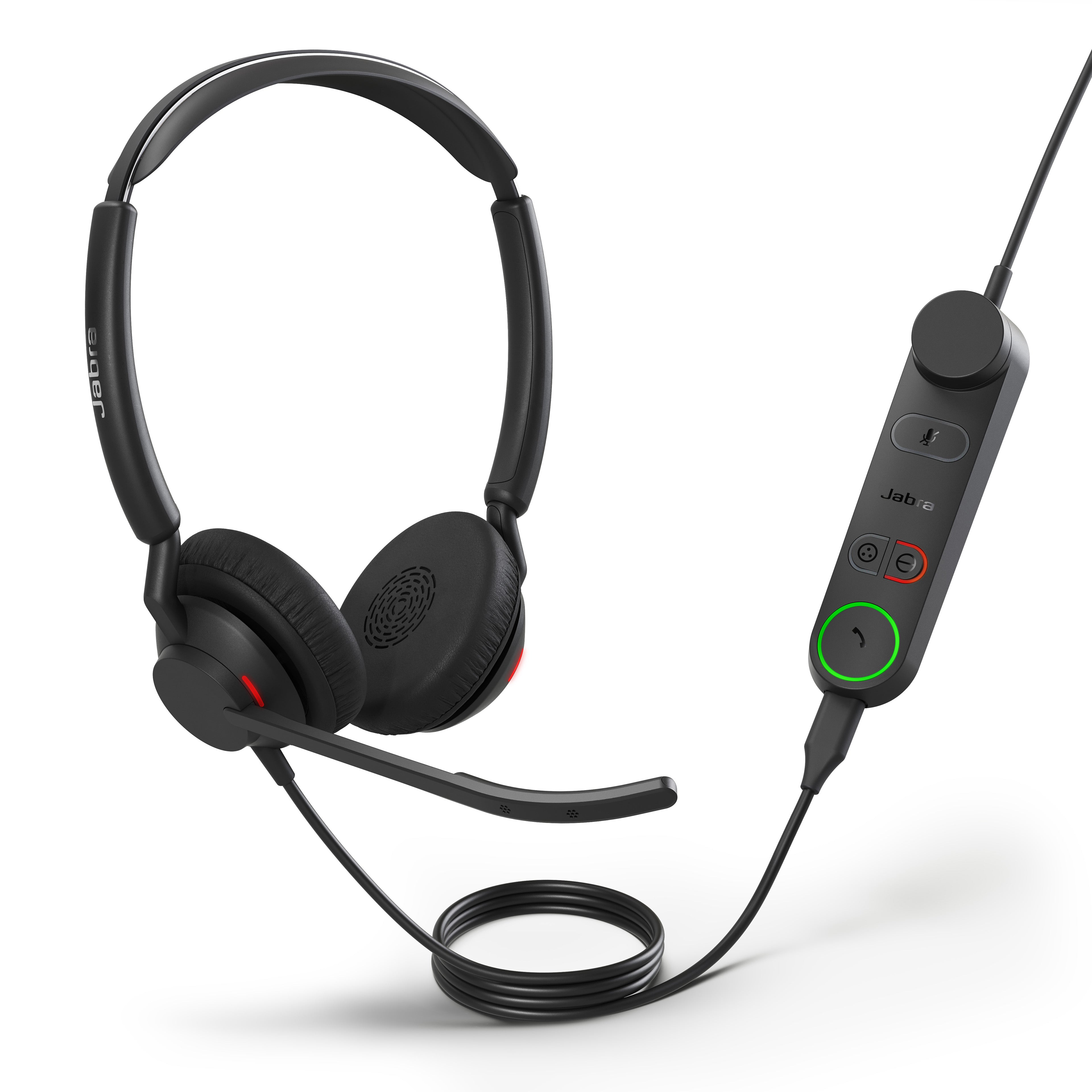
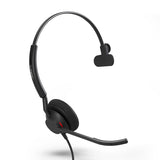
Jabra Engage 50 Mono II Wired USB Headset For Calls - Headset AdvisorJabra Engage 50 Mono II Wired USB Headset For Calls - Headset Advisor
Jabra Jabra Engage 50 II Mono: Clear Calls, Noise Canceling USB Headset
Sale priceFrom $164.00Save $85.00 Regular price$249.00
No reviews
In Stock
Choose options
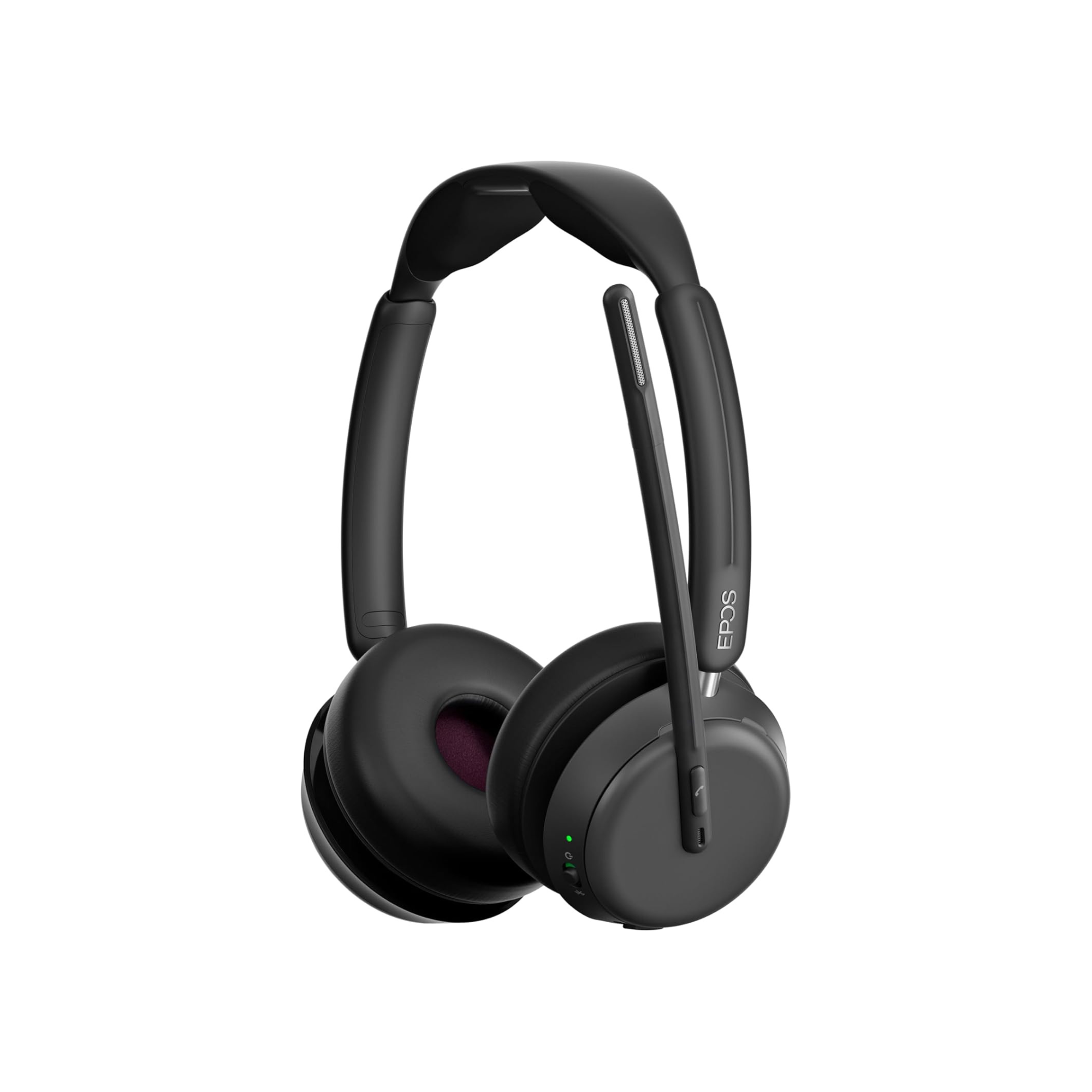
EPOS Impact 760: Clear Calls, All-Day Comfort, Stereo SoundEPOS Impact 760: Clear Calls, All-Day Comfort, Stereo Sound
Choose options

Our tests

Three we'd buy, from our reviews and mic tests.

  • Discover D722U

    Our verdict: If background noise is your primary concern, the D722U provides strong isolation combined with solid voice audio quality, and noise cancellation.

    Read our review →

    $99.99

  • Discover D712U

    Our verdict: The Discover D712U offers a more streamlined option while still delivering effective noise cancellation.

    Read our review →

    $79.99

  • EPOS Impact 860

    Our verdict: The EPOS Impact 860 Series is one of the best headsets available for the open office environment.

    Read our review →

    From $195.66

Compare our top picks

HeadsetTypeConnects toTeams or UCBatteryRangePrice
Discover D722UDiscover D722U Wired USB, dual ear, over-ear cushionsPC, laptop or Mac via USB-A or USB-CWorks with Teams, Zoom, RingCentral and most UC appsWired, no batteryWired$99.99ViewReview
Discover D712UDiscover D712U Wired USB, dual earPC, Mac or laptop via USBWorks with Teams, Zoom, RingCentral and other UC platformsWired, no batteryWired$79.99ViewReview
EPOS Impact 860EPOS Impact 860 Wired USB, dual ear, ANC optionalComputer via USB-C, USB-A adapter includedTeams or UC version; Microsoft Teams Open Office certifiedWired, no batteryWiredFrom $195.66ViewReview
Yealink HA68 ProYealink HA68 Pro DECT + Bluetooth wireless, dual ear, hybrid ANCPC and compatible desk phone via the base; mobile via BluetoothMeets Microsoft Teams Open Office requirements; works with other UC platformsUp to 16 h talk (DECT), 32 h (Bluetooth)DECT up to 606 ft; Bluetooth up to 164 ft$329.99ViewReview
Yealink HA64 ProYealink HA64 Pro DECT + Bluetooth wireless, mono or dual earComputer and compatible IP desk phones via the base; mobile via BluetoothTeams and Zoom certifiedDECT up to 14 h mono, 16 h dual; Bluetooth up to 26 h mono, 32 h dualDECT up to 606 ft; Bluetooth up to 164 ftFrom $209.99ViewReview
HP Poly Mission 825HP Poly Mission 825 Wired USB, dual ear, ANCUSB-C, USB-A adapter includedCompatible with Microsoft Teams, Zoom and Google MeetWired, no batteryWired$139.67ViewReview
Jabra Engage 50 IIJabra Engage 50 II Wired USB, single earUSB-A or USB-C (by variant)MS Teams or UC versionWired, no batteryWiredFrom $164.00ViewReview
EPOS Impact 760EPOS Impact 760 Wired USB, dual ear (the 730 is the mono)USB-C, USB-A adapter includedTeams or UC version; Microsoft Open Office certifiedWired, no batteryWired$168.98View

Battery and range are the manufacturer's ratings. Mic recordings are from our own tests.

How we test call center headsets

We test the way your callers hear you. In our 2024 call center headset test and our 2026 wired USB sound test, the same five wired headsets went through a quiet-room mic test and then a background noise test with office noise, a crying baby and keyboard typing. We listen for three things: how you sound, how much noise the mic removes, and whether your voice stays clear while it works. That last one matters, because "some headsets excel at audio quality, or noise reduction, but struggle to maintain good voice audio quality when the microphone is busy reducing background noise."

These are listening tests, not lab measurements, so we report what we heard. You can hear these tests in our review videos.

What we heard

  • Discover D722U, in our D722U vs D712U mic test with office noise, barking dogs and a blender: "the D722U reduced more of the noise."
  • Discover D712U, in our 2026 comparison of wired headsets for noisy offices: "The Discover D712U offers a more streamlined option while still delivering effective noise cancellation."
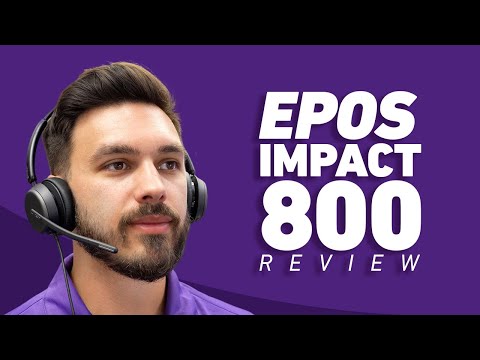
  • EPOS Impact 860 (Impact 800 series), 2026 test: it "delivered the richest sound quality of the group while maintaining excellent background noise removal."
  • EPOS Impact 700 series, 2026 test: "In quiet conditions, the Impact 700 produced a fuller, more natural tone compared to the other models."
  • Jabra Engage 50 II, 2026 test: "In our testing, the Engage 50 II delivered strong background noise reduction." Our Engage 50 II review adds: "To me, the Engage 50 II pretty much removed all the different noises."
  • Poly Blackwire 3320, 2024 test: "As an entry-level option, the Blackwire 3320 struggled more than the other models in noisy environments."

Mic noise canceling vs ANC

A noise canceling mic cuts the noise your caller hears. Active noise cancellation (ANC) works in the ear speakers and cuts the noise the agent hears. In a call center, both can make a noticeable difference. Our guide to noise canceling headsets for call centers using a computer explains the difference in more detail.

Wired USB headsets for agents on softphones

If your agents take calls on a computer, in Teams, Zoom, RingCentral or your contact center software, start with wired USB. A wired USB headset has no battery to manage, a consistent connection and plug-and-play setup, and it costs less than a wireless model. As our comparison of wired headsets for noisy offices puts it, "For high-volume call environments or shared workstations, wired headsets remain a practical and dependable solution".

  • Discover D722U: ear cushions that fully surround the ear help block room noise. Its inline controller has a built-in speaker, which our review notes can let a trainee hear the conversation.
  • Discover D712U: a budget-friendly option. Our comparison says "It’s built to withstand the rigors of harsh environments like busy call centers."
  • EPOS Impact 860 (Impact 800 series): comes with or without ANC, so you only pay for it where the room is loud. Our Impact 860 review found its mic "consistently delivered clear and intelligible audio no matter what noise we threw at it."
  • Jabra Engage 50 II: built for contact centers, with a 3-year warranty. With the call controller, it offers call control in Amazon Connect, Genesys Cloud CX and NICE CXone.
  • EPOS Impact 700 series: the 730 (one ear) and 760 (two ears) carry a 3-year warranty. Read our Impact 700 review.
  • HP Poly Mission 400, 600 and 800: one family at three levels. Our Mission 400 vs 600 vs 800 comparison matches the 400 to quieter rooms and lighter call volume, the 600 to call-heavy roles and the 800 to demanding, noisy environments.

Teams or UC version?

Many wired headsets come in two versions. Our Engage 50 II review sums it up: "If your company uses Microsoft Teams exclusively, then the Teams version is the perfect choice." If your agents also use Zoom, RingCentral or a contact center platform, choose UC. The Yealink HA64 Pro skips the choice: you set Teams or UC on its touchscreen.

Quick disconnect (QD) headsets for desk phones

If your agents use desk phones, you need a quick disconnect headset plus the cable or amplifier made for your phone's make and model. The QD is "the spot that joins the cord from the wired headset to the coil cord that connects to your desk phone." Pulling it apart during a call places the call on a soft hold, so the caller hears nothing while the agent steps away, and it saves wear on the headset. Our guide to training new employees with wired headsets covers QD habits for new hires.

For training, a Y-cable lets a supervisor join the line. The Jabra Link 265 connects two Jabra QD headsets to one PC, so supervisors "can either stay muted or join the conversation." We have not published a mic test of a QD call center headset yet, so the tested picks on this page are wired USB headsets. Shop quick disconnect headsets for office phones, and ask an advisor which cable your phone needs.

DECT wireless for supervisors and team leads

For agents who stay at a desk, wired is often the better choice. Supervisors are different. As our guide on when to switch from wired to wireless puts it, "For supervisors or managers, mobility isn’t just a convenience, it’s often part of the job." They walk the floor, check in with agents and need to stay reachable.

For that, choose DECT over Bluetooth. DECT headsets "are designed for longer range, greater call security and more stable connections", with range that same guide puts at 150 feet to over 600, against 30 to 100 feet for Bluetooth. Our DECT vs Bluetooth guide covers the details.

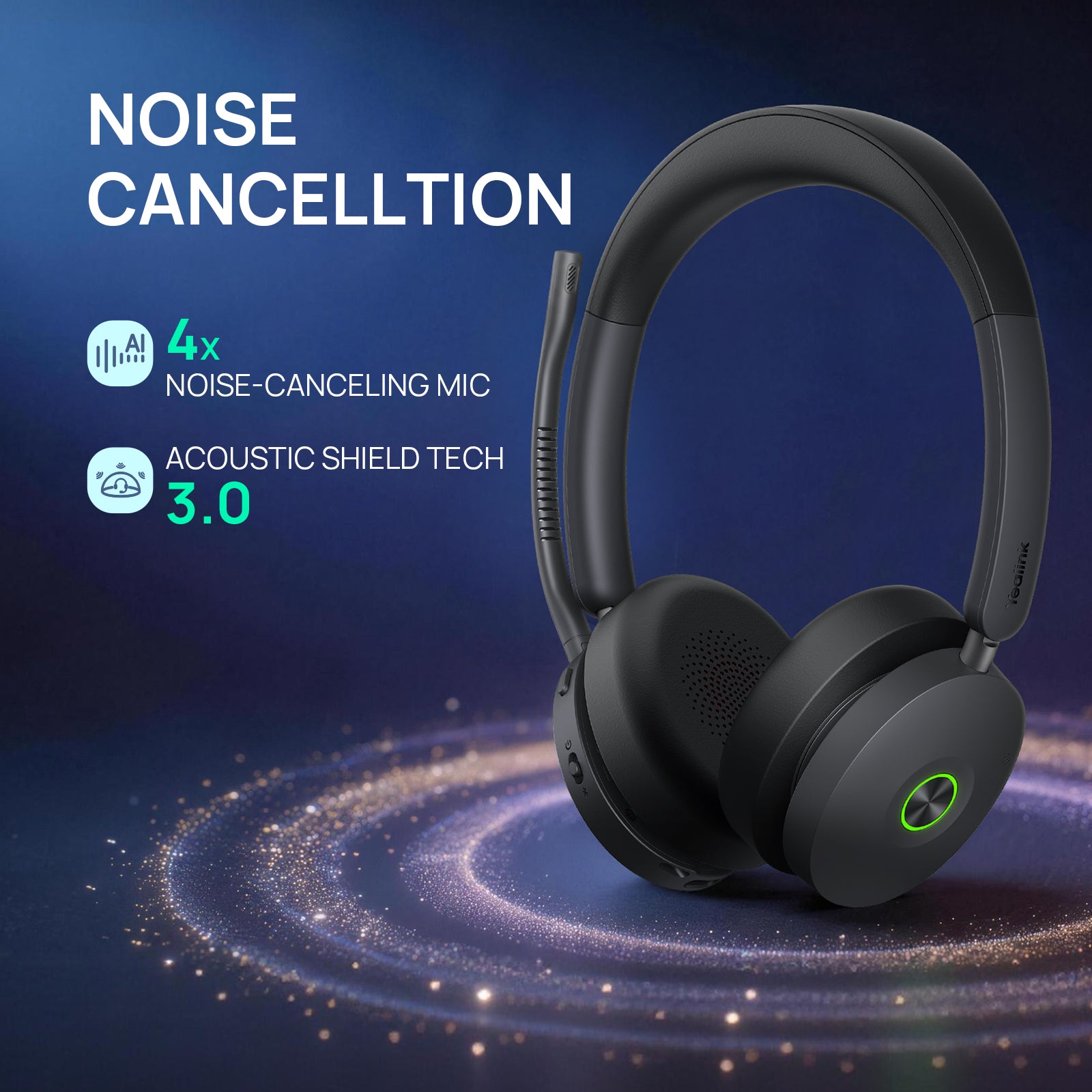
  • Yealink HA68 Pro, our wireless pick for the floor: DECT and Bluetooth are both in the headset, with hybrid ANC and larger cushions. It connects to a computer and a compatible desk phone through the base, and to a mobile phone over Bluetooth. Our HA68 Pro review says that where background noise and distractions are common, ANC "becomes considerably more valuable."
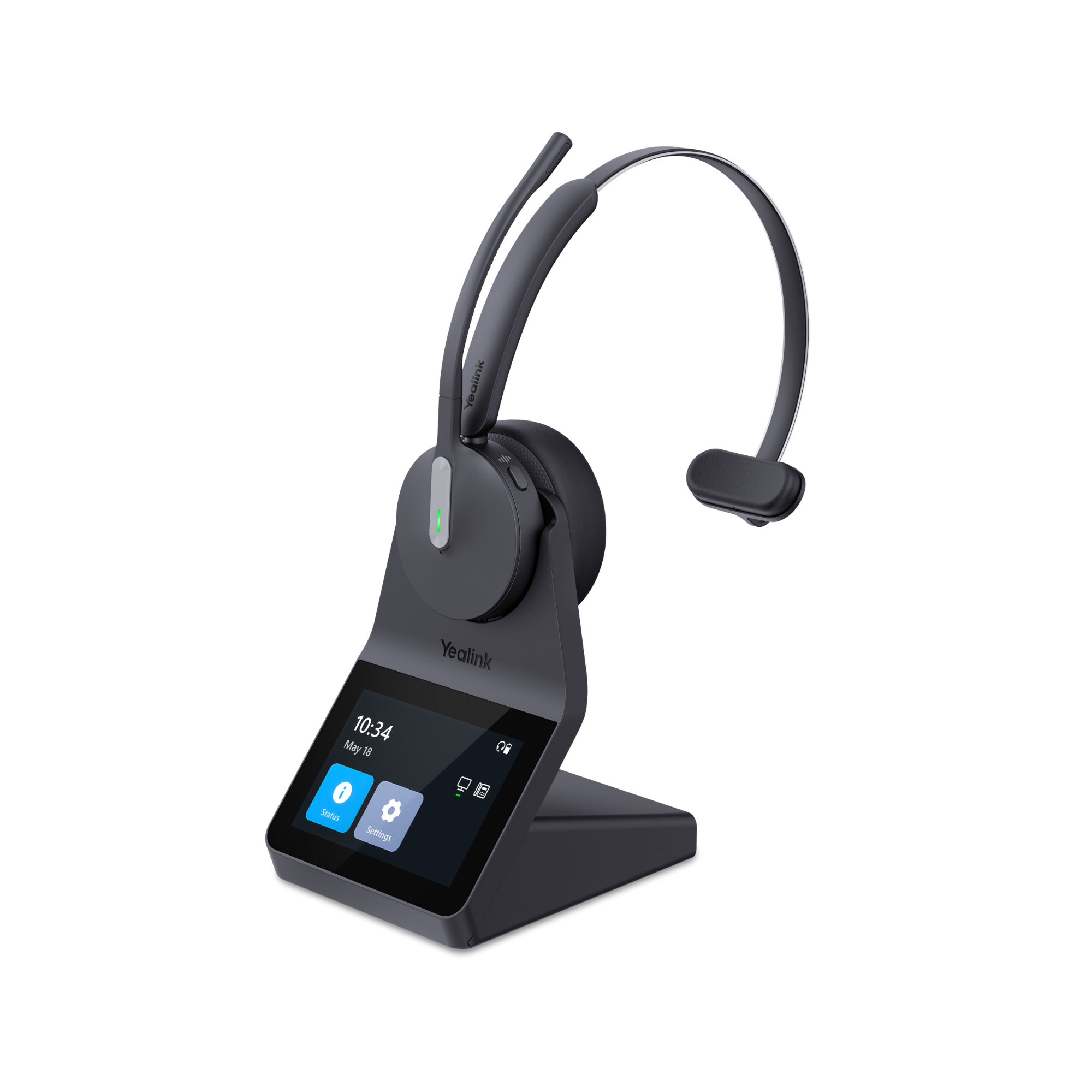
  • Yealink HA64 Pro: the same DECT and Bluetooth design, without ANC, in one-ear or two-ear models. Yealink rates DECT range at up to 606 feet, and talk time at up to 16 hours on DECT for the dual-ear model (14 for mono). In our crying baby mic test: "Microphone sound quality was solid, and the noise cancellation was excellent." In our football field range test it kept "crystal-clear audio from the back of one end zone of a football field, all the way to the back of the opposite end zone." Open-field range runs longer than you will see in an office. Read our HA64 Pro review.

Desk phone support varies by phone model, so ask us to confirm yours before you order.

Comfort for all-day calls

As our Engage 50 II review notes, "Contact Center Agents spend the majority of their day on the phone." Weight, cushions and fit add up over a shift. Look for:

  • Low weight: the Engage 50 II mono weighs 1.6 ounces and the EPOS Impact 730 weighs 2.8 ounces, per our reviews.
  • Cushions that suit the room: the Discover D722U has cooling gel memory foam cushions that fully enclose the ears. The Impact 860 ships with on-ear cushions, and we make over-ear cushions for the Impact 860 in leatherette or fabric.
  • A mic boom that goes on either side: the Engage 50 II, Impact 860, Impact 700 series and D722U all let agents wear the mic on the left or right.

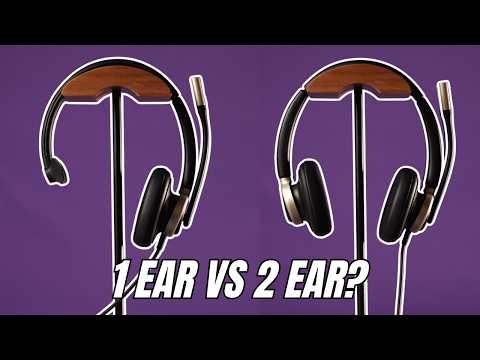
One ear or two?

Dual-ear (stereo) headsets block more background noise and help agents focus, so they suit loud floors. Single-ear (mono) headsets let agents hear the room and talk with coworkers. Several headsets on this page come both ways, including the EPOS Impact 700 series, the Yealink HA64 Pro and the HP Poly Mission line. Our guide on how to choose a headset for your office or call center walks through both.

Buying for a call center team

Whether you run inbound support, outbound telemarketing or a help desk, start with a volume quote for the headsets, cables and spares you need. Enterprise, government, education and healthcare teams can order with purchase orders, tax-exempt status and payment terms. For teams of 10 or more, the Managed Hardware Program covers headsets for one flat monthly fee per seat, quoted for your team, and replacements ship first. Not sure which model fits your phones or software? Our headset advisors can help you pick one model to standardize on.

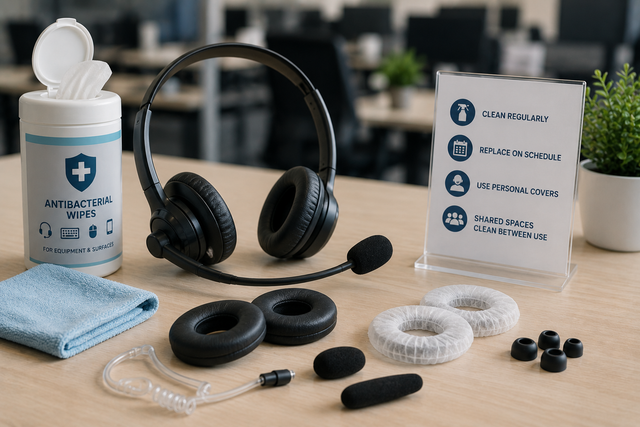
Plan for upkeep, too. Many headset manufacturers recommend replacing foam ear cushions and mic wind screens about every six months, and possibly sooner in high-use contact centers. Our headset hygiene tips for contact centers cover cleaning shared headsets between shifts, and our guide on how often to replace headsets lists replacing headsets every 3 to 5 years as one common strategy.

Frequently asked questions

What should I look for in a call center headset?

Start with how loud your floor is, then comfort and compatibility. When we test a headset mic, we listen for how you sound, how much background noise it removes, and whether your voice stays clear while it does. Agents wear headsets for hours, so a light, padded design matters. Check that the headset works with your softphone or desk phone, and check the warranty: most wired headsets carry one or two years, and some carry three. See our call center headset test.

How do I reduce background noise in a call center?

Choose a headset with a noise canceling boom mic, and set the mic about two fingers' width from the corner of the mouth. The mic cuts what your caller hears. Active noise cancellation (ANC) cuts what the agent hears; the EPOS Impact 860 (Impact 800 series) and HP Poly Mission 825 offer it. Dual-ear headsets also block more room noise. Ask agents to keep their own voices down, too. Our training guide for wired headsets covers mic placement.

Should call center agents use wired or wireless headsets?

For agents who stay at a desk, wired USB is often the better choice: no batteries, a consistent connection and a lower cost. Wireless pays off for people who move, such as supervisors who walk the floor. For them, DECT gives longer range, greater call security and more stable connections than Bluetooth. Some companies restrict wireless headsets, so check your policy first. Read when to switch from wired to wireless.

Should I buy USB or quick disconnect (QD) headsets for my call center?

Buy USB if agents take calls on a computer, in Teams, Zoom, RingCentral or your contact center software. Buy QD if they use desk phones. A QD headset also needs a cable or amplifier made for your phone's make and model, sold separately. Pulling the QD apart during a call places it on a soft hold, so the caller hears nothing. Shop quick disconnect headsets, or ask an advisor which cable your phone needs.

Can I buy call center headsets in bulk?

Yes. Request a volume quote for your team. Enterprise, government, education and healthcare teams can order with purchase orders, tax-exempt status and payment terms. For teams of 10 or more, the Managed Hardware Program covers headsets for one flat monthly fee per seat, quoted for your team, and replacements ship first. You also get free 3 to 5 day shipping on orders of $50 or more, and 30-day returns.

Is a single-ear or dual-ear headset better for call center agents?

It depends on the room. Dual-ear (stereo) headsets block more background noise and help agents focus, so they suit loud floors. Single-ear (mono) headsets let agents hear their surroundings, which helps when they work closely with coworkers or a supervisor. Several headsets come both ways, including the EPOS Impact 700 series (730 mono, 760 dual), the Yealink HA64 Pro and the HP Poly Mission line. See how to choose a headset for your office or call center.

Which headsets work for agents who work from home?

Remote agents deal with different noise: kids, pets and doorbells. That is why our 2024 call center test included crying babies. A wired USB headset is simple to ship and set up; our comparison lists the Discover D722U as ideal for remote workers in busy households. Agents who need to step away from the desk may prefer wireless. For remote teams of 10 or more, the Managed Hardware Program ships replacements first. Browse headsets for working from home.

How should agents clean headsets that are shared?

Wipe ear cushions, mic booms, headbands, buttons and cords with disinfecting wipes approved for electronics, and disinfect shared headsets between shifts. Where you can, give each agent their own ear cushions or use disposable cushion covers. Many manufacturers recommend replacing foam ear cushions and mic wind screens about every six months, and high-use contact centers may need to do it sooner. Read our headset hygiene tips for contact centers.

Why buy from Headset Advisor

  • Free shipping over $50

    Free 3 to 5 day shipping on orders of $50 or more.

  • 30-day returns

    Return any product within 30 days.

  • Real headset advisors

    Not sure which headset fits your phone or computer? We will help you choose.

    Talk to an advisor →
  • Team and volume orders

    Volume quotes, purchase orders, tax-exempt orders and payment terms for enterprise, government, education and healthcare teams.

    Request a quote →
  • Managed Hardware Program

    Best for teams of 10 or more: one flat monthly fee per seat, quoted for your team, and replacements ship first.

    See the program →

Recently viewed