Do you want the best headset?

Headsets are one of the most critical tools in any office, call center, or emergency operations environment. They directly impact communication quality, employee productivity, and customer experience. Yet one of the most common questions organizations face is simple: when is the right time to replace them?

The answer isn’t always straightforward. Some businesses wait until headsets stop working. Others replace them on a fixed schedule. And many fall somewhere in between. Understanding the pros and cons of each approach can help you make a smarter, more cost-effective decision.
Why Headset Replacement Matters
It’s easy to overlook headsets because they’re small compared to other technology investments. But when they begin to fail, the effects are immediate and impactful.
Poor or aging headsets can lead to:

-
Decreased audio clarity that can cause your message to get lost
-
Increased background noise that interferes with delivering a clear message
-
More frequent technical issues that can erode productivity
-
Employee frustration and fatigue
-
Lower customer satisfaction and a decline in confidence in you, and your company
In environments like call centers or emergency dispatch, these issues can quickly escalate from minor inconveniences to serious operational problems.
Reactive vs Proactive Replacement Strategies
Organizations typically fall into two categories when it comes to replacing headsets: reactive or proactive.
A reactive approach means waiting until problems arise. This could include broken components, audio complaints, or a noticeable drop in performance. While this approach may seem cost-effective upfront, it often leads to inconsistent user experiences and rushed purchasing decisions which isn’t the ideal way to buy.
A proactive approach, on the other hand, involves replacing equipment before widespread issues occur. This usually means setting a standard lifecycle for headsets and planning upgrades accordingly.
Both approaches have their place, but the long-term impact can be very different.
The Reactive Approach: Waiting for Problems
Many businesses operate this way by default. Headsets are used until they fail or until enough complaints surface to justify replacement.
This often looks like:
-
Replacing units only when they break
-
Prioritizing upgrades based on employee complaints
-
Gradually phasing out older equipment over time
While this can delay upfront costs, it comes with trade-offs. Productivity can suffer as employees deal with unreliable equipment. IT and operations teams may spend more time troubleshooting. And the overall experience becomes inconsistent across teams.
A reactive approach often leads to more frequent issues, inconsistent performance, and increased downtime. While replacing equipment is sometimes unavoidable, proper care can help reduce failures and extend the life of your headsets. Following best practices for maintaining your headsets can help minimize issues before they escalate.
The Proactive Approach: Planning Ahead
Organizations that take a proactive approach typically establish a replacement policy based on time or usage.
Common strategies include:
-
Replacing headsets every 3 to 5 years
-
Standardizing equipment across teams
-
Budgeting for upgrades in advance
-
Monitoring performance trends before issues escalate
This approach creates consistency, reduces downtime, and helps maintain a professional communication standard across the organization.
More importantly, it prevents small issues from turning into widespread problems.
Signs It’s Time to Replace Your Headsets

Even if you don’t have a formal replacement schedule, there are clear indicators that your equipment may be due for an upgrade.
Watch for signs like:
-
Increasing reports of poor audio quality
-
Frequent repairs or part replacements
-
Compatibility issues with newer systems
-
Visible wear and tear on cables, ear cushions, or microphones
-
Employees avoiding or complaining about their equipment
If these issues are becoming more common, it may be more cost-effective to replace rather than continue maintaining aging devices.
Budget Challenges and Real-World Constraints

While a proactive approach is ideal, budget realities often complicate things.
Some organizations face challenges such as:
-
Limited capital for large-scale replacements
-
Competing priorities within IT or operations budgets
-
The need to spread costs across multiple budget cycles
As a result, businesses may:
-
Replace only a portion of their headsets
-
Delay upgrades until the next fiscal year
-
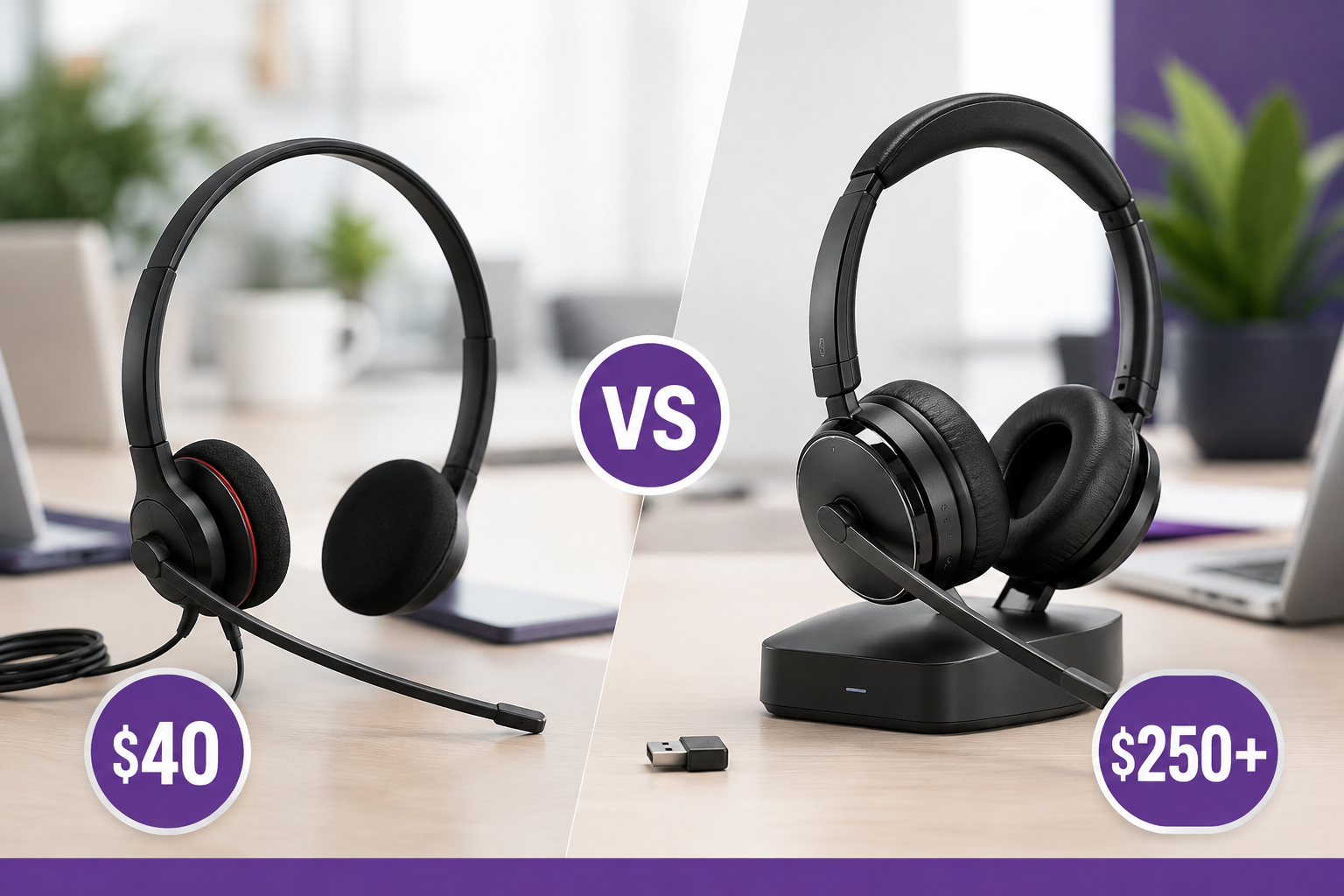
Choose lower-cost products to stretch their budget
While these strategies can help in the short term, they can also introduce new challenges. Lower-cost equipment may not deliver the same performance, potentially leading to reduced productivity or increased replacement frequency.
Finding a Smarter Replacement Strategy

The most effective approach balances performance, cost, and long-term planning.
Instead of waiting for failures or making compromises on quality, organizations should aim to:
-
Establish a realistic lifecycle for headset replacement
-
Align upgrades with business goals and communication needs
-
Avoid mixing too many different headset models across teams
-
Consider total cost of ownership, not just upfront pricing
By taking a more strategic view, businesses can maintain high performance without creating unnecessary disruption.
A Flexible Option for Budget-Conscious Organizations

For organizations that want to stay current without large upfront costs, leasing can be an attractive alternative.
Headset Advisor offers an affordable lease program designed to simplify headset management and budgeting. With low monthly rates, businesses can deploy the equipment they need without delaying upgrades or compromising on quality.
The program includes:
-
Business-grade headset solutions
-
Replacement accessories throughout the lease term
-
A full warranty that covers the entire 3-year period
-
A complete equipment refresh at the end of the lease
This means you’re never stuck using outdated or problematic equipment. Instead, your team always has access to reliable, up-to-date tools that support consistent communication.
This approach also makes budgeting more predictable, allowing organizations to plan ahead without large capital expenditures.
Keeping Your Team Equipped for Success
Headsets may seem like a small part of your overall technology stack, but they play a major role in daily operations. Whether your team is handling customer calls, coordinating emergency response, or collaborating internally, clear communication is essential.
Taking a proactive approach to headset replacement helps ensure your team can perform at their best without unnecessary interruptions or frustrations.

If you have questions about the best time to replace your headsets, want to explore our lease program, or need a tailored product recommendation, contact us at Headset Advisor. One of our trained Advisors can help you find a compatible solution that’s perfectly suited to your environment and needs