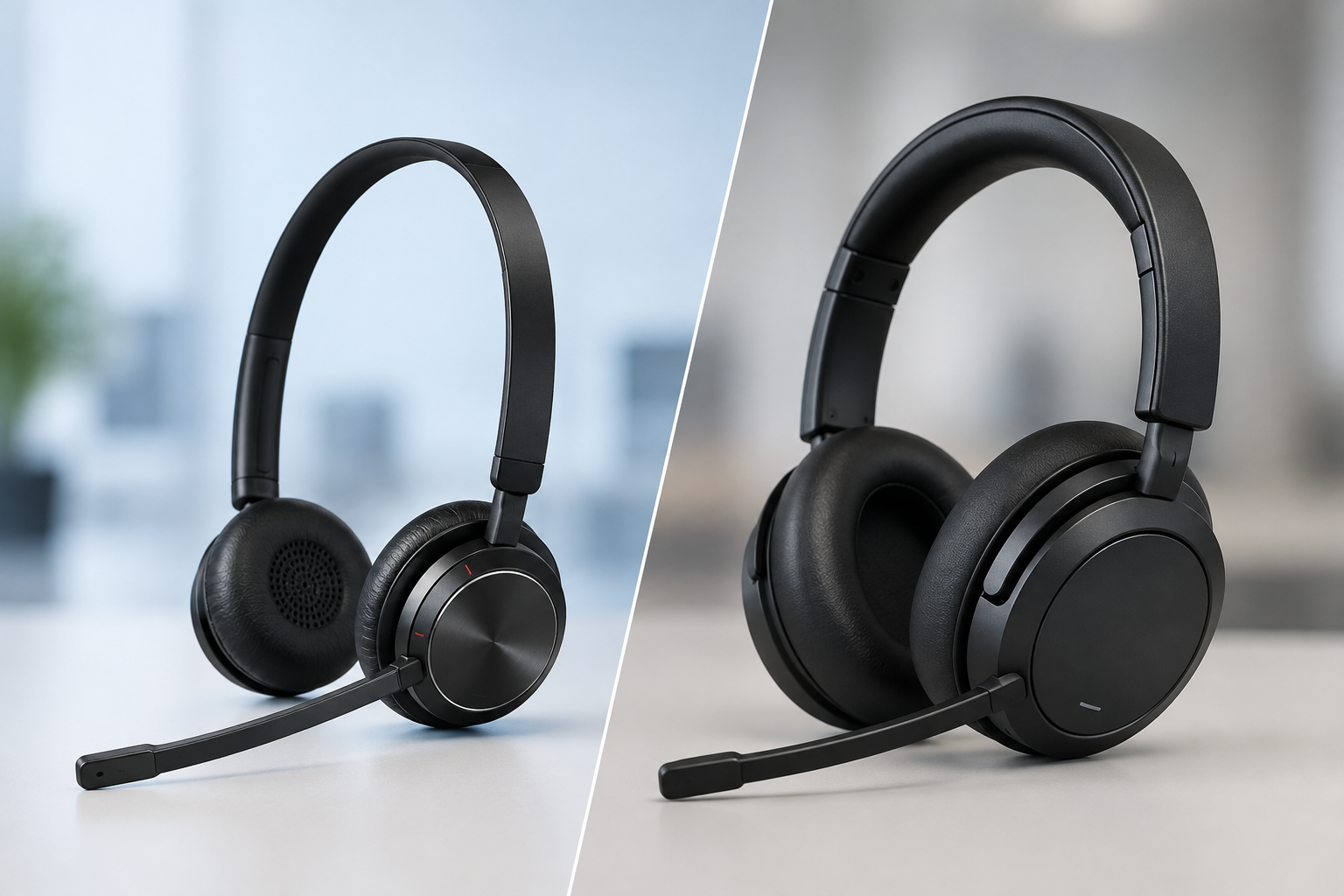
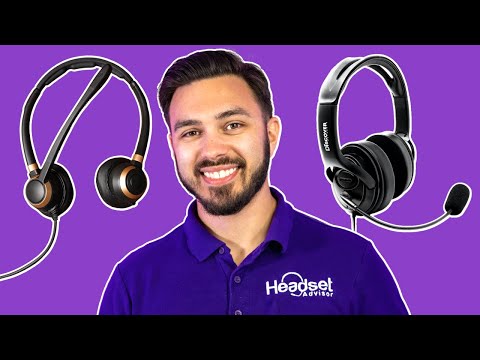
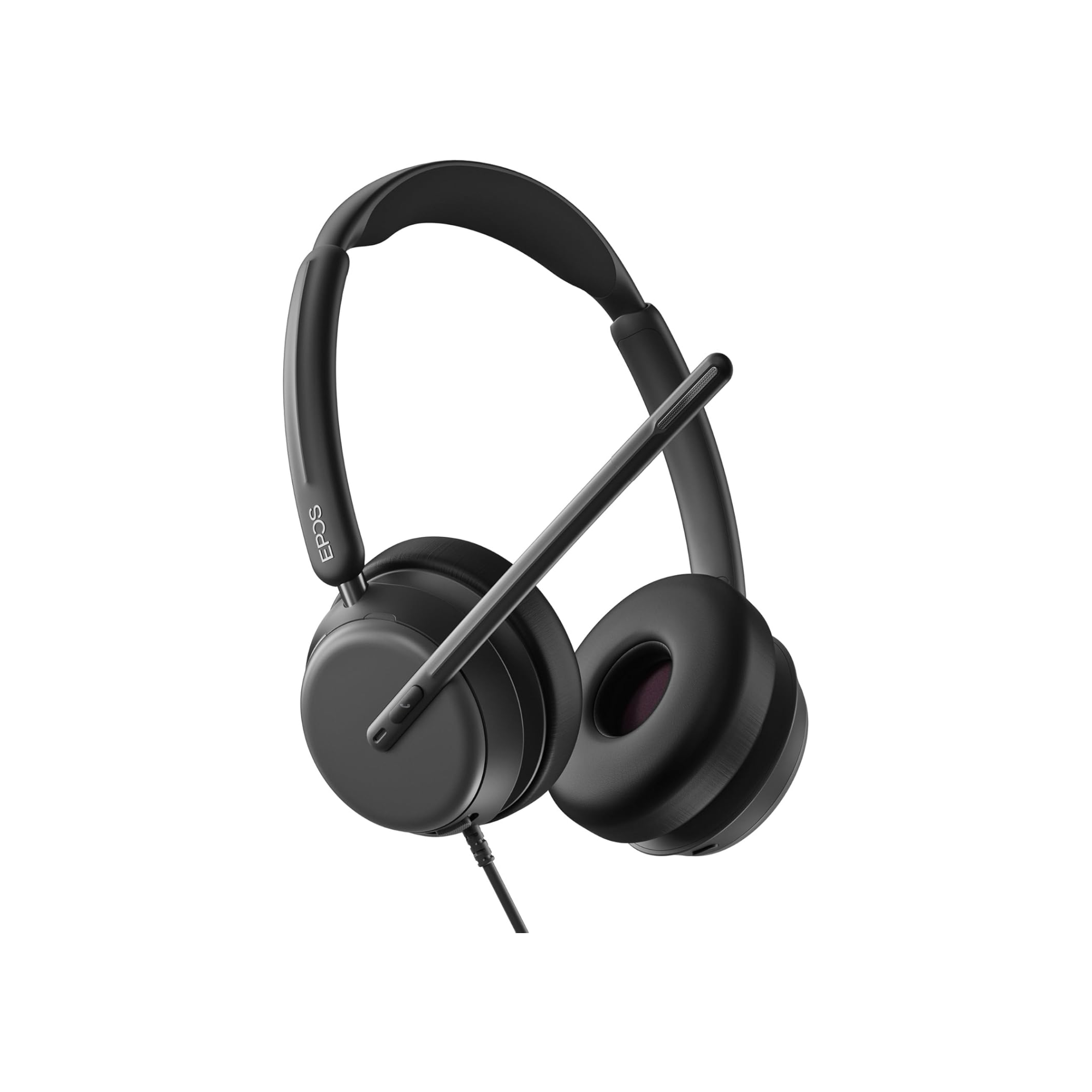
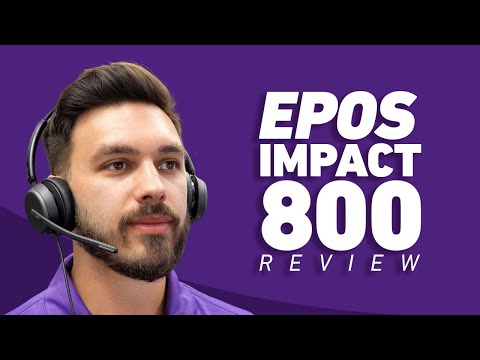
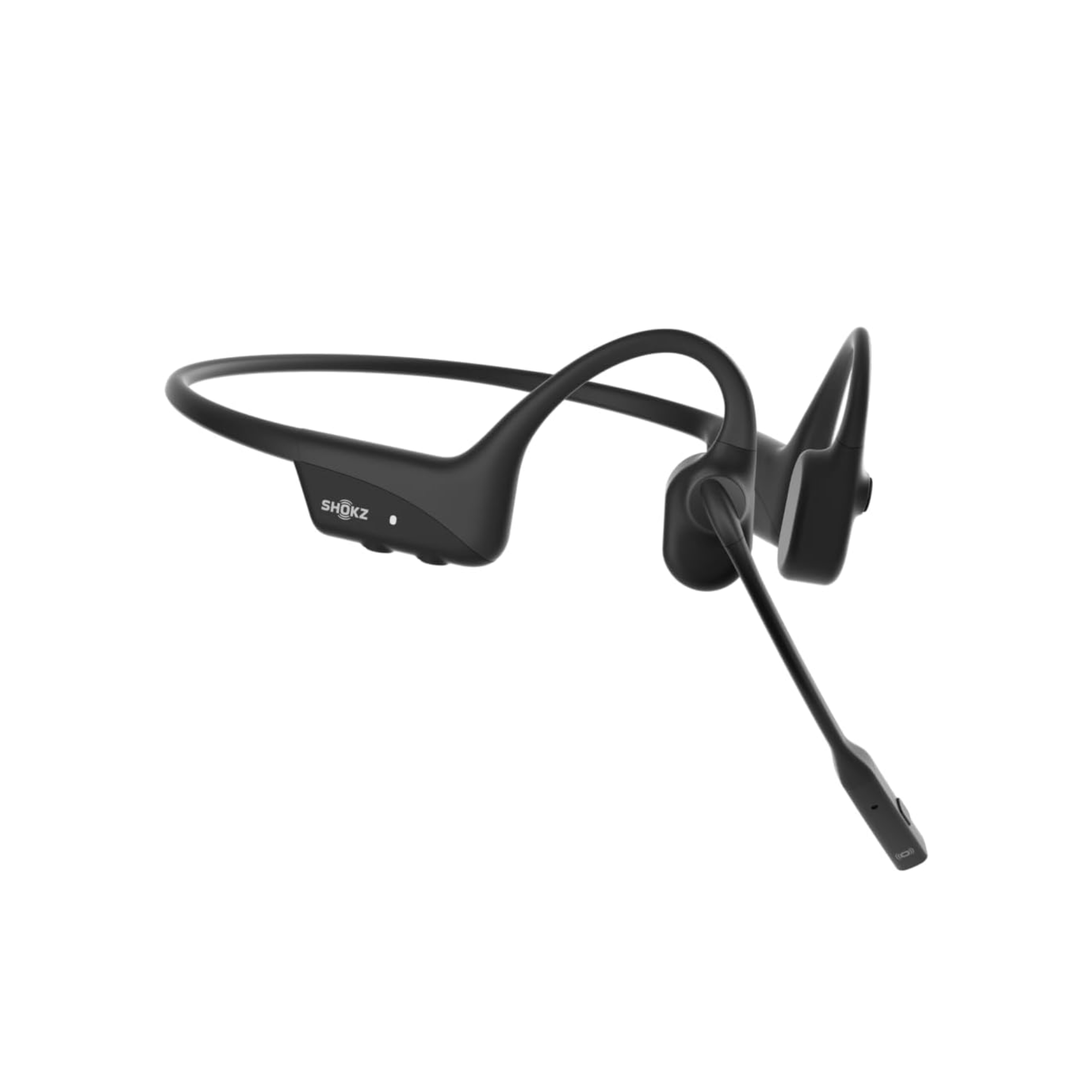
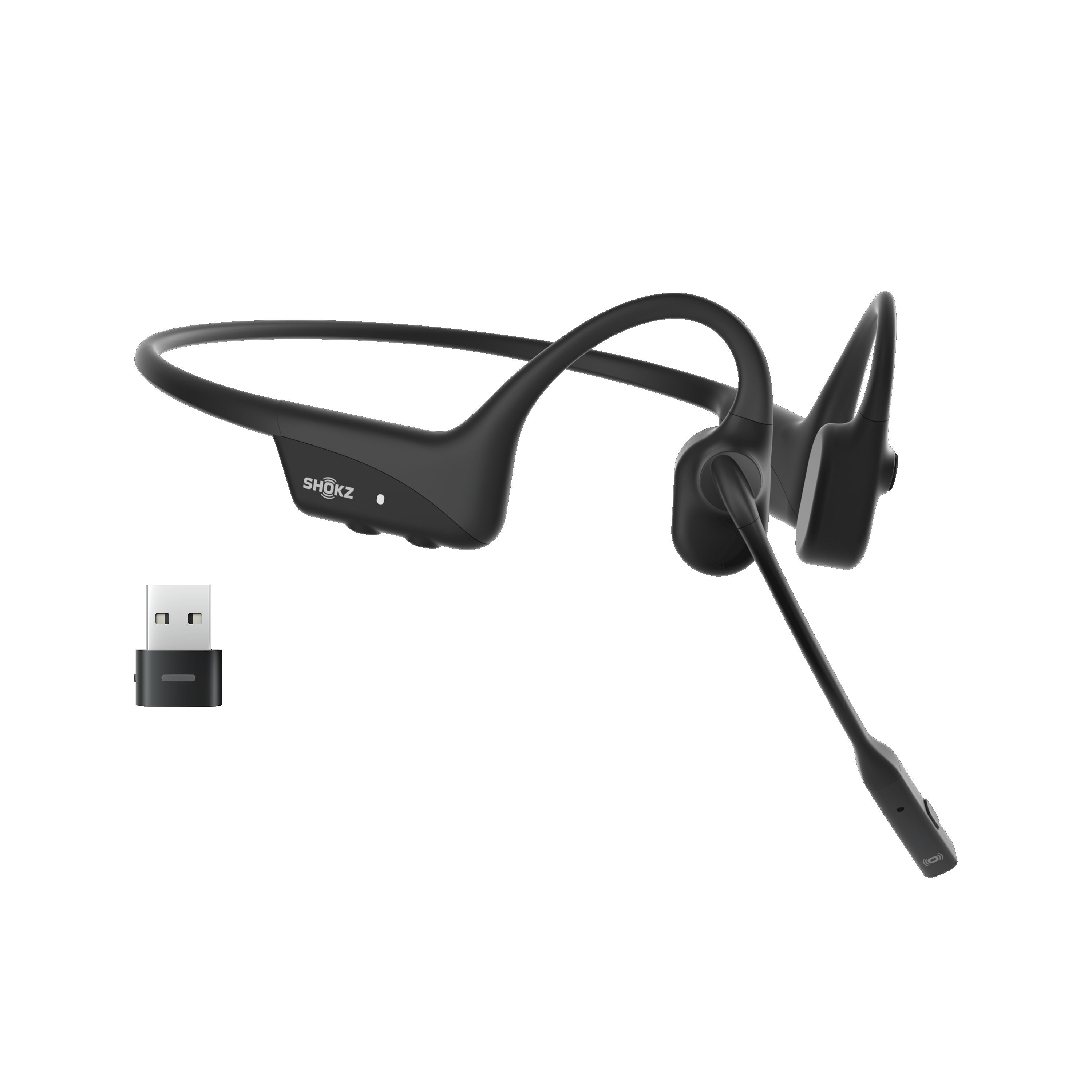
Do you want the best headset?

Whether you're a financial advisor discussing retirement planning, an insurance agent helping a client understand coverage options, a mortgage professional reviewing loan details, or someone who works in banking assisting customers, communication plays an important role in the success of your business.
Financial services professionals spend a significant portion of their day on phone calls, video meetings, and client consultations. In many cases, those conversations can involve sensitive financial information that can lead to important decisions. When communication isn't clear, professionalism can suffer, misunderstandings can occur, and productivity can decline.
That's why taking time to choose the right headset is important so your daily communications are consistently clear and professional sounding.
Before investing in new headsets, here are several important considerations worth evaluating.
Clear Communication Builds Client Confidence

Clients expect professionalism especially when discussing things like investments, insurance policies, mortgages, retirement planning, and other financial matters. Background noise, poor microphone quality, and unclear audio can create distractions that undermine confidence during important conversations.
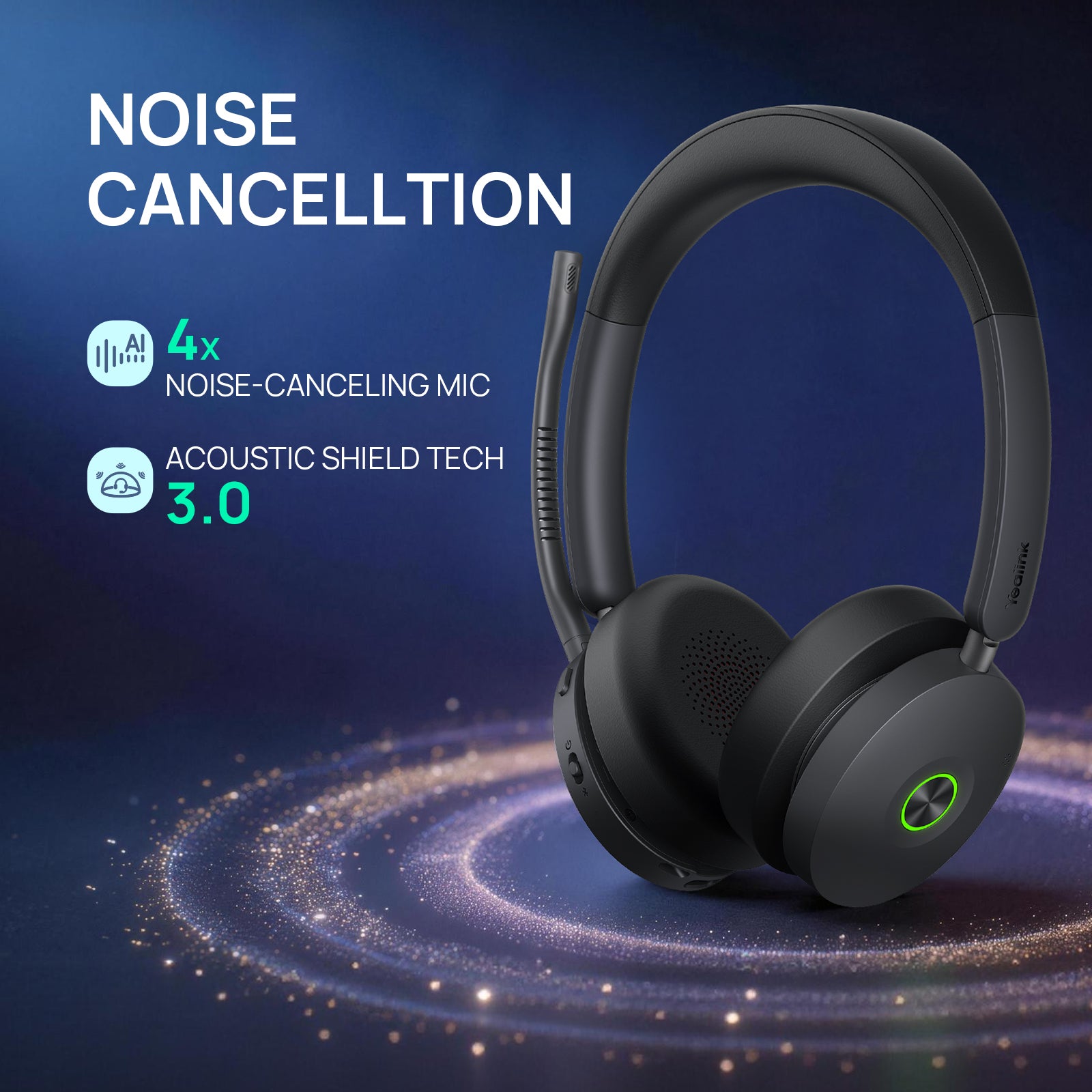
A quality business headset can help ensure your voice remains clear and professional while reducing unwanted background noise.
Features worth considering include:
- Noise-canceling microphones
- Wideband audio
- AI-powered noise reduction
- Professional-grade microphone performance
- Affordable software to enhance voice quality, and reduce background noise
AI Noise Cancellation Can Further Improve Call Quality

While a quality headset microphone can significantly reduce unwanted background noise, no headset is able to remove all the noise. Software-based noise cancellation can add another layer of protection against distractions.
For financial professionals who regularly work from home, in hybrid environments, or in busy offices, AI-powered noise cancellation software such as neep can help improve communication clarity by removing unwanted background noise from both sides of a conversation.
This means clients are less likely to hear distractions such as:
- Nearby conversations
- Barking dogs
- Office noise
- Keyboard typing
- Household sounds
neep learns your voice, enhances it, and then isolates it from other voices or noise so you come across to your clients loud, clear and consistent.
Because financial discussions often involve important decisions and sensitive information, reducing distractions can help improve focus, minimize misunderstandings, and create a better overall client experience.
When combined with a professional-grade headset, AI noise cancellation software can help ensure that conversations remain focused on what matters most, the client.
To learn more about neep, or to request your free trial, go to neep.com
Mobility Can Improve Productivity

Financial professionals don't always remain seated at a desk.
During the course of a day, you may need to:
- Retrieve client files
- Consult with coworkers
- Access printers or scanners
- Review documents in another office
- Move between conference rooms
- Grab a fresh cup of coffee
A wireless headset allows you to continue conversations while remaining productive.
This is where wireless range becomes especially important. Not all wireless headsets provide the same range. Bluetooth headsets, for example, are popular, but they typically offer shorter wireless range than DECT wireless headsets.
Bluetooth headsets will typically provide up to 100 feet of range, with most giving you range that’s closer to 50-60 feet. By comparison, DECT headsets provide up to 350 feet, with some models that expand the range up to as much as 600 feet.
To watch a short one minute side by side wireless range test between Bluetooth and DECT on a football field, go here.
For larger offices and financial institutions, a long-range wireless solution can provide significantly more freedom to move while remaining connected.
DECT vs Bluetooth: Understanding the Difference

Many financial services organizations automatically gravitate toward Bluetooth headsets because they're familiar with the technology. However, Bluetooth isn't always the best choice.
DECT wireless headsets often provide:
- Greater wireless range
- Improved connection stability
- Reduced wireless congestion in headset heavy environments
- Enhanced call security
- Better performance in larger office environments
For professionals who spend most of their day near their desk, Bluetooth may be a perfectly good solution. For those who regularly move throughout the office while remaining on calls, DECT may be a better choice..
Consider What Devices You Need to Connect To

One of the most common mistakes organizations make is selecting a headset before fully understanding connectivity requirements.
Financial services professionals often use a combination of:
- Desk phones
- Microsoft Teams
- Zoom
- RingCentral
- Mobile phones
- Computers and laptops
The more devices a user needs to connect to, the more important headset flexibility becomes.
Some headsets offer limited connectivity, while others can serve as a communication hub that allows users to move seamlessly between multiple devices throughout the day.
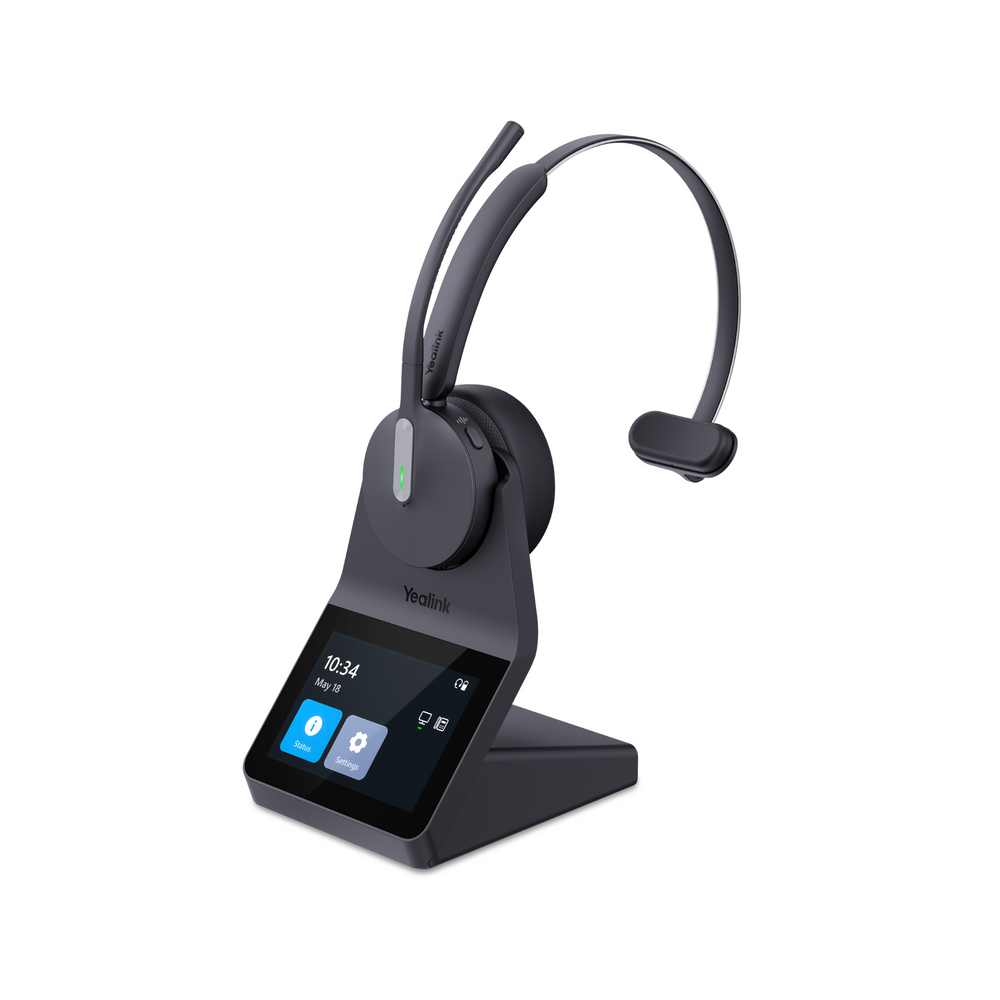
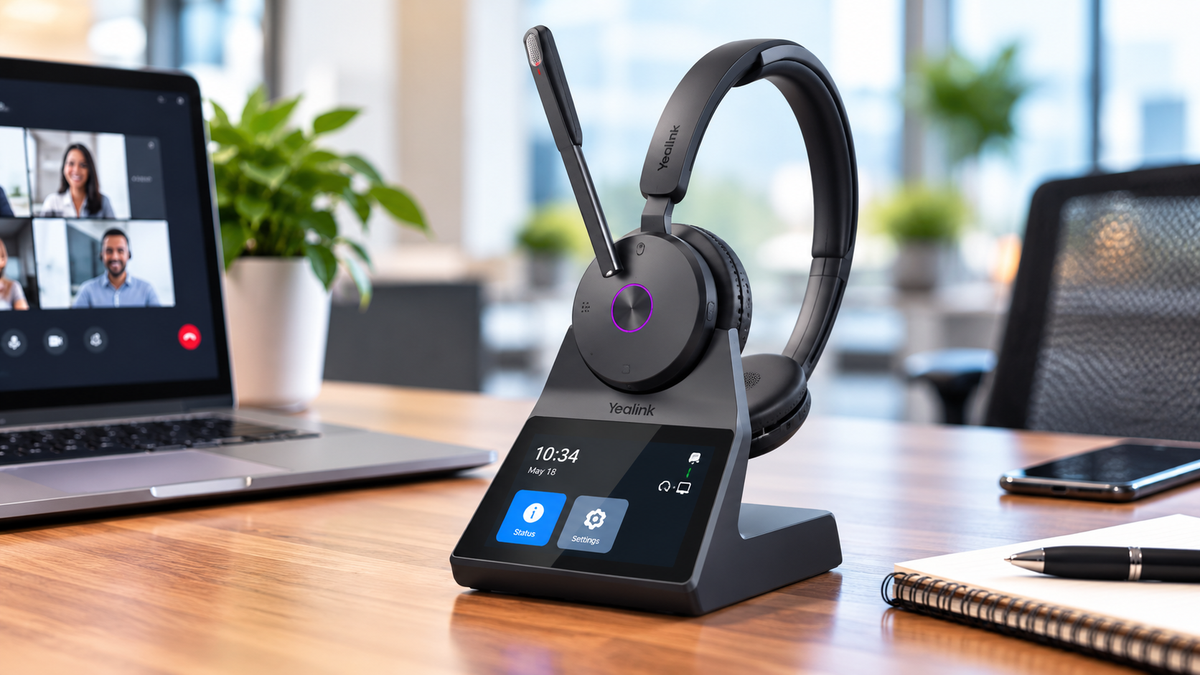
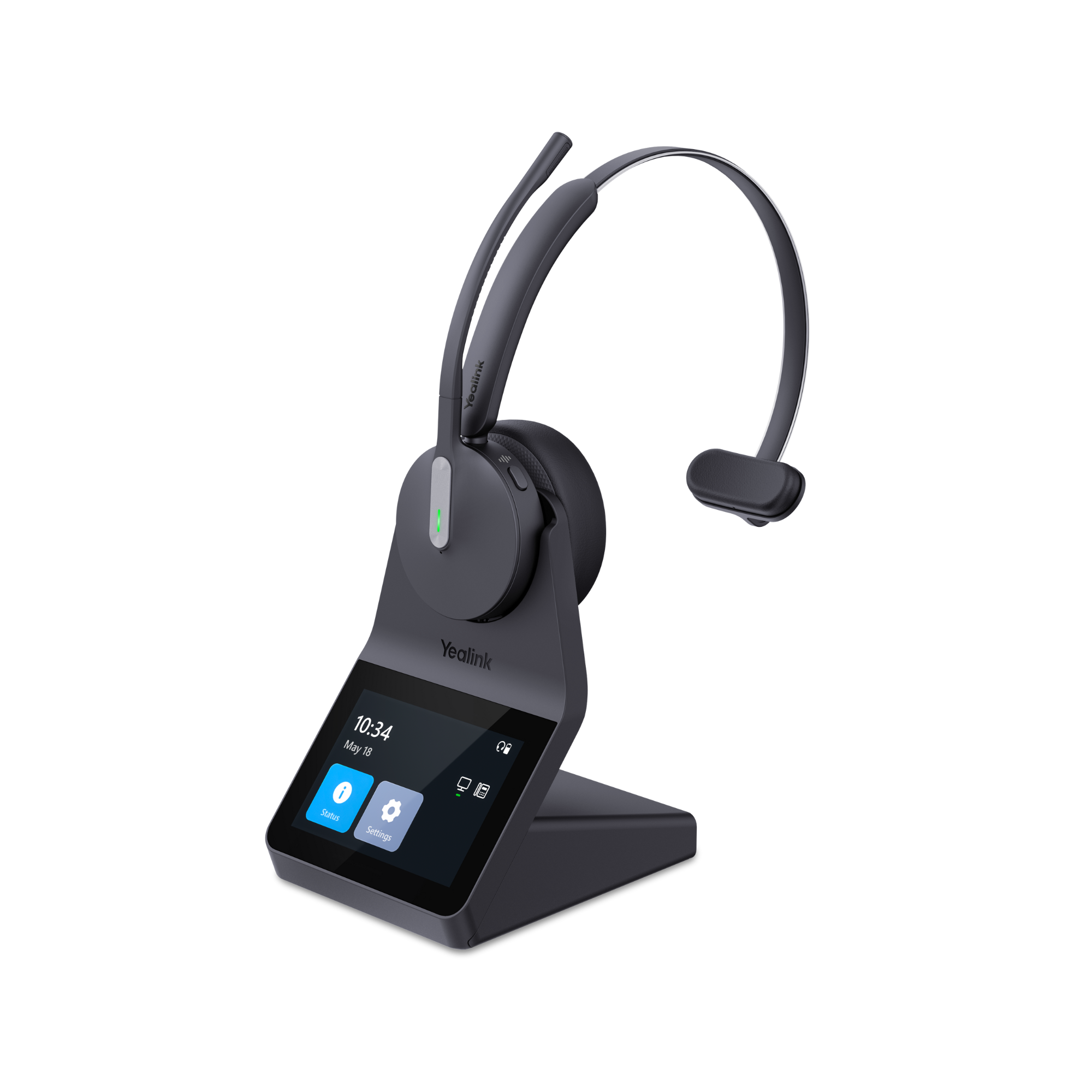
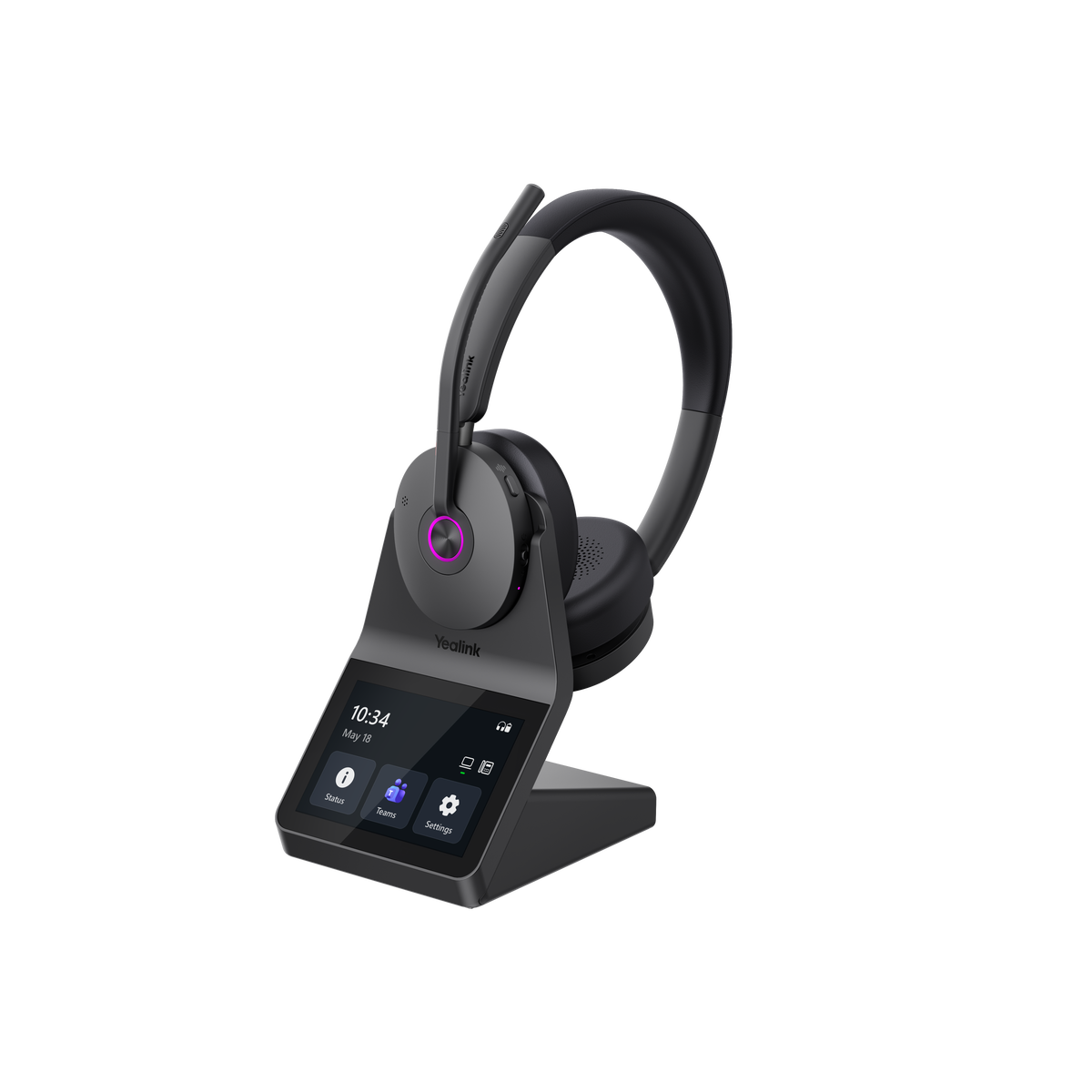
Solutions like the Yealink HA64 Pro provide connectivity to desk phones, computers, and mobile devices, helping simplify communications without requiring multiple headsets. Having the ability to connect to all your devices not only saves money, but offers convenience.
Mono or Stereo: Which Is Right for You?

Choosing between a mono and stereo headset often comes down to personal preference and work environment.
Mono Headsets
Mono headsets leave one ear uncovered, making them a popular choice for professionals who want to remain aware of their surroundings.
This style may be ideal for:
- Reception personnel
- Branch managers
- Financial advisors
- Insurance agents
- Employees who frequently interact with coworkers or the public
Stereo Headsets
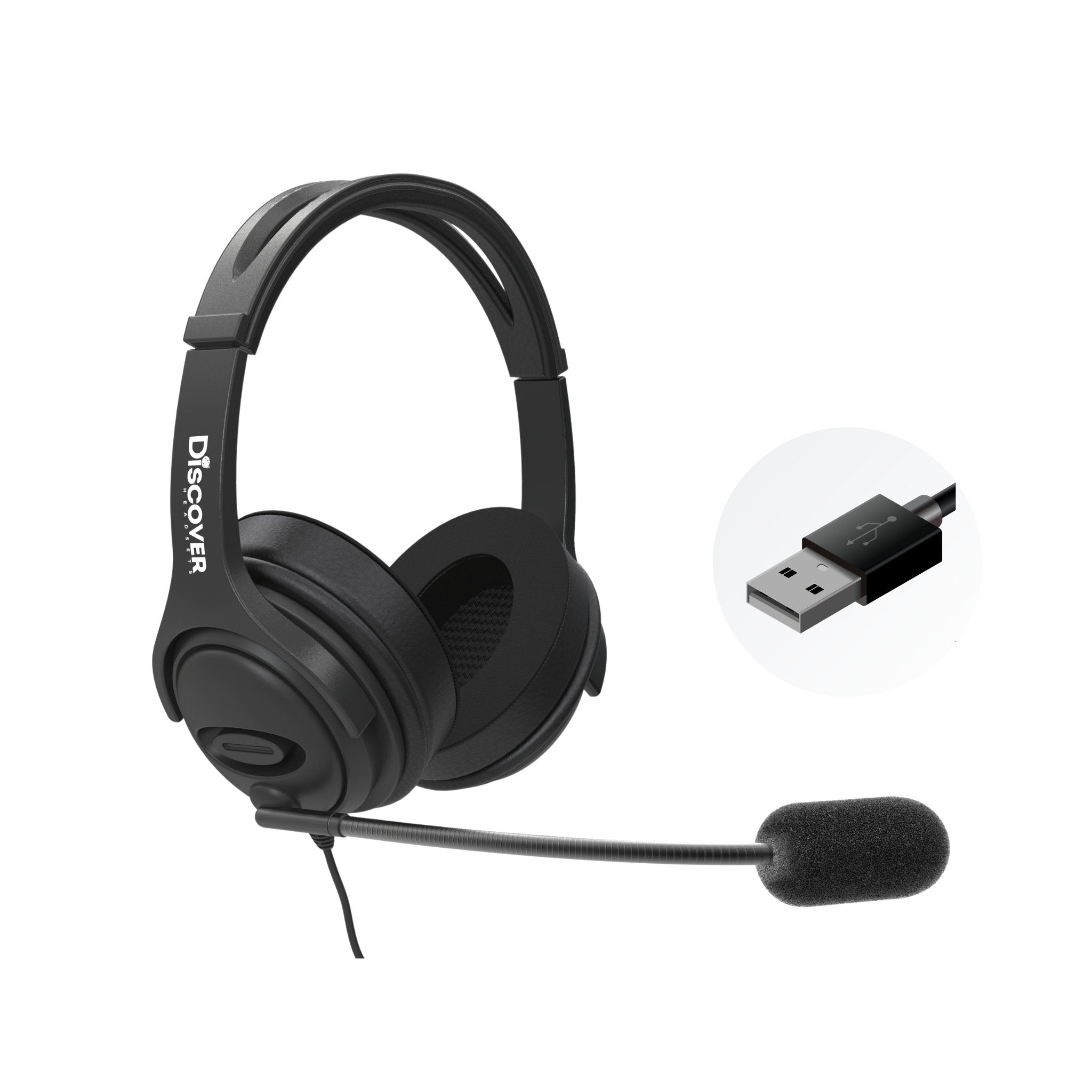
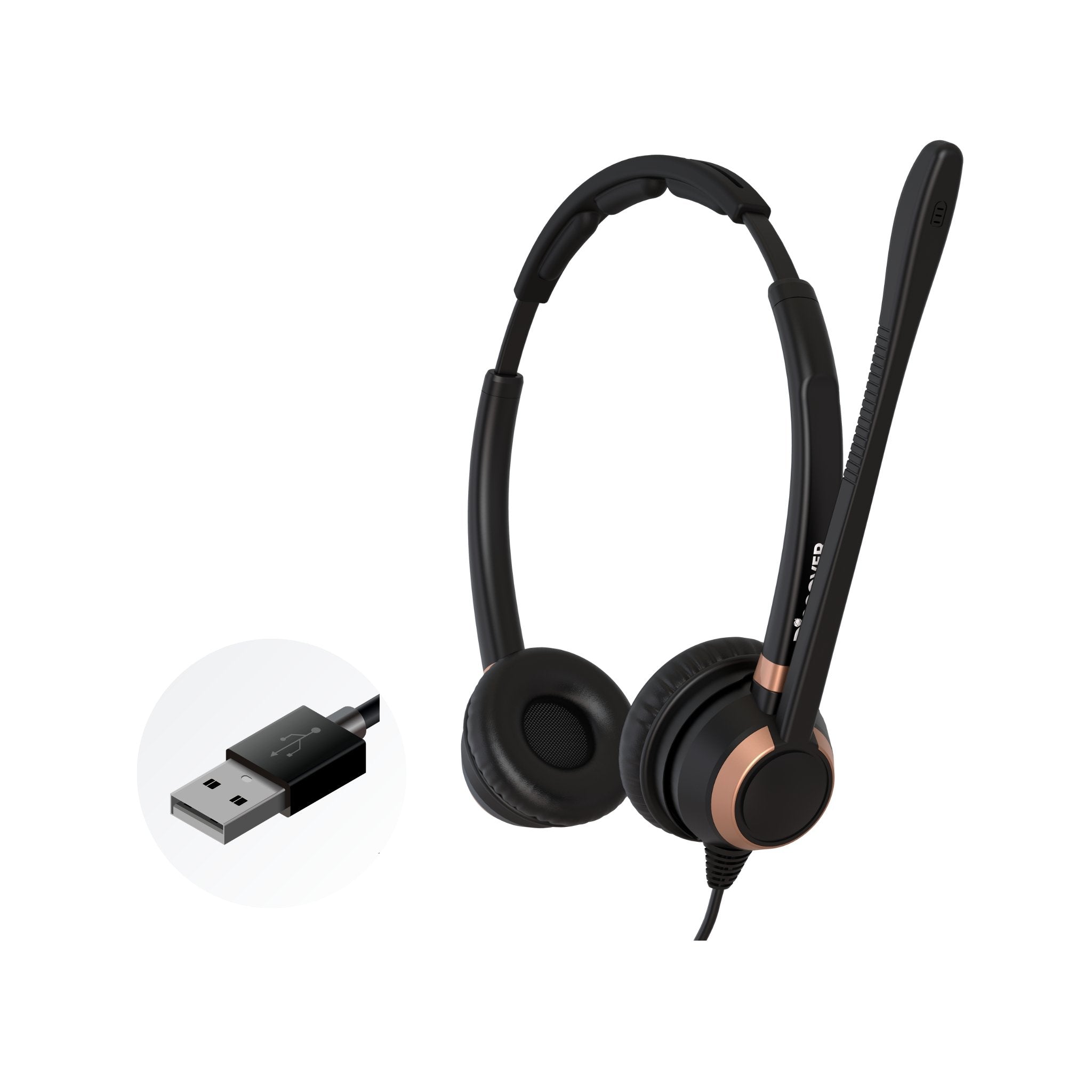
Stereo headsets cover both ears and help reduce surrounding distractions.
These are often preferred by users who:
- Spend significant time on video meetings
- Work in noisy environments
- Need greater concentration
- Prefer a more immersive audio experience
The good news is that many modern headset families offer both mono and stereo versions, allowing organizations to choose the style that best matches each employee's needs.
If you'd like to learn more about choosing a mono or stereo headset, you may be interested in our blog titled: "mono vs stereo headsets, which is right for your work environment"
Video Meetings Have Changed Expectations

Video conferencing has become a standard part of business communication. What was once an expensive technology to acquire, that required groups to meet in a conference room, is now affordable, and available on the desktop.
Whether you're meeting with clients through Microsoft Teams, Zoom, Webex, or Google Meet, audio quality often matters more than video quality. As long as people can hear you well, they can accept image quality that may be lacking.
A professional headset helps ensure:
- Clear voice audio quality
- Reduced background noise
- Greater meeting professionalism and image
- Better headset comfort
Clients may forgive an occasional video issue. Poor audio quality is much harder to overlook.
IT Departments Often Have Their Own Requirements
Financial organizations frequently maintain strict IT and security policies. Because of this, IT considerations should be part of the buying process from the beginning. This means that you should talk with the IT department before making purchase decisions.
Some organizations prefer solutions that minimize software installations and simplify support.
For example, some headsets require software downloads in order to access different headset features. However, there are some modern solutions that allow users to access a wide variety of settings directly from the headset base bypassing the need to download software.
The Yealink HA64 Pro features an interactive touchscreen base that allows users to manage many settings without relying on software installations, which can simplify deployment, help to conform to IT regulations and reduce support requirements.
If you work in IT, you might gain some insights by reading our blog titled: How IT Directors Can Improve Headset Management Across the Enterprise
Coaching, Training, and Employee Development

Training plays an important role within financial organizations.
New advisors, customer service representatives, banking staff, and insurance agents often benefit from coaching and real-time guidance.
Some headset systems support dual-headset connections that allow supervisors to monitor conversations and provide coaching assistance without physically sitting next to the employee. So rather than coaching after the fact, it can be done in real time which is much more effective.
This can be especially valuable in larger offices, training environments, and customer service departments.
Comfort Should Never Be Overlooked

Many financial professionals wear headsets for several hours each day for phone calls or video meetings. These calls can go on for long periods of time, which raises the question of comfort.
Even the best audio quality won't matter if the headset becomes uncomfortable after a few hours.
When evaluating headset options, consider:
- The weight of the headset
- Headband design (adjustable, padded, hammock design etc)
- Ear cushion materials like foam and memory foam
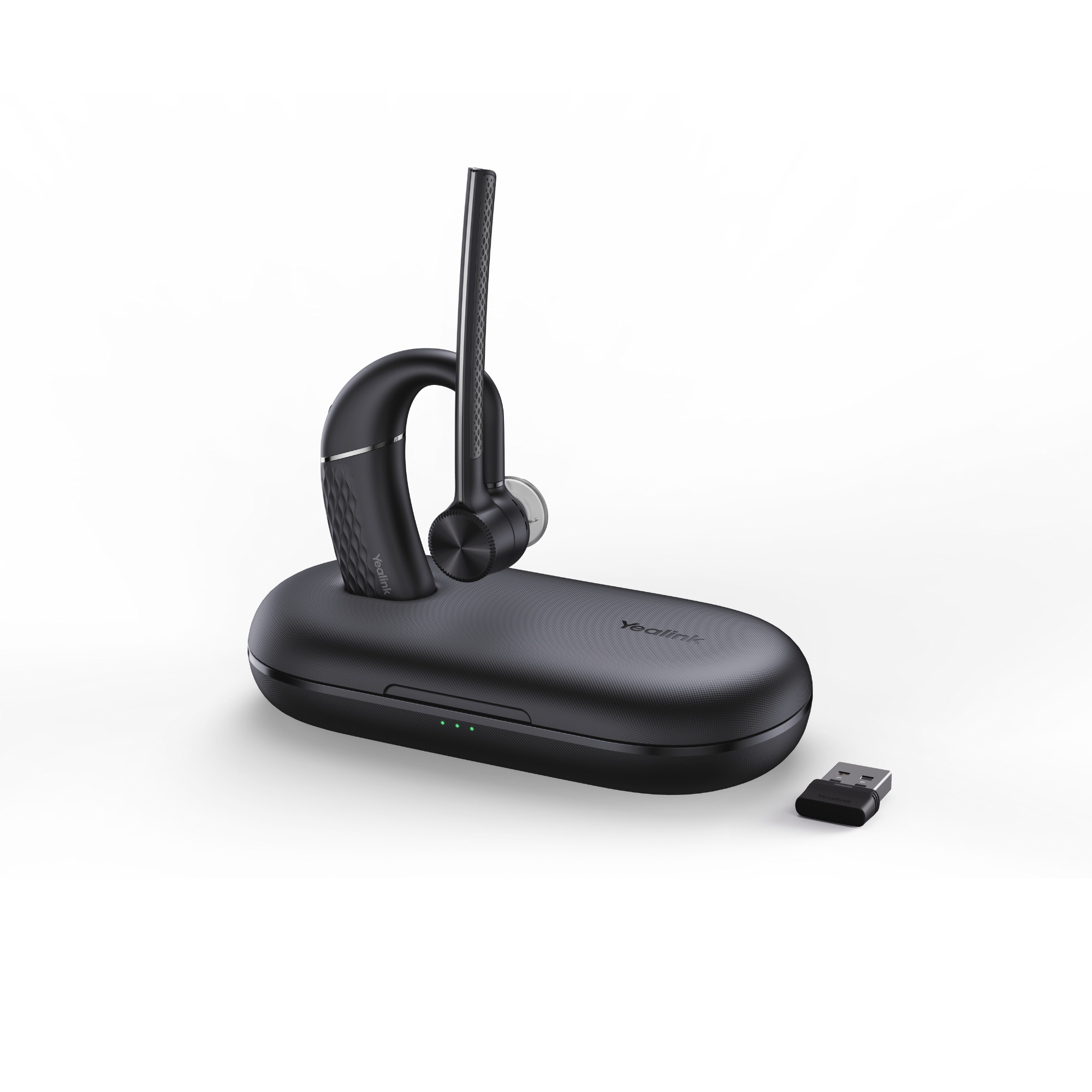
- Wearing style options like mono, stereo, convertible, earpiece, neckband
- Overall fit
Comfort directly impacts user adoption. If employees don't enjoy wearing a headset, they are far less likely to use it consistently. And not using it can bring audio quality, background noise, productivity and company image into question as well as employee health and well-being.
To dive deeper into the topic of headset comfort, consider checking out our blog titled: How to Choose a Comfortable Headset for All-Day Use
Budget Matters, But So Does Long-Term Value

Cost is always a consideration.
However, focusing exclusively on purchase price can sometimes lead organizations toward solutions that create greater costs over time.
When evaluating headset investments, consider:
- Product projected lifespan
- Warranty details
- Replacement accessories
- Technical support availability from the vendor or manufacturer
- Vendor background - specialist with experience, or generalist that dabbles
- Upgrade options
Sometimes spending slightly more upfront can result in lower overall ownership costs over the life of the product. In particular if you receive professional vendor advice and guidance that leads you to the right, compatible solution.
Leasing and Trade-In Programs Can Reduce Costs

Many organizations are unaware that alternatives to outright purchasing exist. Most will just use a purchase order, or company credit card. There is another option that you should know about.
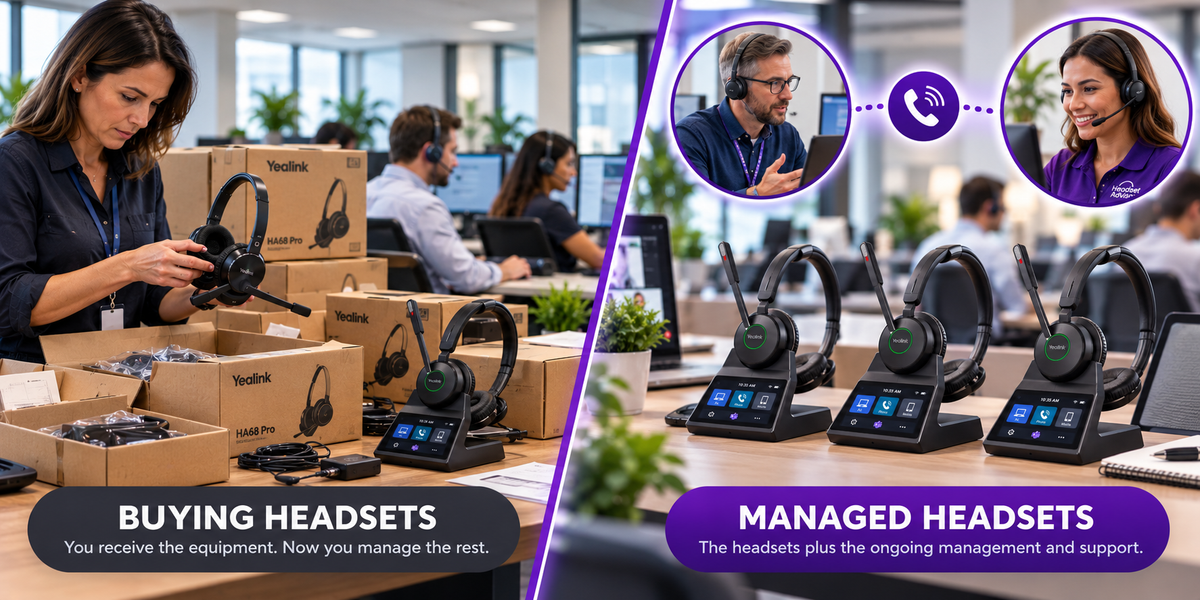
Leasing programs can help organizations acquire needed equipment while preserving capital budgets and maintaining predictable monthly expenses. Leasing headsets can be more convenient too because it may include replacement accessories, a non-expiring warranty, set up assistance, and free technical support when needed.
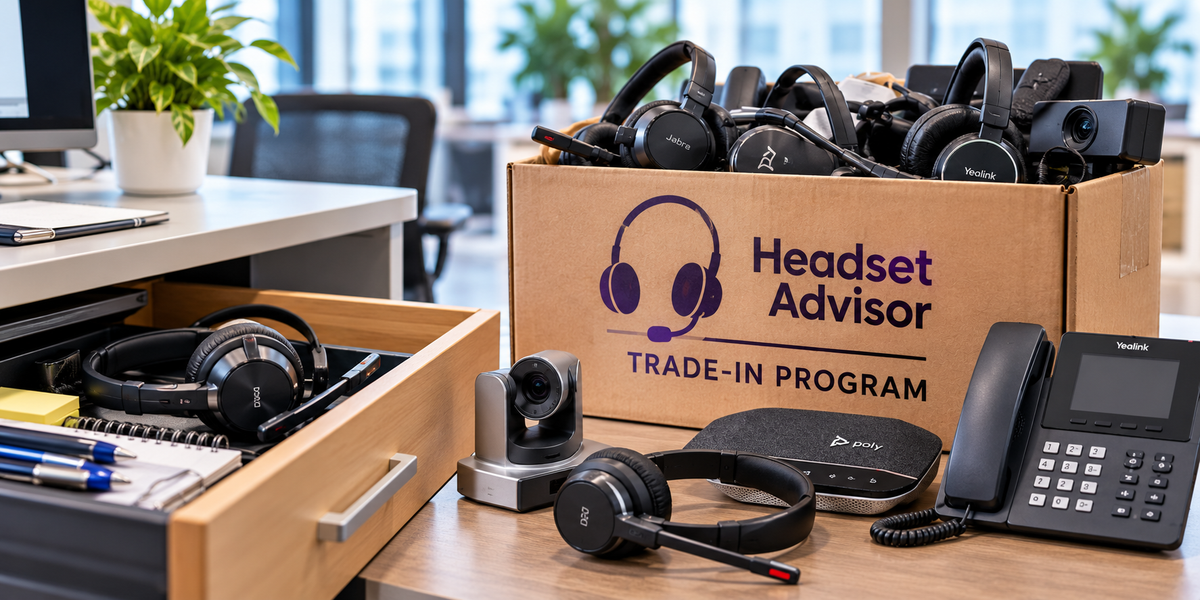
Trade-in programs may also help offset costs. Many offices have older headsets sitting unused in storage rooms, cabinets, or equipment closets. Those devices may still hold value and can often be applied toward the purchase of new equipment, or towards the monthly payment when leasing.
When you combine leasing and trade-in programs, it can make upgrading communication technology far more affordable. No waiting for capital equipment funding to be approved, no buying fewer units than what you need, and no compromising on a lesser product. Leasing allows you to get exactly what you need, when you need it, affordably.
To expand on the subject of affordability, you may get more information from our blog titled How to Make Business Headsets More Affordable for Your Team, Without Cutting Corners.
Don't Overlook the Vendor

The headset itself is clearly important, but so is the company supporting it.
When evaluating suppliers, consider:
- Years in business
- Industry expertise
- Online reviews
- Technical support resources
- Setup assistance
- Replacement accessory availability
- Leasing options
- Trade-in programs
The right vendor can help simplify deployment, reduce returns and exchanges, minimize frustration, and ensure users receive the support they need long after the sale. In short, deploying headsets is much easier when you’re aligned with a knowledgeable, professional vendor who specializes in headsets.
Final Thoughts
Financial advisors, insurance professionals, bankers, mortgage specialists, and customer service teams all rely on clear communication to serve clients effectively.
Choosing the right headset involves more than simply selecting a model with good audio quality. That’s not to say that audio quality isn’t important, because it is. But, connectivity, wireless range, noise cancellation, comfort, IT requirements, training capabilities, and vendor support should also play a role in the decision-making process.
Have Questions Or Need Some Help?

If you have questions about selecting the right headset solution for your financial services organization, the team at Headset Advisor is here to help. We've been helping customers improve their communications since 1994, we’ve earned over 800 five star Google reviews, and provide expert guidance, setup assistance, trade-in programs, leasing options, and free technical support to help ensure your deployment is easy, compatible and successful.
Don't hesitate to contact us if you have questions, or need some expert assistance.
Frequently Asked Questions
What type of headset is best for financial advisors?
Many financial advisors prefer wireless headsets that provide excellent microphone quality, long battery life, and connectivity to computers, phones and mobile devices. The best choice depends on your specific needs, work environment, and preferred wearing style. Budget can play a role as well, though leasing helps to make it easier to get the products needed.
Are wireless headsets secure for financial services?
Yes. Business-grade wireless headsets are widely used in financial services environments. DECT wireless headsets in particular are often preferred when organizations want enhanced call security and longer wireless range.
Is a mono or stereo headset better for financial professionals?
Both have advantages. Mono headsets help users remain aware of their surroundings, while others may not like the isolation feeling caused by having both ears covered. Stereo headsets can help reduce distractions and improve focus by removing background noise passively, or electronically through the Active Noise Cancellation (ANC) feature found on many stereo headsets.
Why is noise cancellation important in financial services?
Financial conversations often involve sensitive information. Noise cancellation helps improve call clarity, reduce distractions, and create a more professional experience for clients. When distracting background noise is reduced or eliminated, it makes for a better, more productive and professional call.
Can one headset connect to multiple devices?
Many modern business headsets can connect to multiple devices, including computers, desk phones, and mobile phones. In many cases, headsets can maintain connectivity to two devices simultaneously.
Connectivity capabilities vary by model so it’s important to clearly understand what a headset connects to before making a buying decision.
Should financial organizations lease or buy headsets?
Both options can make sense depending on budget availability and limitations. Leasing can offer an attractive alternative to purchasing with a low, predictable monthly rate. Some lease programs also include replacement accessories, a warranty that covers you for the full term, set up assistance and free technical support when needed. For those with healthy budgets, purchasing may also be a good way to acquire new headsets.
Is wireless range important for financial services professionals?
It can be. Financial advisors, insurance agents, bankers, and mortgage professionals often need to move throughout the office while remaining connected to clients and coworkers. Long wireless range allows users to retrieve documents, access printers, consult with coworkers, move between offices, or simply grab a cup of coffee while on calls. This flexibility can have a meaningful impact on customer service and productivity.
For users who spend most of their day at a desk, wireless range may not be as important. However, for those who value mobility, a long-range DECT wireless headset can provide significantly more freedom than many traditional Bluetooth headsets, and wired models.
What is sidetone, and is it useful for financial professionals?
Sidetone allows you to hear a small amount of your own voice through the headset speaker while you're talking. This can help conversations feel more natural and may reduce the tendency to speak too loudly.
Many users find sidetone particularly helpful during long client calls, video meetings, and conversations in noisy environments. Some headsets offer only basic sidetone controls, while others provide multiple adjustment levels. For example, the Yealink WH64 Pro allows users to adjust sidetone settings directly from the touchscreen base, making it easy to customize the experience without requiring software downloads.