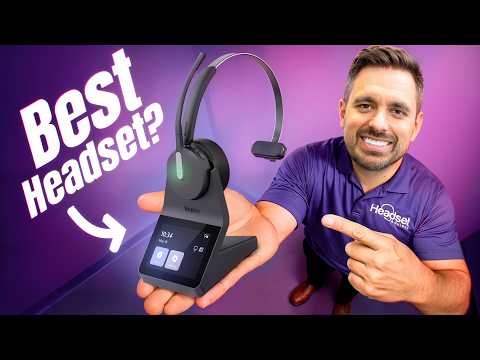
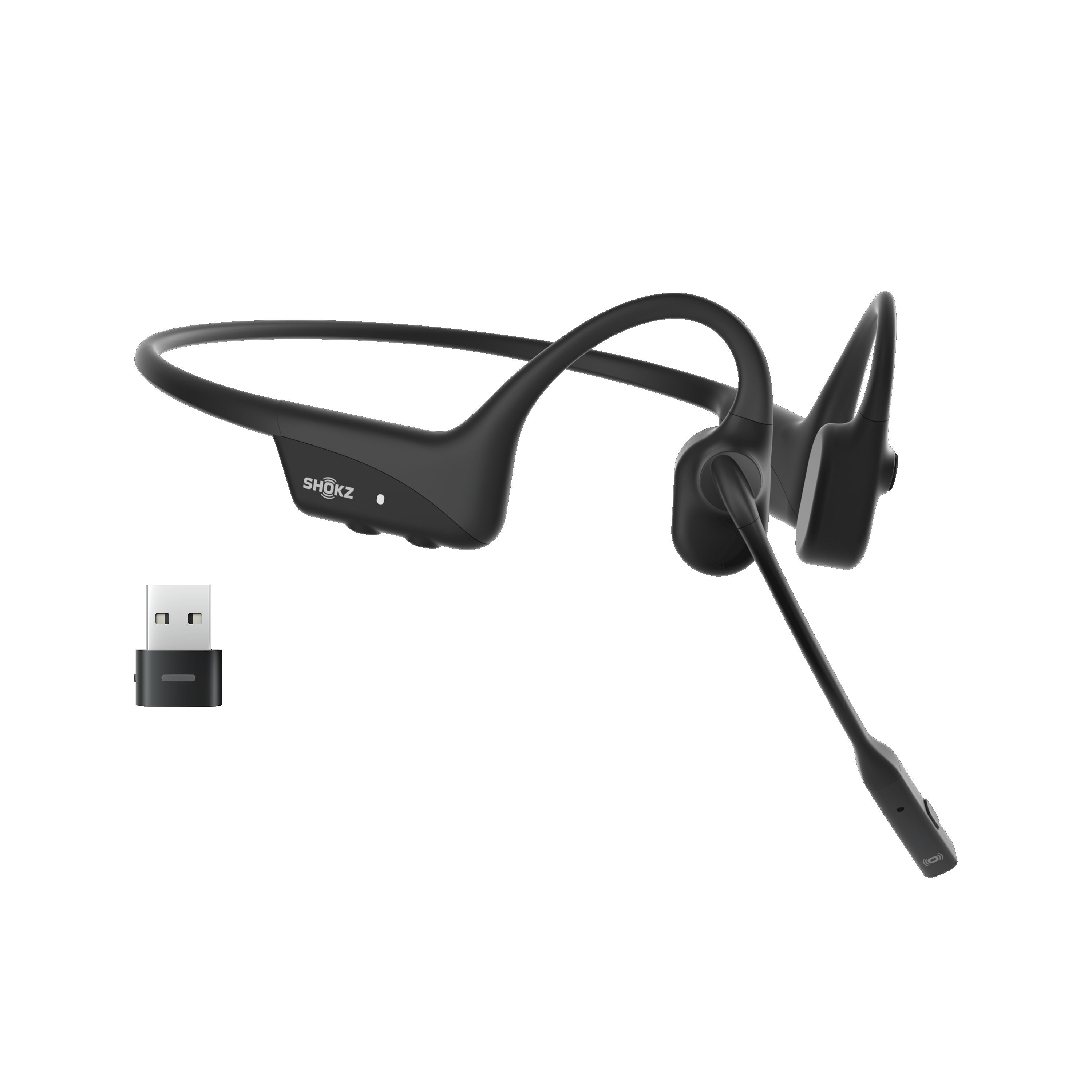
Do you want the best headset?

Outfitting a team with new business headsets isn’t always an easy decision. Besides the vast amount of models to choose from, there's the matter of the budget, and affordability.
Managers are often balancing limited budgets with real operational needs. That can lead to compromises like delaying upgrades, buying fewer units than needed, or choosing lower-cost headsets for office use that fit the budget, but might not fit the need.
On the surface, those decisions can seem practical especially when there doesn’t seem to be any other alternatives. But over time, they often create new challenges that end up costing you more than expected.
The good news is that there are practical ways to make upgrading your team’s headsets more affordable, while still getting the performance and reliability your team needs.
How can businesses make headsets more affordable?
Making business headsets more affordable comes down to reducing upfront costs and improving long-term value. Companies can lower expenses by trading in unused headsets, using available discounts, or leasing equipment instead of purchasing that same equipment outright.
Leasing is especially effective because it spreads costs over time, includes accessories and warranty support, and avoids large capital investments. By focusing on total cost of ownership rather than just the initial price, businesses can equip their teams with high-quality headsets without overspending.
The Hidden Cost of Lower-Cost Headsets

It’s easy to focus on the upfront price when buying headsets, especially if you’re outfitting a larger team. But the real cost tends to show up over time and in different ways.
Lower-cost or aging headsets can lead to:
-
Poor call quality and background noise issues
-
Employees repeating themselves during calls
-
Shorter lifespan and more frequent replacements
-
A less professional experience for customers
-
Employee dissatisfaction and discomfort
- Added costs for repairs or replacements
These small issues may not seem significant at first, but across a team, they add up quickly in lost time, frustration, and reduced productivity. Poor audio quality attributed to budget headsets can also contribute to reduced perception of you, your product or service, and your company.
Looking Beyond Price, Focusing on Value
Instead of asking what the lowest-cost option is, it’s often more helpful to look at the overall best value.
When evaluating business headsets, that usually comes down to:
-
Reliability in day-to-day use
-
Consistent audio quality
-
How long the headset will realistically last
-
Comfort
-
The level of support available
When you factor these in, higher-quality headsets often make more sense over time.
The goal isn’t to spend more, it’s to make the best buying decisions possible.
A Real-World Cost Comparison
To put this into perspective, consider a simple example.
You’re outfitting a team of 20 people with business headsets over a three-year period.
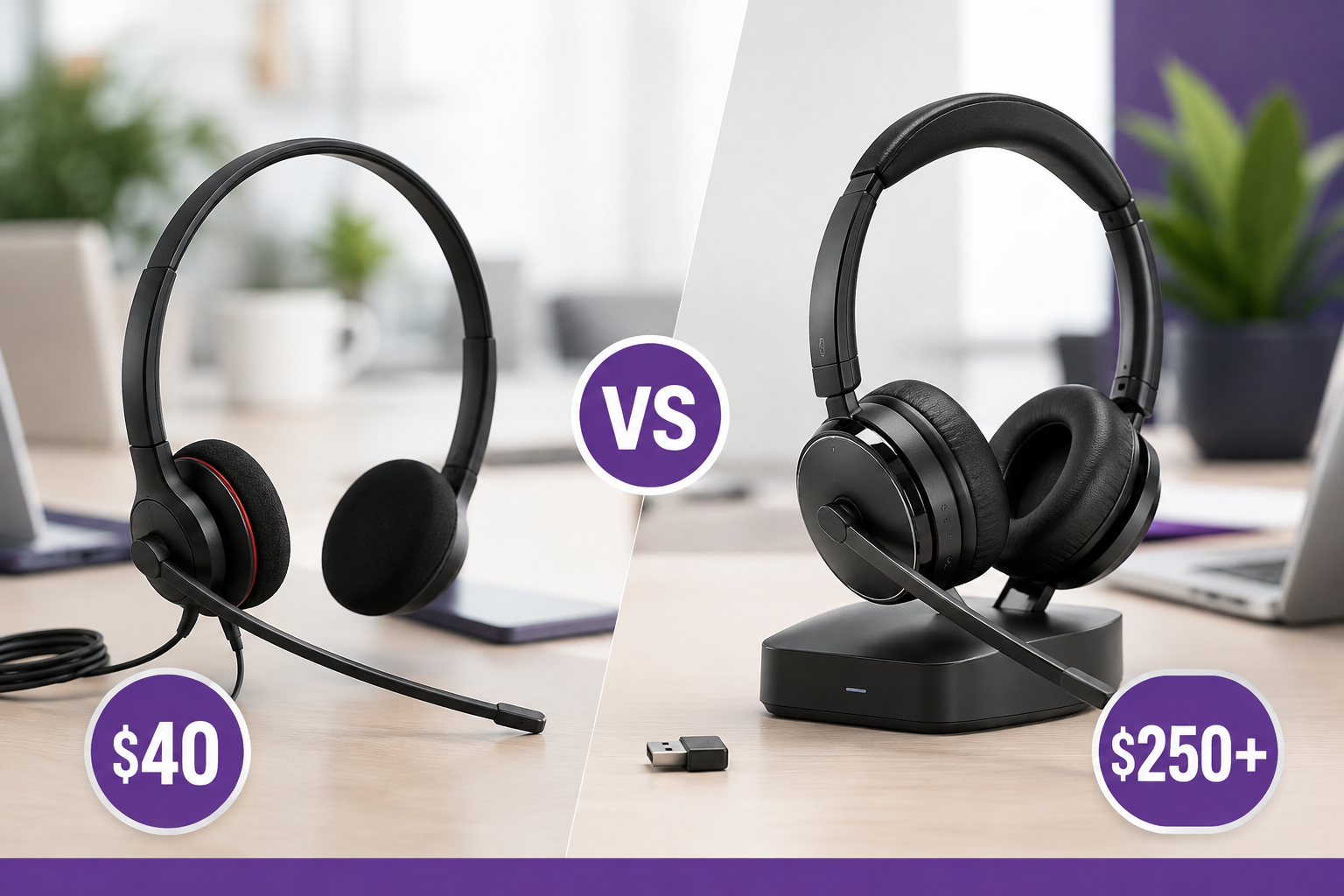
If you choose a lower-cost option, say at around $75 per unit, your initial investment is about $1,500. However, if those headsets need to be replaced after roughly two years plus, you’ll be purchasing them again, bringing your total closer to $3,000. Not to mention the administrative costs.
Now compare that to a higher-quality headset at $150 per unit. The upfront cost is higher, at around $3,000, but if those headsets last the full three years, or even longer, you avoid the need for replacement. Most good quality headsets are known to last as long as five years or more.
At that point, the total cost between the two options is essentially the same.
But that’s only part of the story.
Visualizing the True Cost
Here’s a clearer look at how these two approaches compare when you factor in not just purchase price, but time, effort, and long-term performance:

What This Really Means
While the upfront costs may look similar over time, the real difference comes down to everything happening behind the scenes. Here’s what I mean by that.
With lower-cost headsets, you’re also dealing with:
-
Time spent sourcing and reordering replacements
-
Internal approvals and purchasing processes
-
Administrative work to issue payments, especially if checks are involved
-
IT time for setup, troubleshooting, and redeployment
These costs don’t always show up in a budget report, but they are very real.
Higher-quality business headsets, on the other hand, are often built to last longer. That means fewer disruptions, less administrative overhead, and a more comfortable, consistent experience for your team.
Ways to Make Headsets More Affordable
If budget has been, or currently is a barrier, there are several practical ways to reduce costs without sacrificing performance and quality.
1. Trade In Old or Unused Headsets

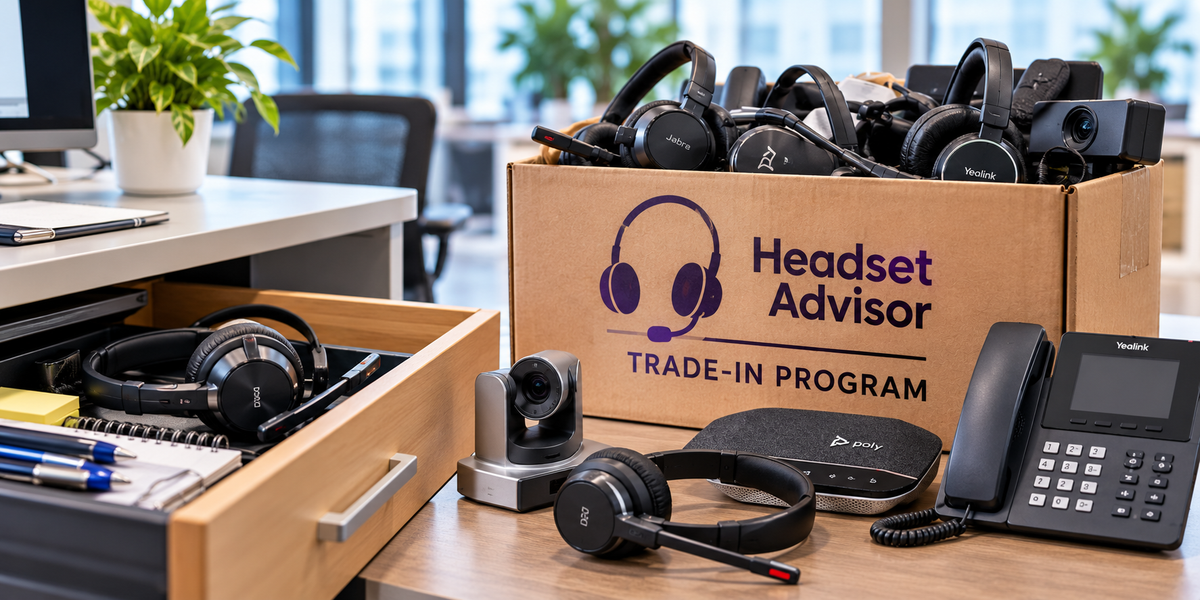
Many organizations have unused or outdated business headsets sitting in storage. And if you work for a large organization, I’m sure you know what I mean. It’s that box, or those boxes of old headsets packed away and sitting in a corner or on a shelf.
Instead of letting that equipment go to waste, trade-in programs can turn those headsets into credit toward new purchases. This can help lower your upfront costs, and can be especially impactful when upgrading a full team.
If you’re curious what your existing equipment might be worth, or how the process works, you can learn more about our headset trade-in program and how it applies credit toward new purchases by contacting us and speaking with one of our helpful Advisors.
2. Take Advantage of Available Discounts

Another simple way to reduce costs is by using available promotions offered by vendors.
For example, using the coupon code BLOG at checkout on Headset Advisor’s website can provide you with a nice discount on your order. When combined with trade-in credit, the savings can add up quickly especially when buying for a team.
So if you’re planning a purchase, even a modest discount can make a meaningful difference.
3. Consider Leasing Instead of Buying

For many organizations, the biggest challenge is the upfront investment which can be in competition with other areas of need within the business.
Leasing headsets for employees can be a practical alternative because it spreads the cost over time and shifts it to an operational budget item.
If leasing is something you haven’t explored before, you can learn more about this unique program and what’s included over the term here.
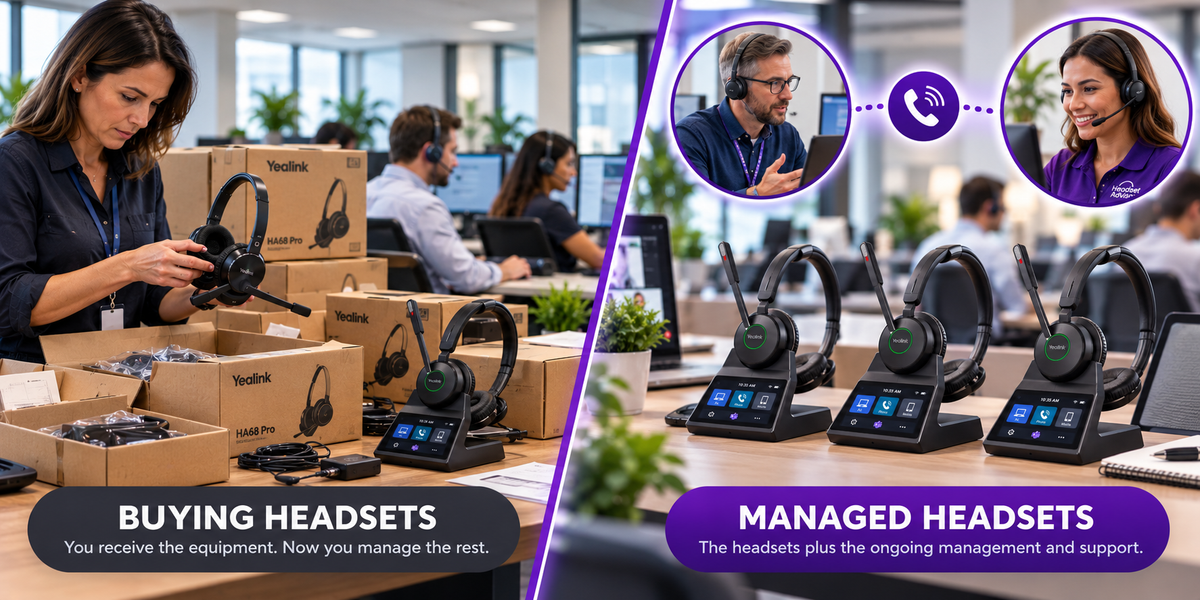
Leasing vs Buying Headsets, What’s the Difference?
While both options can work, the differences become more noticeable over time, especially when you factor in support, maintenance, and equipment lifecycle.

One area that’s often overlooked is ongoing maintenance.
With purchased headsets, items like ear cushions, ear tips, and batteries need to be replaced regularly. For example, ear cushions and ear tips are typically recommended to be replaced every six months, with batteries a bit longer. Across an enterprise, these costs can really add up, but tend to fly under the radar.
With leasing, these types of accessories are often included, helping reduce both cost and administrative effort over time.
At a glance, purchasing may seem simpler. You pay upfront and own the equipment.
But over time, additional responsibilities and costs begin to surface, especially once warranties expire and accessories need to be replaced.
Leasing shifts the focus from ownership to performance and consistency, helping ensure your team always has equipment that works the way it should leaving your employees more comfortable, content and productive.
Improve Call Quality Without Replacing Everything

In some cases, improving communication doesn’t require replacing every headset right away.
Tools like neep ai noise canceling software can help improve voice clarity and reduce background noise, enhancing call and meeting quality even with existing equipment. It even removes noise from both ends of the call.
If you’re looking for a way to improve call quality without immediately upgrading all of your headsets, take a closer look at how neep works and how it enhances audio performance here. You can also request a free trial to see how it works in your environment.
A Simple Checklist Before You Buy

Before purchasing new headsets for your team, it can help to step back and consider a few key questions:
-
Do we have unused headsets we can trade in?
-
Are we more limited by upfront cost or long-term cost?
-
Would leasing be a better fit for our budget structure?
-
Would a simple refresh of our headsets every 3 years provide peace of mind?
-
Do we need to improve call quality immediately, or can we phase upgrades?
-
Would having an all-inclusive program be beneficial to our operation?
Taking a few minutes to answer these can help you make a more informed decision.
Bringing It All Together
When you combine trade-in credits, discounts, leasing options, and performance tools, upgrading your team’s headsets can be more manageable than it might seem at first.
What often feels like a strict budget limitation is really an opportunity to approach the decision more strategically, and perhaps in ways you may not have thought about in the past.
Frequently Asked Questions

Are more expensive headsets worth it for a team?
In many cases, yes. Higher-quality business headsets tend to last longer, provide better audio performance, offer greater comfort and reduce the need for frequent replacements. Over time, the total cost can be similar, or even lower and leave employees feeling better.
What is the most affordable way to upgrade headsets for a team?
A combination of strategies usually works best, including trading in unused equipment, applying discounts, and considering leasing options. The best approach is what works best for your specific organization. You may not have old headsets available for trade-in. Your organization may have a policy about their preferred method of purchasing. So there isn’t a single answer to this question really.
Can I improve call quality without replacing all headsets?
Yes. Tools like neep ai noise canceling software can improve voice clarity and reduce background noise on both ends of the call, with this audio aid, neep can help extend the life of your current equipment before needing to replace it.
Is leasing headsets a good option for businesses?
Leasing can be a practical solution because it spreads costs over time eliminating the need for an upfront investment, and often includes support, full term warranty and accessories, which can reduce long-term expenses.
What should I consider before buying headsets for my team?
Focus on your environment, usage, and budget structure. Also consider long-term value, not just upfront price. There’s more to headsets than just the upfront price as we've discussed in this blog.
Need Help Choosing the Right Headsets?

Every team is different, and the right solution depends on your environment, your call volume, and your budget.
If you’re not sure which business headsets are the best fit, or you’d like help comparing options based on your specific setup, we can help.
With over 30 years of experience and more than 800 five-star Google reviews, Headset Advisor is well positioned to provide recommendations tailored to your needs. You can reach out to our team here for a personalized recommendation based on your specific setup.
Final Thoughts
Upgrading your team’s headsets doesn’t have to mean stretching your budget or settling for less.
With the right approach, you can improve communication, support your team more effectively, and stay within your budget by considering some of the points raised here.
It just takes looking beyond the initial price and focusing on what delivers the best value over time for you and your circumstances.