Do you want the best headset?
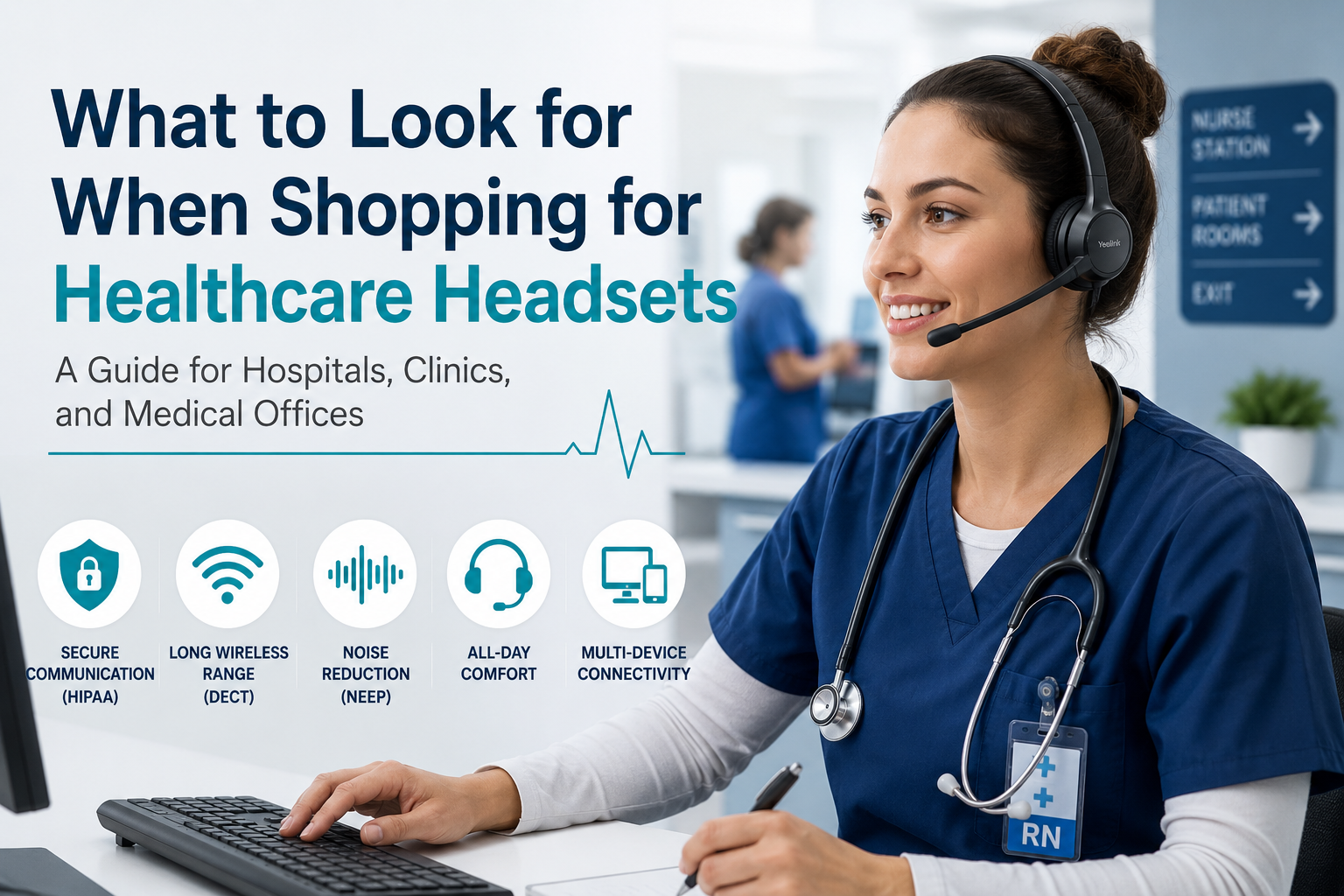
Healthcare environments place unique demands on communication technology. A headset that works well in a quiet office may struggle in a busy nurse station, hospital scheduling department, or medical call center where background noise, constant movement, and long shifts are part of daily operations.
For healthcare organizations, choosing the right headset involves more than finding one that’s comfortable. The right solution can improve call quality, support HIPAA-conscious conversations, reduce employee fatigue, and help staff remain productive throughout long shifts.
Whether you’re purchasing headsets for a hospital, clinic, medical office, telehealth department, or healthcare call center, there are several important factors worth considering before making a decision.
Healthcare Environments Create Different Headset Challenges

Healthcare workers often communicate while working in fast paced, noisy environments where clear conversations matter. Employees may move between workstations, interact with patients while on calls, or work in shared spaces where multiple conversations are happening simultaneously. Anyone who’s worked in a busy office knows what this is like.
Unlike traditional office environments, healthcare teams frequently deal with:
- Overhead paging systems
- Shared workstations
- Sensitive patient conversations
- Long hours wearing headsets
- Busy, high-noise surroundings
- Strict IT and software restrictions
Because of these factors, headset selection becomes much more important than many organizations initially realize because there’s more things to consider when on health related calls compared to typical office conversations.
The wrong headset can create communication issues, employee frustration, poor audio quality, and unnecessary replacement costs if the wrong device is ordered. The right headset solution can improve workflow efficiency while creating a better experience for both staff and patients which underscores the importance of making the right selection.
Choosing the Right Headset Style for Healthcare Staff
One of the first things healthcare organizations should evaluate is the type of headset best suited for each role.
Not every healthcare employee works the same way, and different headset styles can significantly impact comfort, awareness, audio quality and worker productivity.
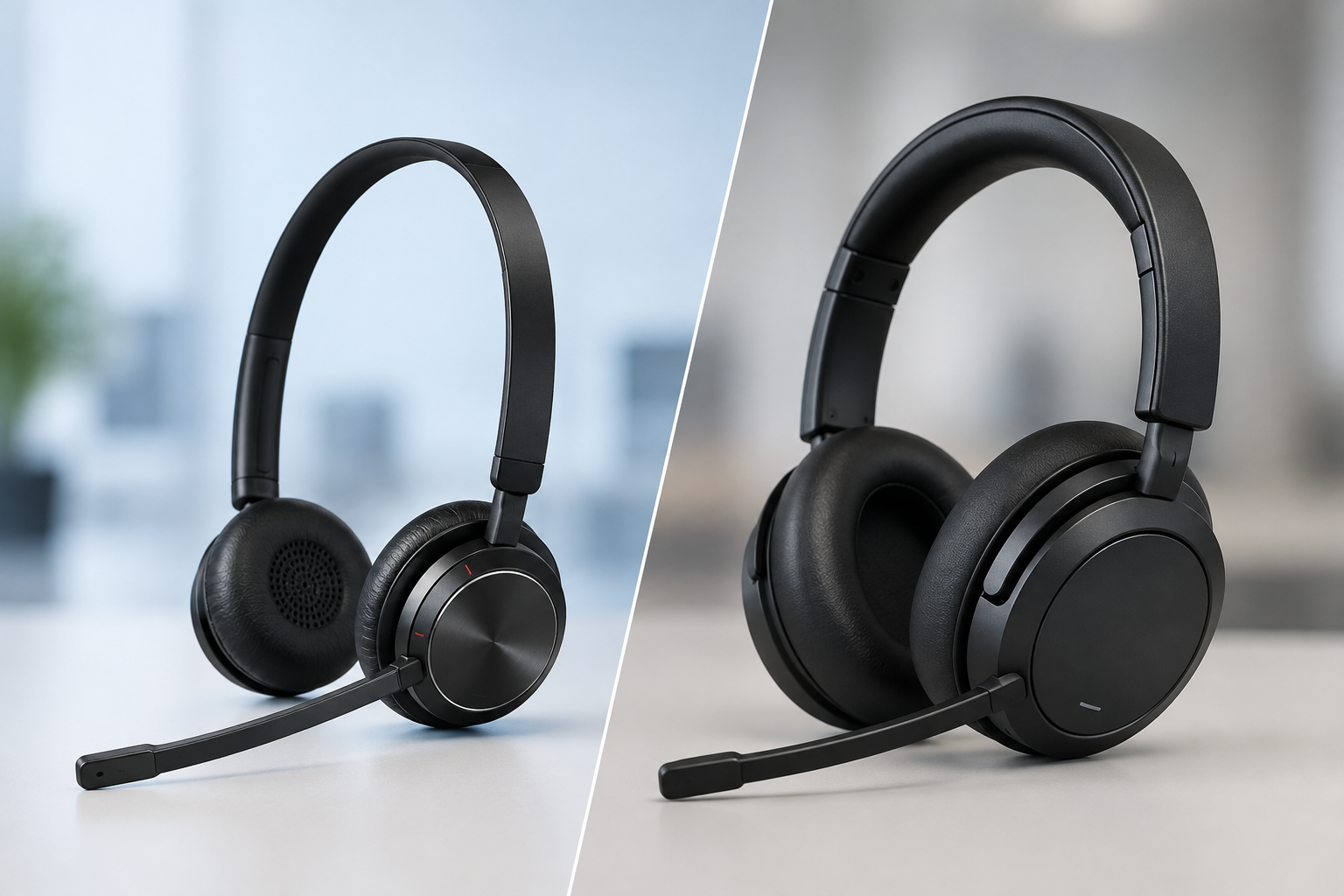
Mono Headsets: Keeping One Ear Open

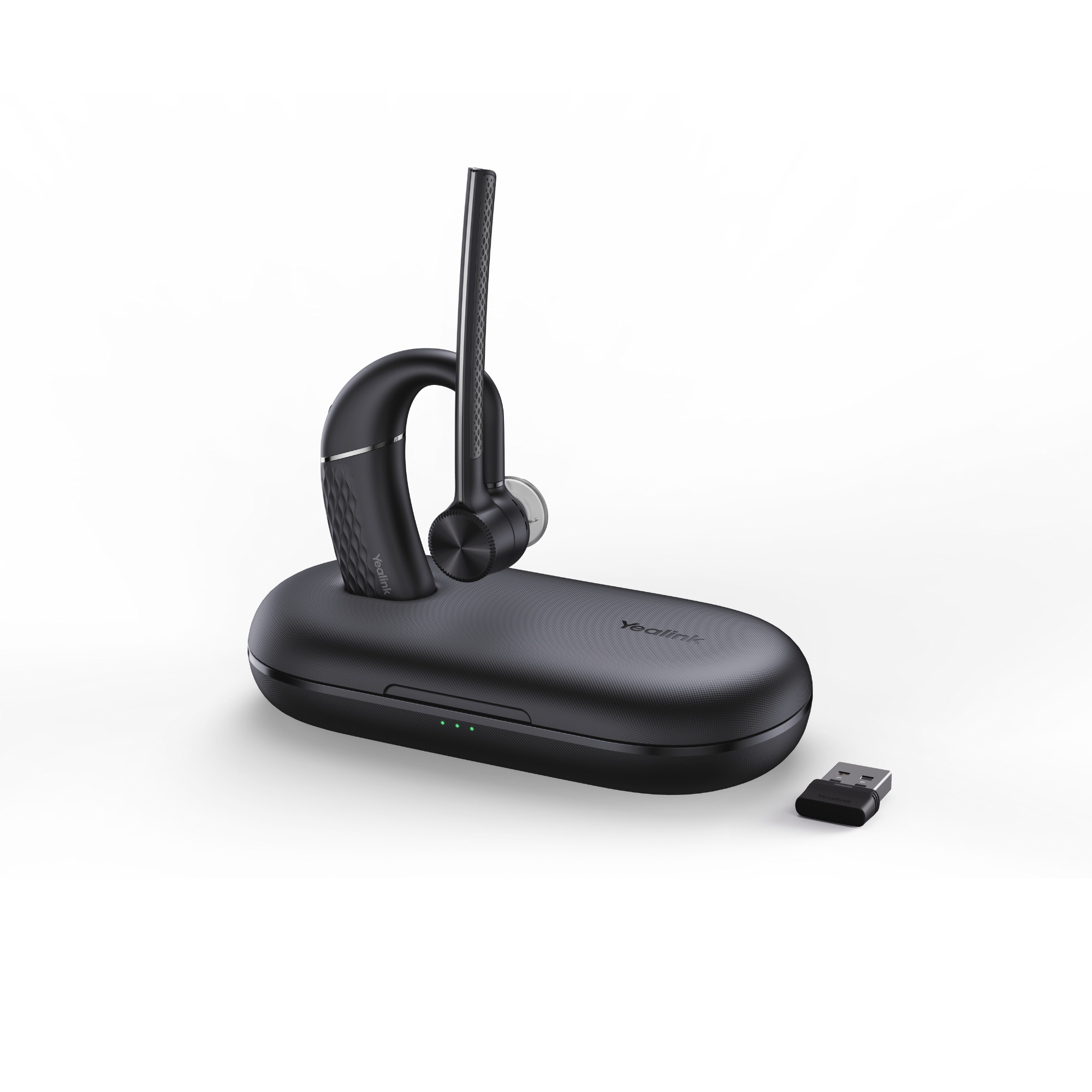
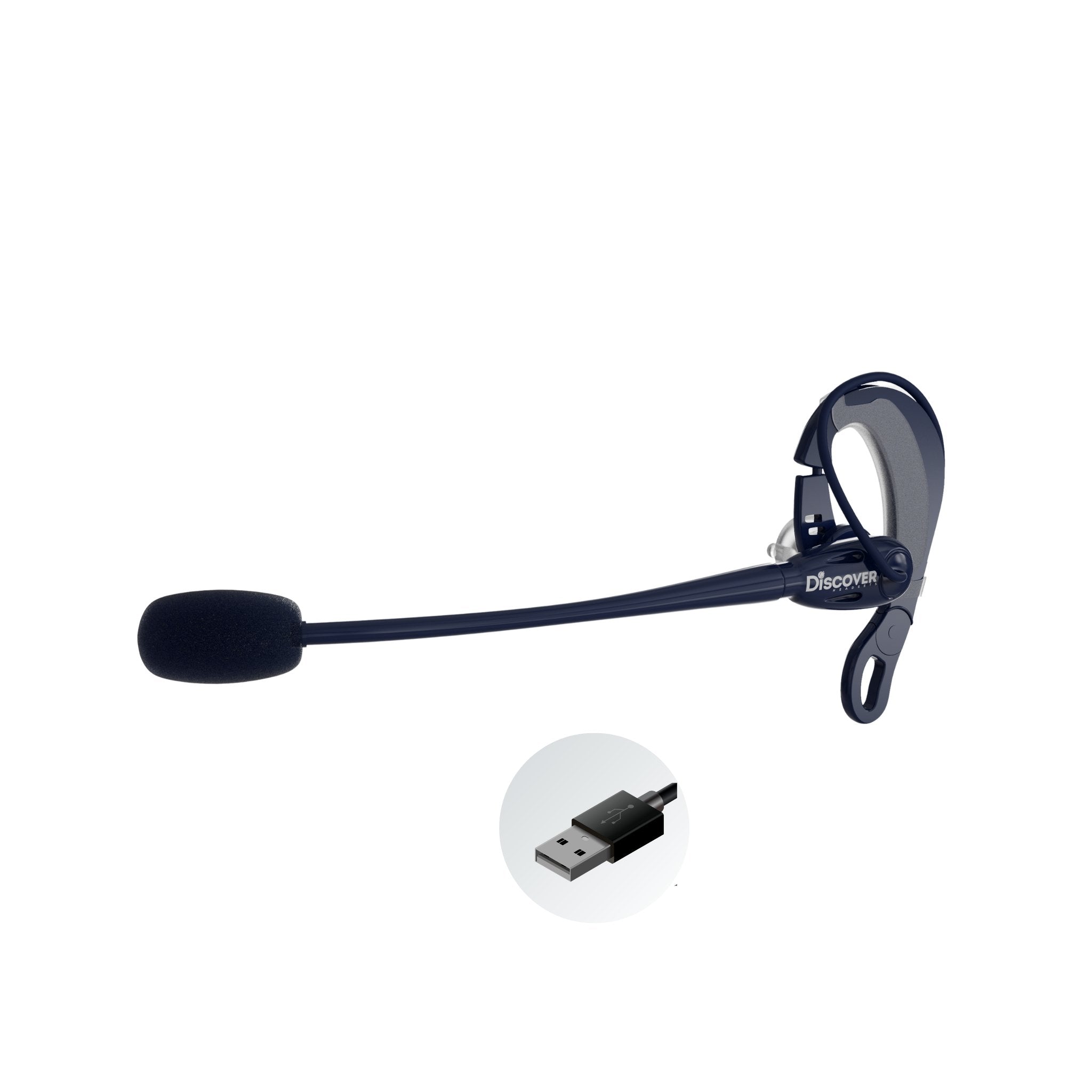
Mono headsets, also called single-ear headsets, remain extremely popular in healthcare settings for good reason.
These models leave one ear uncovered, allowing employees to continue hearing their surroundings while staying engaged on calls. In busy nurse stations or on a front desk, this can be incredibly important.
Many healthcare workers need to hear:
- Coworkers nearby
- Patient activity
- Overhead announcements
- Environmental alerts
- Conversations happening around them
A mono wireless headset allows employees to remain aware of their surroundings without completely isolating themselves from the environment.
These models are especially common for:
- Nurse stations
- Reception desks
- Medical scheduling departments
- Unit clerks or secretaries
- Front office healthcare staff
Some employees also simply prefer not having both ears covered during an entire shift, especially during 8–12 hour workdays. This can be for comfort reasons, or they simply don’t like the isolation feeling that can accompany wearing a double ear style headset.
Stereo Headsets: Better Focus in Noisy Environments

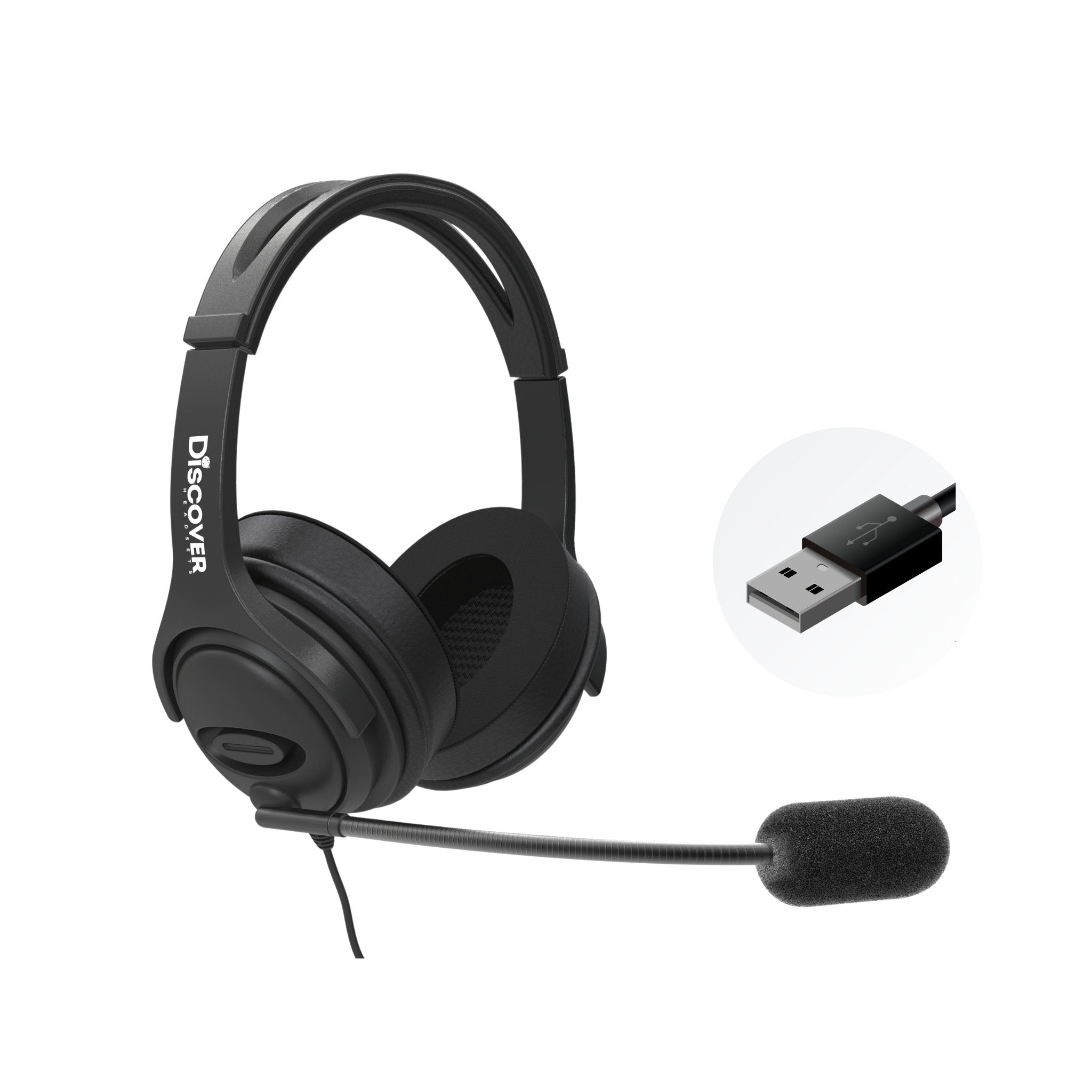
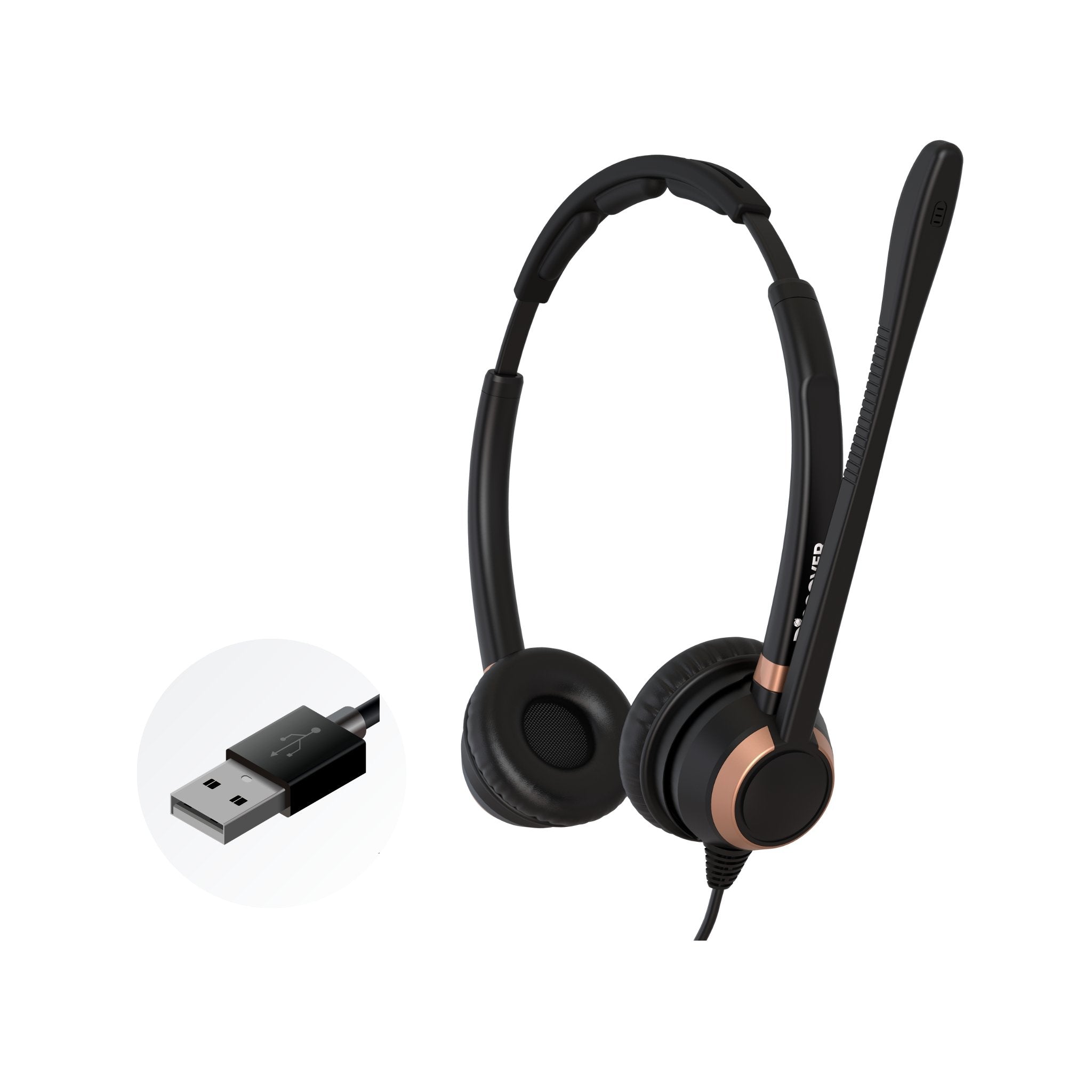
While mono headsets prioritize environmental awareness, stereo headsets focus more on concentration and audio.
By covering both ears, stereo models help reduce surrounding distractions and make it easier for employees to focus on conversations. In healthcare environments where accuracy matters, this can be highly valuable.
Stereo headsets are commonly used by:
- Telehealth professionals
- Medical billing departments
- Insurance verification teams
- Remote triage nurses
- Healthcare call centers
- Medical transcription staff
In noisy healthcare offices, employees often find themselves increasing volume levels to hear callers more clearly. Stereo headsets can help reduce that issue while also lowering listening fatigue throughout the day. Straining to hear callers, over a long shift, can cause fatigue.
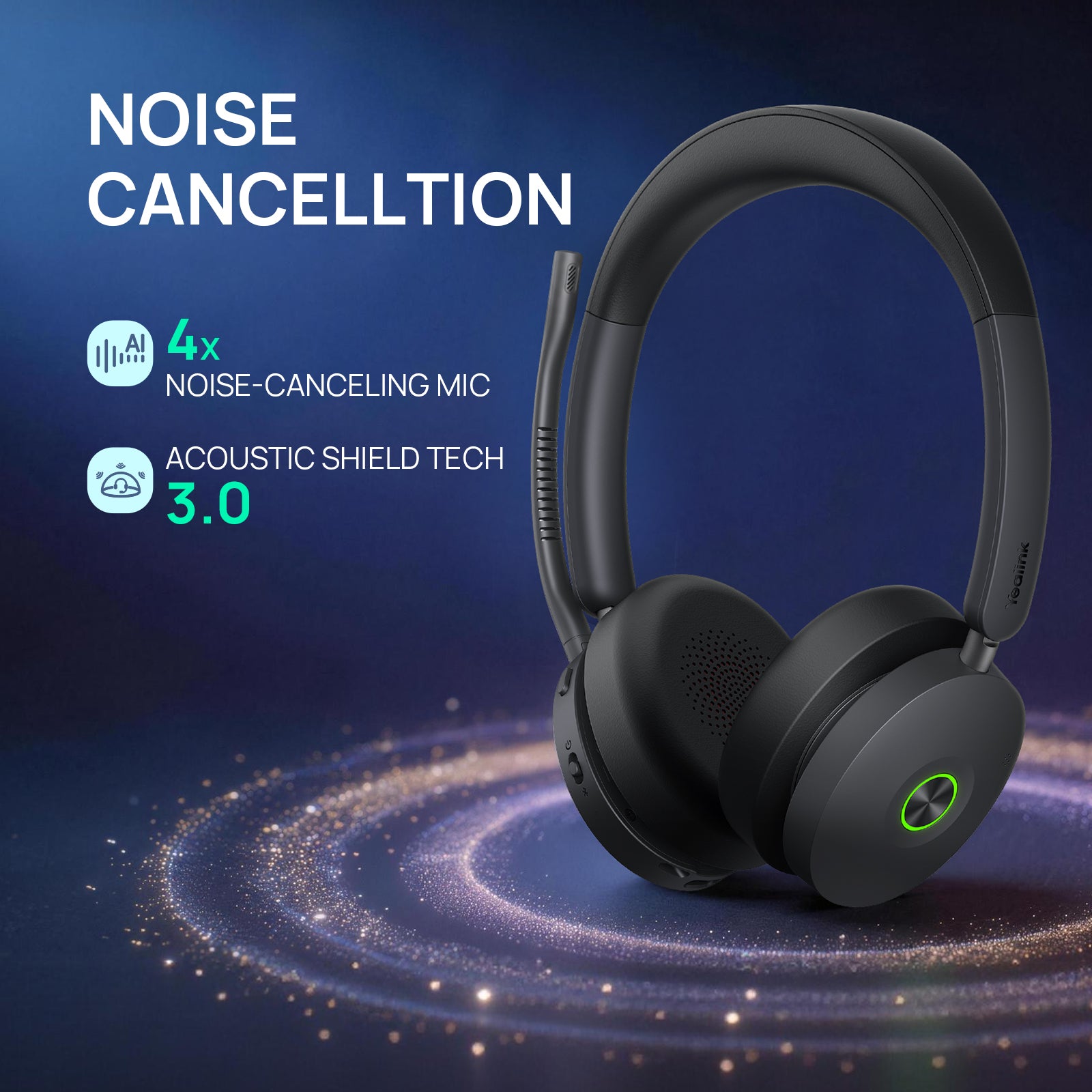
Many stereo models now also include Active Noise Cancellation (ANC), which can further reduce distracting environmental noise heard through the speakers. ANC is an electronic headset feature that listens for environmental noise through embedded microphones, and once detected, ANC will send out a counter signal to help arrest the noise before it reaches your ears.
For healthcare workers spending long hours on calls, and in this challenging environment, the ability to focus more clearly can make a significant difference in both comfort and productivity.
Convertible Headsets Offer More Wearing Flexibility

Some healthcare employees prefer flexibility over a fixed headset style. This is where convertible headsets can become particularly useful.
Some are unable to wear over the head style headsets as they bring on headaches due to the clamping pressure of the headband.
Others, especially those with small ears, may not be able to wear earpiece style headsets as they can be unstable on the ear, and may even routinely fall off.
Convertible headsets support multiple wearing styles, including:
- Over-the-ear
- in-the-ear
- Traditional mono headband style
- Behind the neck, or neckband wearing option which may be included, or optional
This allows employees to change configurations whenever they like.
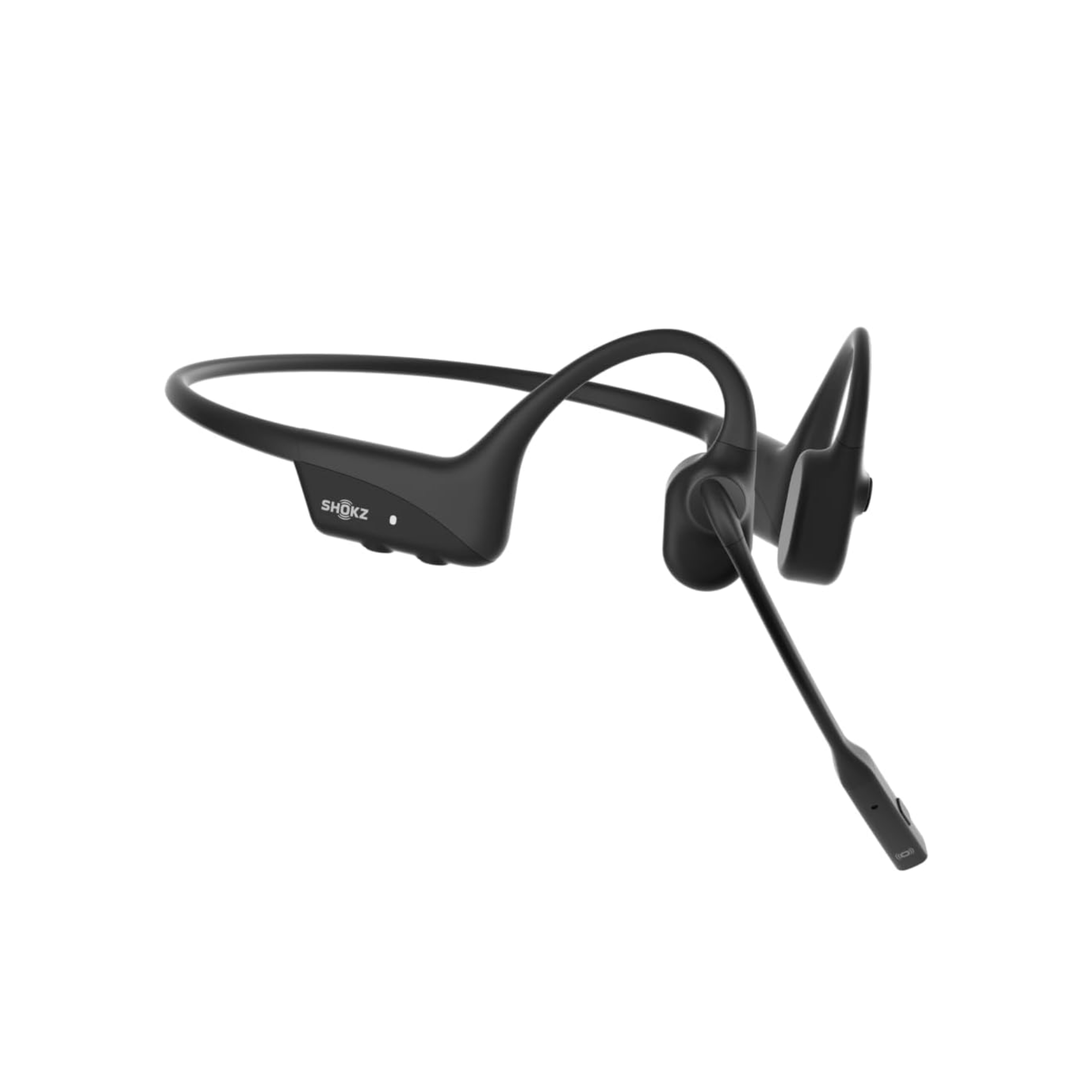
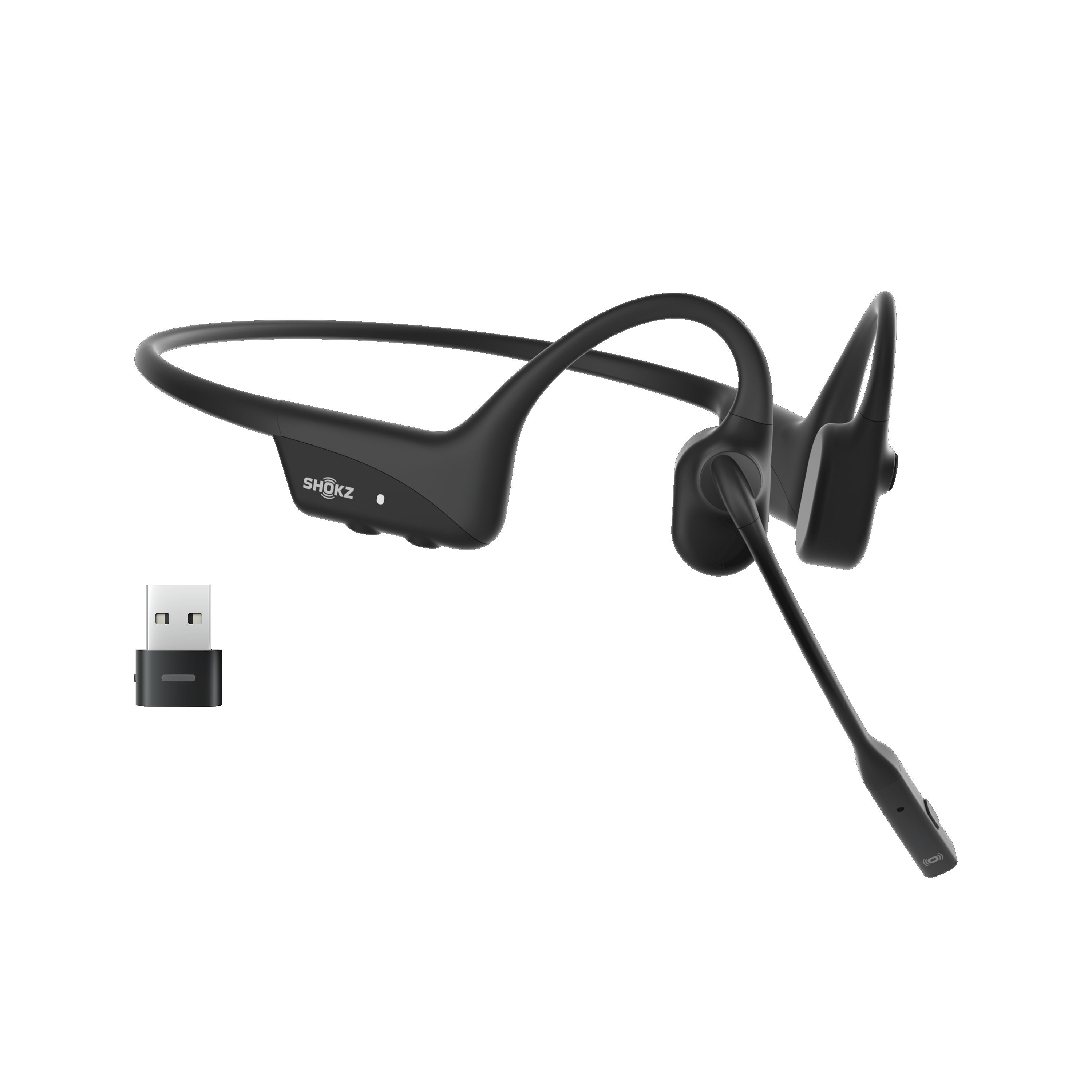
Neckband headsets, like the Shokz Opencomm2 UC for example, though a less common wearing style, can provide another comfortable, uniquely different alternative while still maintaining professional-grade sound quality.
Convertible models are especially helpful for employees who:
- Want to change wearing configurations periodically
- Have sensitivities to traditional headset styles
- Prefer lightweight headset designs
- Want more flexibility in how the headset is worn
Wireless Range Can Be Extremely Valuable in Healthcare

One of the biggest advantages of wireless headsets in healthcare environments is mobility.
Healthcare employees rarely remain seated at a desk for long periods of time. Staff may need to:
- Retrieve patient files
- Walk to another workstation
- Access supply rooms
- Consult with coworkers
- Check information away from the desk
- In these situations, wireless range becomes important, and very useful
DECT vs Bluetooth for Healthcare Headsets
 When evaluating wireless headset options for healthcare uses, organizations are typically presented with two types of wireless headsets; Bluetooth and DECT technologies.
Bluetooth headsets can work well in certain healthcare applications, particularly for those needing connection to computers and mobile devices. However, Bluetooth generally offers shorter wireless range and may experience more interference in larger workspaces.
DECT wireless headsets differ from Bluetooth in that they offer:
- Longer wireless range
- More stable connections
- Better performance in high-density environments
- Encrypted wireless communication
- Reduced interference
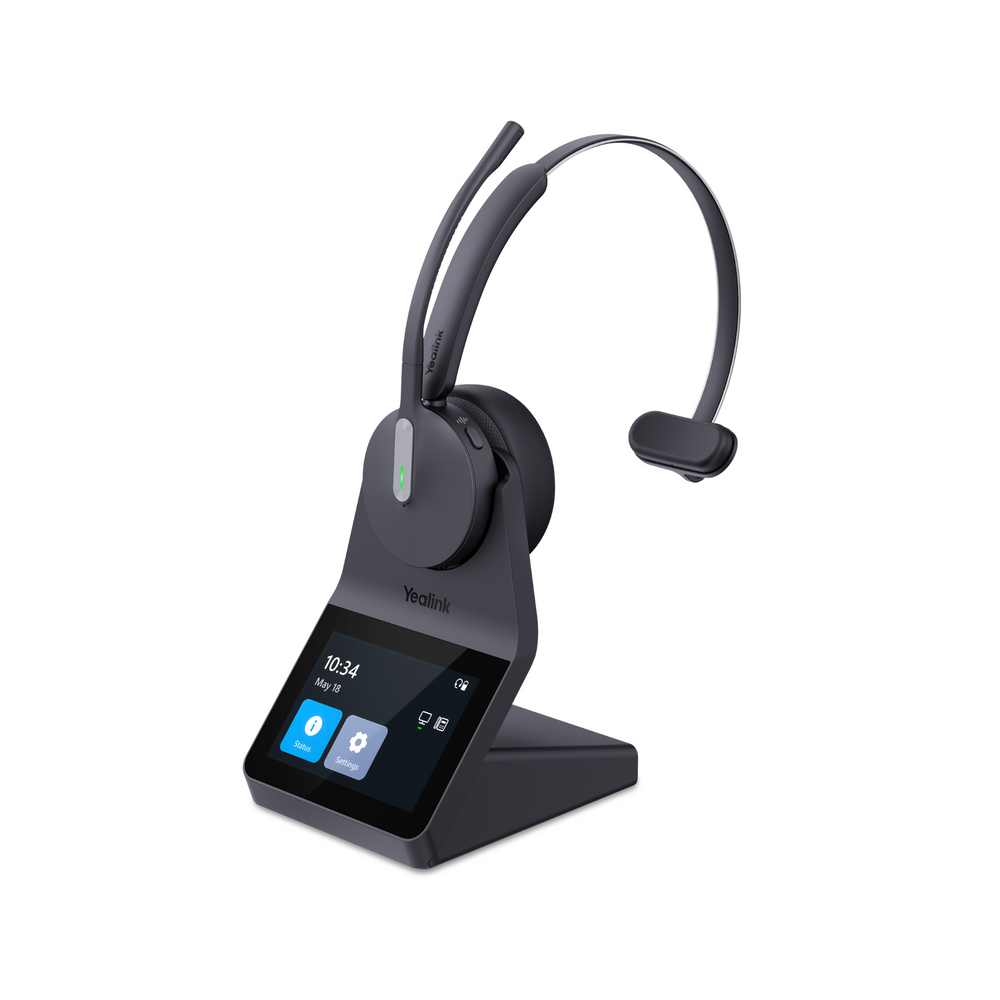
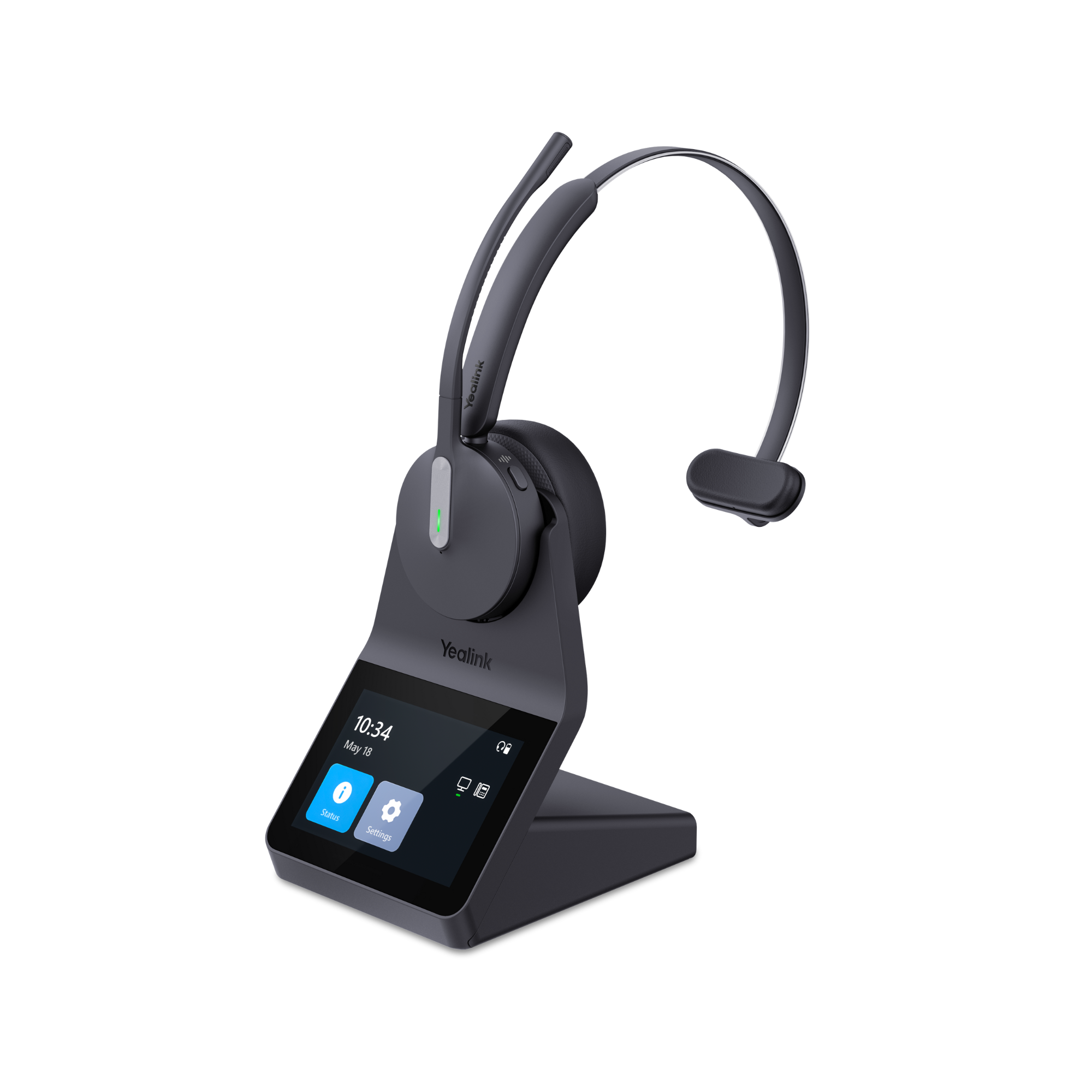
Depending on the environment, some DECT wireless headsets can provide range up to as much as 600 feet from the workstation, like the Yealink HA64 Pro for example.
Here's a short video that demonstrates the wireless range difference between a DECT headset, and a Bluetooth. I think you'll find the differences to be attention grabbing.
That additional range can significantly improve workflow flexibility in larger healthcare facilities where employees regularly move throughout departments while remaining on calls, or being available to take calls while moving around the workplace.
DECT technology is also advantageous in healthcare settings because organizations focused on HIPAA-conscious communication practices often prefer the added security and connection stability DECT systems can provide.
Clear Communication Matters in Healthcare

Healthcare environments can become very noisy. Between conversations, equipment sounds, overhead paging, and constant busy activity, maintaining clear, professional sounding communication is not always easy.
This is why microphone quality and noise reduction technologies should be carefully evaluated when choosing a healthcare headset.
Poor audio quality can create frustration for both employees and callers, especially during:
- Patient intake calls
- Telehealth appointments
- Long calls to Insurance companies for verifications
- Prescription discussions
- Scheduling conversations
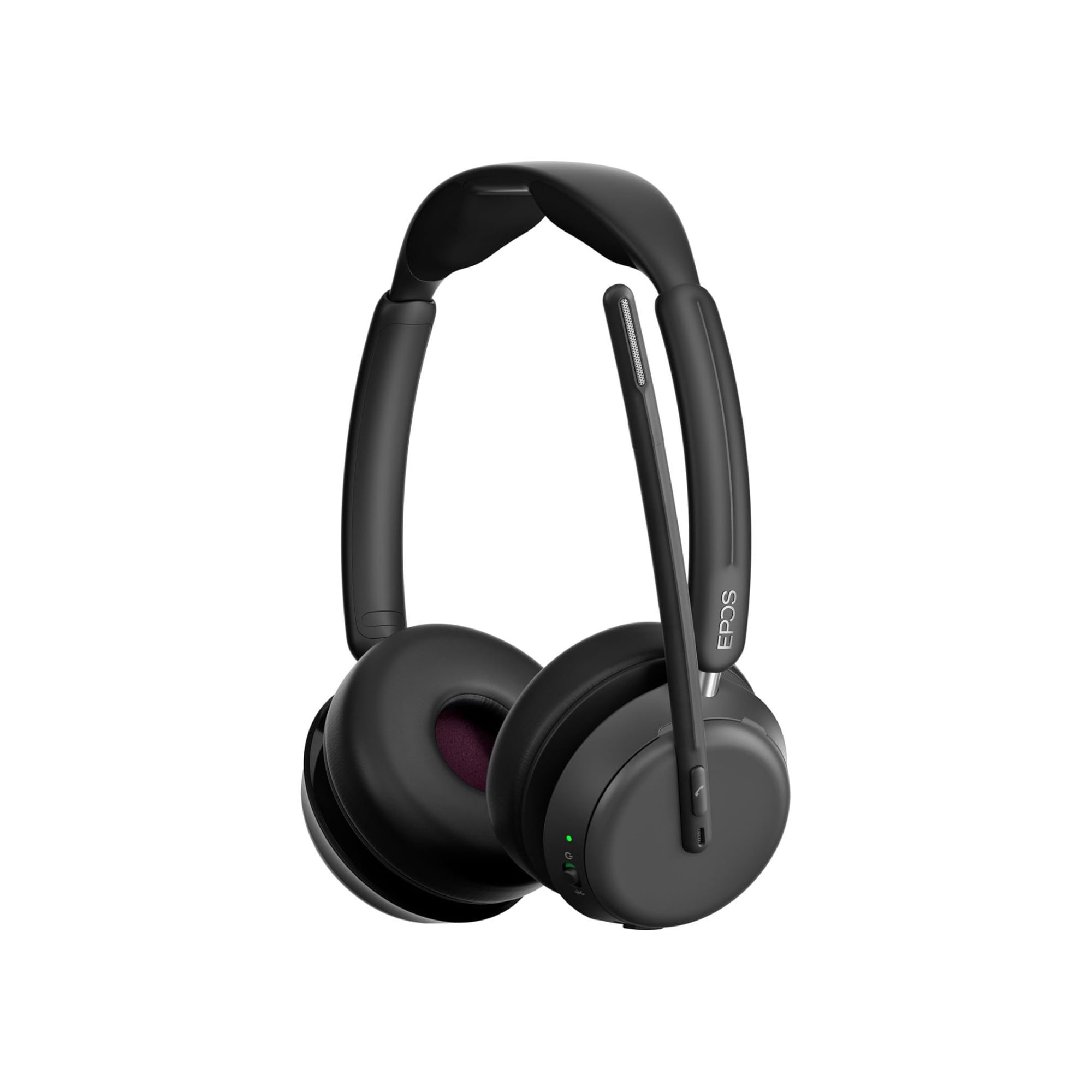
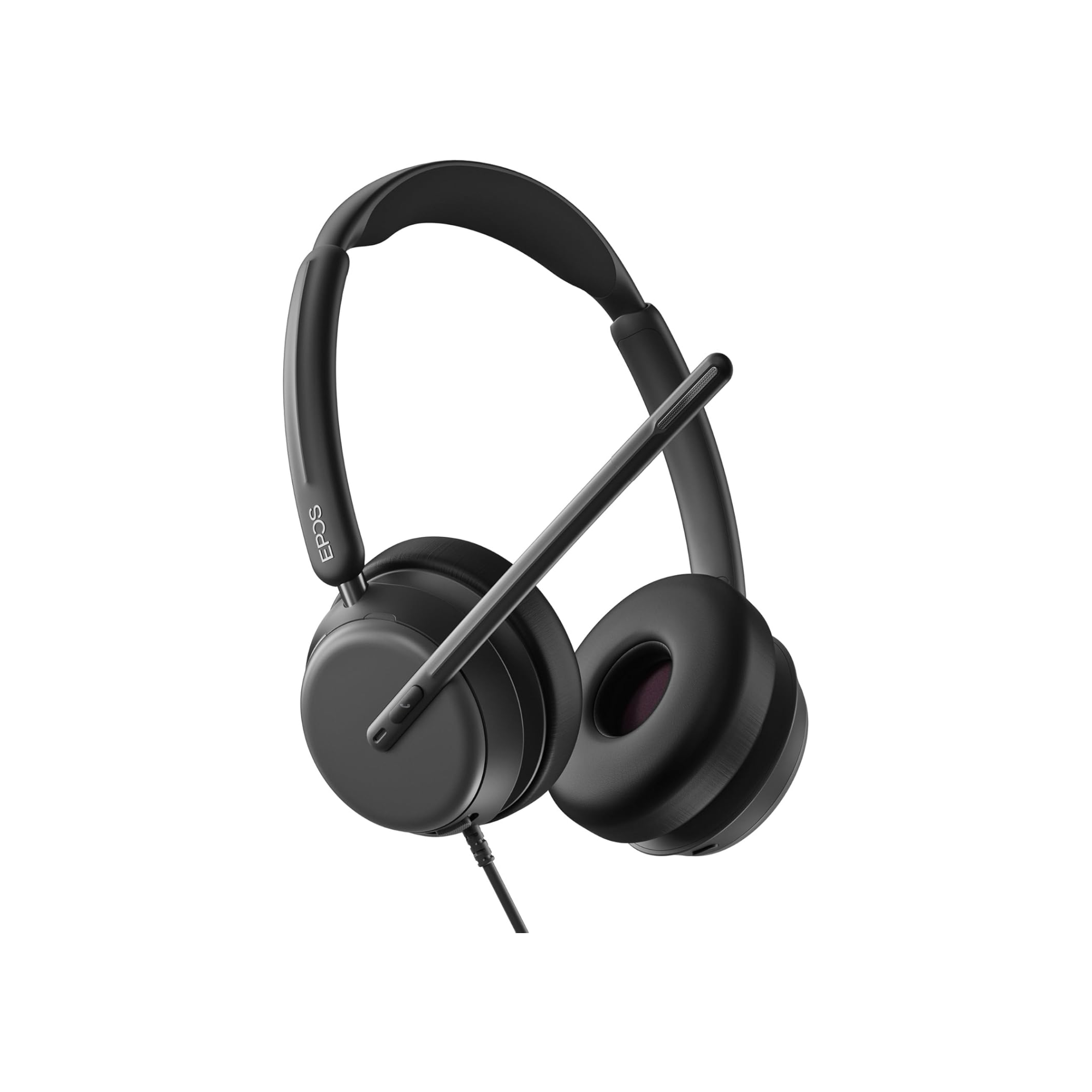
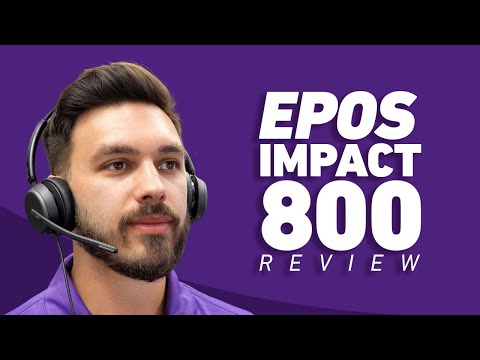
In healthcare environments, clear communication is more than convenience, it directly impacts operational efficiency, compliance and patient experience. One headset worth considering that provides exceptional sound quality, and good noise cancellation is the EPOS Impact 1000.
neep and Two-Way Noise Reduction

One increasingly valuable technology in healthcare communication is software that’s designed to help combat background noise. One example of this is neep noise canceling software.
neep helps improve both outgoing and incoming audio quality by:
- Removing background noise on both ends of the conversation
- Suppressing echo
- Removing environmental noise distractions
- Learning your voice, enhancing it, and isolating it from other competing sounds, giving your callers a better sound experience.
- Working with any audio device, including your current ones
This type of two-way noise reduction can help conversations sound cleaner and more natural, even in louder environments where noise can be very distracting.
For healthcare staff working in busy offices or shared workspaces, this can make conversations easier to hear and easier to understand without constantly repeating information, or risking misunderstanding of important information.
To learn more about neep, or to request your free trial, go to neep.com
Comfort Should Never Be Overlooked

Healthcare employees often wear headsets for entire shifts. A headset that feels good for one hour may become uncomfortable after eight or ten hours of continuous use. Things that cause a headset to be uncomfortable may not show up right away. In time, you’ll know if a headset is right or not.
Comfort plays a major role in:
- Employee satisfaction
- Headset adoption
- Productivity
- The fatigue factor
Healthcare organizations should evaluate things such as:
- Headset weight
- Clamping pressure
- Ear cushion comfort
- Wearing style flexibility
- Adjustability
- Headset design
Lighter-weight headsets are often preferred for long-shift environments because they place less pressure on the head and ears over the course of time. The longer you wear a headset, the more its weight makes a difference.
For stereo headsets, 3-4 ounces would be considered light, and for a mono, single ear headset, 1-3 ounces would be considered lightweight.
Ear cushions vary in the material they’re made from, with memory foam being among the best.Their shape plays a role in comfort as well, with on-ear, and around the ear cushions being available.
For many headsets, the clamping force can be adjusted to either tighten or loosen the headset pressure. Most people are unaware of this adjustment as it’s never mentioned in user guides, not by manufacturer representatives. Care needs to be taken when doing this, but if a headset is too loose or tight, most headbands can be adjusted to make them more comfortable.
To gain additional insights into headset comfort, check out our blog titled; why employees resist wearing certain headsets, comfort, fit and real world challenges your business shouldn't overlook.
Hygiene and Shared Workstation Considerations

Many healthcare environments use shared desks or shared communication equipment across multiple shifts.
Because of this, healthcare organizations should also think beyond the headset itself and consider long-term maintenance and hygiene practices.
Features worth considering include:
- Replaceable ear cushions - provide employees with their own cushions
- Easy-to-clean surfaces cleaning them with anti-bacterial wipes
- Replaceable microphone covers if applicable
- Accessory availability and scheduled accessory replacements every 6 months
- Refresh headsets every 3-4 years as needs warrant. This can be automatic through headset lease program.
Frequent cleaning and disinfecting can gradually wear down headset materials over time, which makes accessories replacements especially valuable.
Some organizations now implement scheduled accessory replacement programs to help maintain comfort, hygiene, and headset performance without replacing the entire device (6 month replacement cycles recommended as noted earlier).
To read more on this subject, you may find our related blog titled; headset hygiene tips for contact centers and shared workspaces to be helpful.
Connectivity Matters More Than Many Realize

Before purchasing headsets, healthcare organizations should clearly identify what devices employees need to connect to.
This may include:
- Desk phones
- Computers
- Microsoft Teams
- Zoom
- Softphones
- Mobile devices
- Cisco systems
- Avaya systems
- Telehealth platforms
Understanding connectivity requirements upfront helps avoid costly compatibility mistakes later.
For example, a headset ideal for desk phone users may not be the best fit for employees constantly switching between computers and mobile devices.
The more complex the environment, the more important it becomes to match the headset to the actual workflow.
Not only is it important to match your needs with the right headset, but it's also important to have a discussion with the IT staff to find out if there are any changes being proposed. In many cases, changes to the IT infrastructure can have downstream effects that can immpact your communication devices. So it's important to consider this as well.
Software Restrictions Can Impact Headset Selection

Many healthcare IT departments tightly regulate software installation on company devices.
In these situations, headsets that require downloadable software to access advanced features may create deployment challenges.
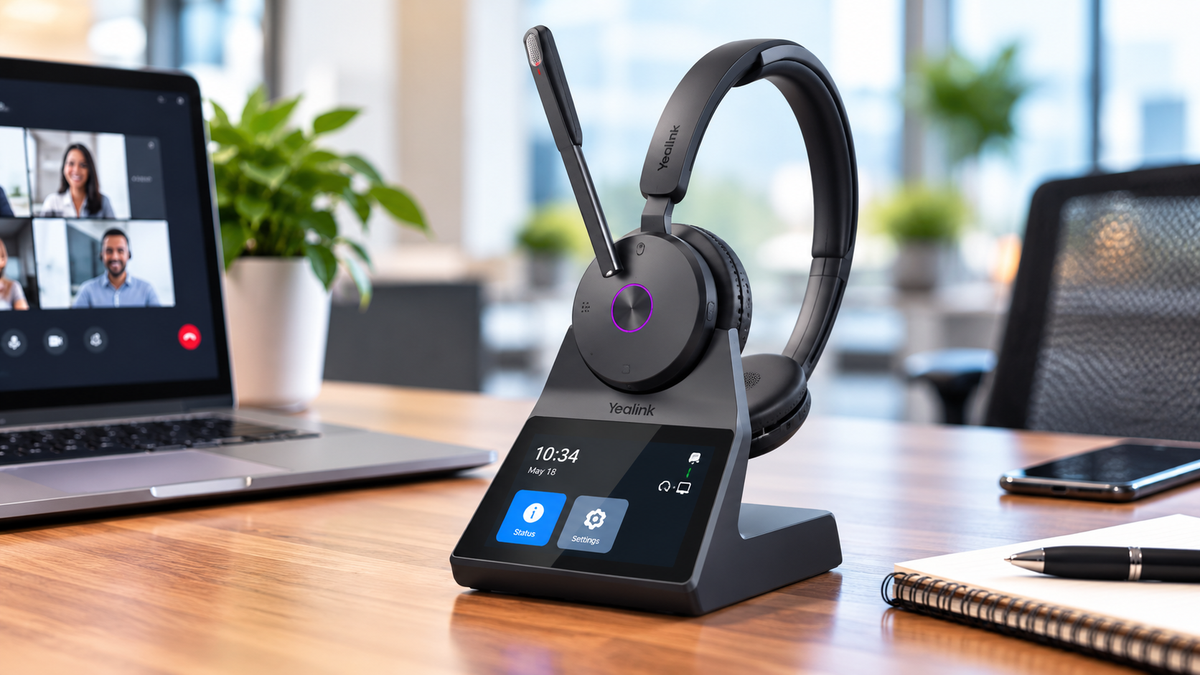
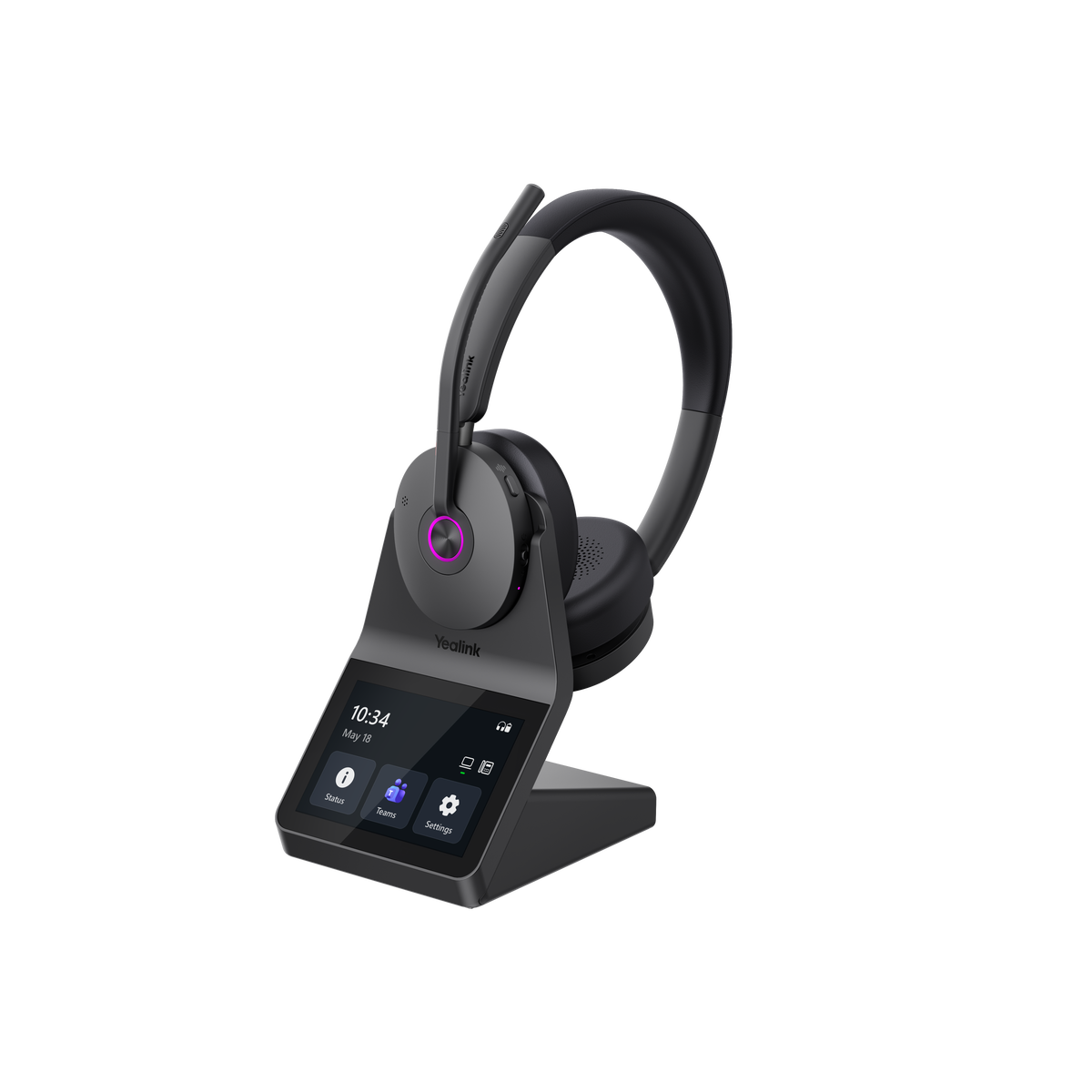
This is one reason why solutions like the Yealink HA64 Pro can be especially attractive in healthcare environments. Many settings and features can be accessed directly from the headset touchscreen base itself, reducing dependency on software installations.
So whether you want to adjust sidetone, audio profile, or even toggle from UC setting to Microsoft Teams, this and a lot more can all be accessed through the touchscreen without the need to download software.
For organizations operating in restricted IT environments, this flexibility can simplify setup and long-term management considerably.
The Vendor Matters Just as Much as the Headset

One of the most overlooked aspects of healthcare headset purchasing is vendor support.
The headset itself is clearly important, but so is the company supporting the deployment.
Healthcare organizations should evaluate whether the vendor:
- Specializes in headsets
- How long in business specializing in them
- Offers setup assistance
- Provides ongoing support and doesn’t refer you to the manufacturer
- Carries replacement accessories
- Offers lease programs
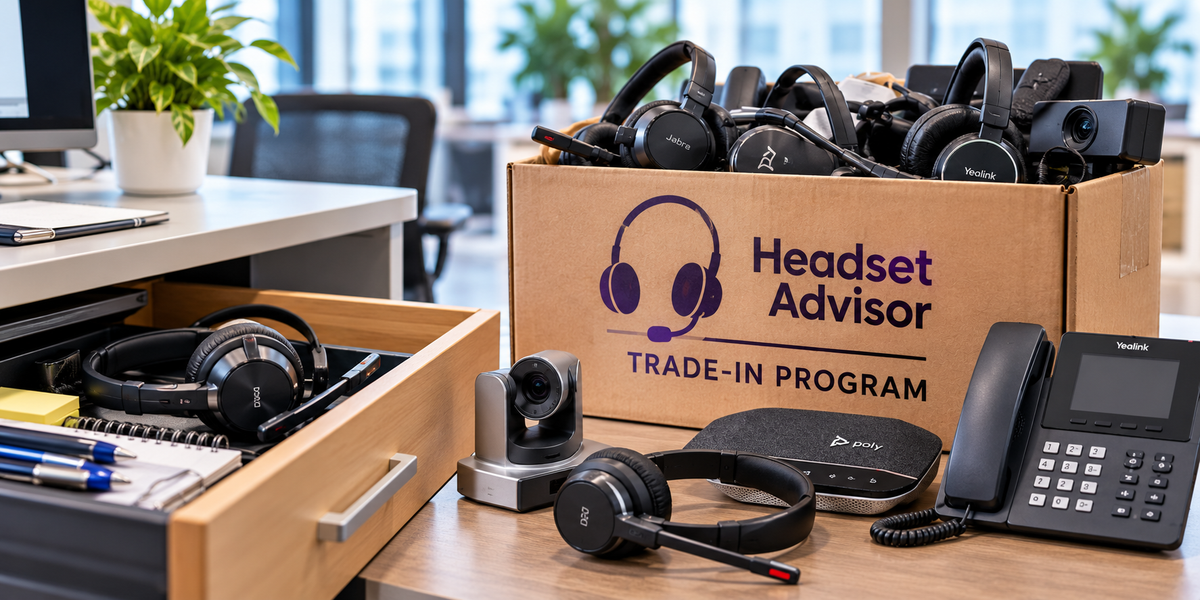
- Supports headset trade-ins to help lower costs
- Assists with compatibility and makes recommendations
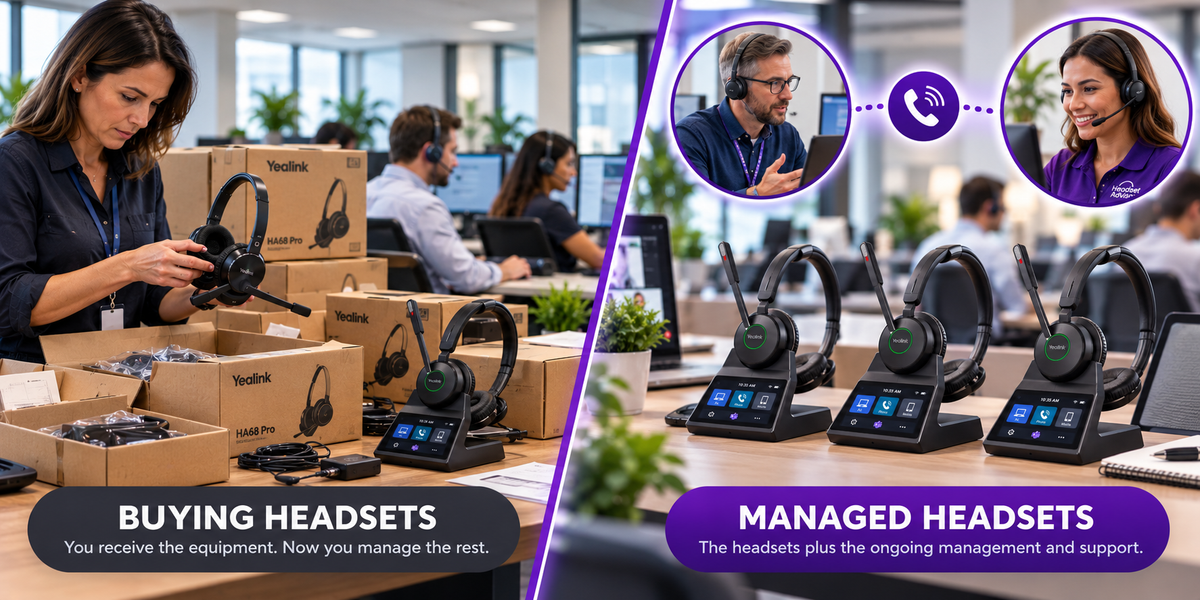
Large headset deployments can become complicated quickly, especially when multiple devices, departments, locations and communication platforms are involved.
Working with an experienced headset-focused vendor can help avoid expensive purchasing mistakes while simplifying deployment and long-term support which can be a big help to the IT Department and buyers.
Lease Programs and Trade-In Programs Can Reduce Costs

Budget predictability and product affordability are important to many healthcare organizations.
Lease programs can help spread costs over time while also including valuable services such as:
- Premium support
- Setup assistance
- Warranty coverage for the length of the lease term
- Scheduled, or pre-determined refresh cycles
- Easier budgeting
- Accessories replacements
- One point of contact
Trade-in programs may also allow organizations to receive value from older, unused headset inventory that may otherwise sit in storage rooms or equipment closets. Trade-in equipment also avoids the potential for ending up in the landfill which helps with environmental initiatives.
For larger deployments, lease and trade-in programs can significantly reduce upfront investment costs while helping the organization to maintain updated communication equipment and simplifying device management across the organization.
Final Thoughts
Choosing the best headset for healthcare workers involves much more than selecting a comfortable device.
Healthcare environments require headset solutions that support:
- Clear communication
- Long-shift comfort
- Wireless mobility
- HIPAA-conscious conversations
- Reliable connectivity
- Noise reduction
- Shared workstation environments
The right headset can improve employee productivity, communication clarity, and overall workflow efficiency while helping staff remain focused in demanding healthcare environments.
Choosing the right headset vendor can help ensure the deployment process goes smoothly from initial selection through long-term support.
At Headset Advisor, we help healthcare organizations identify the best headset solutions for their specific environments and communication needs. Whether you need help comparing DECT vs Bluetooth, selecting the right headset style, improving call clarity, or exploring lease and trade-in options, our team is here to help.
Have Questions Or Need Some Help?

If you’re looking for some new headsets, and find yourself comparing different options, or wanting to narrow down the best headset option for your business, Headset Advisor is here to help.
With over 30 years of experience and more than 800 five-star Google reviews, we help businesses identify communication solutions that align with their true operational needs.
Contact us today, and let one of our trained Advisors help you find the right, compatible solution.