Do you want the best headset?
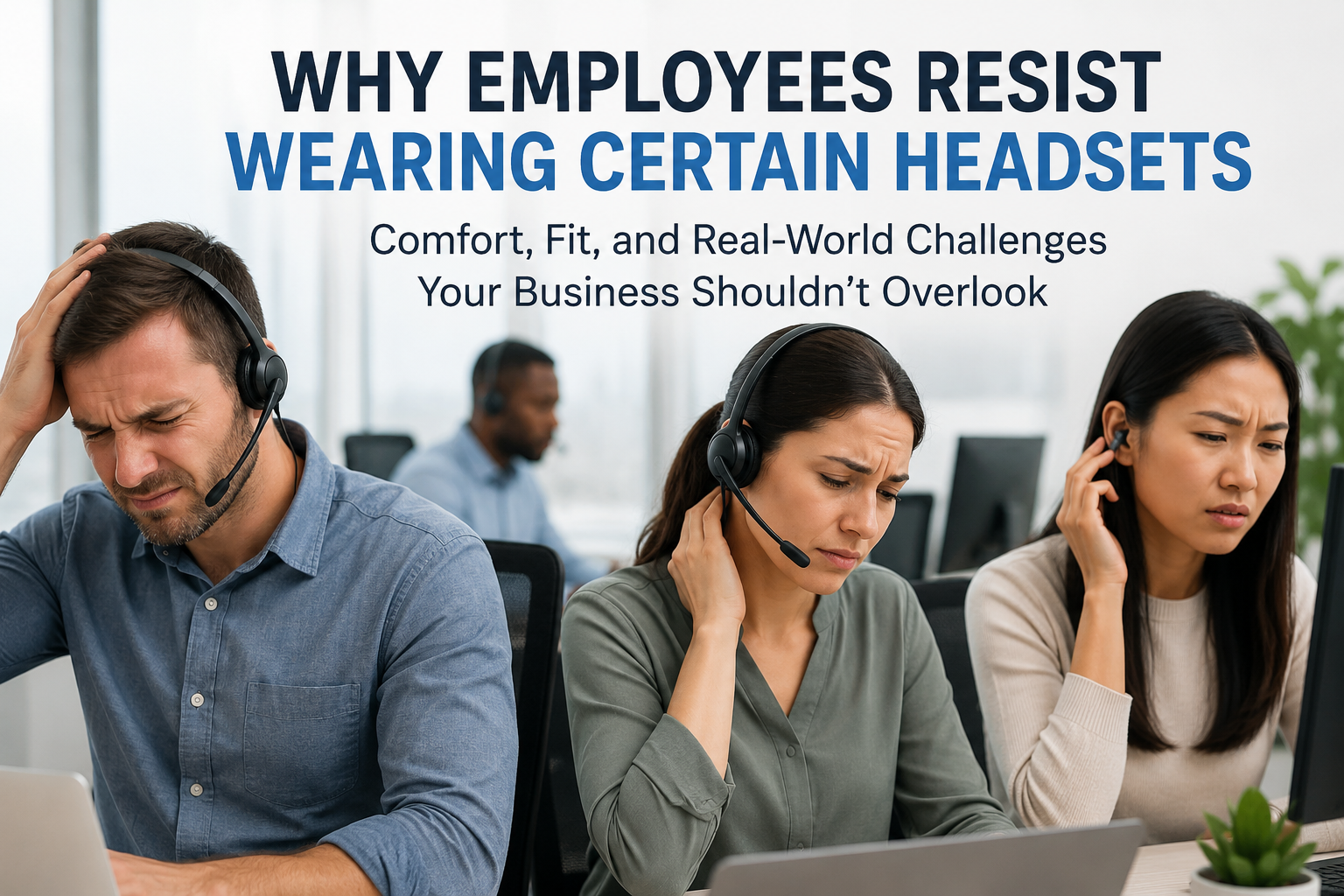
When businesses shop for headsets, most of the focus tends to center around features, pricing, compatibility, and sound quality. And while those things are certainly important, there’s another thing that often gets overlooked:
Whether employees actually like wearing the headset they’ve been given.
That may sound like a small thing, but it really isn’t.
The truth is, if employees find a headset uncomfortable, irritating, or difficult to wear, it can affect far more than comfort alone. It can actually impact concentration, productivity, communication quality, and even overall acceptance of the headset itself.
And what makes this especially challenging is the fact that one headset style simply isn’t right for everyone.
What feels perfectly comfortable to one person may be very uncomfortable and even frustrating for another.
That’s why businesses should think beyond specifications and consider the real-world comfort and usability challenges employees may experience throughout the workday. This is particularly important for those who work all day in contact center environments, or are frequently on long calls or video meetings.
In fact, understanding how employees actually work and what devices they use daily can play a major role in determining the right headset strategy.
There are several important factors businesses should evaluate before selecting headsets for employees, especially when comfort and long-term usability are priorities. If you’re currently evaluating headset options for your team, you may also find our blog, Things to Consider Before Buying Headsets for Your Business, helpful.
Not Everyone Tolerates Over-the-Head Headsets

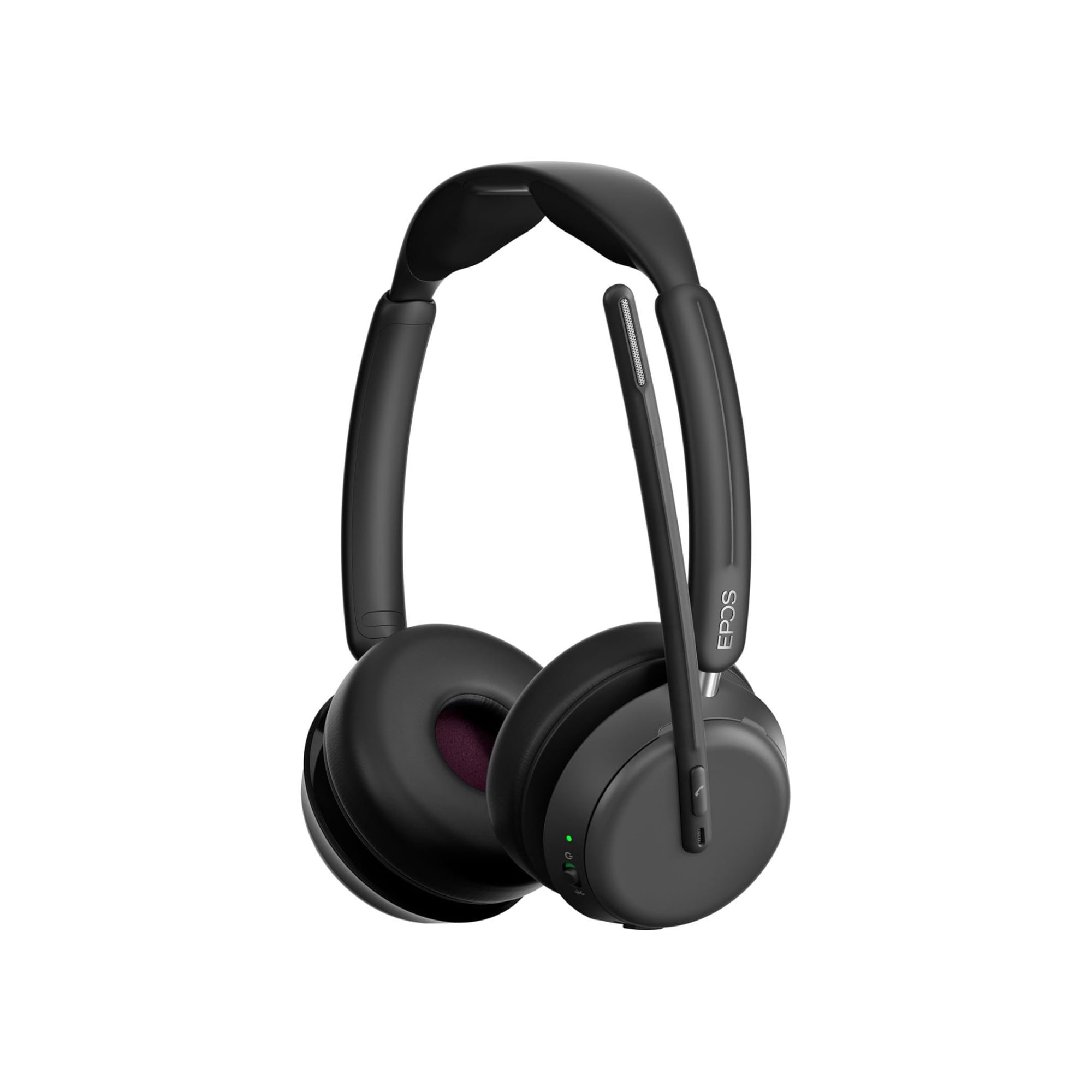
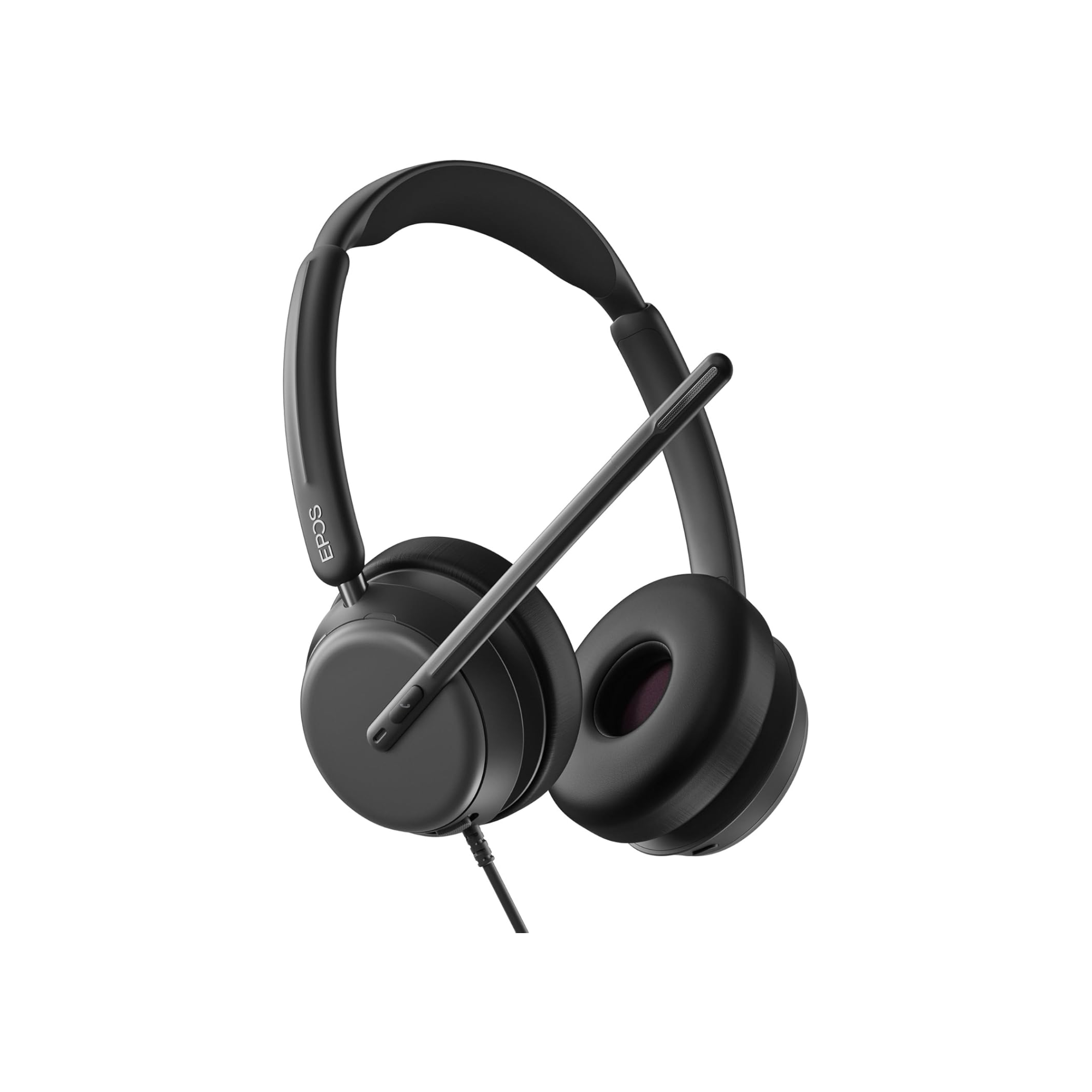
Over-the-head headsets are among the most common styles used in offices and contact centers, but they aren’t ideal for everyone.
Some users simply dislike the feeling of a headband resting across the top of their head for extended periods of time. Others may find the clamping pressure around the head and ears uncomfortable after several hours of continuous use.
And for some people, the discomfort can go well beyond annoyance.
There are users who find that over-the-head models can contribute to headaches or even migraines, especially during long work shifts. For these individuals, wearing a headband style headset all day simply may not be realistic.
This is one reason why headset comfort should never be treated as a one-size-fits-all decision.
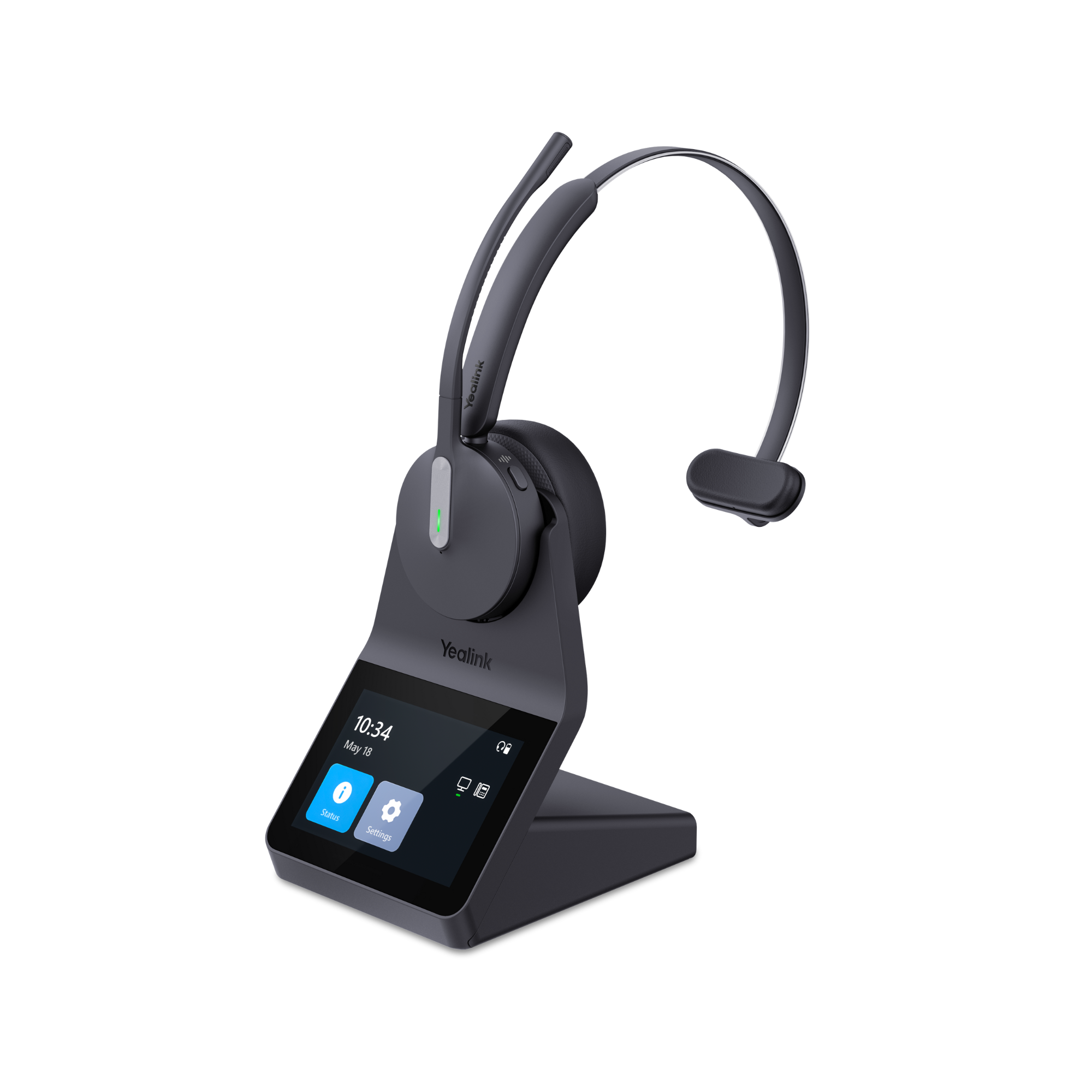
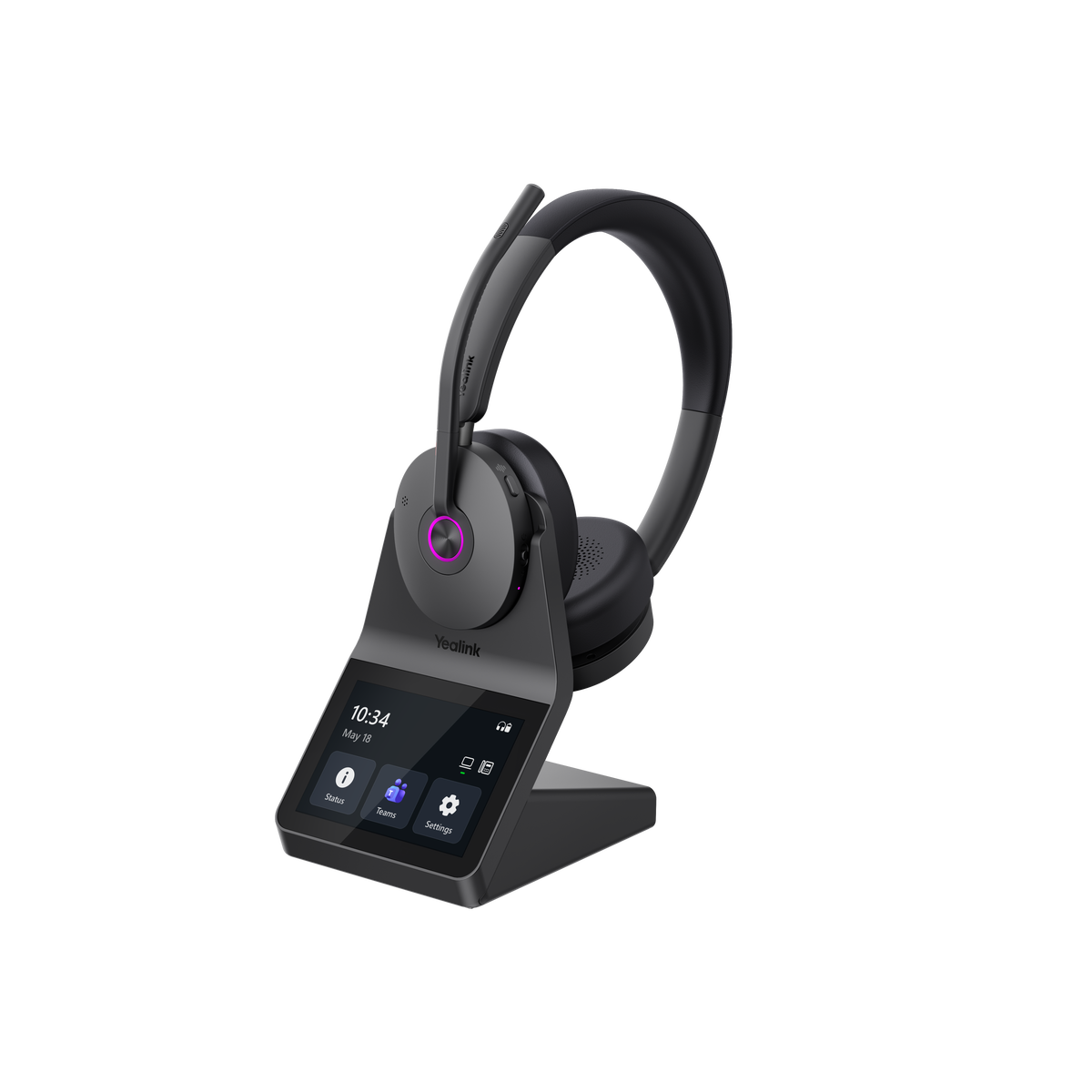
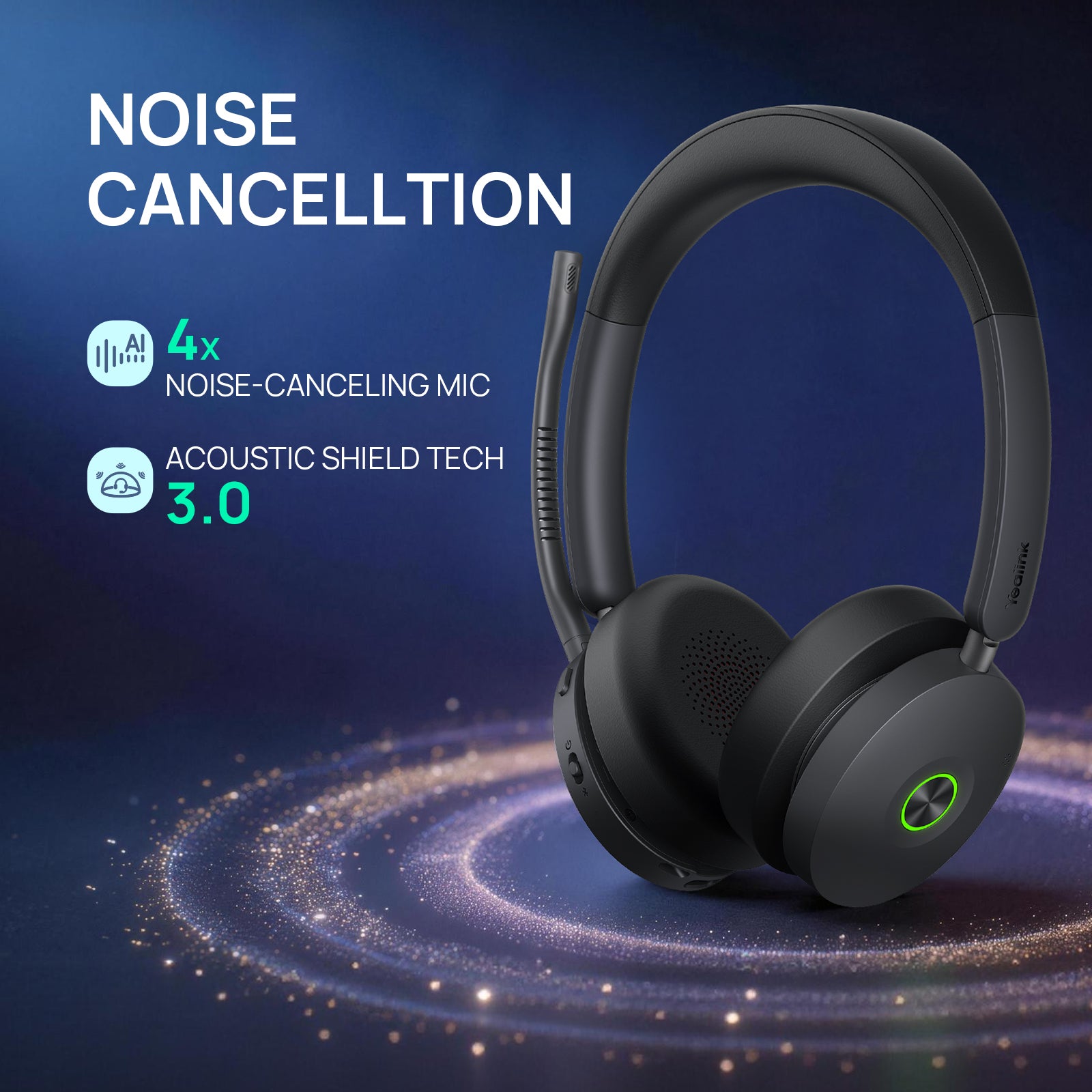
For users who do prefer traditional over-the-head wearing styles, models like the Yealink HA64 Pro offer both mono and stereo versions designed for professional office and hybrid work environments.

Ear Size and Ear Shape Matters
Another often overlooked issue has to do with ear size and ear shape.
For example, some employees with smaller ears may struggle with certain ear loop style headsets because the headset may not stay securely in place. Constantly repositioning a headset throughout the day can quickly become frustrating and distracting.
Others may have narrow ear canals, which can make earbud-style headsets uncomfortable or difficult to wear for long periods of time. They may find that they’re applying force to keep them in place, which can lead to eventual discomfort. And when it’s too loose, the earbud may end up falling out.
Even among earpiece headsets, there are major differences in fit and wearing style.
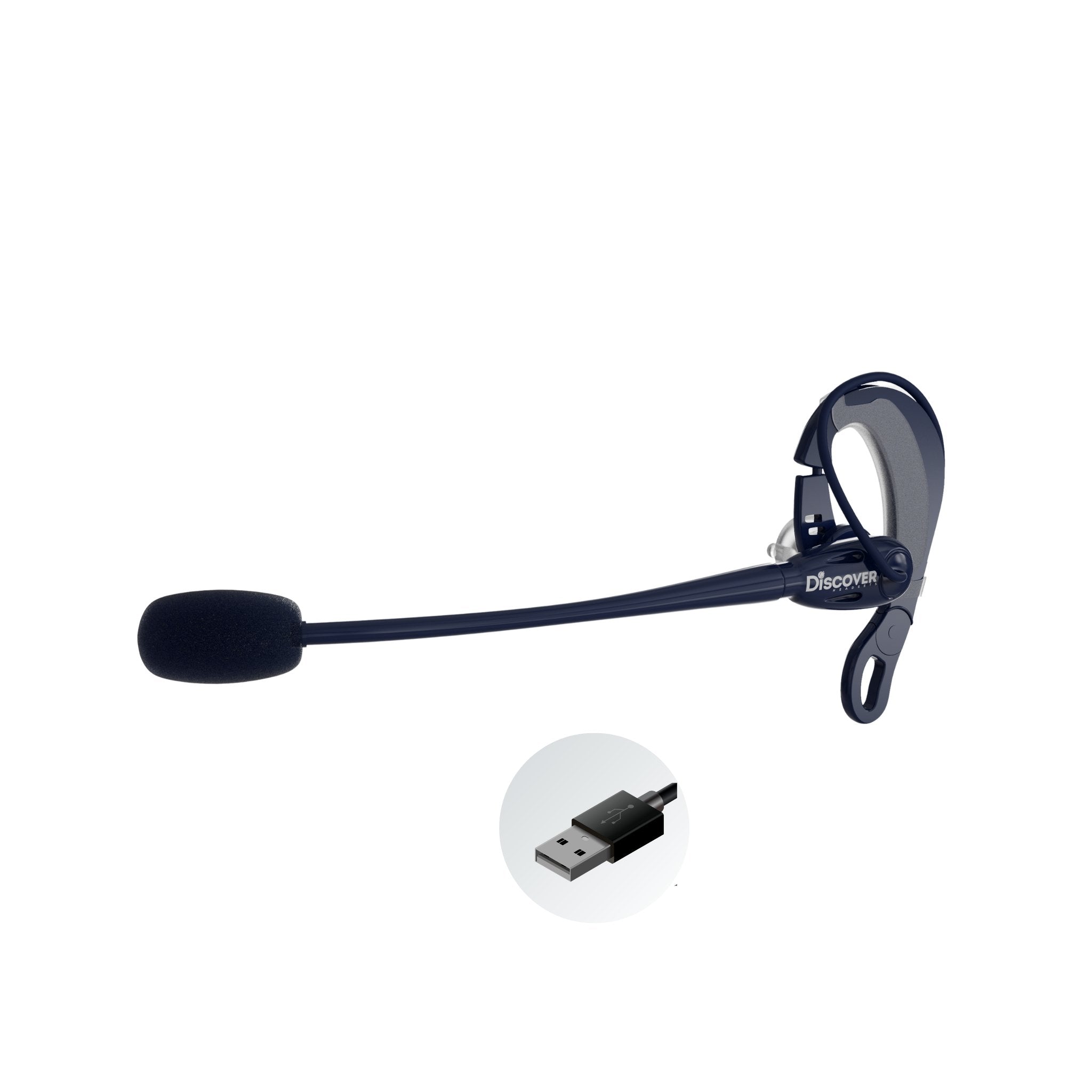
Some models use an in-ear design where an ear gel inserts gently into the ear canal to help stabilize the headset. Others use molded earpieces that rest around the ear and include different ear tip sizes, such as small, medium, and large, to help find the right fit.
Some models may also include multiple ear loop sizes or interchangeable ear gels to better accommodate different users.
The point is, headset fit is highly personal, and small physical differences can have a major impact on long-term comfort, adoption, and productivity.
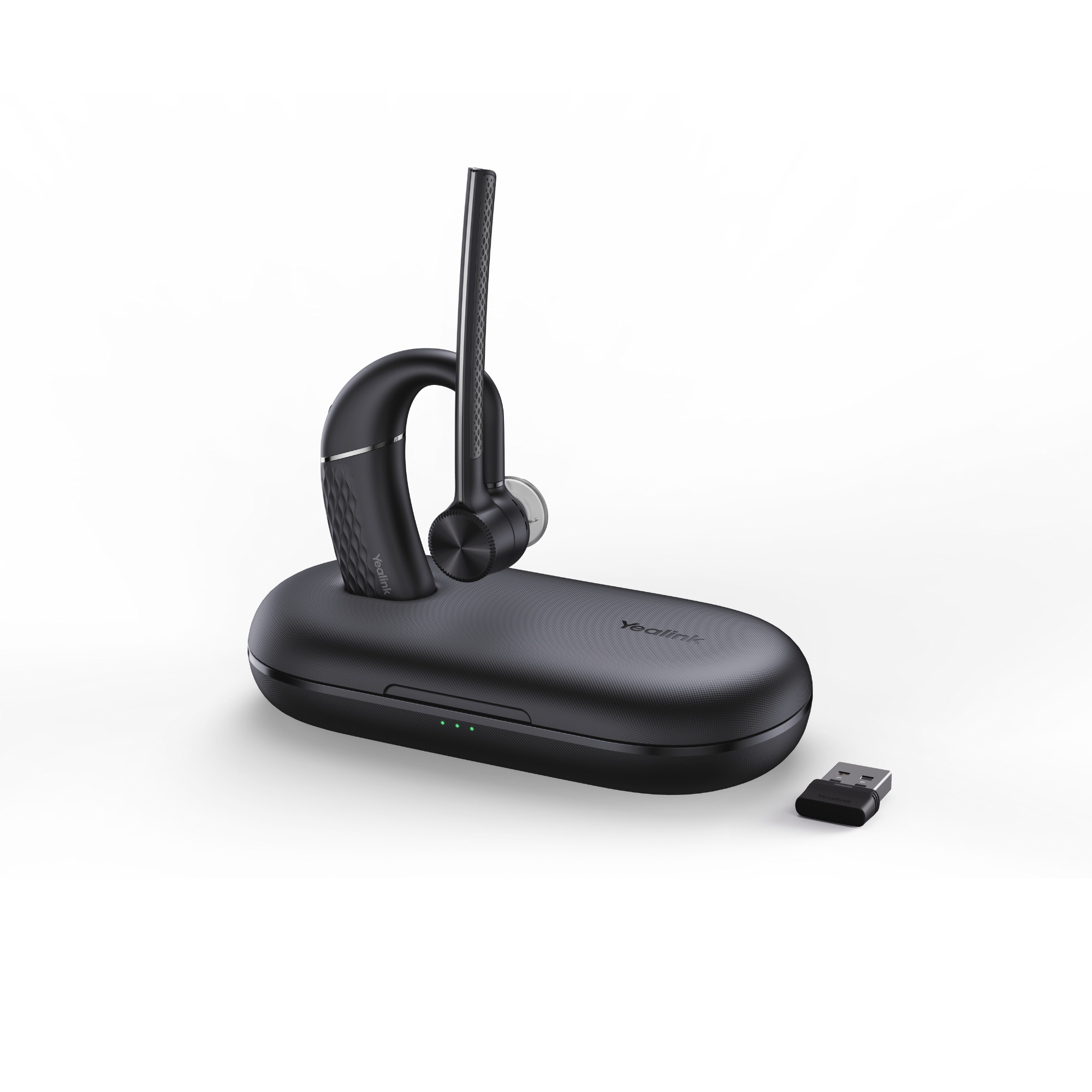
For users who prefer lighter earpiece-style headsets, models like the Yealink WH63 E2 or Yealink BH71 may be worth considering depending on preferred fit and wearing style.

Neckband Headsets Can Help Solve Certain Comfort Issues
For users who struggle with traditional headband styles, neckband headsets can sometimes provide a more comfortable alternative.
Because the support rests behind the neck instead of across the top of the head, some users find neckband styles easier to tolerate over longer periods of time.
This can be especially helpful for employees who:
- Experience headband fatigue
- Wear glasses
- Prefer less pressure across the top of the head
- Need an alternative to over-the-head wearing styles
In some cases, simply changing the way a headset is worn can make a dramatic difference in overall comfort.
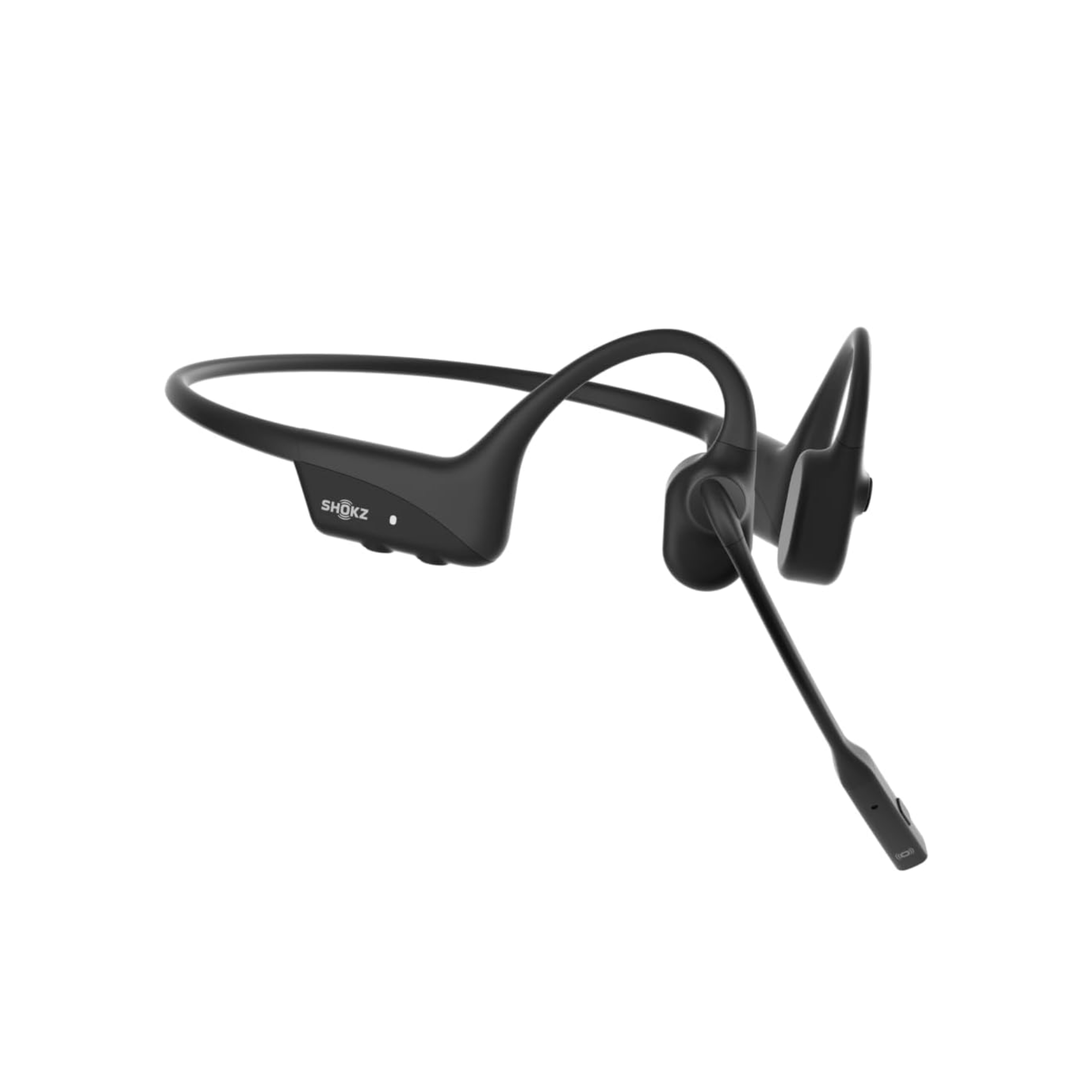
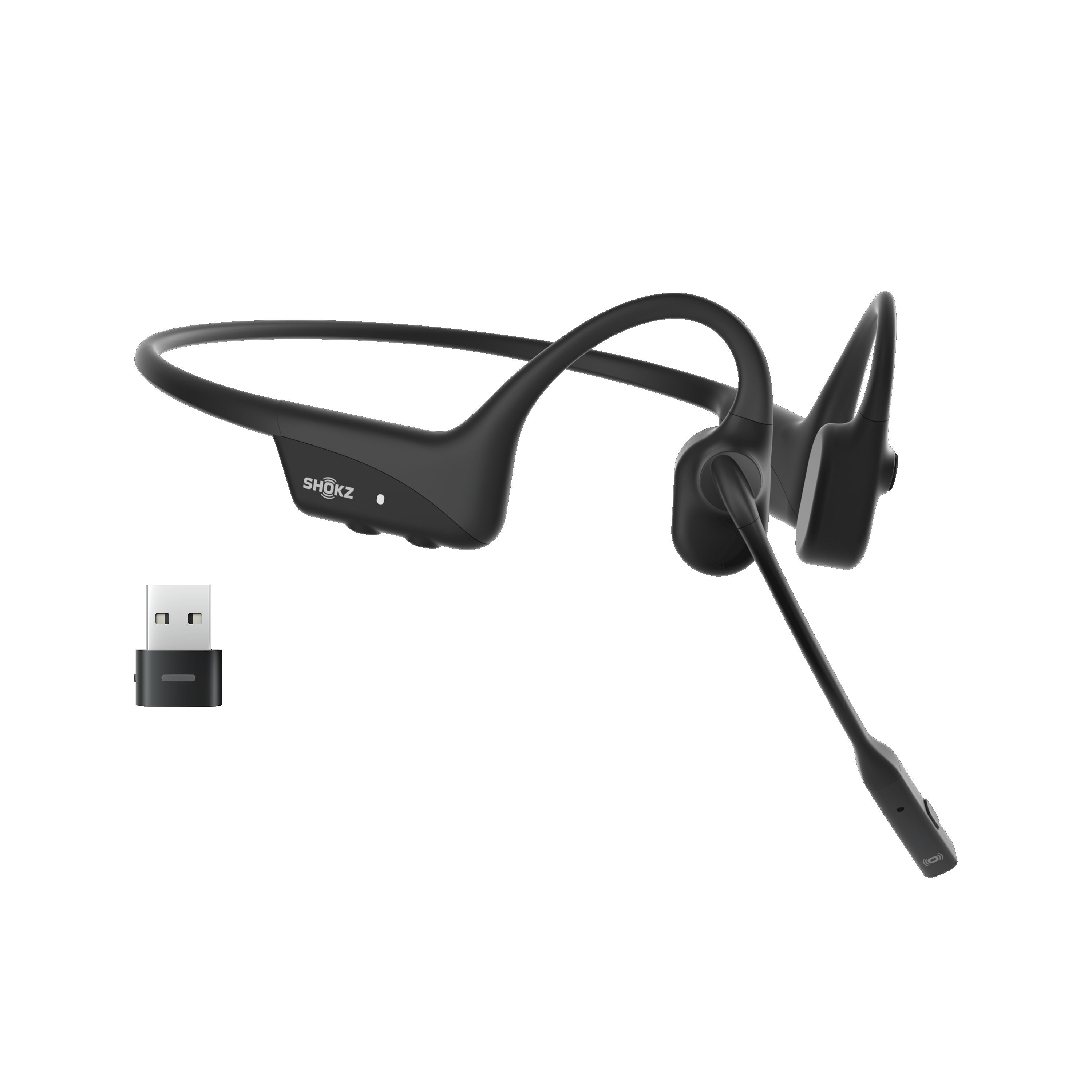
One example is the Shokz OpenComm2 UC, which uses bone conduction technology and a neckband wearing style that leaves the ears open instead of covering or plugging them. For users who dislike traditional over-the-head or in-ear designs, this type of headset may provide a more comfortable alternative.

Another option worth considering is the Yealink WH63, which offers an optional neckband accessory for users who prefer an alternative to traditional headband wearing styles.
Cushion Type Matters Too

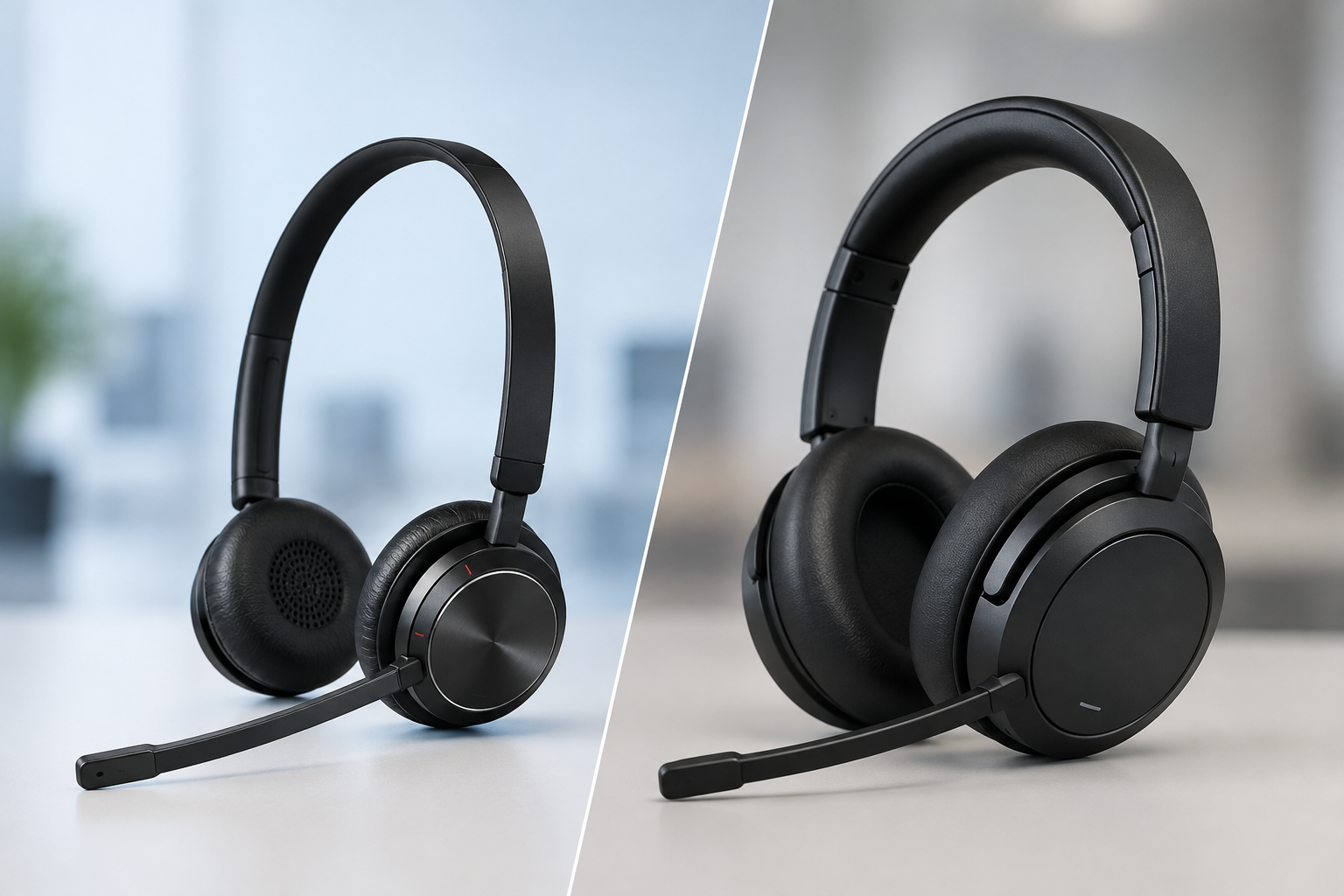
Ear cushion material can also play a surprisingly large role in overall comfort. And as you can see from the image above, there are different shapes of cushions, and materials.
Some users prefer foam cushions because they feel lighter and more breathable. Others prefer leatherette cushions because they provide a softer feel and can help block outside noise more effectively.
Larger ear cushions can also help reduce pressure directly against the ears, which some users find much more comfortable during long shifts.
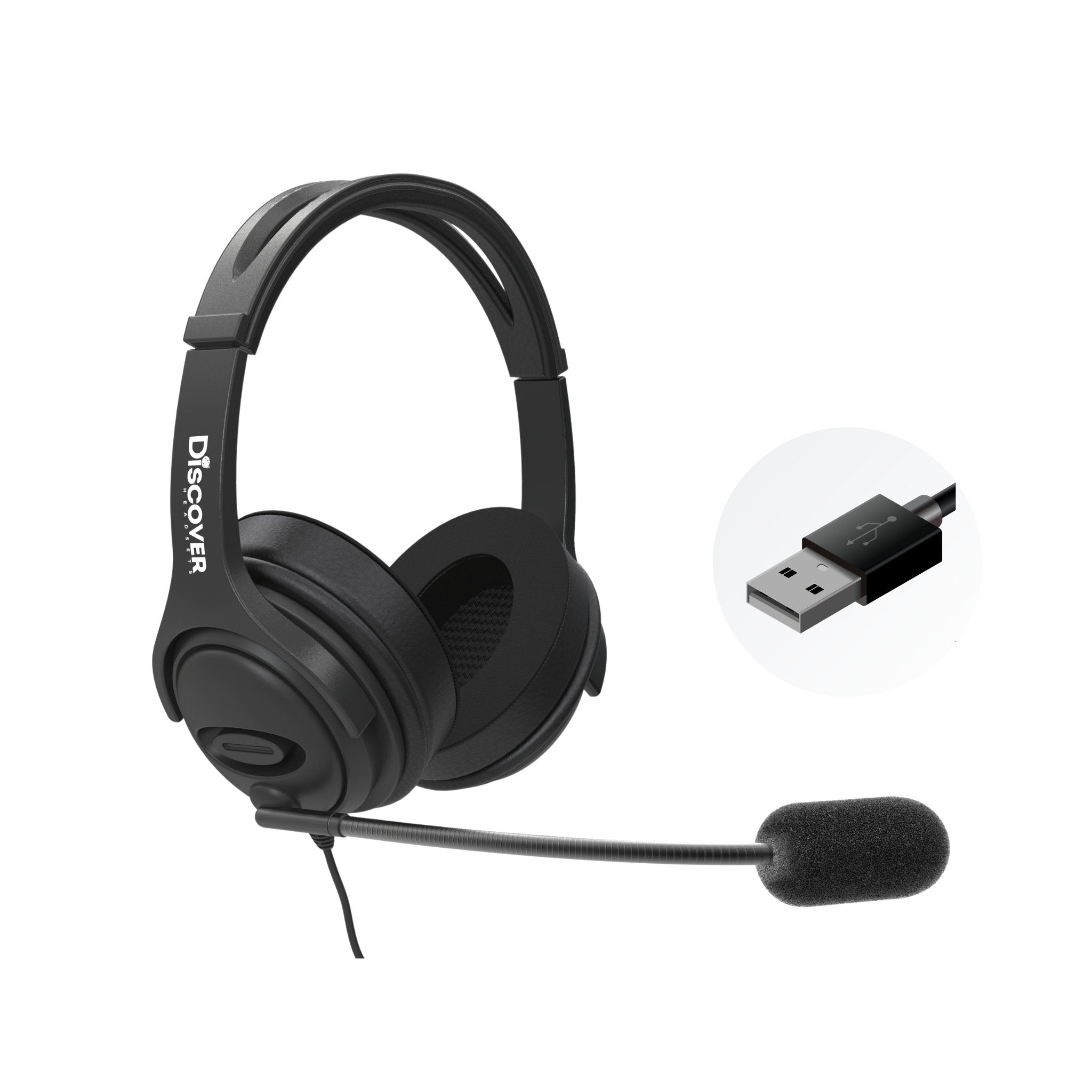
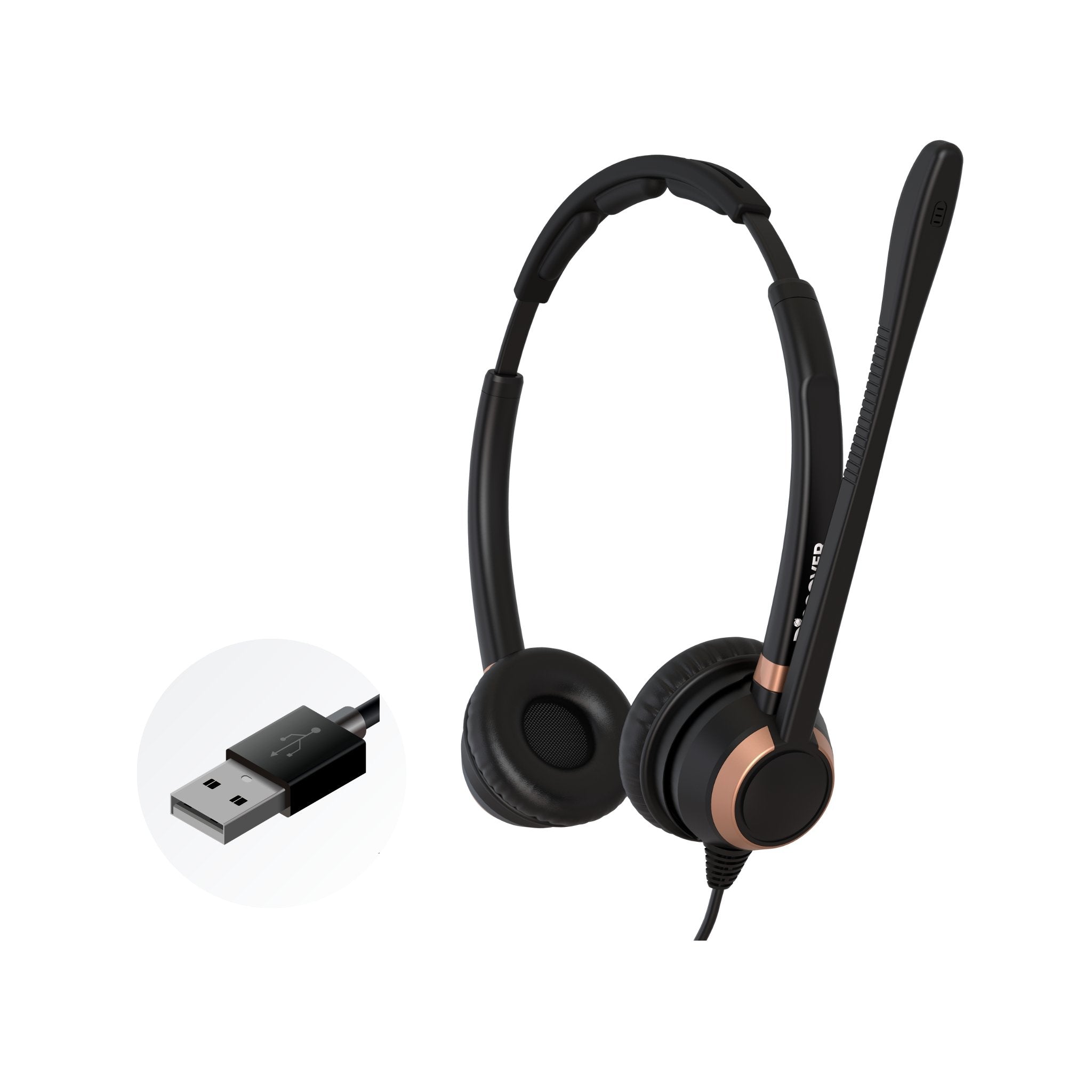
One example is the Discover D722U wired USB headset, which comes with cooling gel memory foam cushions designed to provide a softer, cooler wearing experience while also helping improve passive noise reduction.
These types of small comfort differences can have a meaningful impact over the course of a full workday.
Small Adjustments Can Make a Big Difference
One thing many people don’t realize is that headset fit can often be adjusted more than they think.
For example, some headbands can be gently loosened by carefully applying outward pressure to reduce clamping force. Likewise, inward pressure can sometimes help tighten a headset that feels too loose.
This is something user guides rarely mention, but it’s something we’ve learned through years of hands-on experience working with headset users in real-world environments.
Even small adjustments like these can sometimes turn an uncomfortable headset into one that’s far more wearable throughout the day.
Shared Headsets Aren’t Comfortable for Everyone
Another issue businesses sometimes overlook is how employees feel about sharing headsets.
For some people, using a shared headset may not be a concern at all. For others, it can be unthinkable.
Some employees are highly sensitive to hygiene and cleanliness concerns. These are often the same individuals who regularly sanitize keyboards, phones, desktops, and workstations throughout the day. Asking those employees to share a headset with multiple coworkers would likely not be met with a positive response.
This became an even larger concern in many workplaces following COVID.
Ways to Make Shared Headsets More Comfortable and Hygienic
The good news is that there are several practical ways businesses can make shared headset environments more comfortable for employees. Naturally, sharing a headset isn't for everyone, but for those that do share headsets, there are things you can do to make this a more viable option.
One approach is to provide employees with their own personal ear cushions, microphone windscreens and anti-bacterial wipes. This helps reduce the need to share common headset surfaces while also allowing users to select cushion materials they personally prefer.
For example:
- Some users may prefer foam cushions
- Others may prefer leatherette
- Some may want larger cushions for additional comfort and noise reduction
Another option is the use of disposable ear cushion covers.
These covers wrap around the headset ear cushions before use and can be discarded afterward. In shared environments, this can provide another layer of hygiene protection that many employees may appreciate.
Simple steps like these can sometimes make shared headset programs far more acceptable and comfortable for employees overall.
Taking Short Breaks Can Help Reduce Fatigue

Not every employee will have the opportunity to choose their ideal headset style. In many organizations, employees are issued a standardized model and expected to use it throughout the workday.
In situations like these, taking short breaks from wearing the headset can sometimes help reduce discomfort and fatigue.
Whenever possible, removing the headset between calls or meetings can help:
- Reduce pressure on the ears and head
- Allow ears to breathe
- Minimize long-term discomfort
- Make all-day use more manageable
Even short breaks throughout the day can sometimes make a noticeable difference.
Should Companies Standardize on One Headset?

This is an interesting question because there are valid arguments on both sides.
On one hand, standardization offers several operational advantages.
Using a common headset platform across the organization can simplify:
- Support and troubleshooting
- Employee training
- Accessory management
- Spares inventory
- Firmware management
- Replacement parts
Standardization can also make it easier for IT teams to become highly familiar with a smaller number of products rather than trying to support many different headset models.
This is one reason many IT teams spend time evaluating not only compatibility and support requirements, but also long-term usability and employee adoption before standardizing on a single device.
To provide you with some food for thought when it comes to managing headsets for teams, you might find our blog titled; How IT Directors Can Improve Headset Management Across the Enterprise useful
But there’s another side to the conversation too.
As I’ve discussed throughout this blog, not every headset style works well for every employee.
Some users may have:
- Comfort sensitivities
- Small ears
- Narrow ear canals
- Headache or migraine concerns
- Hygiene concerns with shared equipment
- Fit issues with certain wearing styles
That’s why many organizations may benefit from taking a more hybrid approach.
Instead of allowing unlimited headset variations across the company, some businesses may want to choose to standardize on one primary model while still making reasonable accommodations for employees who may genuinely need an alternative style or fit.
That approach can help simplify support and management while still recognizing that employee comfort and usability matter too.
This means that the company would have a standard, but those who are unable to wear the standard would be accommodated on a case-by-case basis.
Why Headset Comfort Matters More Than Most Businesses Realize

At the end of the day, headset comfort isn’t just about convenience.
If employees dislike wearing their headset, that discomfort can become a daily distraction that can easily affect concentration, productivity, communication quality, and overall job satisfaction.
The most successful headset strategies often take both operational needs and employee comfort into account.
Because while standardization and support are important, employee acceptance matters too. Sometimes it’s the little things that can really make a difference.
And in many cases, small adjustments, alternative wearing styles, better cushions, or simple accommodations can make a much bigger difference than most businesses realize.
Have Questions Or Need Some Help?
Choosing the right headset solution for your team isn’t always easy, especially when different employees have different comfort needs and work styles. And that’s not to mention the wide assortment of available options. Headset buying today isn’t like it was in the past. Advancements have occurred, and choices are plentiful which makes decisions a bit tougher.
That’s where Headset Advisor can help.
We’ve specialized in headsets for over 30 years and have helped businesses navigate everything from comfort concerns and wearing styles to shared headset environments, standardization strategies, and workplace communication needs.
If you have questions or need help finding the right solution for your organization, contact us today and let one of our Advisors help point you in the right direction.
With over 800 five-star Google reviews, we think you’ll find us to be a great company to work with.