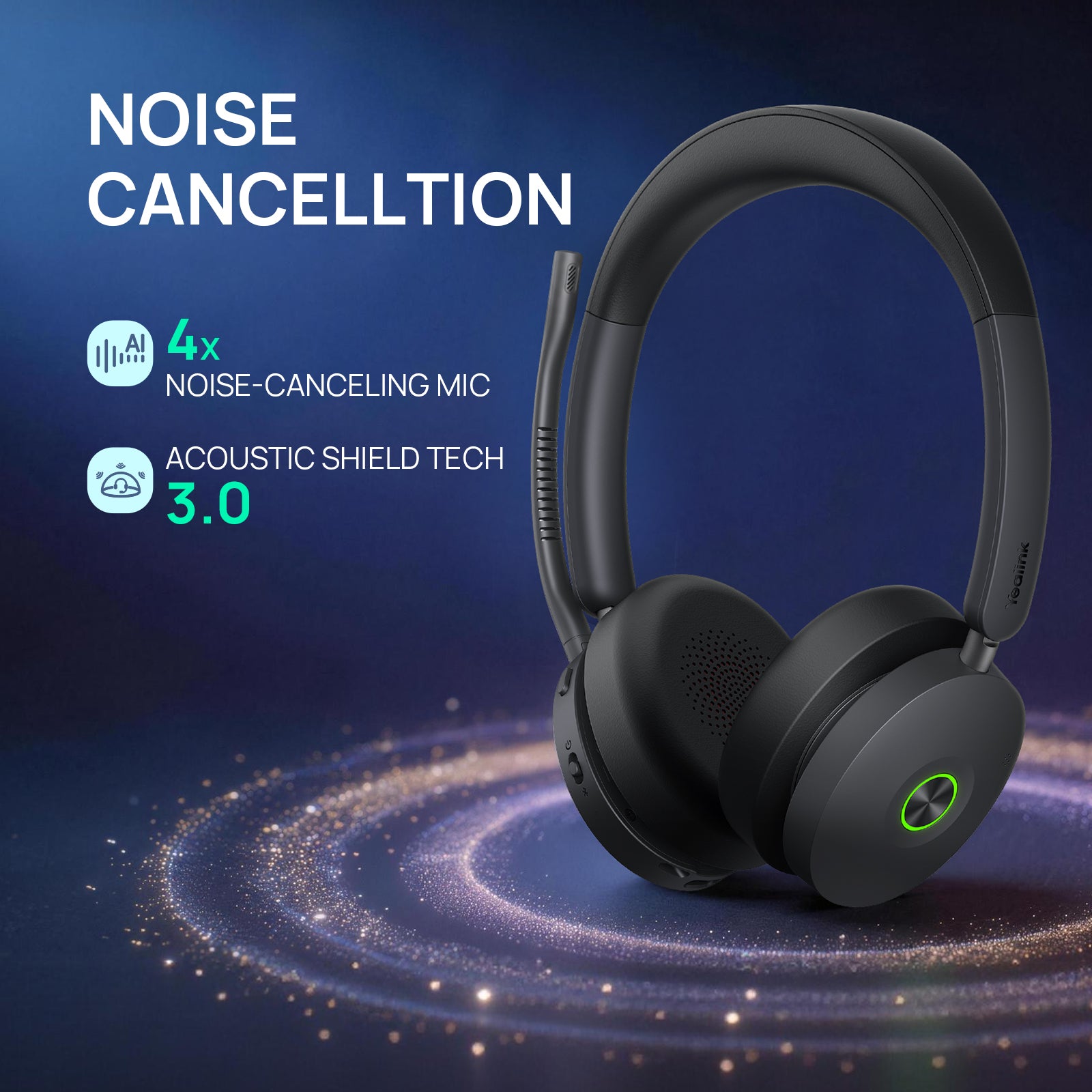
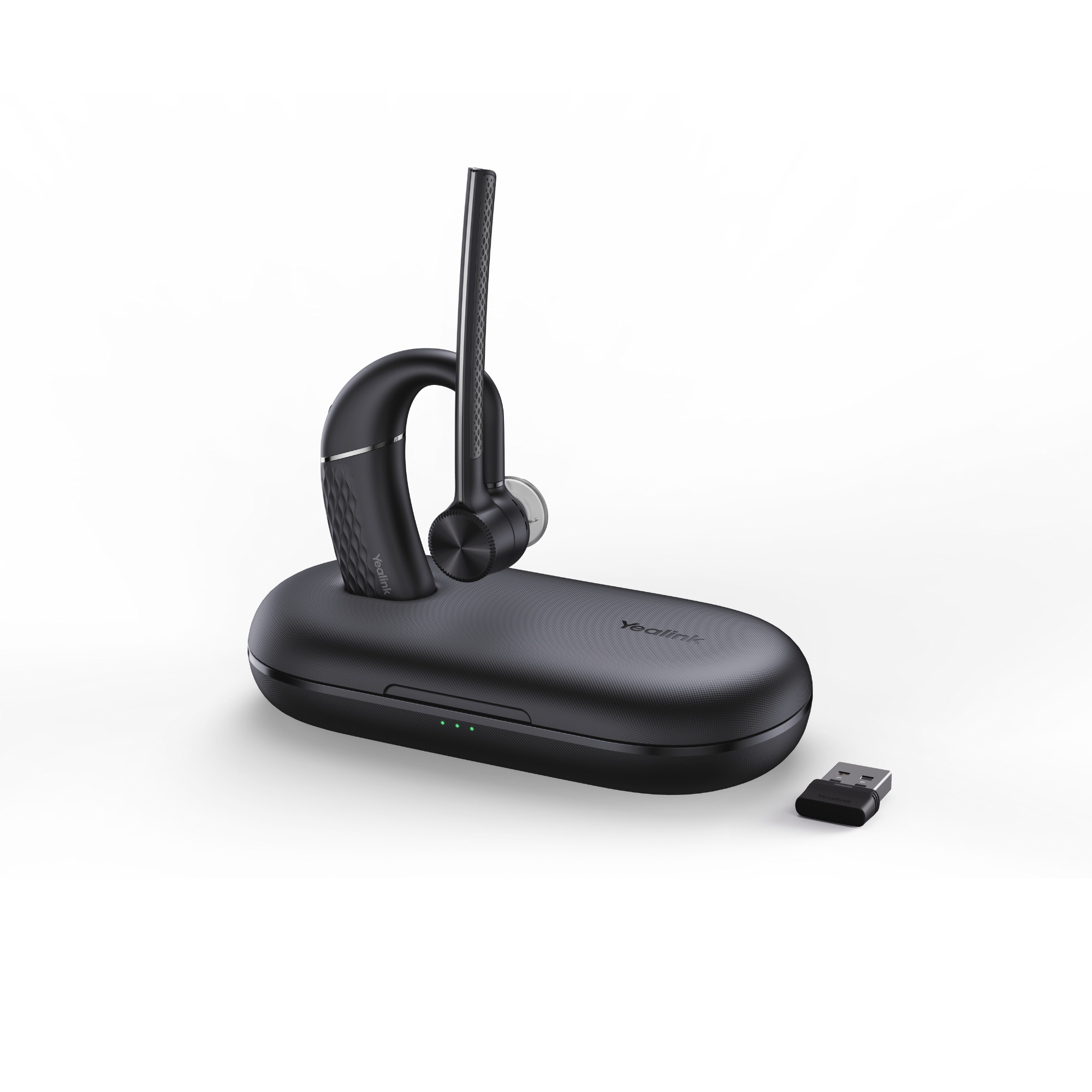
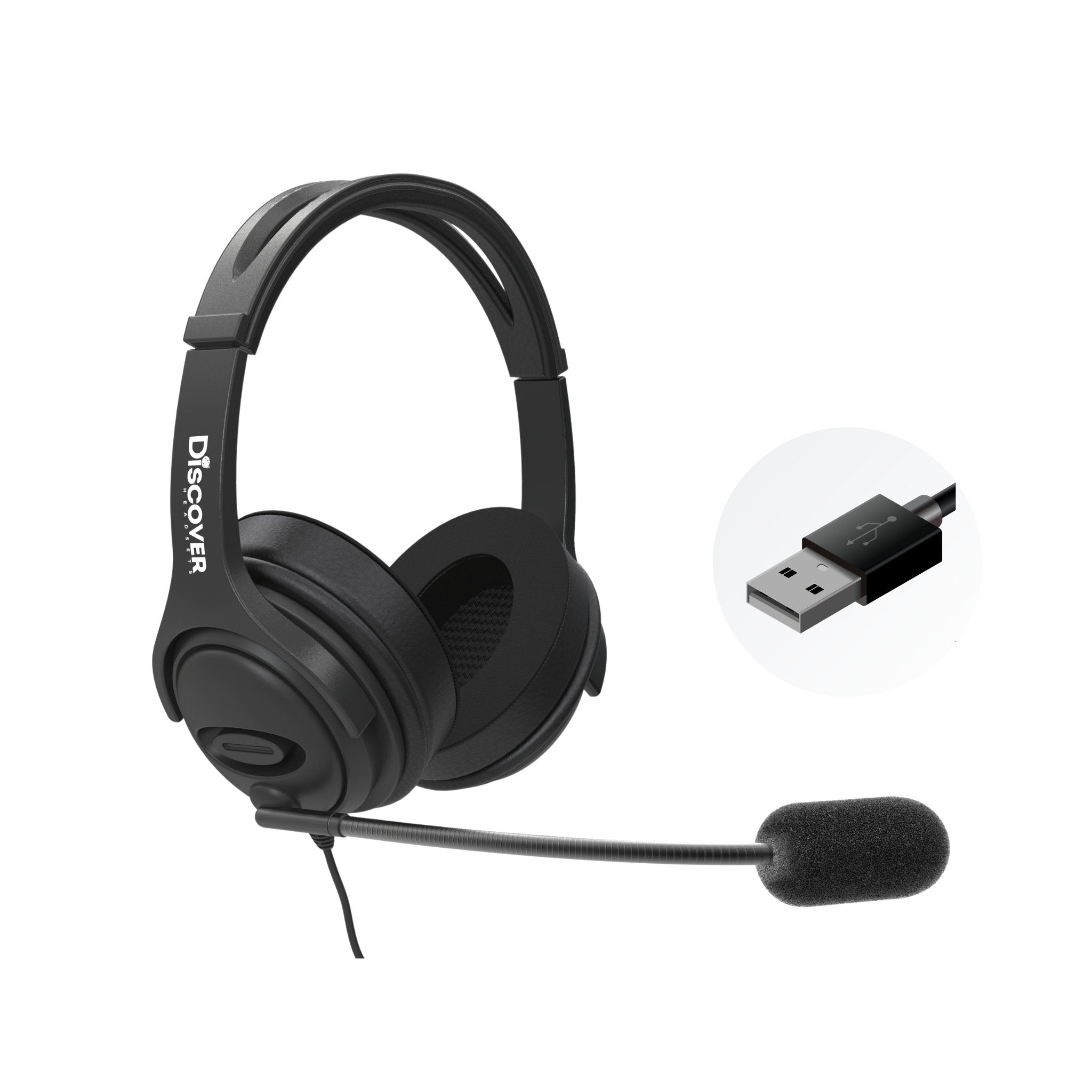
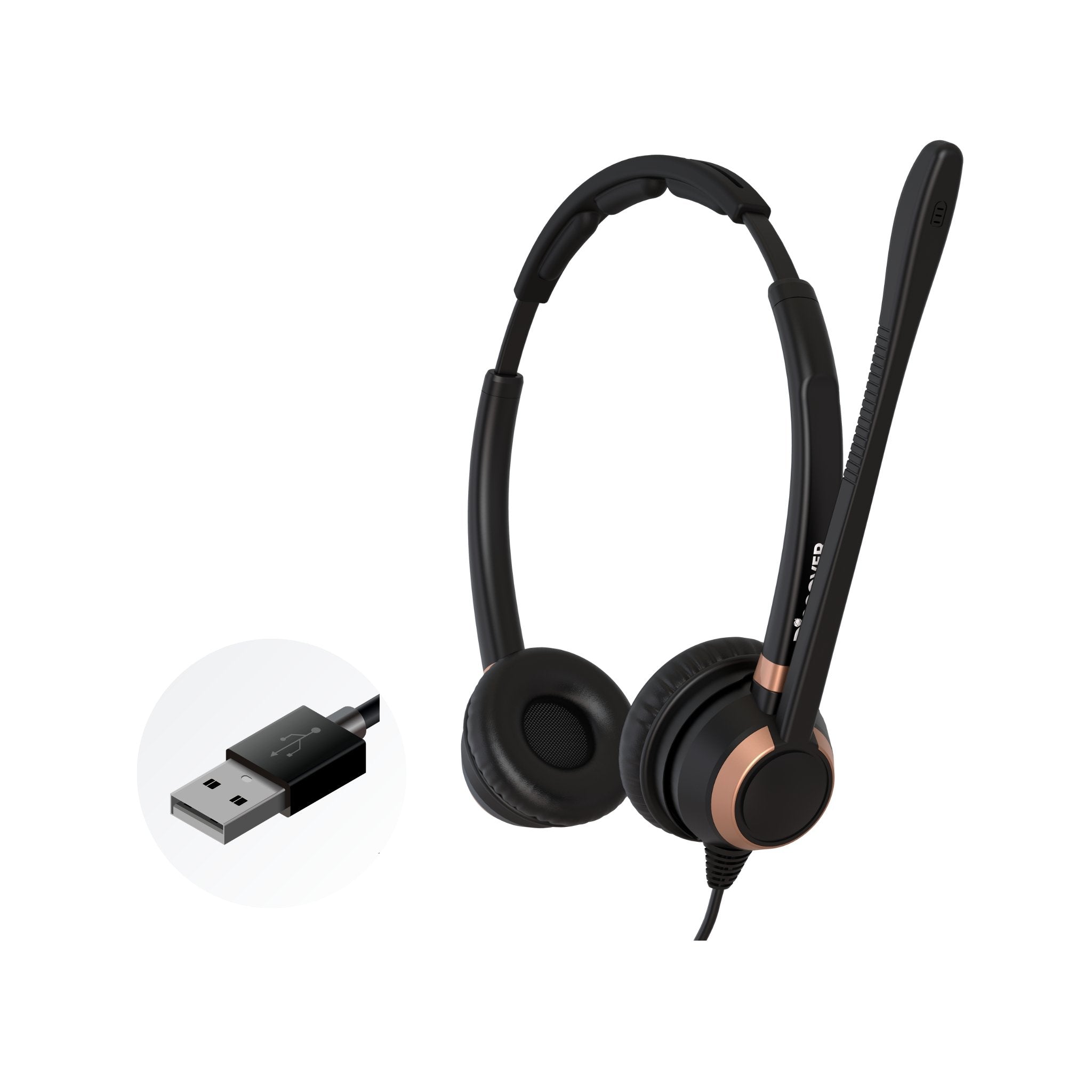
Do you want the best headset?
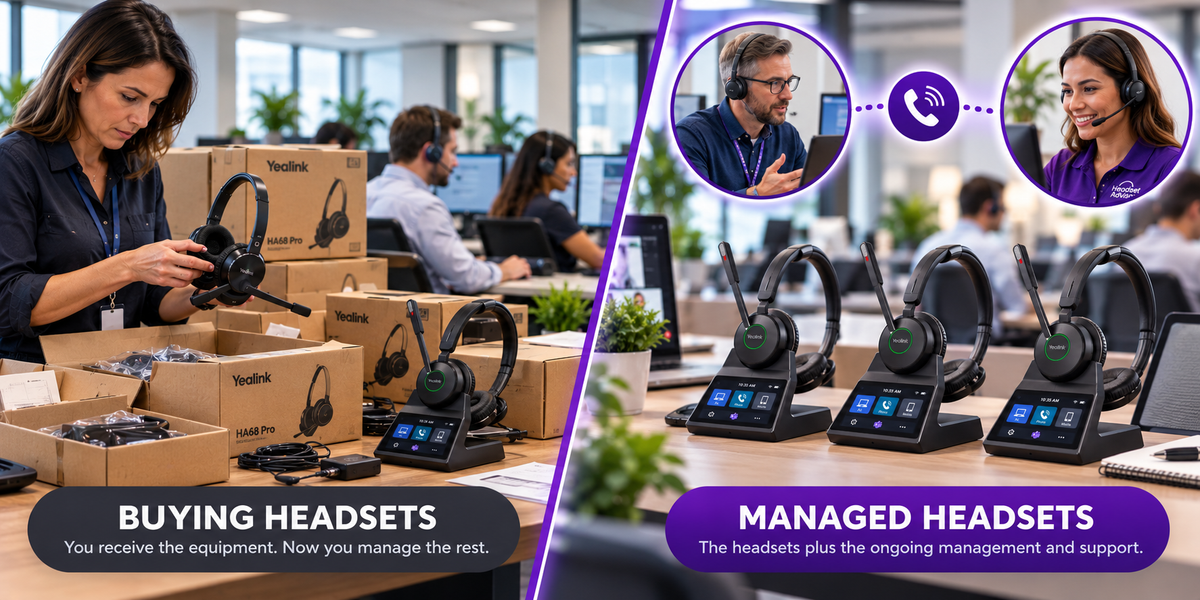
Buying headsets for employees sounds pretty straightforward.
You have 50 employees who need headsets, so you buy 50 headsets. They arrive, everyone gets one, and the project is finished.
Except it really isn't.
You now have 50 batteries, 50 warranties, ear cushions that will eventually wear out, headsets that can fail or get damaged, employees who leave, new employees who start, and equipment that will eventually need to be replaced.
And somebody in your organization has to manage all of it.
That's the part of a headset deployment that's easy to overlook—and it's the problem our Managed Headsets Program was designed to address.
Important: The Headset Advisor Managed Headsets Program is designed for business deployments of 10 or more headsets. It isn't available for individual headset purchases.
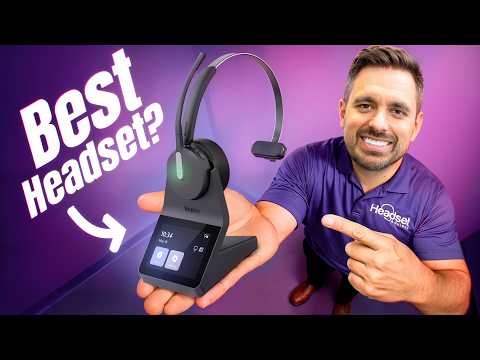
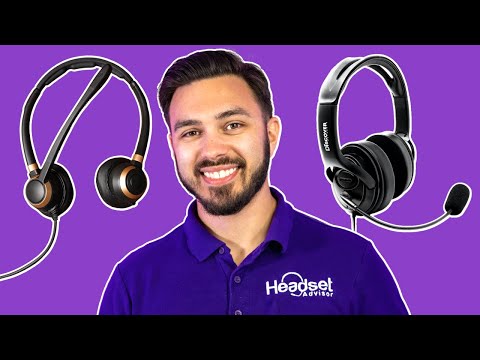
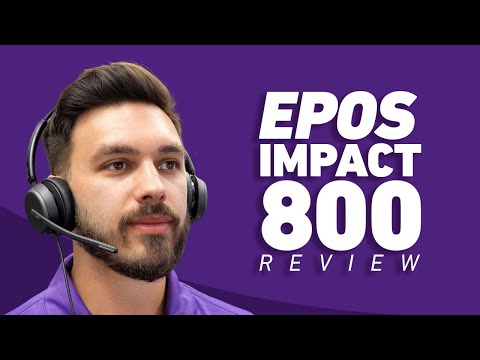
Prefer to watch? In this short video, Drew explains how the Managed Headsets Program works, what's included, and why it's different from simply leasing headsets.
Buying The Headsets Is Only The Beginning
When you're planning a headset deployment, most of the attention naturally goes toward selecting the right equipment.
Will the headsets work with your computers and phones? Are they comfortable? Do they have good microphone noise cancellation? What's the wireless range? And, of course, how much will the initial purchase be?
Those are all important questions.
But there's another question that deserves just as much attention:
What happens after you deploy them?
Imagine you're responsible for 100 headset users.
Six months later, one employee's headset stops working. Someone needs to troubleshoot it, determine whether it's under warranty, locate the purchase information, contact the manufacturer and arrange for repair or replacement.
Another employee's battery no longer holds a charge.
Someone else's ear cushions are worn out.
Another employee accidentally damages a headset.
Then an employee leaves and a replacement is hired. What happens to that headset? Can it be reassigned? Does the new employee really want to wear someone else's used ear cushions?
None of these issues seems particularly significant by itself.
But multiply them across 50, 100, 500 or 1,000 employees over several years, and headset ownership creates an ongoing equipment-management job that somebody, often IT, has to handle.
What Is The Headset Advisor Managed Headsets Program?
Our Managed Headsets Program changes the way your organization acquires and manages its headsets.
Instead of making a large upfront hardware purchase and then assuming responsibility for everything that happens afterward, your organization pays one predictable, affordable monthly rate per user.
Depending on the headset and quantity, monthly rates are typically about $4 to $20 per user, with no upfront hardware cost or deposit.
But the hardware itself is only part of the program.
The bigger benefit is what happens after your headsets have been deployed.
Covered equipment failures, replacement batteries, worn ear cushions, certain accidental damage, employee turnover and equipment replacement are all areas the program is designed to help manage.
That can take a collection of small but recurring headset-management tasks off your organization's plate.
Managed Headsets Isn't Just Leasing
This distinction is important.
At first glance, a monthly rate for headset equipment might sound like an ordinary equipment lease.
It isn't.
With traditional leasing or financing, you're still paying for the equipment, you’re simply spreading the expense over time and to a great extent, paying for the use of it instead of paying for it all upfront.
With Managed Headsets, the headset is only part of what the monthly rate provides.
The ongoing management is where much of the value lies. And this value is what helps to make the day to day managing of a population of headsets far easier.
Consider that 100-user deployment again.
If a headset experiences a covered failure, your IT department doesn't need to spend time navigating a manufacturer's warranty process and then leave the employee waiting while everything gets sorted out.
You contact Headset Advisor, and for a covered failure, we can ship the replacement first. Your employee gets back up and running, and the defective complete headset is returned afterward.
For organizations managing larger fleets, defective headsets can also be accumulated and handled as a batch exchange.
It's a small difference when you're dealing with one headset.
It's potentially a much bigger difference when you're responsible for hundreds, or more.
Batteries And Ear Cushions Wear Out Too
Not every headset problem involves a broken headset.
Rechargeable batteries gradually lose their ability to hold a charge. Ear cushions wear down through everyday use.
Those are a normal part of owning and using headsets, but somebody still has to identify what is needed, order the replacement part and get it to the employee, all of which takes time and human effort.
With Managed Headsets, covered replacement batteries and ear cushions are included.
That means these routine wear items don't have to become another unexpected purchase or another procurement task every time an employee needs one.
What If Someone Accidentally Breaks A Headset?
Accidents happen, especially when you're managing equipment used by a large workforce.
Our Managed Headsets program includes one accidental-damage replacement per device every 12 months.
There are reasonable limits.
A lost or stolen headset isn't treated the same as accidental damage. And, borrowing Drew's example from the video, you can't run over the headset with a forklift every month and expect a continuous stream of replacements.
The point is to cover the kinds of occasional accidents that happen when equipment is being used every day, not unlimited loss or abuse.
Employee Turnover Creates Another Headset Problem
This is one of those issues companies may not think much about until they're dealing with it.
An employee leaves.
Another employee is hired.
The departing employee’s equipment gets returned, stored and later reassigned. After enough turnover, it can become difficult to keep track of which headset belongs where, how old it is and what condition it's in, not to mention whether it's still in warranty.
There's Also The Hygiene Issue
Most new employees probably aren't excited about being handed a headset that's been worn every day by the person who previously held their position.
Managed Headsets supports same-model turnover swaps and reassignment, helping organizations keep equipment in circulation without automatically purchasing another complete headset every time the workforce changes.
For an organization with regular employee turnover, that can make headset management considerably simpler.
What Are The Monthly Rates?
The monthly rate depends on the headset selected and the size of the deployment.
For most models, you can expect rates of approximately $4 to $20 per user per month, with no upfront hardware cost or deposit.
That gives an organization a much more predictable headset expense that’s easier to budget for.
Instead of approving a large equipment purchase and then encountering replacement expenses at different times over the following years, the organization has a consistent monthly program rate.
The Term Is 36 Months
We think this is important enough to state clearly rather than burying it somewhere in the fine print.
The Managed Headsets term is 36 months.
But that doesn't mean you have to use the same aging equipment indefinitely.
At the end of the initial term, you have several options.
- You can upgrade your users to newer equipment and begin a new term
- You can continue using the existing equipment month-to-month at the same rate
- You can purchase the equipment for 20% of MSRP
- or you can return the headsets and end the program
The upgrade option can be particularly useful for organizations with larger headset fleets, and it’s the path most take because they receive a complete headset refresh. This refresh may be with a model that better meets your updated needs.
Think about what can happen when a company purchases 100 headsets outright.
Three years later, some may still be the originals. Others may have been replaced. New employees may have received different models. Some equipment may be nearing the end of its useful life while other equipment is relatively new.
Eventually, someone has to decide when and how to refresh everything.
Managed Headsets gives you the option of building a more natural equipment refresh cycle into the deployment while helping keep the fleet standardized.
Buying Headsets vs. Managed Headsets
There's nothing inherently wrong with purchasing headsets outright. That's the preferred choice for many companies.
In fact, for some organizations, based on their budget and purchase philosophy, that can be the better choice.
The important thing is understanding the difference between buying the hardware upfront and using a program designed to help manage the hardware throughout its working life.

The right choice depends on how your organization prefers to acquire and manage its equipment, and in some cases, what the budget allows.
Who Should Consider Managed Headsets?
For starters, it should be an organization that is looking to deploy a minimum of 10 headsets.
Beyond that modest number, the value of the program becomes easier to see as the number of users grows.
If your organization has 50 headset users, you may appreciate having someone else help manage replacements and wear items.
If you're responsible for 100, 500 or 1,000 users, those small management tasks can multiply quickly, and easily consume valuable supervisor, management or IT time.
Managed Headsets may be worth considering if your organization:
- Plans to deploy 10+ headsets.
- Wants to avoid a large upfront hardware purchase.
- Prefers a predictable, easy to manage monthly rate.
- Doesn't want IT having to manage headset warranty claims and routine replacements.
- Experiences regular employee turnover.
- Wants help maintaining the headset fleet.
- Likes having a clear and defined path for refreshing equipment.
On the other hand, if your organization prefers to own its equipment outright, doesn't mind managing warranties, accessories and replacements internally, and would rather make the full hardware purchase upfront, buying may make more sense.
The goal isn't to have a Managed Headsets program fit every organization, and every situation.
It's to give companies that don't want to manage all these details themselves another option.
What About The Headsets You Already Own?
Larger organizations sometimes have another headset problem: boxes of older equipment sitting in storage.
Before throwing that equipment away, or letting it continue collecting dust, it may be worth finding out whether those items still have value.
Headset Advisor's Trade-In Program is designed for larger quantities of qualifying business communication equipment. Depending on the models, quantities and condition, your existing equipment may have trade-in value that can be applied toward new equipment or a transition to the Managed Headsets Program.
And it isn't limited to headsets. Qualifying equipment can include desk phones, speakerphones, video conferencing equipment and other business communication products.
This can be especially useful if you're planning a larger headset deployment. Instead of simply disposing of the equipment you're replacing, or paying an e-waste company to pick it up, you may be able to put some of its remaining value toward your next deployment.
So before clearing out that equipment closet, find out what your old equipment may be worth.
Learn more about the Headset Advisor Trade-In Program
Want a quick overview first? Watch Drew explain how the Trade-In Program works
Before Your Next Headset Deployment, Ask These Questions
Choosing the right headset still matters.
You want something compatible with your equipment, comfortable for your employees and appropriate for the way they work.
But if you're deploying 10, 50, 100 or 1,000 headsets, choosing the hardware is only one part of the overall decision.
Before placing an order, ask:
- Who's going to manage all of these after we buy them?
- Who handles the warranty claim when one stops working?
- Who orders batteries and replacement ear cushions?
- Who deals with accidental damage?
- Who manages the equipment when employees leave?
- And who eventually decides when it's time to replace the entire fleet?
If the answer to all of those questions is your IT department, our Managed Headsets program may be worth considering.
Headset Advisor can help you look at both approaches based on your actual number of users, the headsets you're considering and how your organization prefers to manage its equipment.
LEARN MORE ABOUT MANAGED HEADSETS
Have Questions Or Need Some Help?

Today, there are more headset options available than ever before. That makes the decision making process more complicated. Do you get a wired model, or would wireless serve your needs better? Bluetooth or DECT headset, or one that has both? How much noise canceling do I need in order to have professional sounding calls? Does the model being considered have Active Noise Cancellation, so employees are less distracted, and can be more productive? The list is long, and the decisions are sometimes not easy.
That’s where Headset Advisor can be a big help.
For over 30 years we’ve assisted business customers with their communication needs by providing timely, accurate advice on the best communication solutions. Besides our professional assistance, we also help with the setup to help make things go smoothly once you take delivery.
Contact us today if you have questions, or need some help.
Frequently Asked Questions About Managed Headsets
How many headsets do I need to qualify for the Managed Headsets Program?
The program is designed for business deployments of 10 or more headsets. It isn't available for individual headset purchases.
How much are Managed Headsets monthly rates?
Rates vary depending on the headset model and quantity. Most models typically range from approximately $4 to $20 per user per month, with no upfront hardware cost or deposit.
Is Managed Headsets the same as leasing headsets?
No. A traditional lease primarily allows you to pay for the use of equipment over time. Managed Headsets combine the equipment with ongoing services that can include covered replacements, batteries, ear cushions, accidental-damage coverage, turnover swaps and ongoing support.
How long is the Managed Headsets commitment?
The program term is 36 months. At the end, you can upgrade to newer equipment that may better meet your current needs, continue month-to-month at the same rate, purchase the original equipment for 20% of MSRP, or return the headsets and end the program.
What happens if a headset stops working?
If it's a covered failure, contact Headset Advisor. We can ship the replacement in advance so your employee can get back to work, and the complete defective headset can be returned afterward. Larger organizations can also arrange to accumulate defective units for a batch exchange.
Are replacement batteries and ear cushions covered?
Yes. Covered replacement batteries and worn ear cushions are included as part of the Managed Headsets Program.
What happens if an employee accidentally breaks a headset?
The program includes one accidental-damage replacement per device every 12 months. Lost or stolen equipment isn't covered, and program limitations apply.
What happens when an employee leaves the company?
The program supports same-model turnover swaps and reassignment, which can help you redeploy equipment as employees leave and new employees are hired without having to purchase another complete headset(s).
Can we trade in headsets we already own?
Possibly. Headset Advisor's Trade-In Program accepts qualifying business communication equipment based on factors such as model, condition and quantity. Eligible trade-in value can be applied toward new equipment purchases or to the Managed Headsets Program.
Watch Drew explain the Headset Advisor Trade-In Program
Who is the Managed Headsets Program best suited for?
It's designed for organizations deploying 10 or more headsets that would rather not manage all the warranties, covered replacements, wear items, employee turnover and equipment refreshes themselves. Organizations that prefer outright ownership and are comfortable handling those responsibilities internally may prefer purchasing their headsets instead.