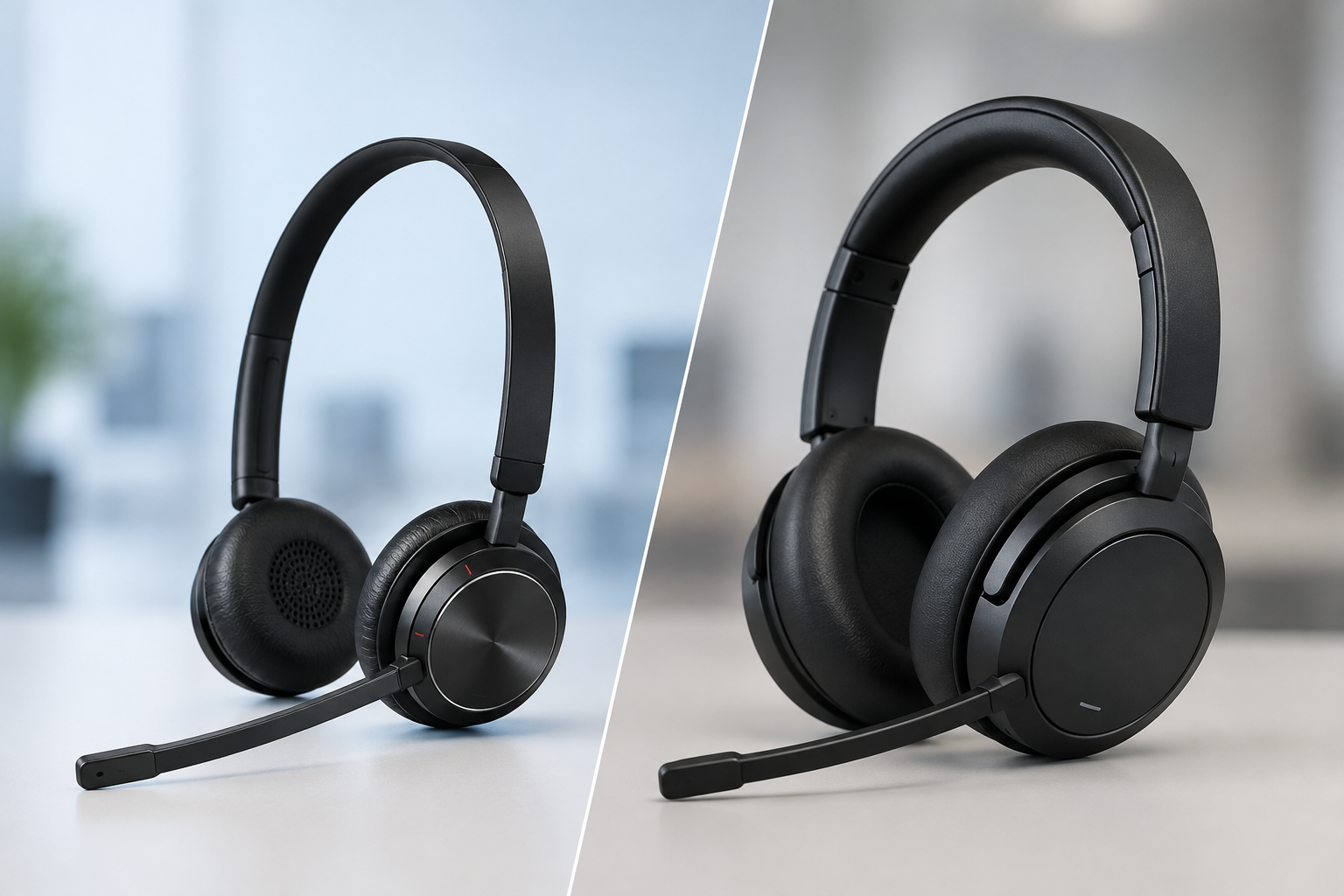
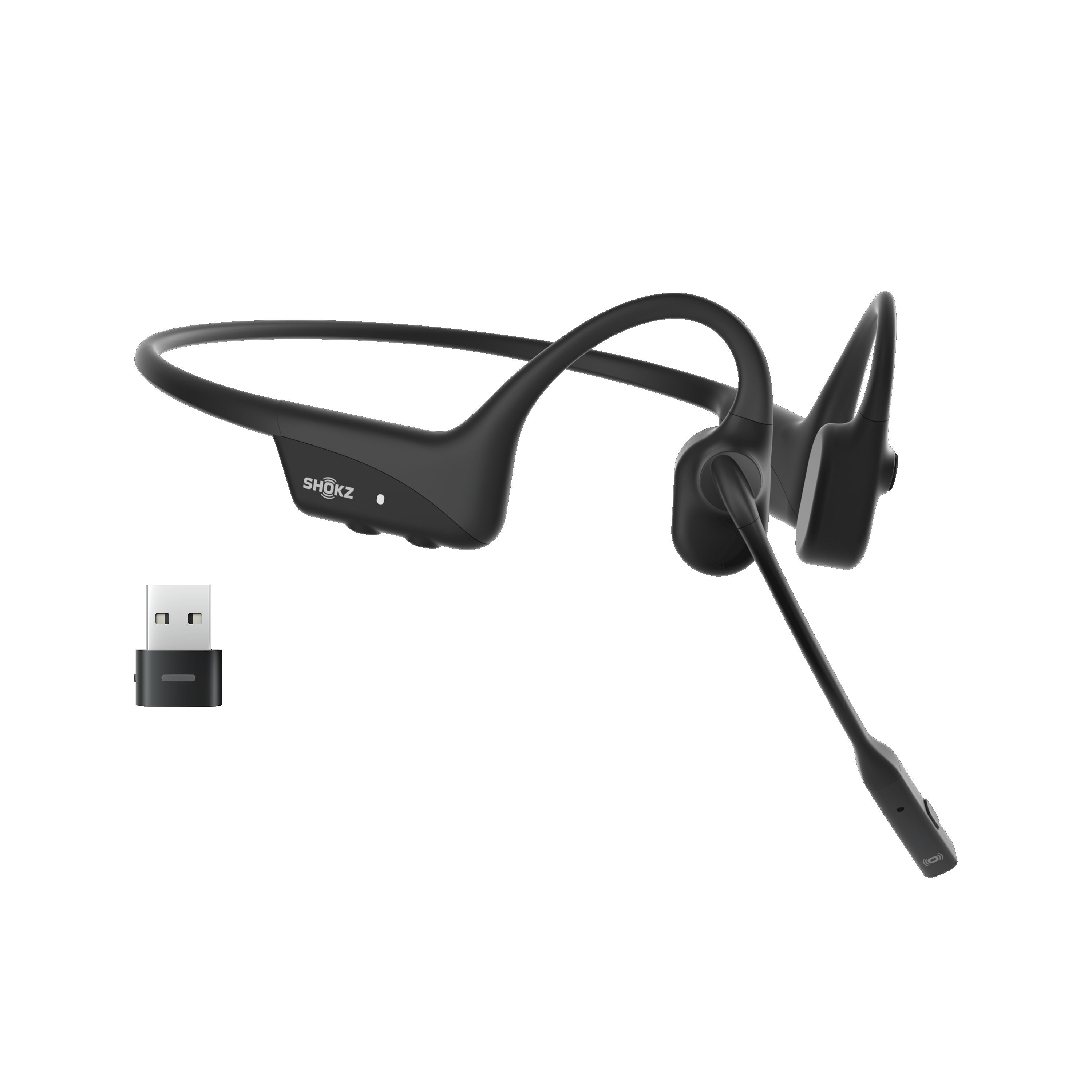
Do you want the best headset?
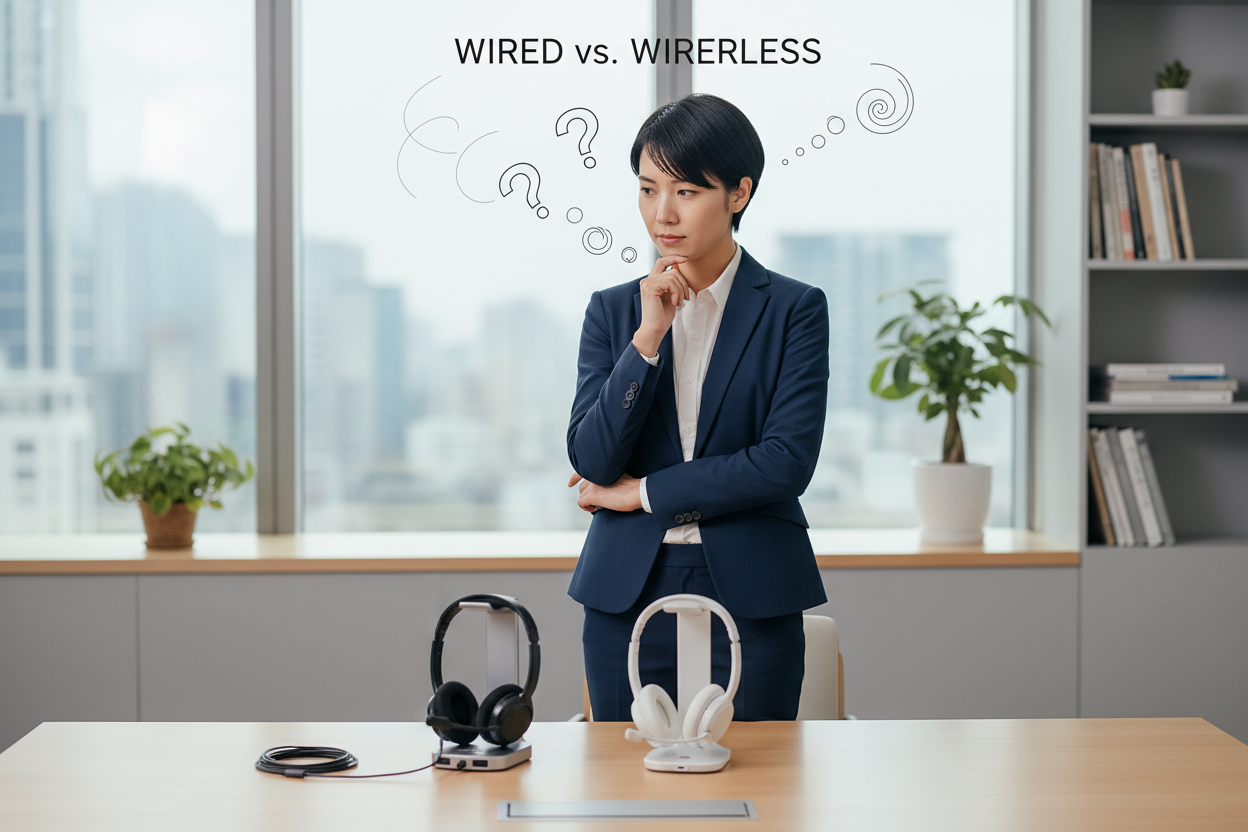
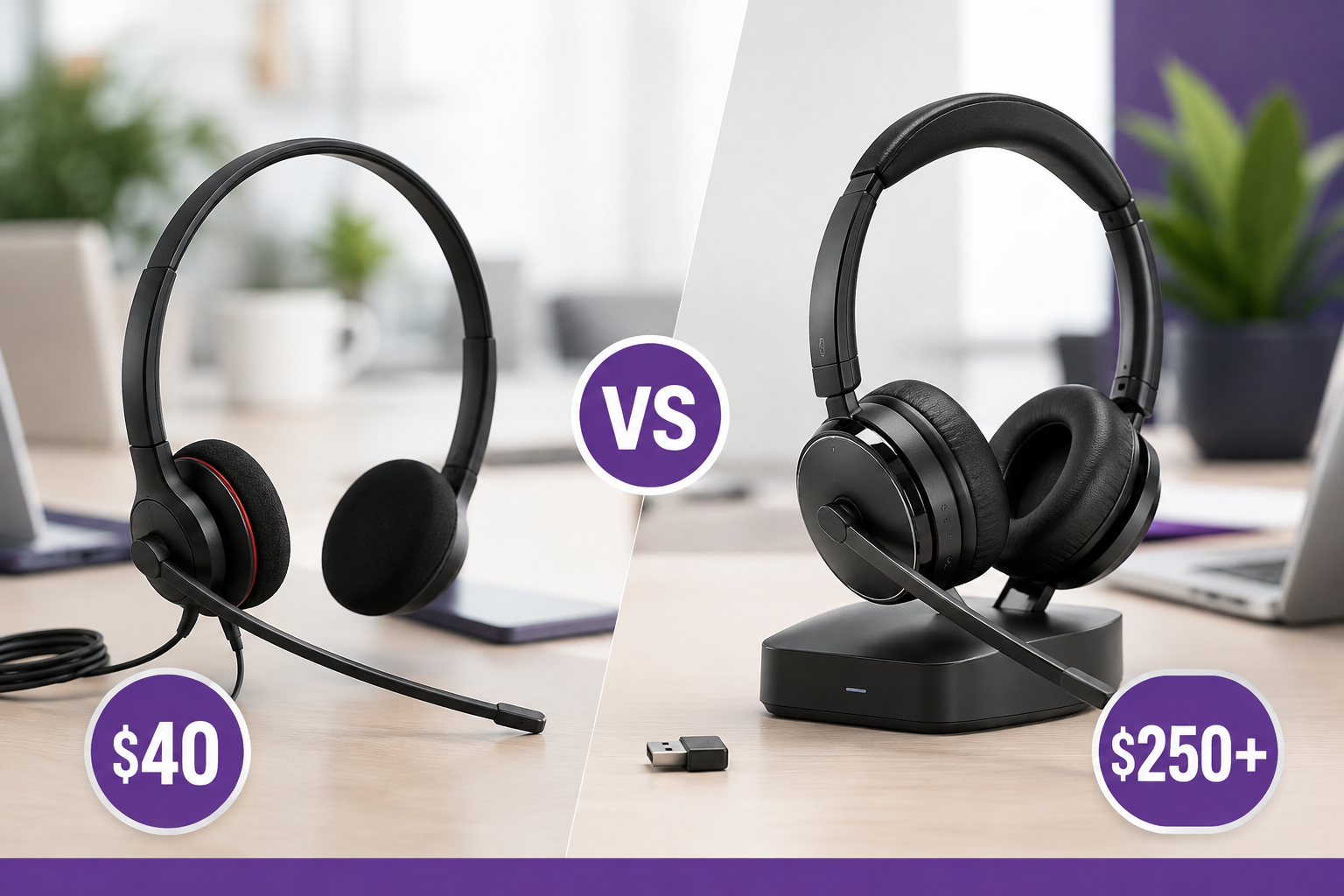
Choosing the right headset for your office, call center, or dispatch environment is an important decision that directly impacts productivity, communication quality, and overall workflow. One of the most common questions organizations face is whether to go with a wired or wireless headset.
Both options have their advantages, and the right choice ultimately depends on your specific needs, budget, and work environment. In this guide, we’ll break down the pros and cons of wired and wireless headsets to help you make an informed decision.
Why the Right Headset Choice Matters
Headsets are more than just accessories—they are essential communication tools. Whether your team is handling customer calls, coordinating operations, or managing emergency response, clarity and reliability are critical.
The decision between wired and wireless affects:
-
Employee mobility and flexibility
-
Budget and long-term costs
-
Ease of use and maintenance
-
Overall user experience
Understanding how each option performs in these areas can help you align your choice with your operational goals.
Wired Headsets: Reliable and Cost-Effective

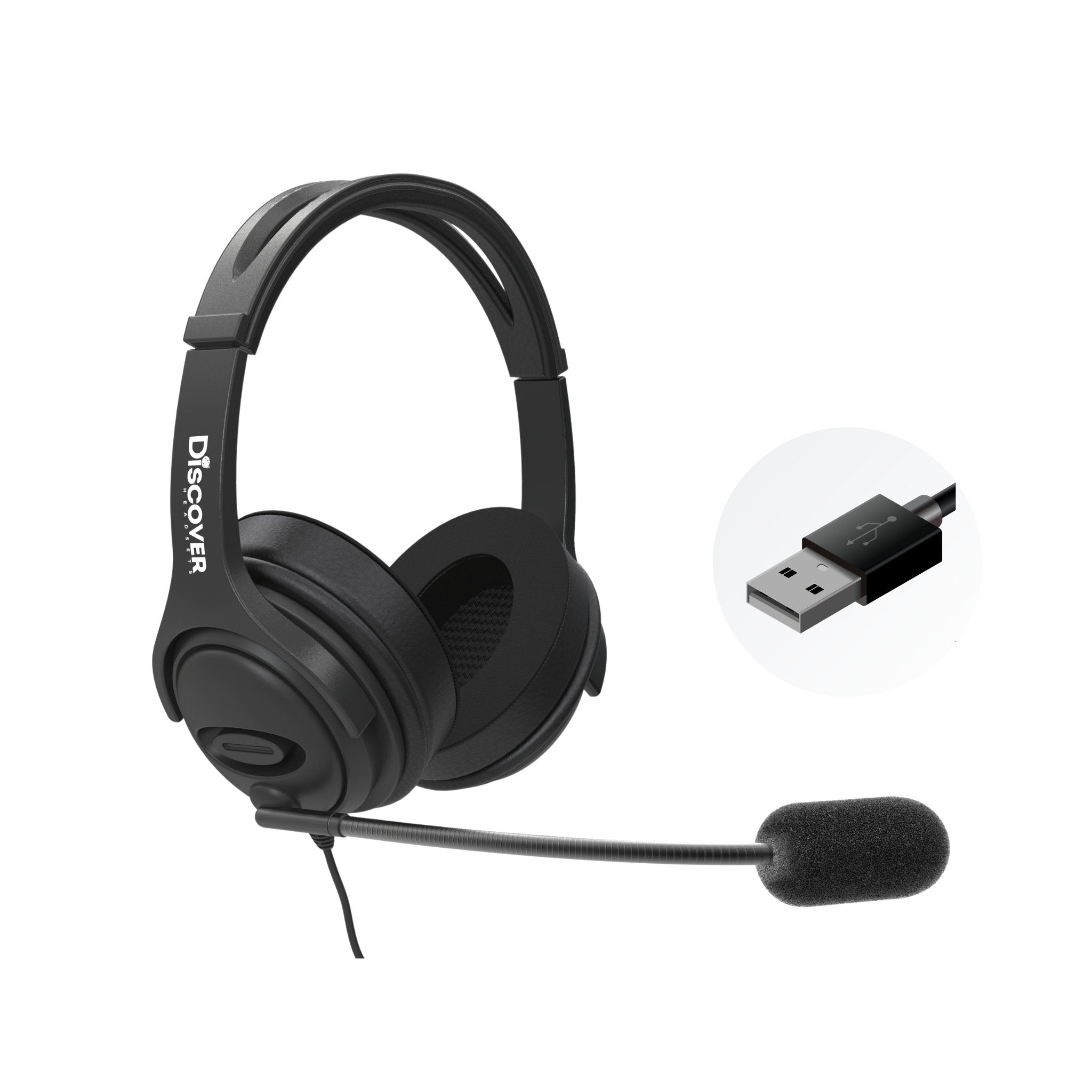
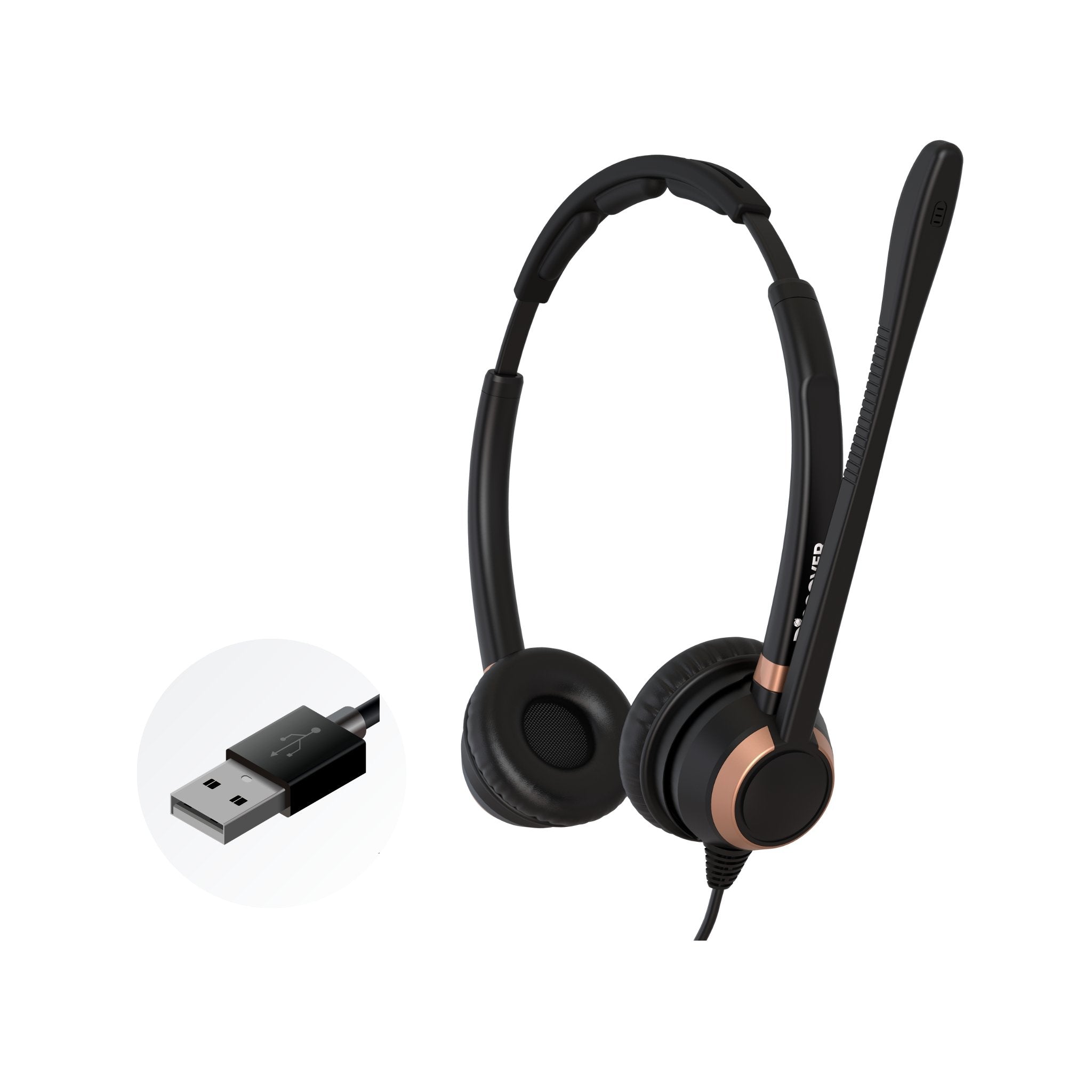
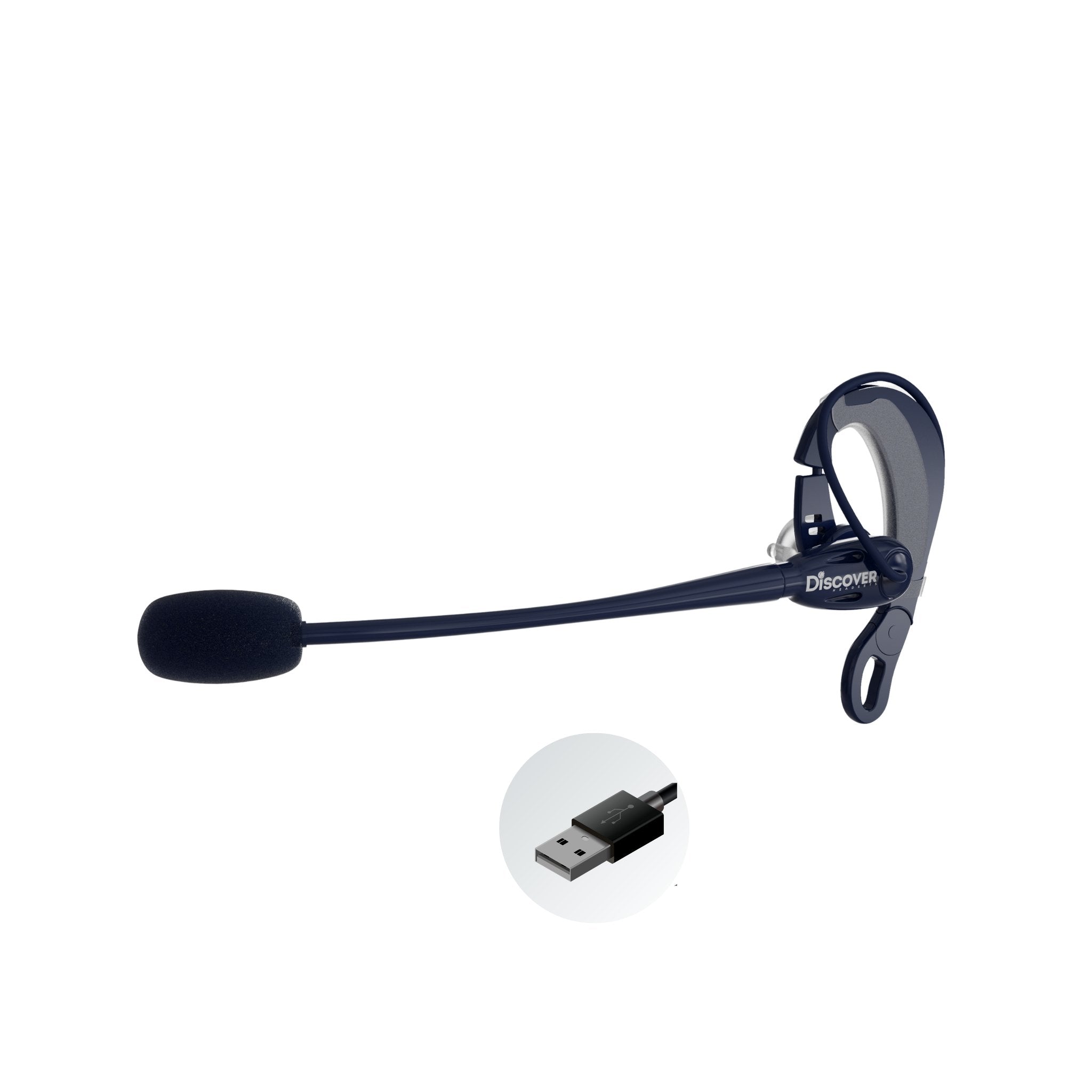
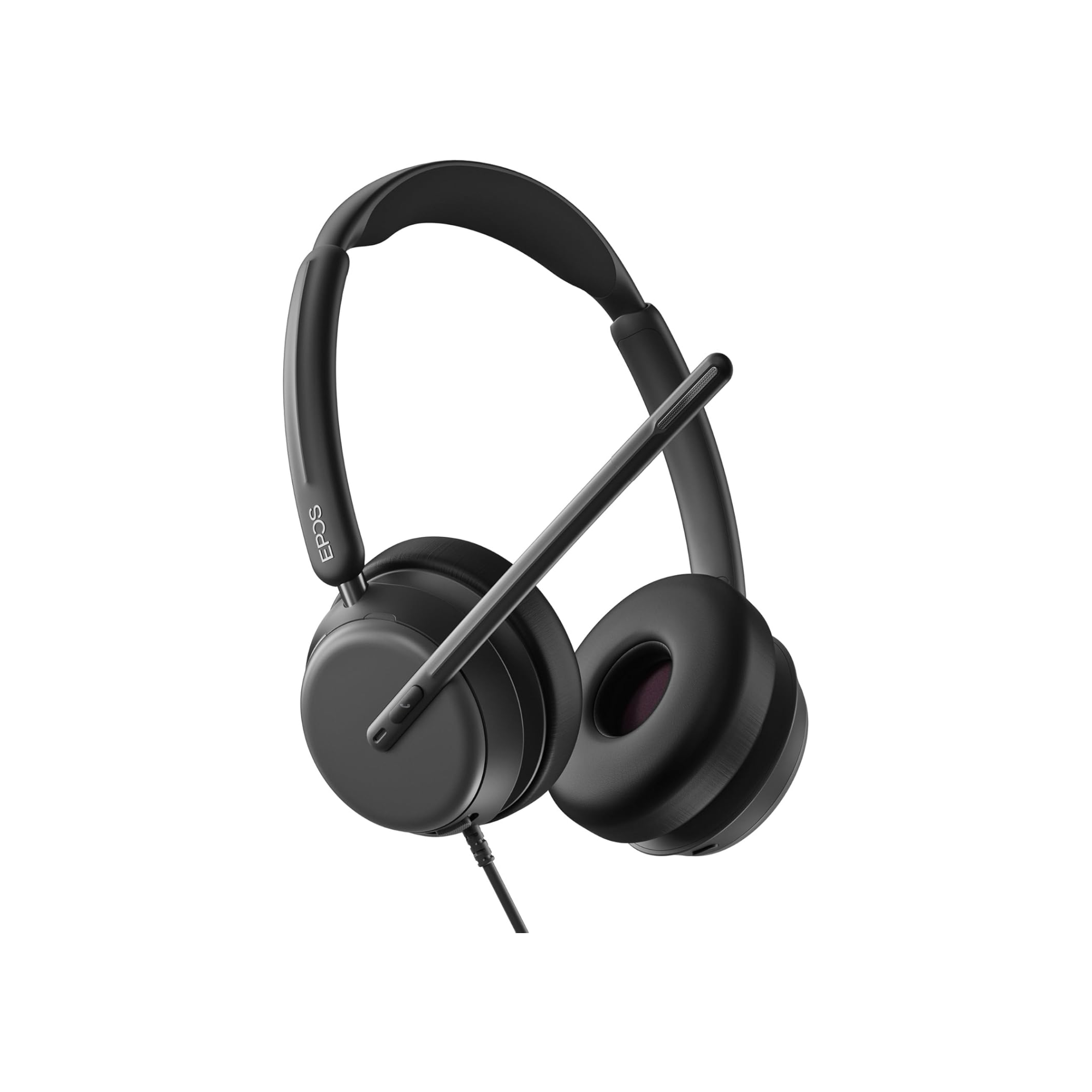
Wired headsets have been a long-standing staple in business communication environments. They are known for their simplicity, reliability, and affordability.
Advantages of wired headsets include:
-
Lower upfront cost compared to wireless models
-
No need for battery charging or replacement
-
Consistent connection without interference or dropped call concerns
-
Typically longer warranty coverage
Because they connect directly to a device, wired headsets provide a dependable experience with minimal setup. This makes them especially appealing for organizations looking to keep costs down or standardize equipment across a large team.
However, wired headsets do come with limitations.
The most notable drawback is restricted mobility. Users are limited to the length of the cord, which can make it difficult to move freely around a workspace. For employees who need to step away from their desk, collaborate with coworkers, or handle tasks while on a call, this can be a significant constraint. Connecting to different devices may not be possible, or at the very least, inconvenient.
Wireless Headsets: Freedom and Flexibility

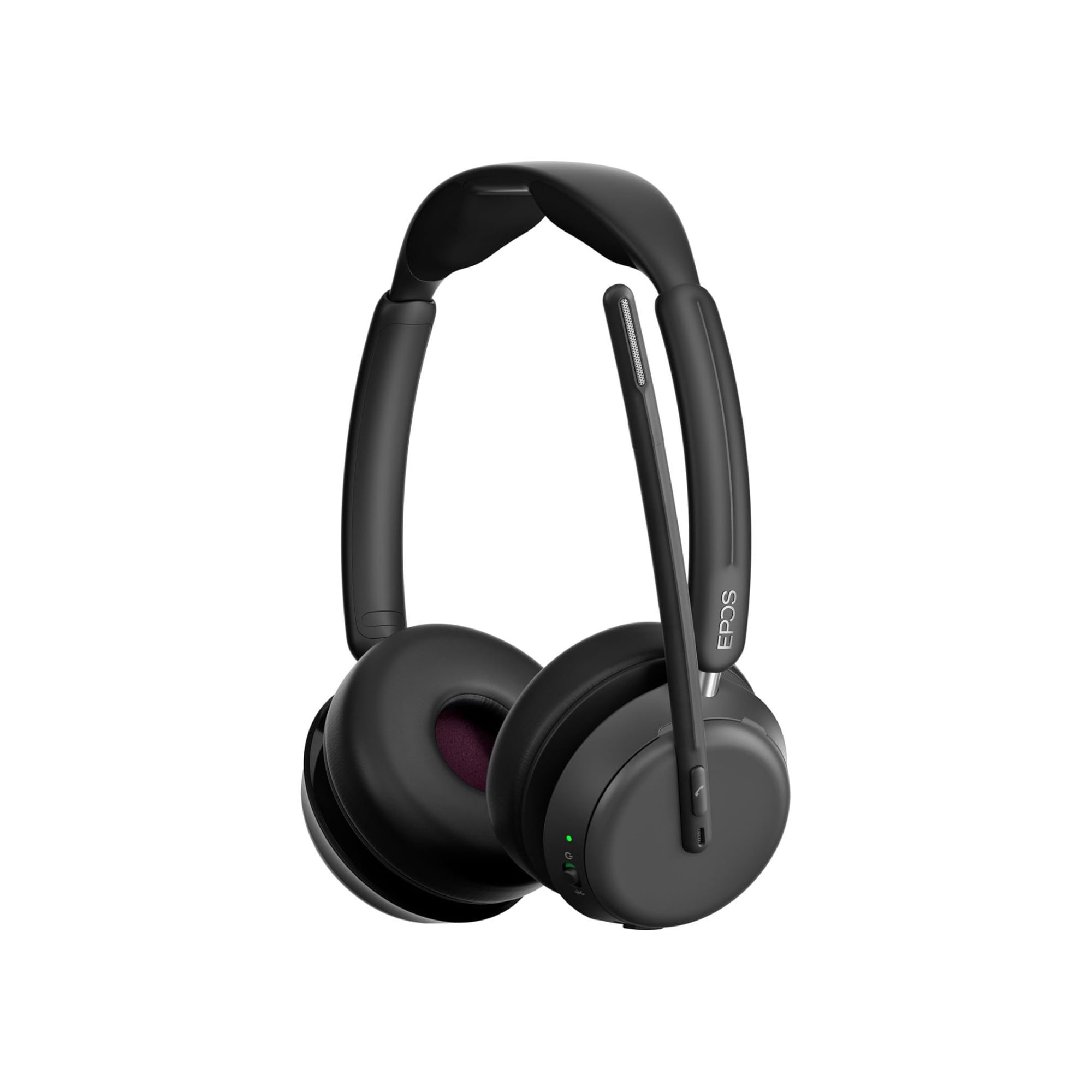
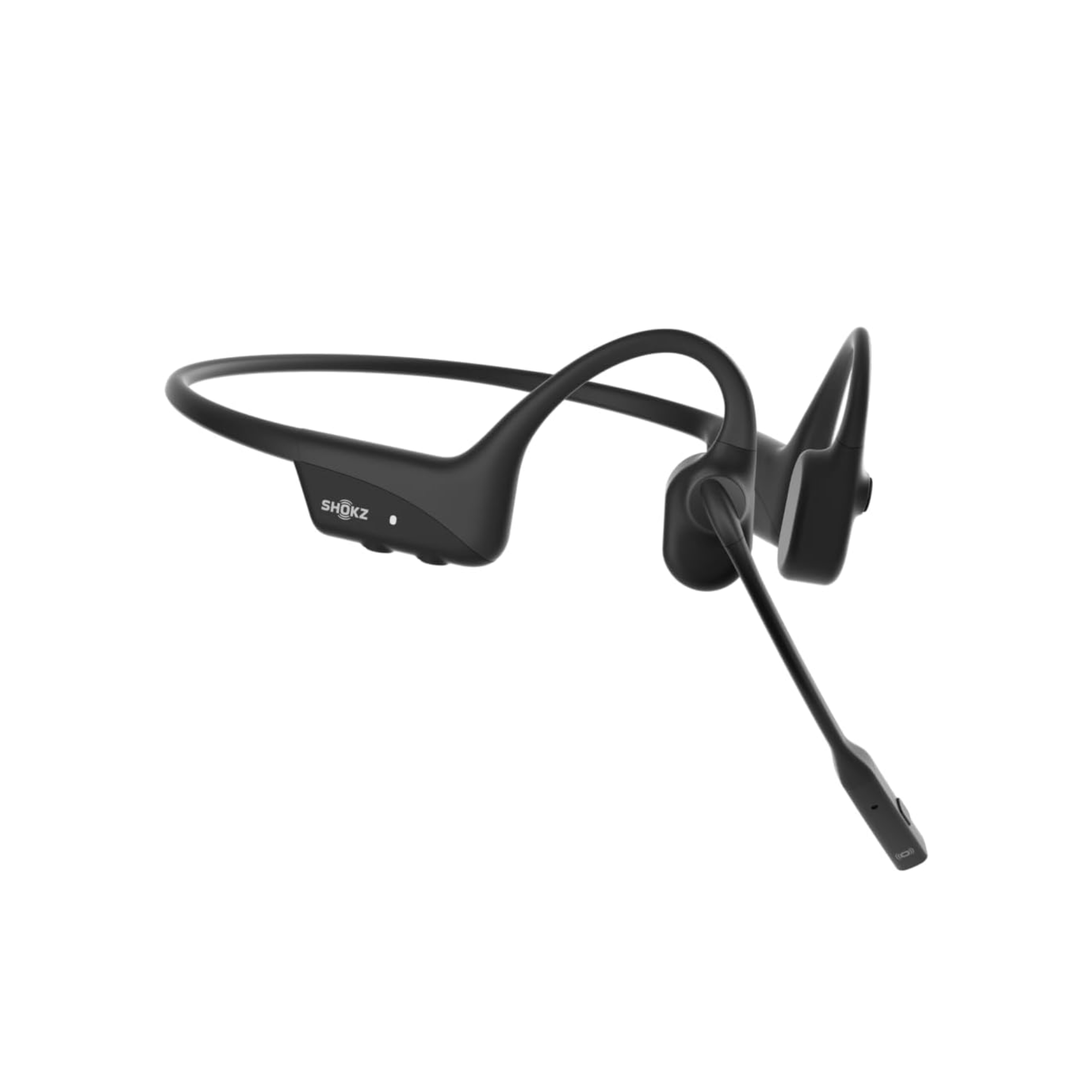
Wireless headsets have become increasingly popular as workplaces evolve and mobility becomes more important. They allow users to move freely without being tethered to a desk, creating a more flexible and dynamic work environment.
Benefits of wireless headsets include:
-
Greater freedom of movement
-
Improved multitasking capabilities
-
Cleaner, cable-free workspace
-
Connectivity to multiple devices
-
Enhanced comfort for users who prefer mobility
The level of mobility you get depends on the technology used.
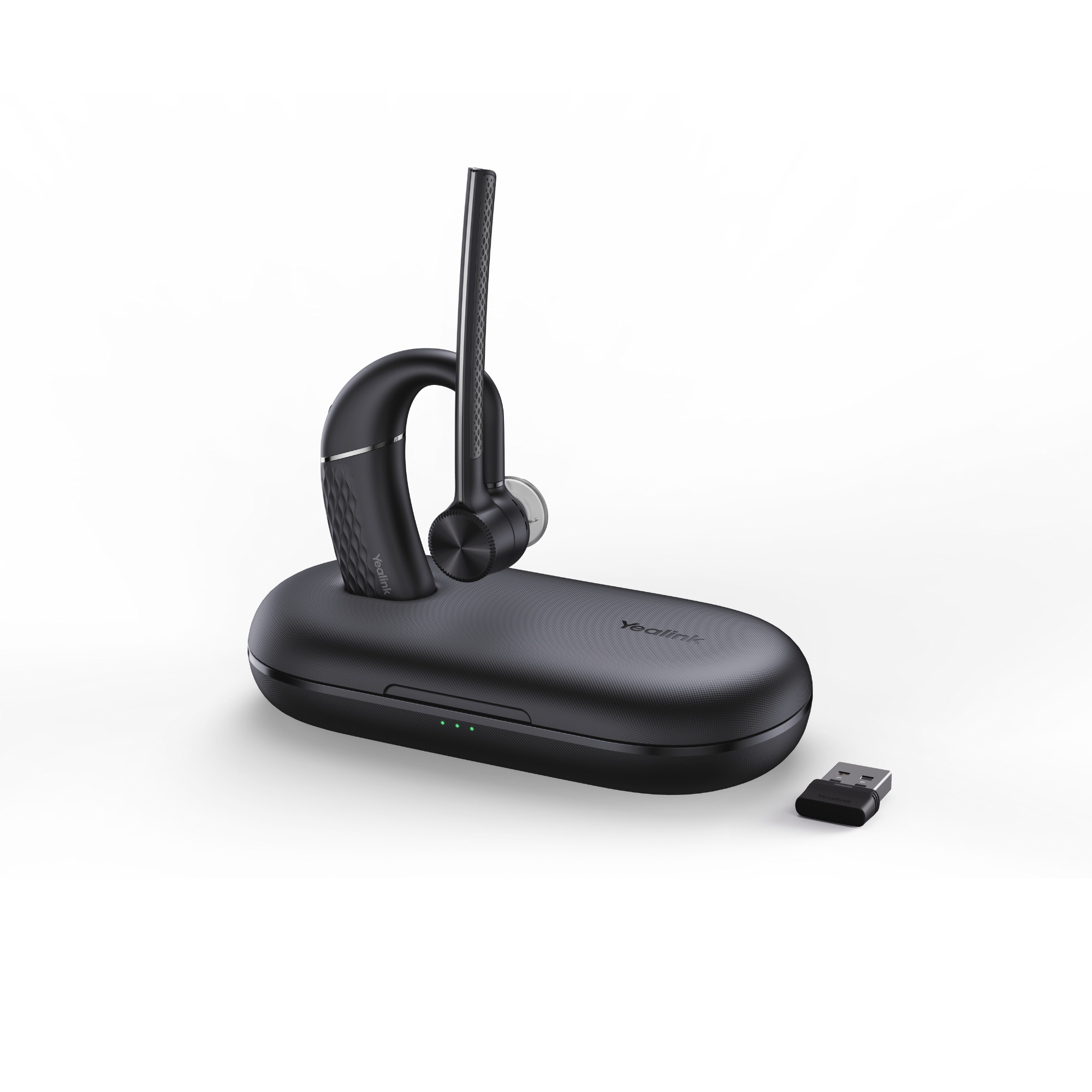
Bluetooth headsets are common and convenient, but they typically offer a shorter range. DECT wireless headsets, on the other hand, are designed for professional use and provide significantly greater range and stability.
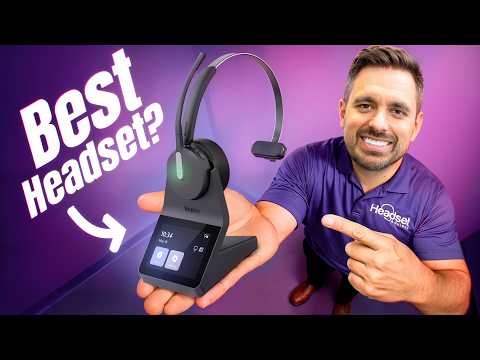
Check out our Youtube video below where we show you how much more range you get from a DECT headset compared to a Bluetooth. The difference may surprise you!
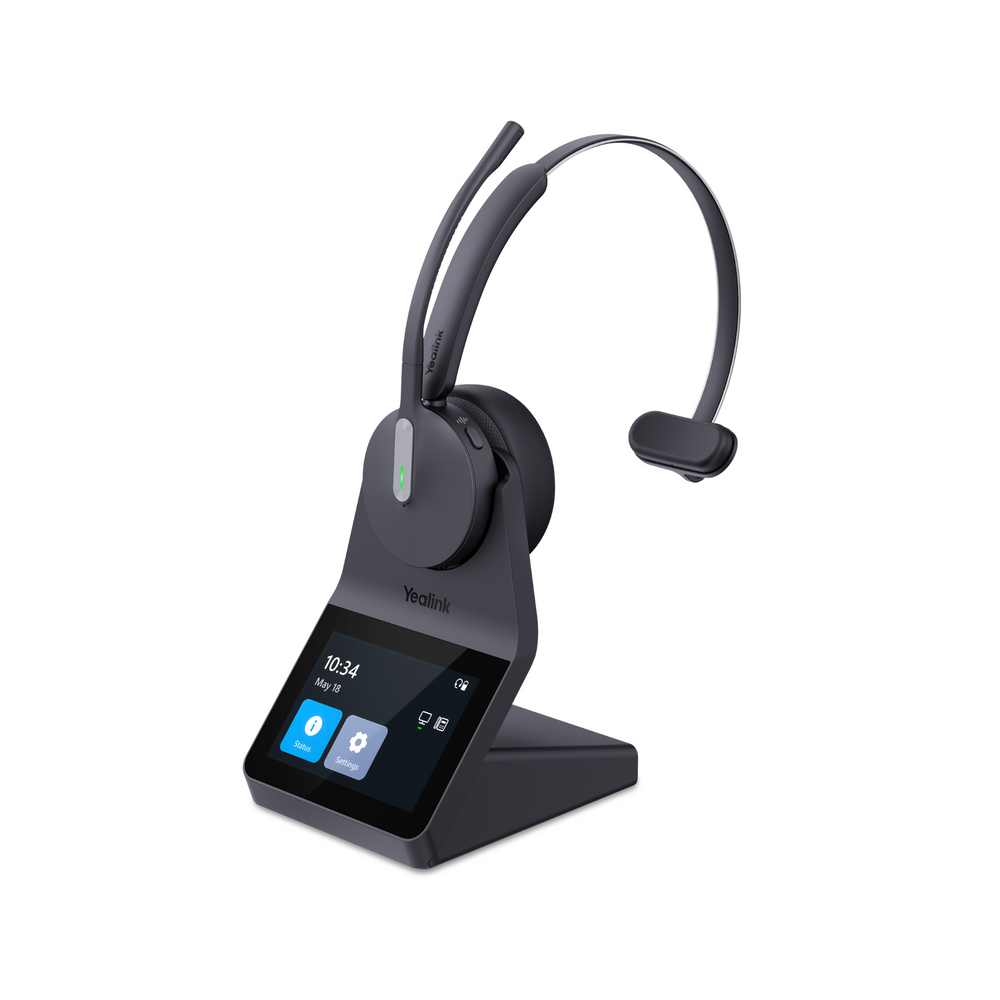
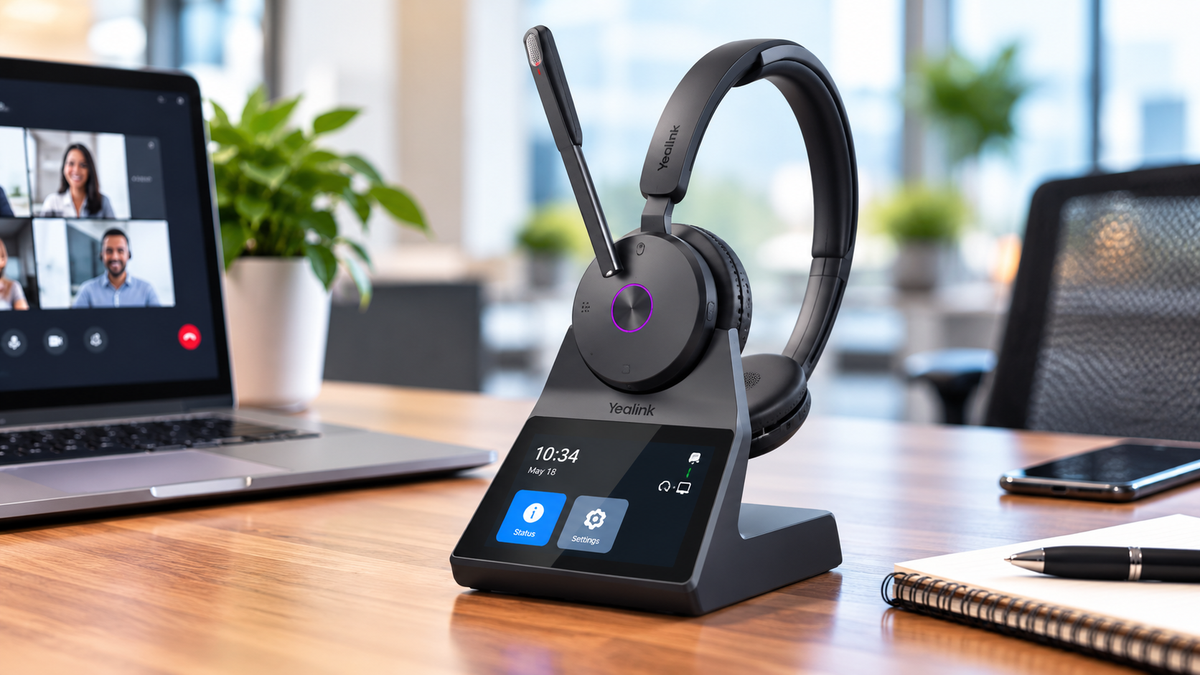
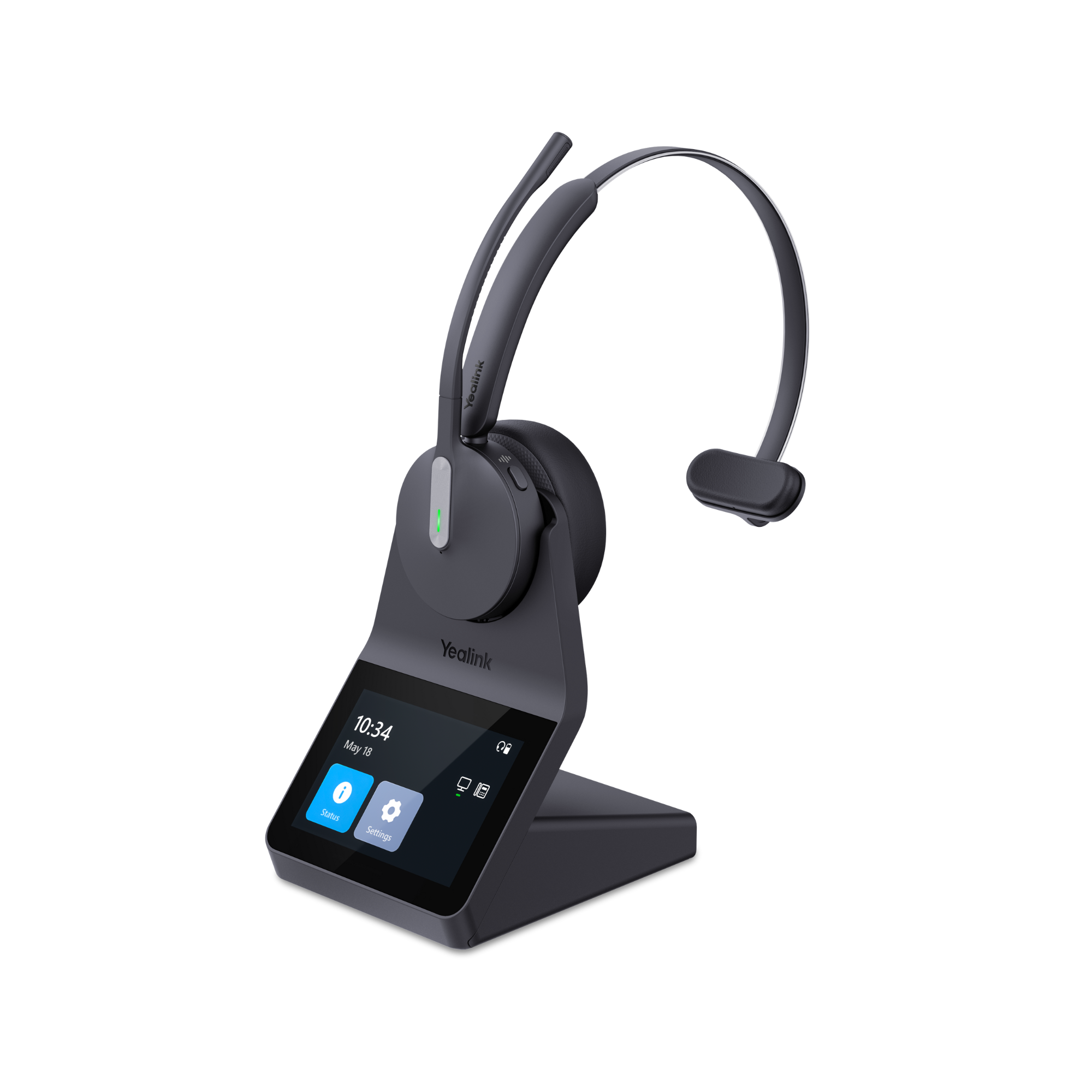
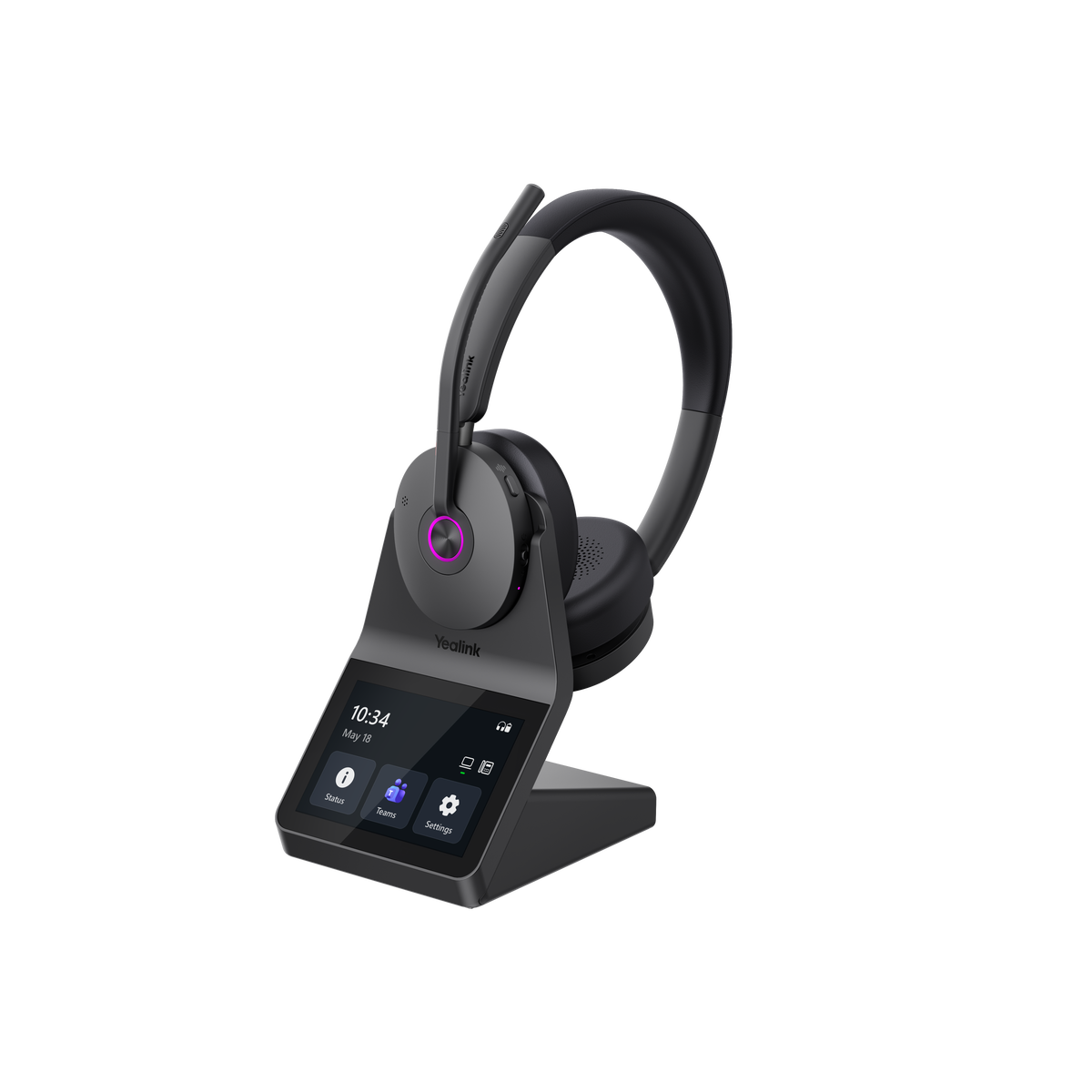
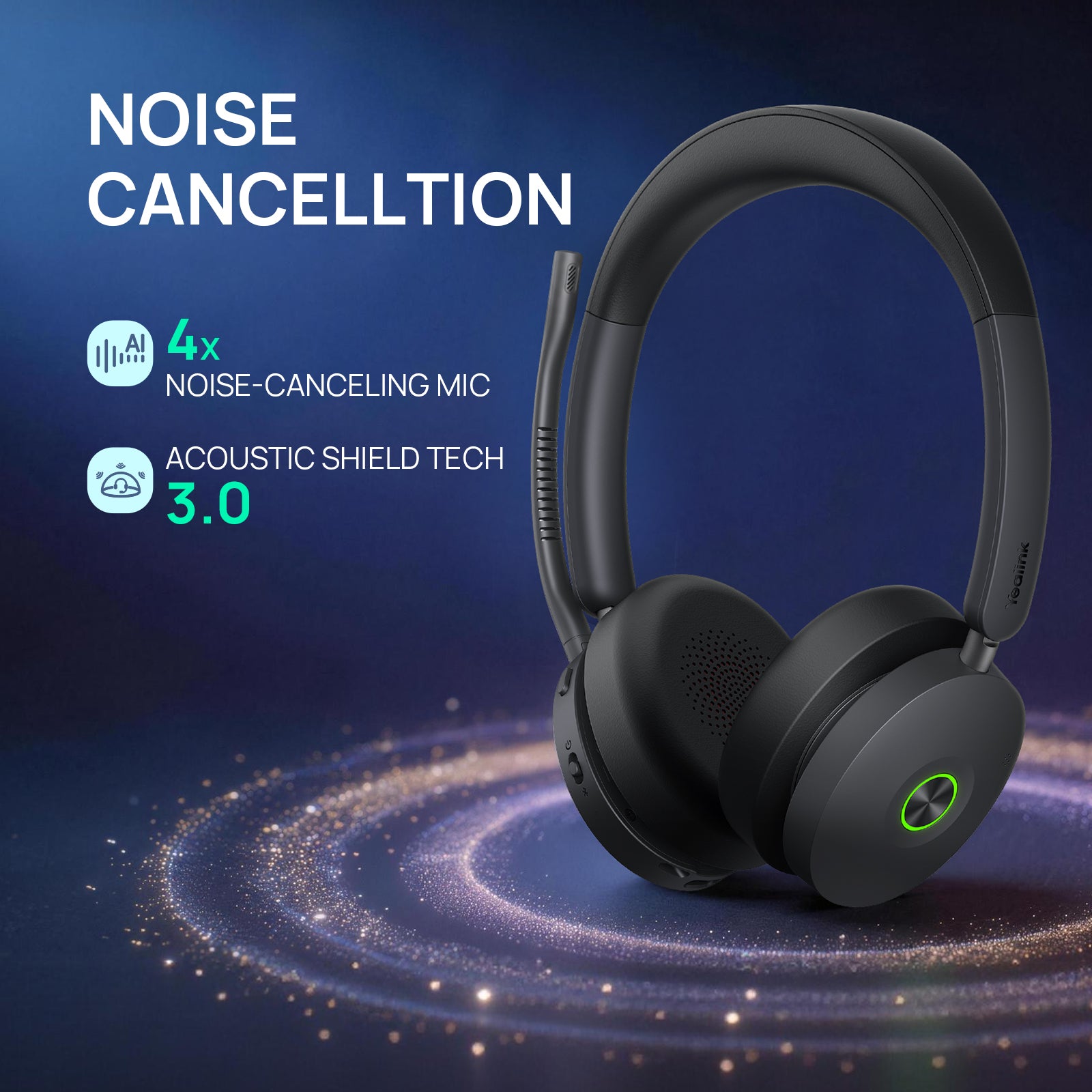
For example, certain DECT headsets, such as models from Yealink, are known for offering extended wireless range that can outperform many competing options, including Bluetooth alternatives. This makes them particularly well-suited for larger offices, warehouses, or environments where employees need to move around frequently.
Trade-Offs to Consider With Wireless
While wireless headsets offer clear advantages in flexibility, they do come with a few considerations:
-
Higher upfront cost compared to wired models
-
Battery charging and eventual battery replacement for models with replaceable batteries
-
Slight variations in performance depending on brand and model
For some organizations, managing battery life across a large number of devices can become an operational factor. However, many modern wireless headsets offer long battery life and quick charging to minimize disruption.
Wired vs Wireless: Sound Quality Differences

In the past, wired headsets were widely considered superior in terms of audio quality. That gap has largely disappeared.
Today, both wired and wireless headsets offer excellent sound quality, especially when using business-grade models. Advances in wireless technology have brought clarity, microphone performance, and noise reduction to a level that is comparable to wired solutions.
That said, some users still perceive wired headsets as having better audio. In most cases, this comes down to familiarity or older experiences with outdated wireless technology rather than current performance.
Management Preferences and Workplace Culture
Another factor that often influences the decision is management philosophy.
Some organizations prefer employees to remain at their desks during calls. In these cases, wired headsets may align better with internal policies and expectations.
Other workplaces encourage mobility, collaboration, and flexibility. Wireless headsets can support these environments by allowing employees to move freely while staying connected.
There’s no one-size-fits-all answer here. The right choice depends on how your team operates and what management values most.
Budget Considerations and Long-Term Costs
Budget is often one of the biggest deciding factors.
Wired headsets typically have a lower upfront cost, making them attractive for organizations looking to minimize initial investment. However, this doesn’t always tell the full story.
Wireless headsets, while more expensive upfront, can provide added value through increased productivity and flexibility.
For Organizations Concerned About Cost, Leasing Can Be A Practical Alternative

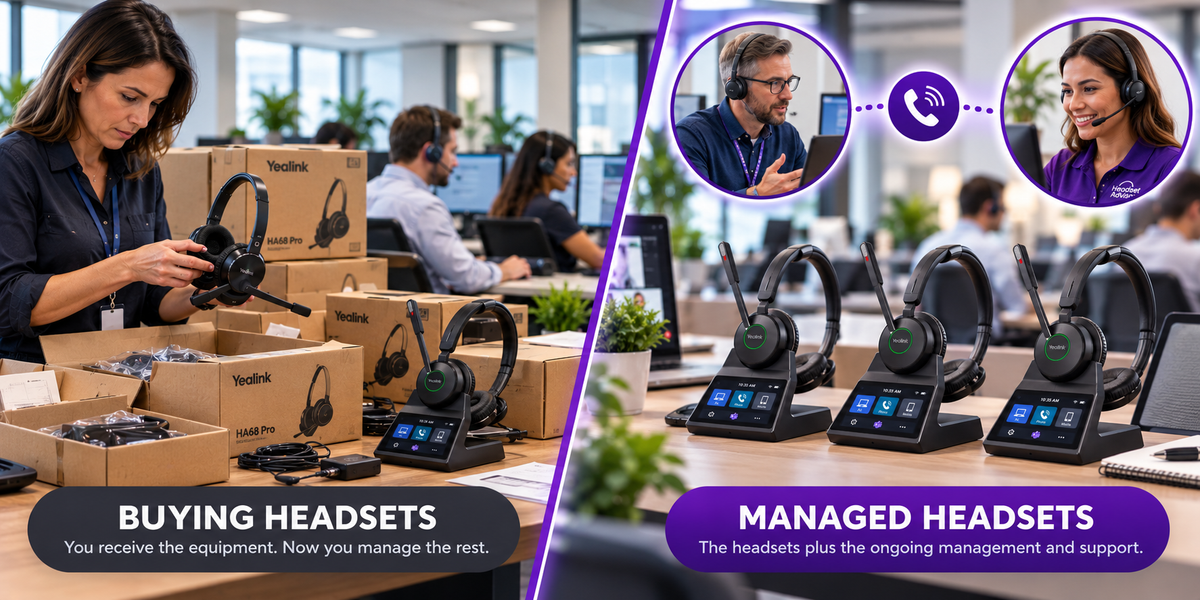
Headset Advisor offers an affordable lease program that allows businesses to deploy the headsets they need without large upfront expenses. With low monthly rates, organizations can choose from a wide range of wired or wireless models without being limited by budget constraints.
The program also includes:
-
Replacement accessories throughout the lease term
-
A full warranty that spans the entire 3-year period
-
Predictable monthly costs for easier budgeting
-
Set up assistance, and free support
-
Equipment refresh at the end of the lease
This means your team always has access to reliable, up-to-date equipment without the challenges of aging devices or large capital expenditures.
To learn more about this unique program, go here
How to Decide: Key Factors to Consider
When choosing between wired and wireless headsets, consider the following:
-
Do your employees need mobility while on calls?
-
Do you need to connect to one device, or to more than one?
-
Is budget a primary concern?
-
What is your organization’s management style?
-
Are you open to leasing instead of owning equipment?
-
How important is flexibility in your work environment?
By answering these questions, you can more easily come to the conclusion as to which type of headset is right for your organization.
Choosing the right headset can be challenging with so many options available. If you’re still unsure, check out our guide on how to choose the best office headset to help narrow down your decision.
Final Thoughts
Both wired and wireless headsets have their place in modern business environments. Wired models offer simplicity and cost savings, while wireless options provide flexibility and freedom.
The right choice comes down to your priorities, whether that’s budget, mobility, control, or long-term planning.

If you’re unsure which option is best for your organization, contact us at Headset Advisor. Our trained Advisors can help you evaluate your needs and provide a tailored recommendation that fits your exact situation.