Do you want the best headset?
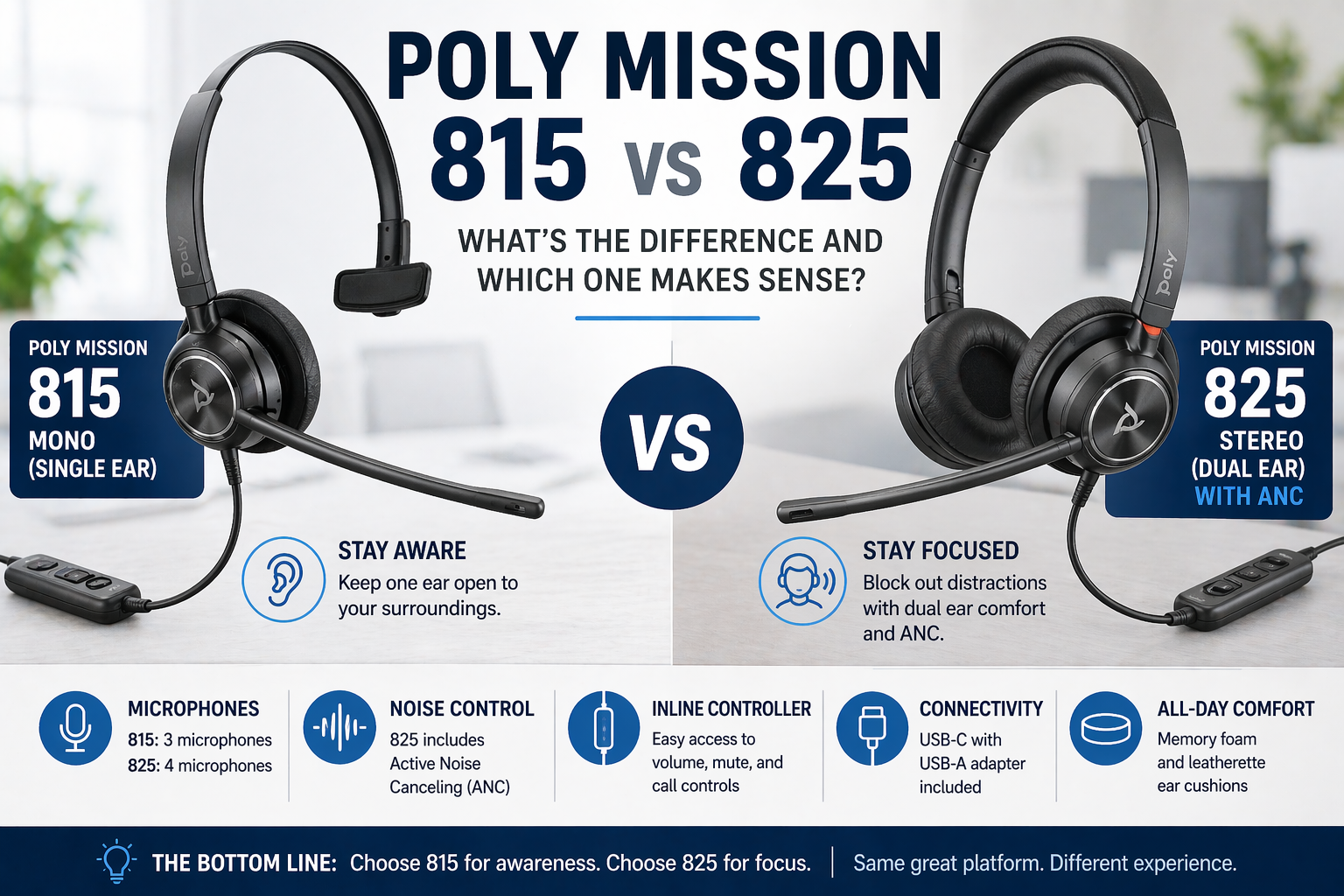
If you’ve been looking at the Poly Mission 800 Series, you’ve probably noticed something right away. The 815 and 825 look almost identical, and at first glance, there’s very little that clearly separates them.
That’s where most people can become confused.
It’s easy to assume one must be “better” than the other, or that there are hidden differences buried in the specs. In reality, the distinction is much simpler, but it matters more than you might expect depending on how and where you work.
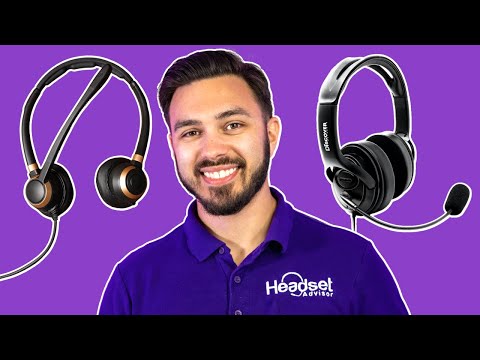
Feel free to read this blog to learn more about the new Poly Mission 800 series headsets, or, you can watch our review video that provides microphone sound quality tests, and also compares the 800 series to a competing model in the Jabra line.
The Single Biggest Difference
At their core, the Poly Mission 815 and Mission 825 are built on the same platform. They share the same design, overall audio performance, and general feature set.
The difference isn’t about one being higher quality than the other, or one being better. It’s about how each one is designed to be used.
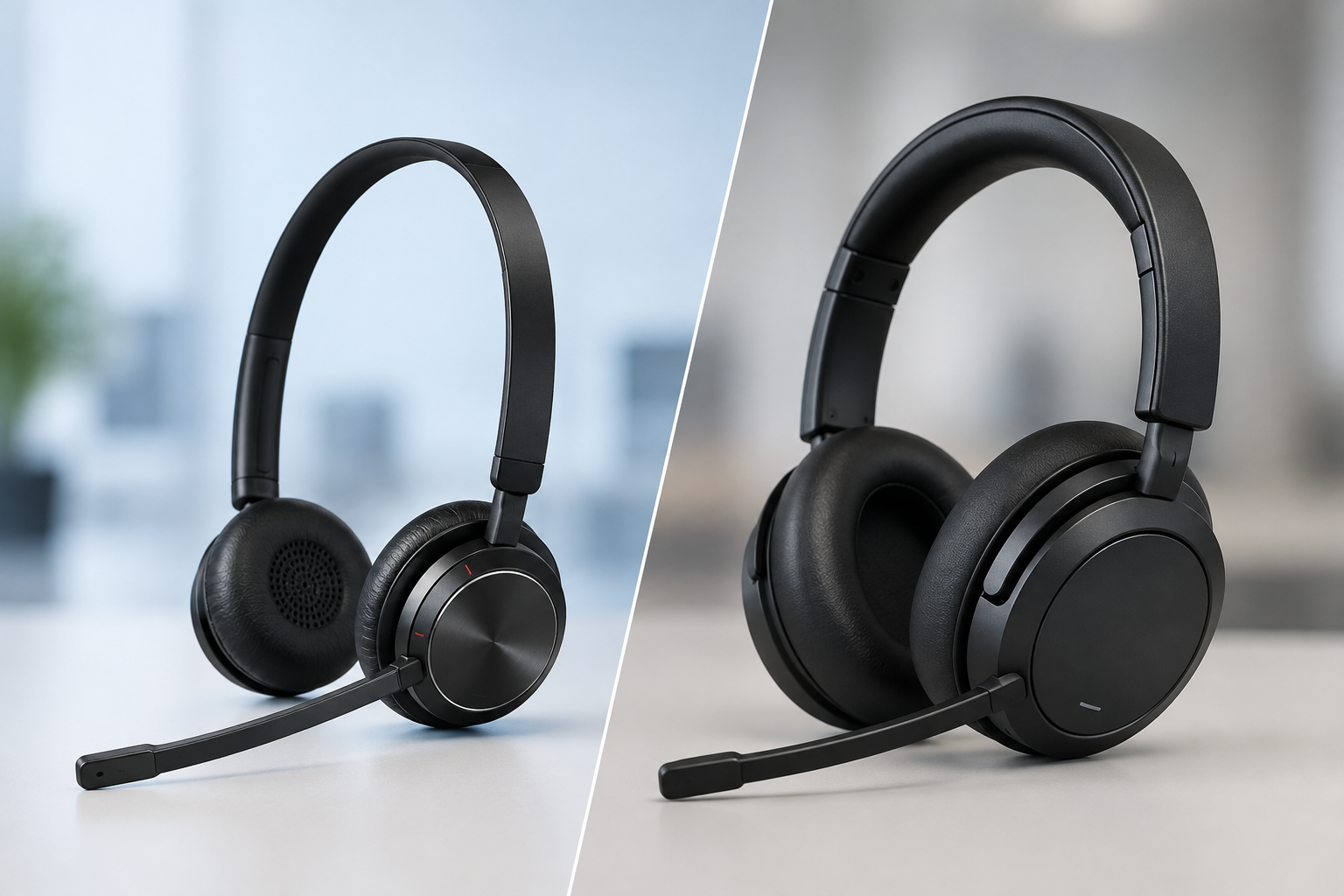
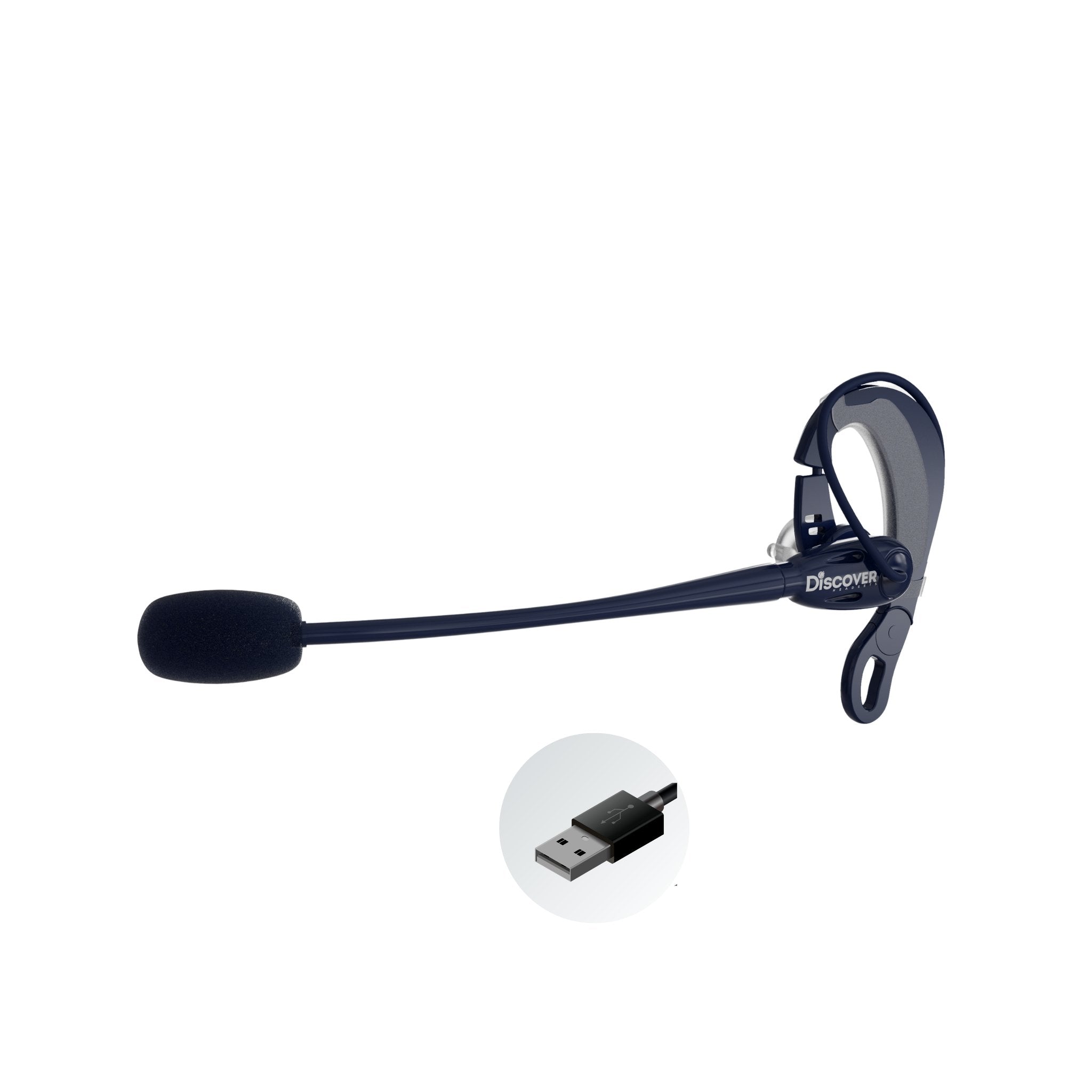
- The 815 is a single-ear headset
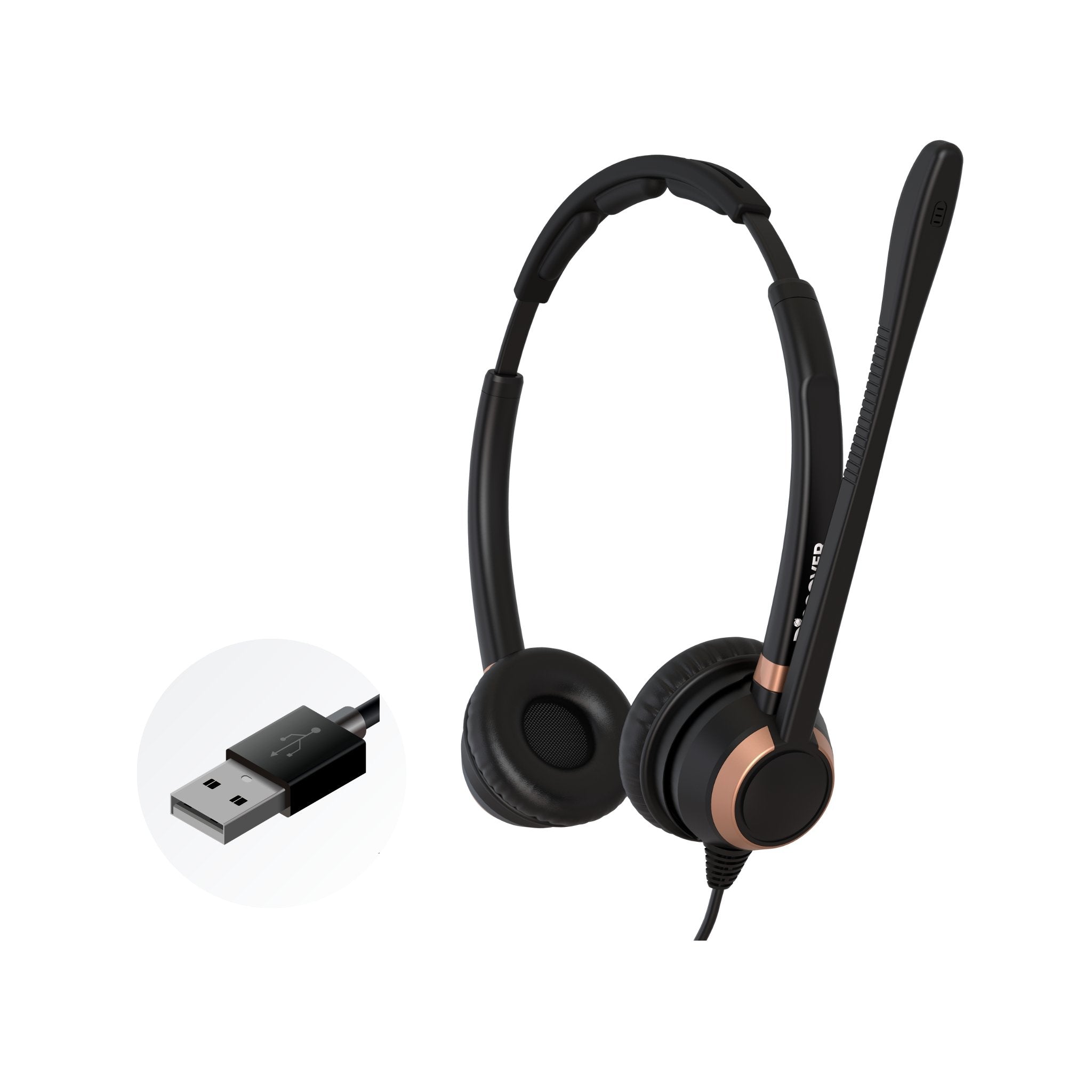
- The 825 is a dual-ear model
That might sound like a small detail, but it directly affects how much of your surroundings you hear and how focused you are during calls.
Single ear headset users typically like having one ear uncovered so they can hear their surroundings. Others might find having both ears covered too immersive.
Conversely, those who prefer a double ear headset find they help to remove more of the background noise passively, though in the case of the Mission 825, it also comes with Active Noise Cancellation (ANC) which is an electronic feature that's designed to counter incoming noise.
Once you understand that, the comparison becomes much more practical and less about specs. So choosing between them really comes down to how you work, your preferences and your environment.
What They Have in Common

Before getting into the differences, it’s worth understanding just how similar these two models really are. In terms of build quality, connectivity, and core performance, they’re essentially the same headset.
Both are designed for professional use, which means they’re built to handle consistent, daily communication without adding complexity. Being a wired, USB headset makes them easy to set up, and easy to use without any complicated adjustments or settings to deal with.
You’ll get things like USB-C connectivity with a USB-A adapter, inline controls for managing calls, and audio that’s tuned specifically for voice, but it's not really designed for premium audio for music as the Mission 815, and the Mission 825 are business oriented headsets.
They’re also designed with comfort in mind, using materials like memory foam and leatherette so they can be worn for long periods of time, comfortably. This is an important point for anyone who spends long hours on calls or meetings.
They both share additional features such as a fully rotating mic boom, busy light, acoustic audio protection, super wideband audio and ai noise reduction. So the vast majority of features within the Mission 800 line are shared between these two models.
So you’re not choosing between a “basic” model and a “premium” one. You’re choosing between two versions of the same headset, designed for slightly different working styles.
Where They Actually Differ
This is where things start to matter more.
The difference between the 815 and 825 isn’t just about one ear versus two. It’s really about how much control you have over your environment while you’re on a call.

The Mission 815 is designed to keep you connected to what’s happening around you. With one ear uncovered, you can still hear coworkers, conversations, or anything else going on nearby. That can be a big advantage in collaborative environments where you’re not completely isolated at your desk.

The Mission 825, on the other hand, is built for focus. By covering both ears, it naturally blocks out more of your surroundings. On top of that, it comes with Active Noise Canceling (ANC), which helps reduce background noise even further. It also uses an additional microphone compared to the mono version, which can help improve voice pickup in more challenging environments.
So while both headsets perform similarly in terms of core audio quality, the experience of using them can feel very different depending on your environment.
Which Is Right For You?

This is where the choice becomes much clearer.
If you’re working in a quieter environment, like a home office, private office, or a quiet work environment, the difference between the two may not feel dramatic. Either headset will do the job well.
But as soon as your environment becomes more active or noisy, the choice becomes more evident.
In a busy office or call center, the dual-ear design combined with ANC can make it much easier to stay focused and engaged in conversations. On the flip side, if you’re in a setting where you need to stay aware of what’s happening around you, the single-ear design can feel more natural and less isolating, and a good wearing style to consider if the background noise is manageable.
That’s why there isn’t a one-size-fits-all answer here. The “better” choice depends entirely on how you work, and what your needs and preferences are.
A Common Misconception
A common assumption people make is that dual-ear headsets sound better.
That’s not really the case, because they both use the same ear speaker, with the stereo model having two. So in that sense, yes, the dual ear model would sound better from a stereo vs. mono perspective, but not from an ear speaker sound quality point of view.
If you listen to music when working, clearly the double ear model would be a better choice. That’s not to say you can’t listen to music through the Mission 815 model, it’s just that the 825 will give you a fuller sound overall by having two ear speakers.
Another point worth considering involves those who are hearing challenged. For those individuals, a double ear model may be a better choice, one that gives them a better chance to stay on top of the conversation.
What About Microphone Performance?
From a microphone standpoint, both models are designed to deliver clear, professional audio, with noise canceling built in.
They’re built to reduce background noise and focus on your voice, which is what matters most in a business setting. Callers want to hear you loud and clear, and they don’t want to hear the sounds going on around you. If they do hear the noise, it can become very distracting, and can cause your message to get lost. It can even cause your image, your products image or your company’s image to suffer due to a perceived negative perception.
In terms of the microphone, the stereo model does have a slight advantage here, thanks to the additional microphone and noise processing. That can help in louder environments where isolating your voice, and dampening unwanted noise becomes more important.
But it’s still important to keep expectations realistic. No headset completely eliminates background noise. They reduce it, sometimes significantly, but your environment still plays a role.
One way to assure you’re sounding your best is to pair your headset with noise canceling software like neep. neep reduces background noise for both ends of the call, and it learns your voice, enhances it, and isolates it from other sounds. To learn more about neep, or to request a free trial, go to neep.com
And if you’re unsure how you currently sound on calls, one of the easiest ways to find out is to test it directly. Use our microphone test tool to hear exactly what your callers hear.
Looking to Upgrade or Save on Your Next Headset?

If you’re considering upgrading your current headset, there are a few ways to make that decision more cost-effective, especially if you're replacing older or underperforming equipment.
Many customers don’t realize they have options beyond simply purchasing a new headset.
Here are a few ways you can save:
- Trade-In Program – You may be able to trade in your existing headsets for credit toward a new solution, even if they’re older models. To see how much your headsets are worth, contact us today for a quote.
- Discounts & Promotions – Use coupon code BLOG at checkout for additional savings
- Headset Leasing – For businesses, leasing your headsets can provide you with a low, predictable monthly cost that includes set up assistance, ongoing technical support as needed, replacement parts, and warranty coverage for the length of the lease.
Depending on your situation, one of these options, or a combination, can help reduce upfront costs while ensuring you get the right headset for your needs.
Worth noting is you can combine the trade-in credit AND the coupon code for even greater savings.
_________________________________________________________________________________________________
Final Thoughts
The Poly Mission 815 and Mission 825 aren’t competing products in the traditional sense. They’re two versions of the same headset, designed for different working styles; those who want to hear their surroundings, and those who prefer more focus and less background noise intrusions.
Once you understand that the decision comes down to awareness versus focus, and that the 825 adds features specifically to support a more controlled environment, the choice becomes much more straightforward.
Have Questions Or Need Help?

If you have questions or want help finding the right headset for your needs, you don’t have to figure it out on your own.
Headset Advisor has been helping businesses improve their communication for over 30 years. With more than 800 five-star Google reviews, our team has built a reputation for providing honest recommendations, real-world expertise, and dependable support.
Whether you're trying to solve an audio issue, choose the right headset, or equip a team, our Advisors are here to help you find a solution that fits your environment, devices, and budget.
Contact us today for professional guidance and personalized, tailored recommendations.
Datasheet For More Information