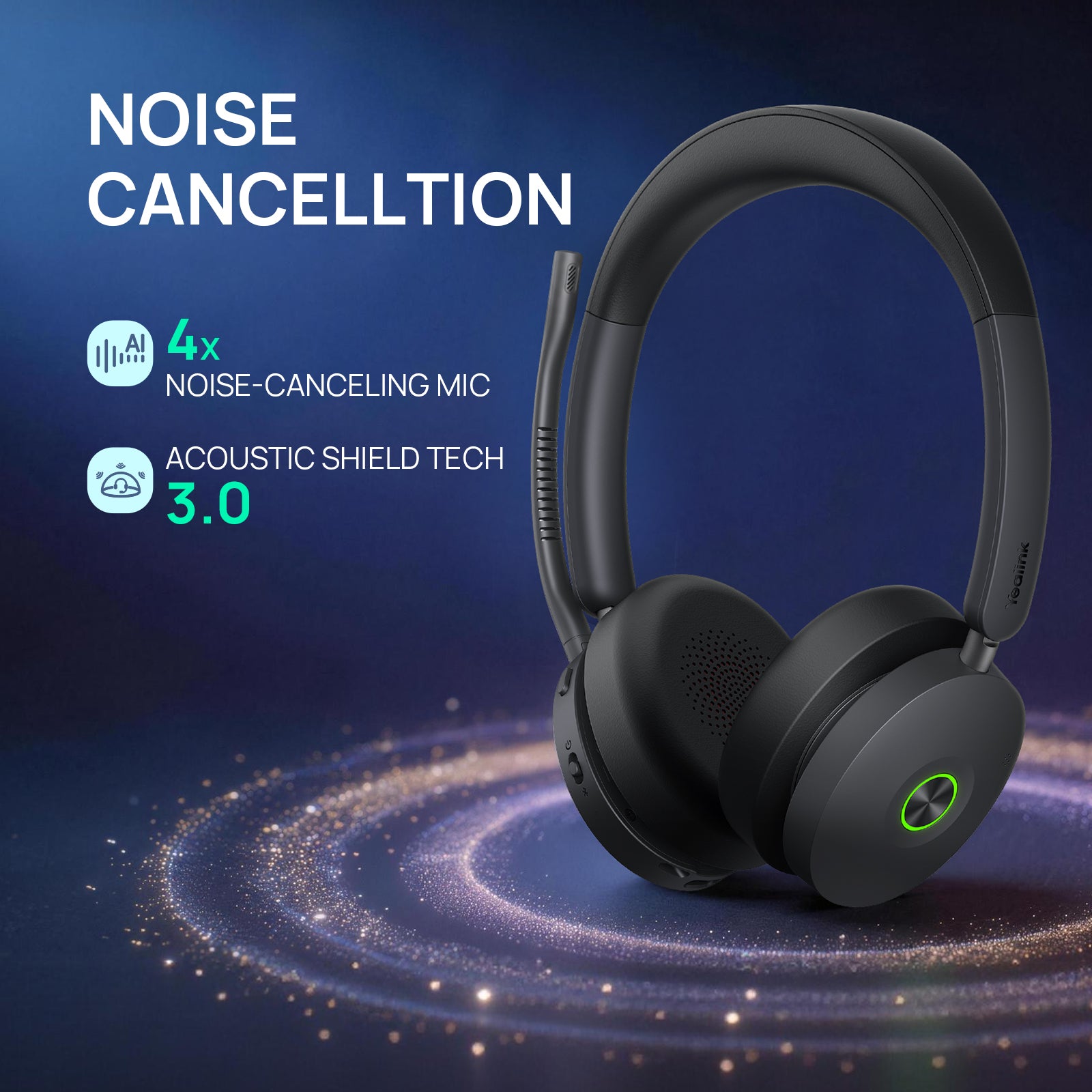
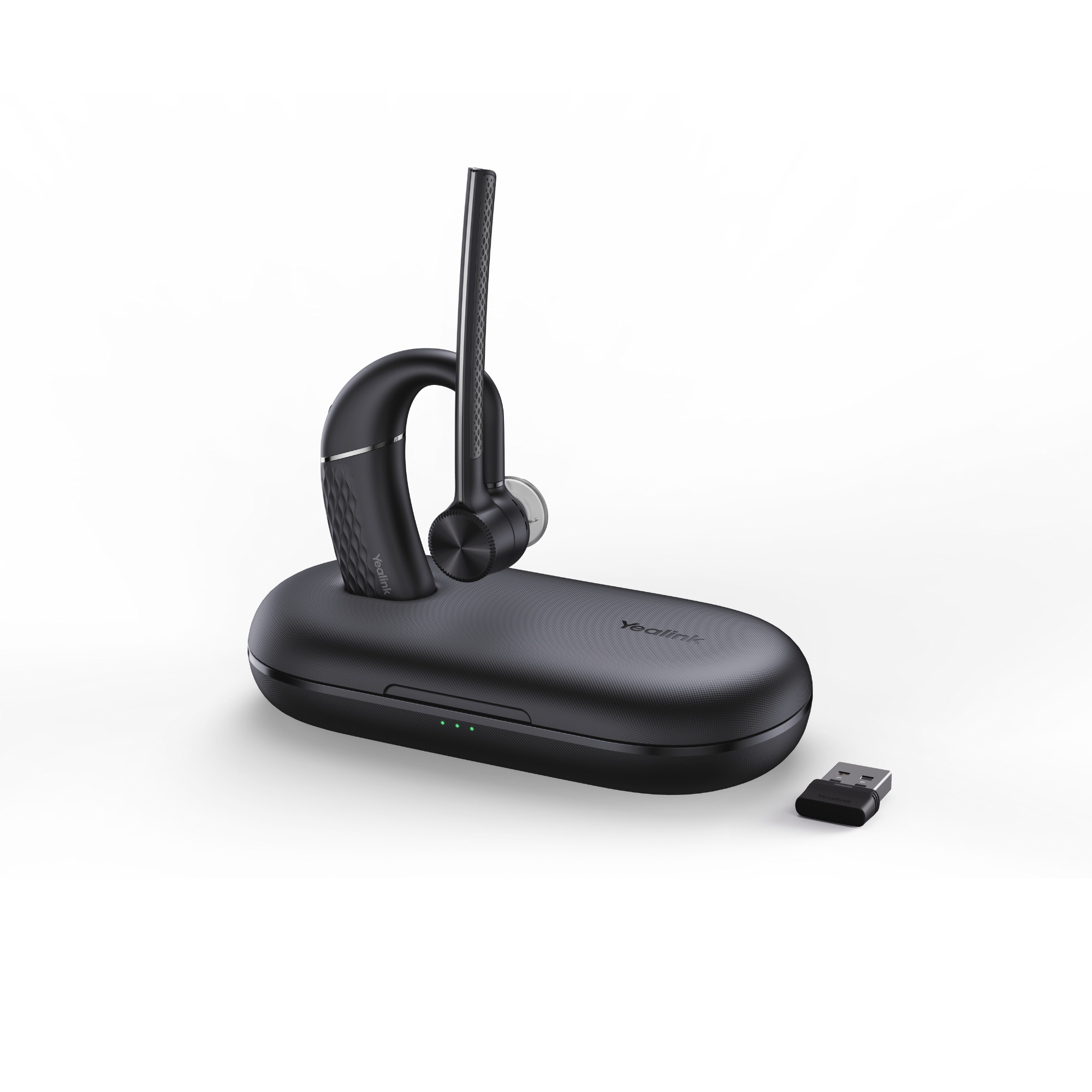
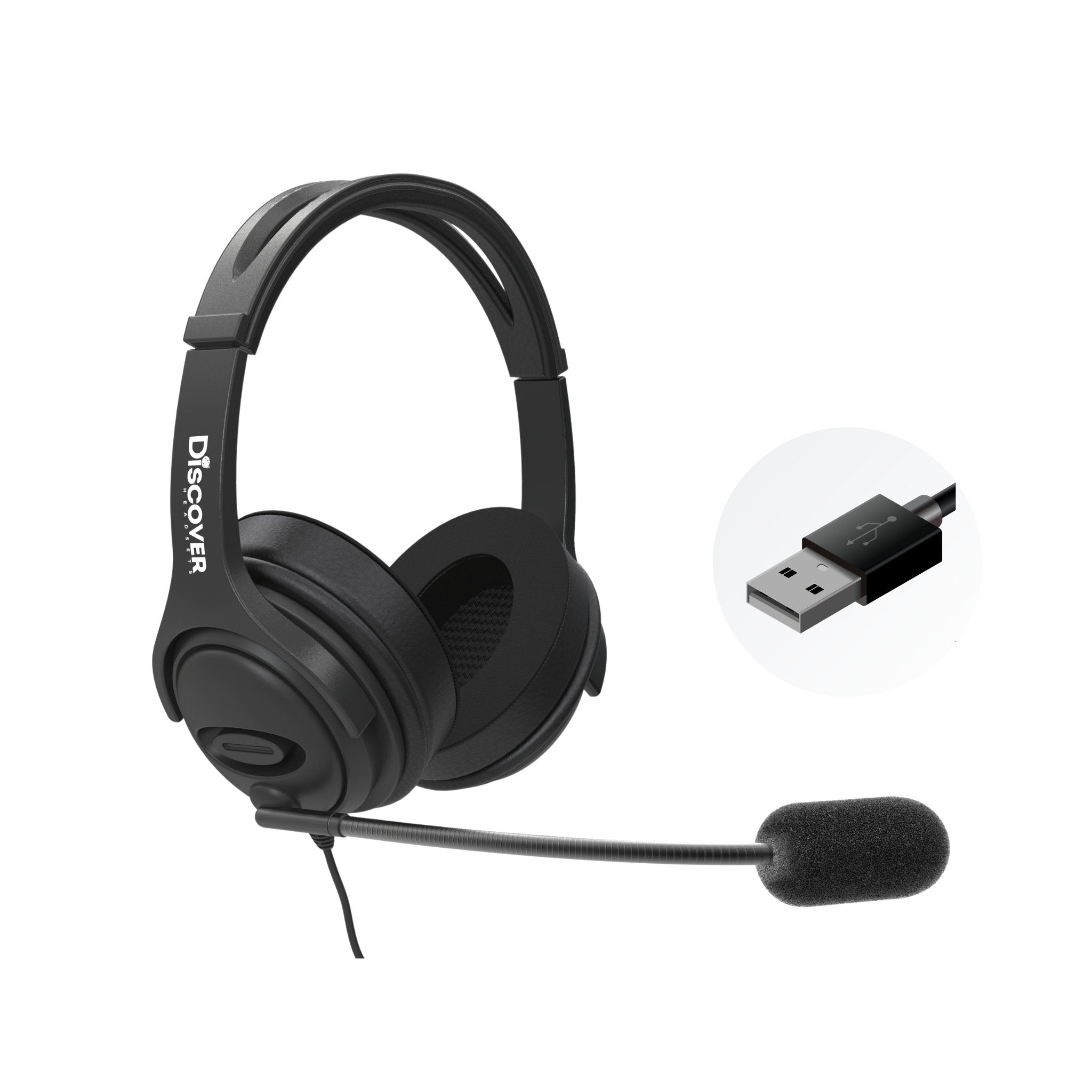
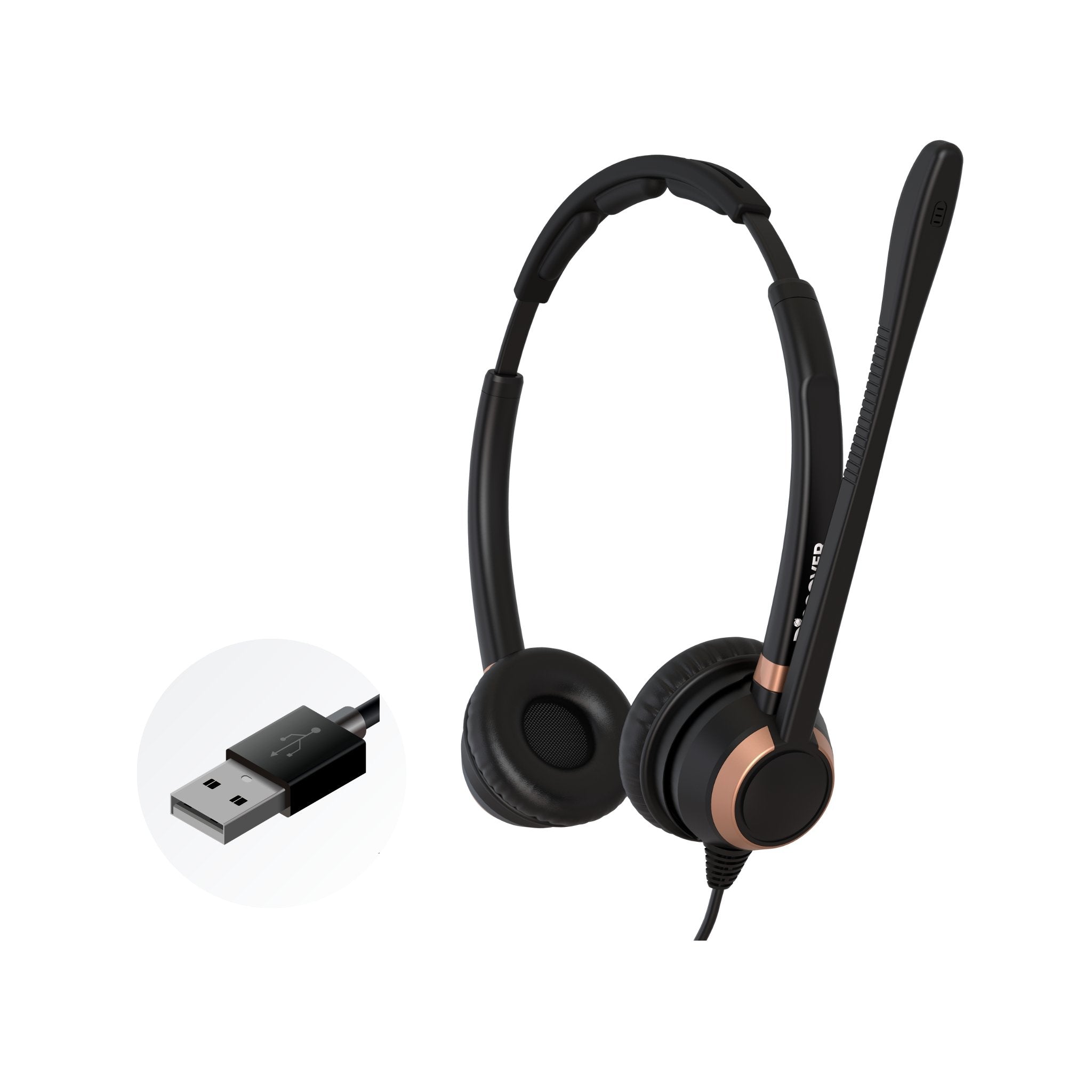
Do you want the best headset?
If you wear a headset for work, especially for long hours, it’s natural to wonder if it could be affecting your health.
Questions about hearing loss, discomfort, or even long-term risks can come up, especially for people who rely on headsets every day in offices, call centers, or home work environments.
The good news is that headsets themselves are not inherently harmful. However, how they’re used can make a difference when it comes to comfort and health.
Can Headsets Cause Hearing Loss?

Headsets do not cause hearing loss on their own.

What can lead to hearing issues is the volume of the headset and duration.
Listening at high volumes for extended periods of time can strain your hearing, whether you're using a headset, earbuds, or speakers.
What to keep in mind:
-
Keep volume at a comfortable level
-
Avoid turning it up to overcome background noise
-
Take breaks throughout the day
Used properly, a headset is no more harmful than any other audio device.
Can Wearing a Headset All Day Cause Discomfort or Headaches?

This is one of the most common real-world issues.
Discomfort is usually caused by:
-
Clamping force (pressure from the headband)
-
Weight of the headset (lighter is always better)
-
Poor fit or adjustment. This could be due to the headset design limitations, or how it’s adjusted
Over time, this can lead to:
-
Head pressure
-
Ear fatigue and discomfort
-
Headaches
-
Focusing on the discomfort rather than focusing on the job
This is why comfort matters, especially for those who wear headsets for long periods of time.
You may find it helpful to review How to Choose a Comfortable Headset for All-Day Use
Do Headsets Cause Ear Infections or Skin Irritation?

Headsets don’t directly cause infections, but hygiene and environment can play a role.
Potential causes include:
-
Sharing headsets without cleaning
-
Moisture buildup from long wear
-
Sensitivity to certain materials
-
Using an in the ear canal type headset for too long
Simple ways to reduce risk:
-
Clean or replace ear cushions regularly (replacing every 6 months is recommended)
-
Avoid sharing headsets when possible
-
Take breaks to allow airflow and your ears to relax
For most users, these issues are preventable with basic care, and though these are things that are normally thought about each day, there is value in giving thought to them.
What About Radiation from Wireless Headsets?

This is a common question, especially with Bluetooth, DECT and other wireless devices.
Wireless headsets do emit low levels of radio frequency (RF) energy, but:
-
These levels are well below established safety limits
-
They are similar to what you experience from everyday devices like smartphones
Current research has not shown evidence that typical headset use poses a health risk.
Can Headsets Cause Brain Damage?
There is no credible evidence that using a headset causes brain damage.
Most concerns in this area stem from misunderstandings about wireless technology or long-term exposure to electronics.
Headsets, when used as intended, are considered safe.
When Headsets Can Become a Problem

Issues typically come down to how the headset is used, not the headset itself.
Common causes of problems include:
-
Volume set too high
-
Wearing a poorly fitting headset for long periods
-
Not taking breaks regularly
-
Using equipment not suited for your environment
-
Not practicing headset hygiene (cleaning, replacing cushions/ear tips etc)
How to Use a Headset Safely

A few simple habits can make a big difference:
-
Keep volume at a moderate level, and avoid cranking up the volume, especially for extended periods
-
Position the headset properly. A decent headset should have features that allow for adjustments
-
Take short breaks during long use
-
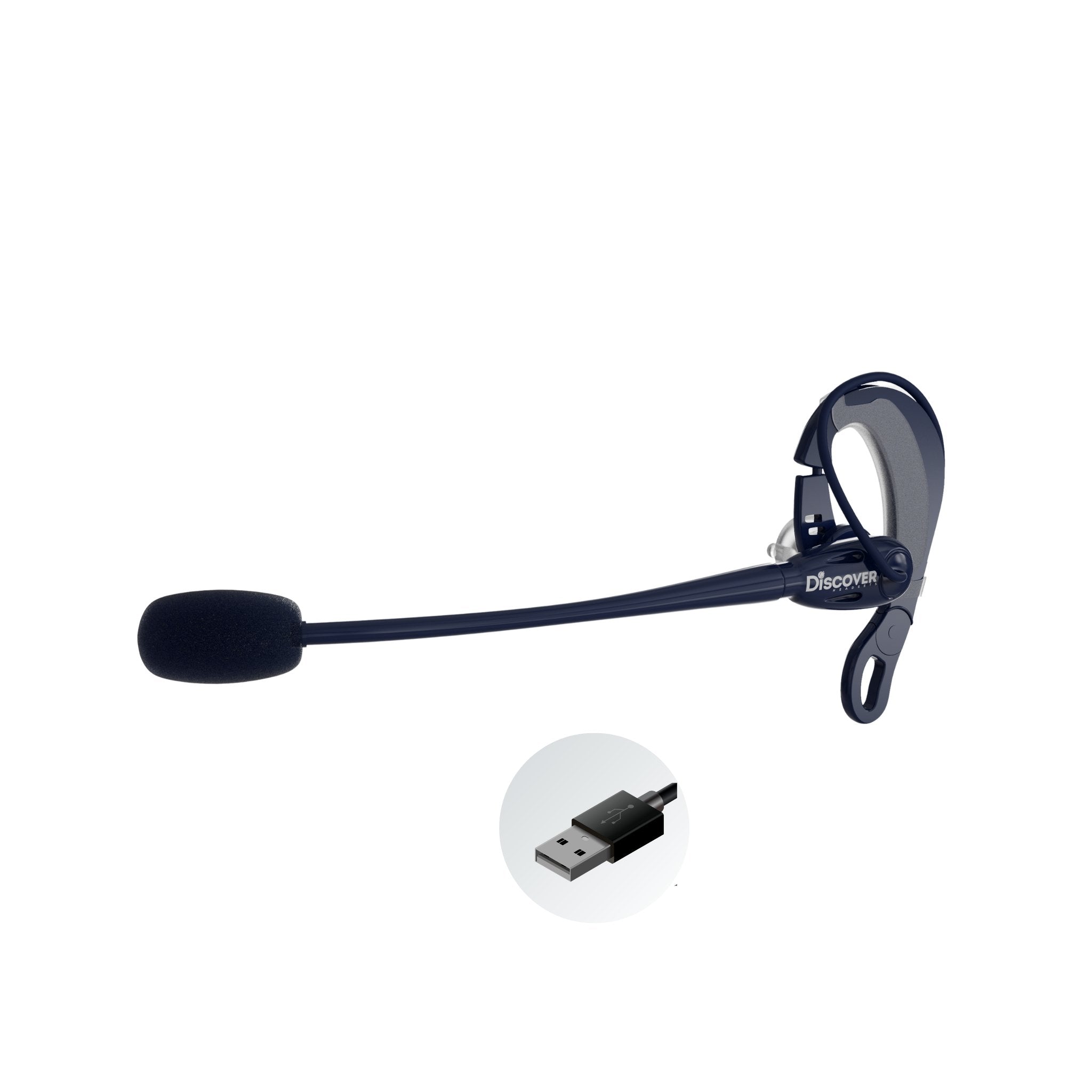
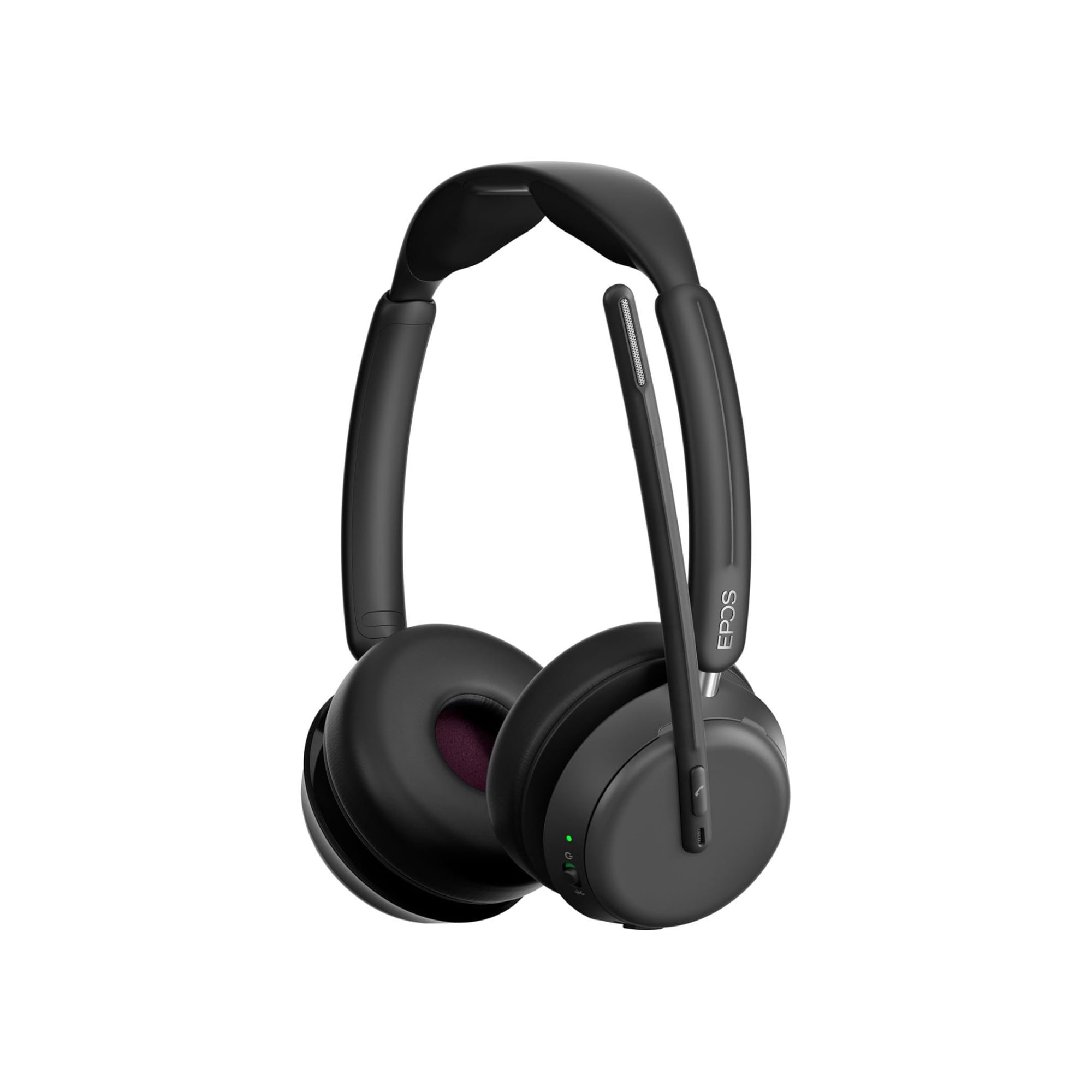
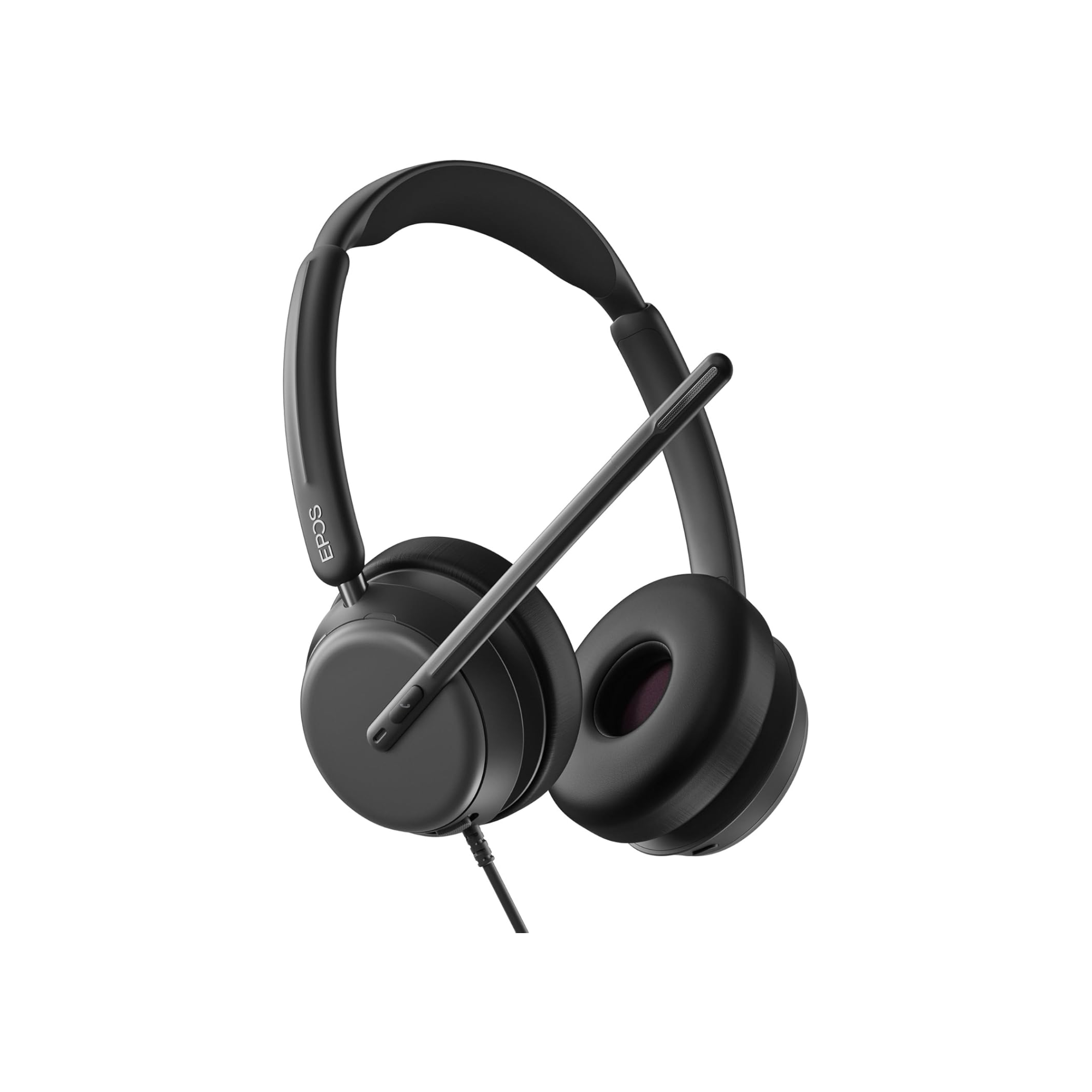
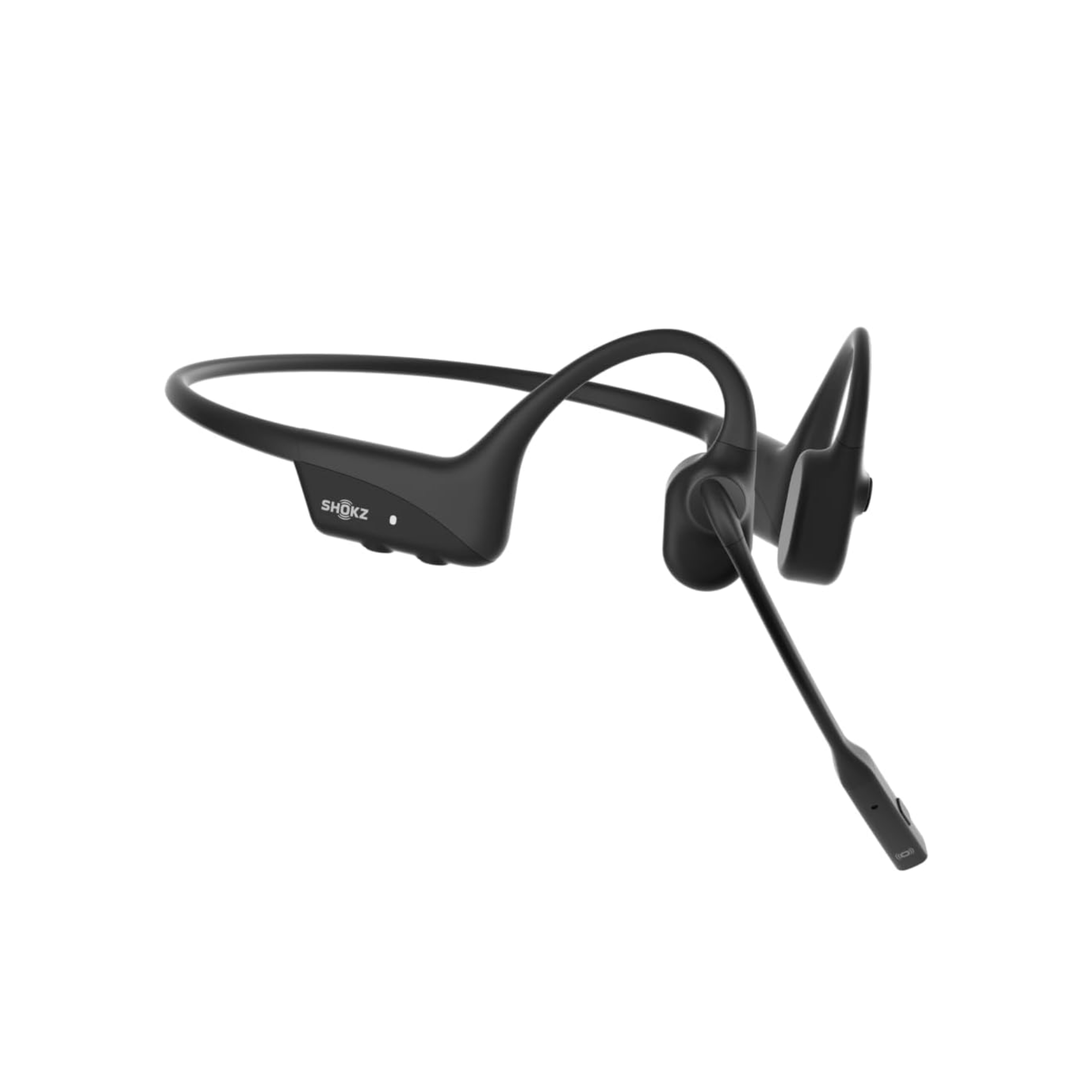
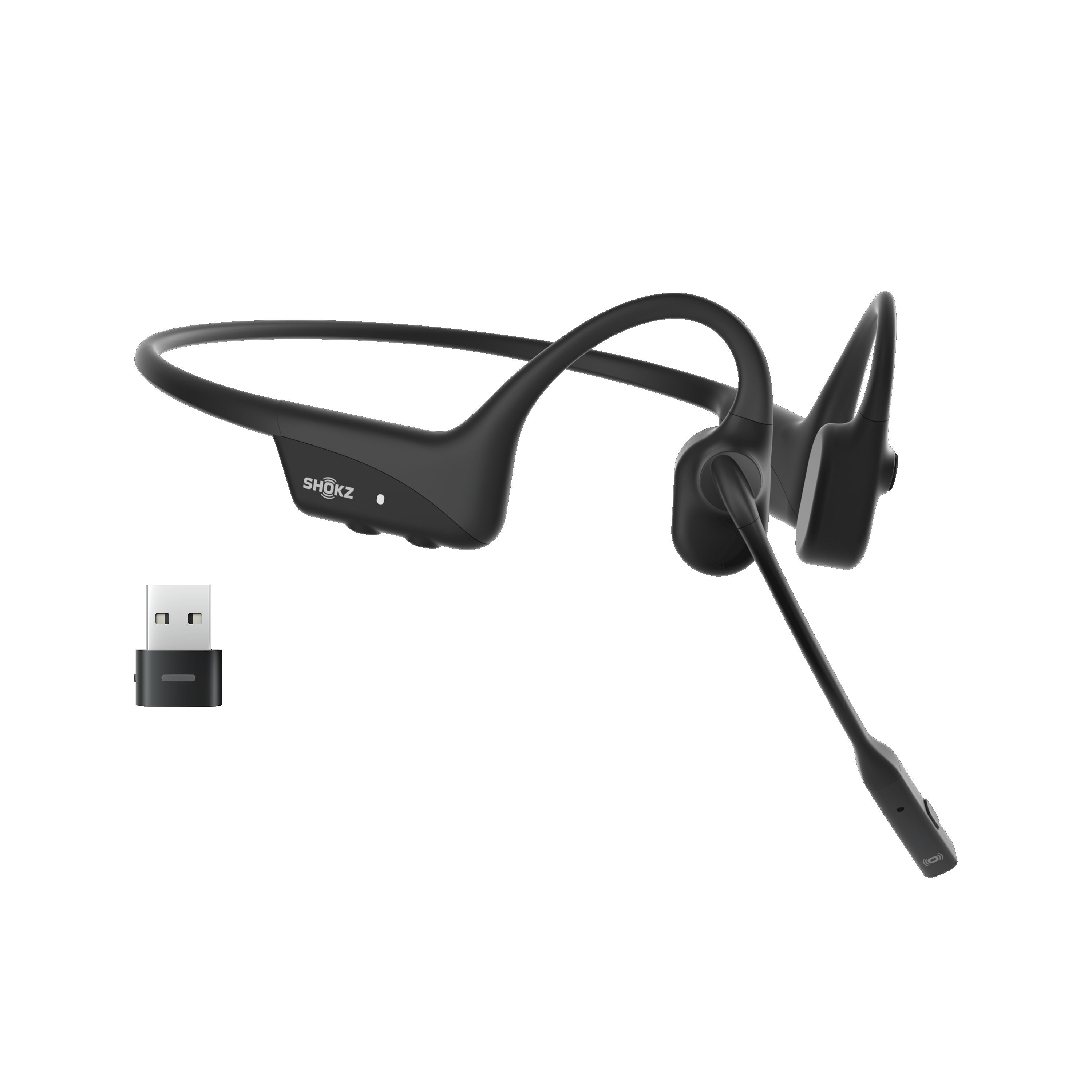
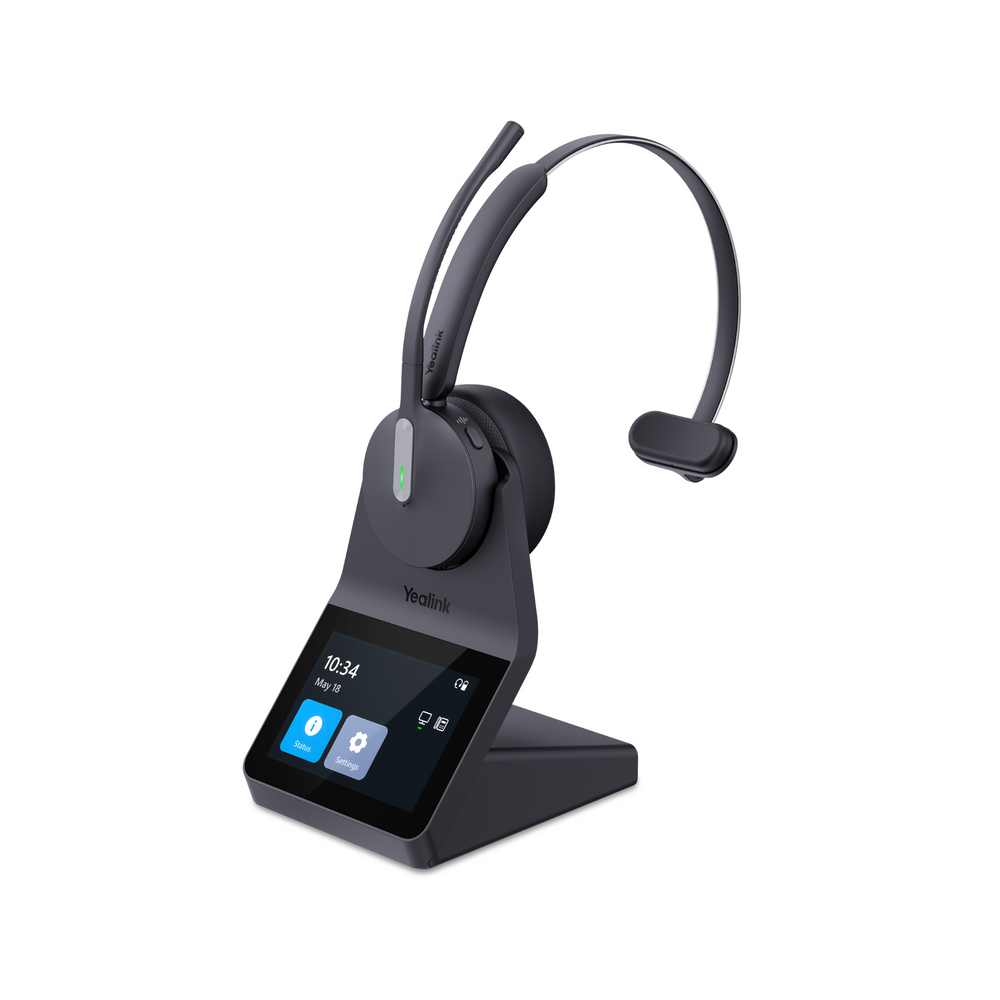
Choose a headset that fits comfortably. There are many different designs to choose from, such as mono, stereo, earpieces with speakers that rest against the ear, earpieces with earbuds that go into the ear, and models that are worn behind the neck.
If you're unsure whether your setup is contributing to discomfort or audio issues, it may be helpful to evaluate how your headset is being used day to day. Or to contact us for some personal assistance.
Final Thoughts
Headsets are a safe and essential tool for communication when used properly.
Most concerns around hearing loss, discomfort, or health risks are related to usage habits rather than the headset itself.
By paying attention to volume, fit, hygiene and overall comfort, you can use a headset confidently without worrying about long-term effects.
Need Help?

If you have questions or want help finding the right headset for your needs, you don’t have to figure it out on your own.
Headset Advisor has been helping businesses improve their communication for over 30 years. With more than 800 five-star Google reviews, our team has built a reputation for providing honest recommendations, real-world expertise, and dependable support.
Whether you're trying to solve an audio issue, choose the right headset, or equip a team, our Advisors are here to help you find a solution that fits your environment, devices, and workflow.
Contact us today for professional guidance and personalized recommendations.