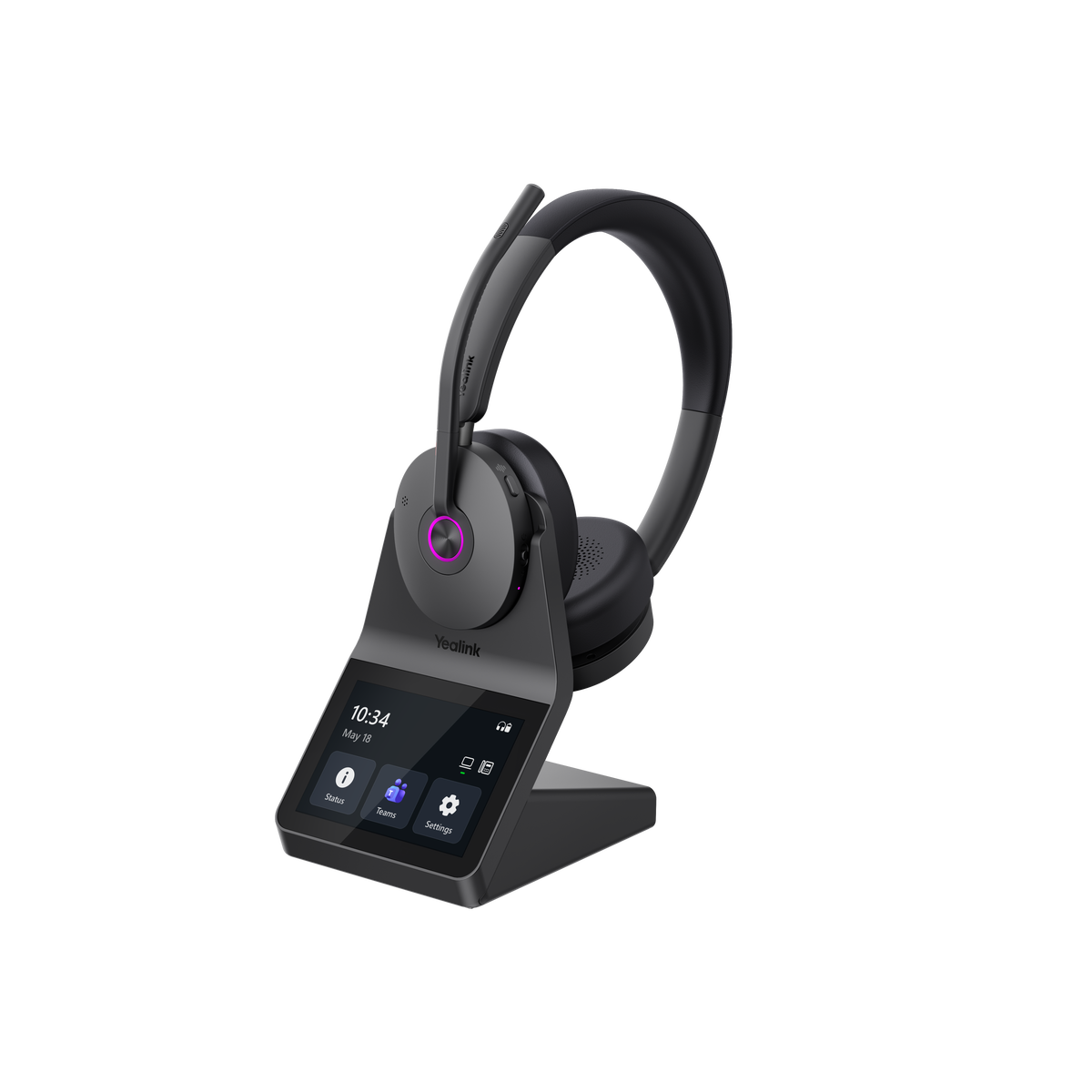
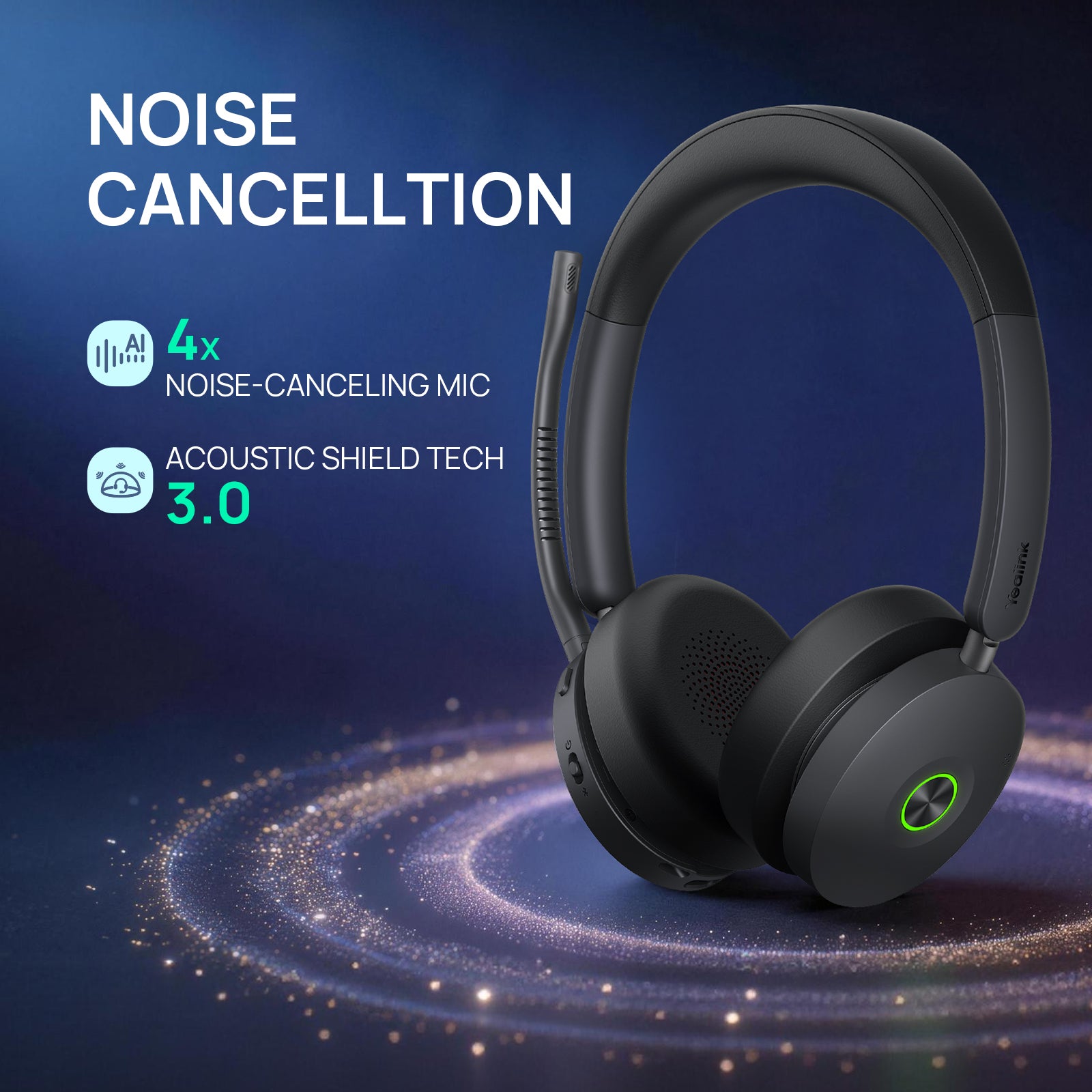
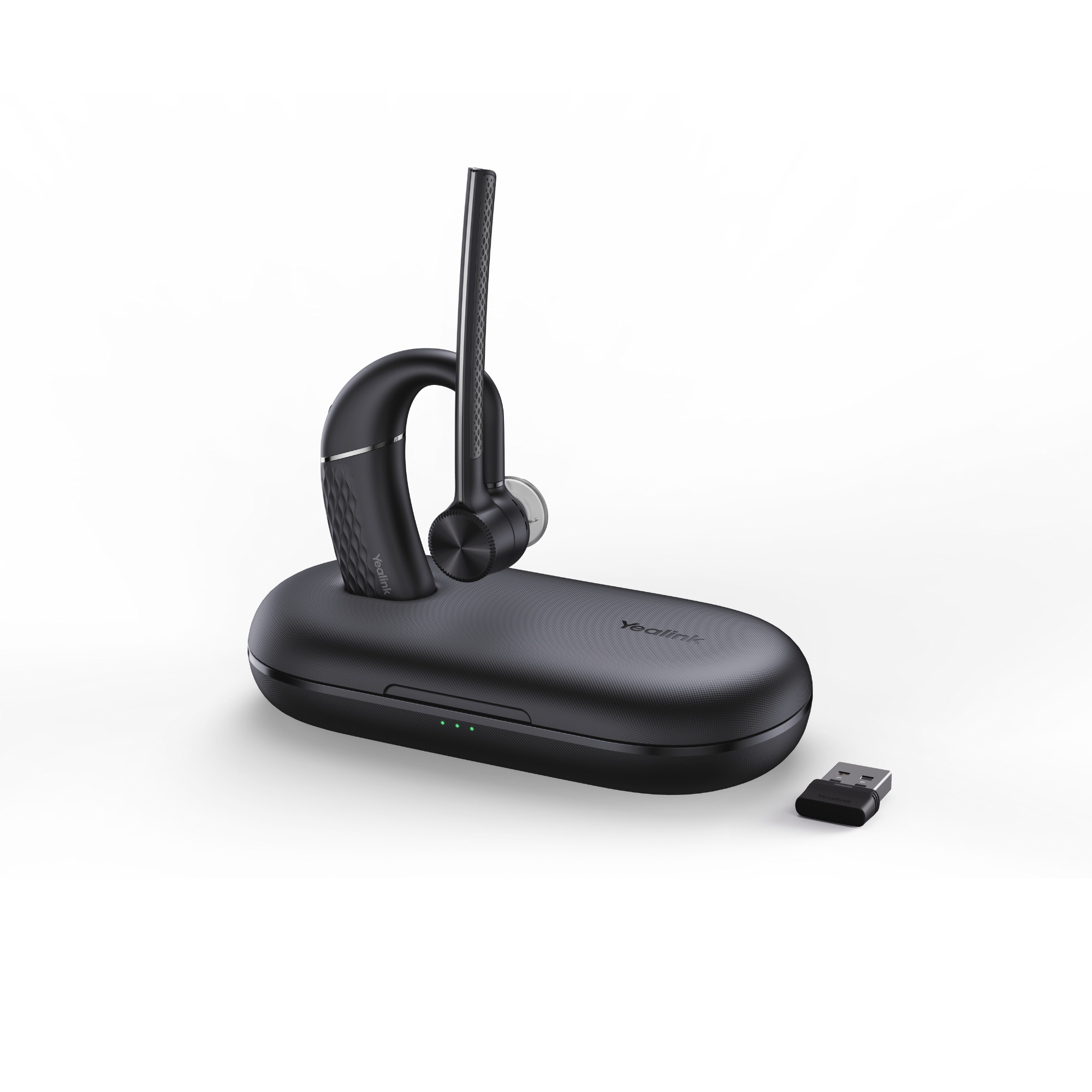
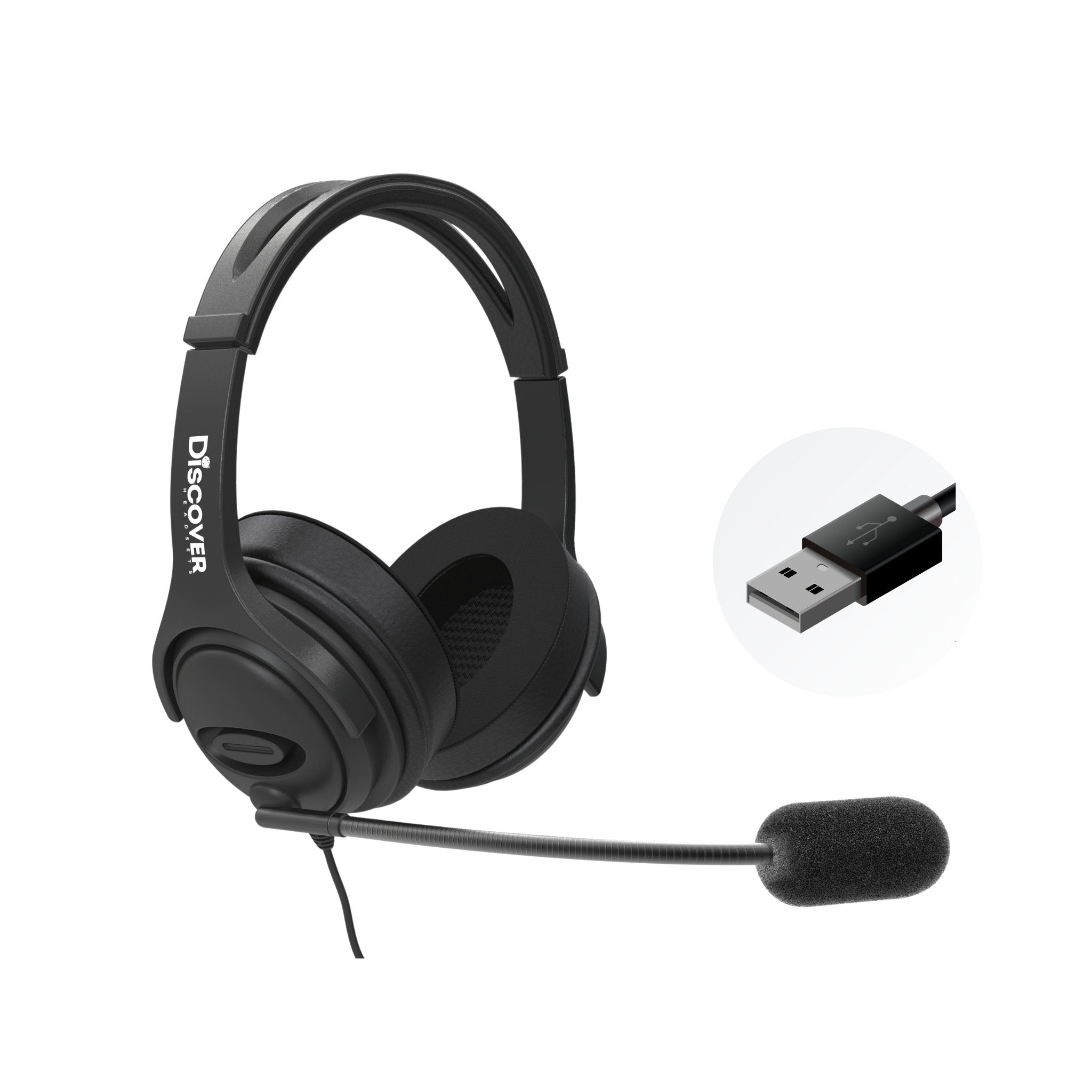
Do you want the best headset?

If you find that your headset is sounding bad when you’re on calls or meetings, you’re not alone because this isn’t an uncommon thing. And bad sound quality can be incredibly frustrating not only for you, but for the person on the other end of the call.
Bad sound quality can make conversations difficult, and it can erode your self image, and that of your company, product or service.
After helping businesses troubleshoot headset issues for over 30 years, we have found that most sound quality problems come down to a handful of common causes, and once you understand them, they are usually easy to fix.
In this blog, we’ll walk you through why your headset sounds bad and how to fix it.
In many cases, the issue comes down to connection quality, settings, microphone positioning, or environmental factors. In some situations, these issues are also related to broader connection problems, like when your headset keeps disconnecting during calls.
You may even come to the realization that the headset isn’t the right one for your situation.
Quick Fix: Why Your Headset Sounds Bad
If you need a fast answer, here are the most common causes:
-
Poor microphone positioning - the optimum location to place the microphone is two fingers width from the corner of your mouth, and just below your lower lip.
-
Background noise or environment - if your headset isn’t a quality model designed for business use in noisy environments, then it may have an inferior microphone, and lack noise canceling capabilities.
-
Weak or unstable connection - try a different USB port, avoid using a wireless Bluetooth connection from headset to computers, use a USB dongle instead. Replace cables and cords if found to be problematic
-
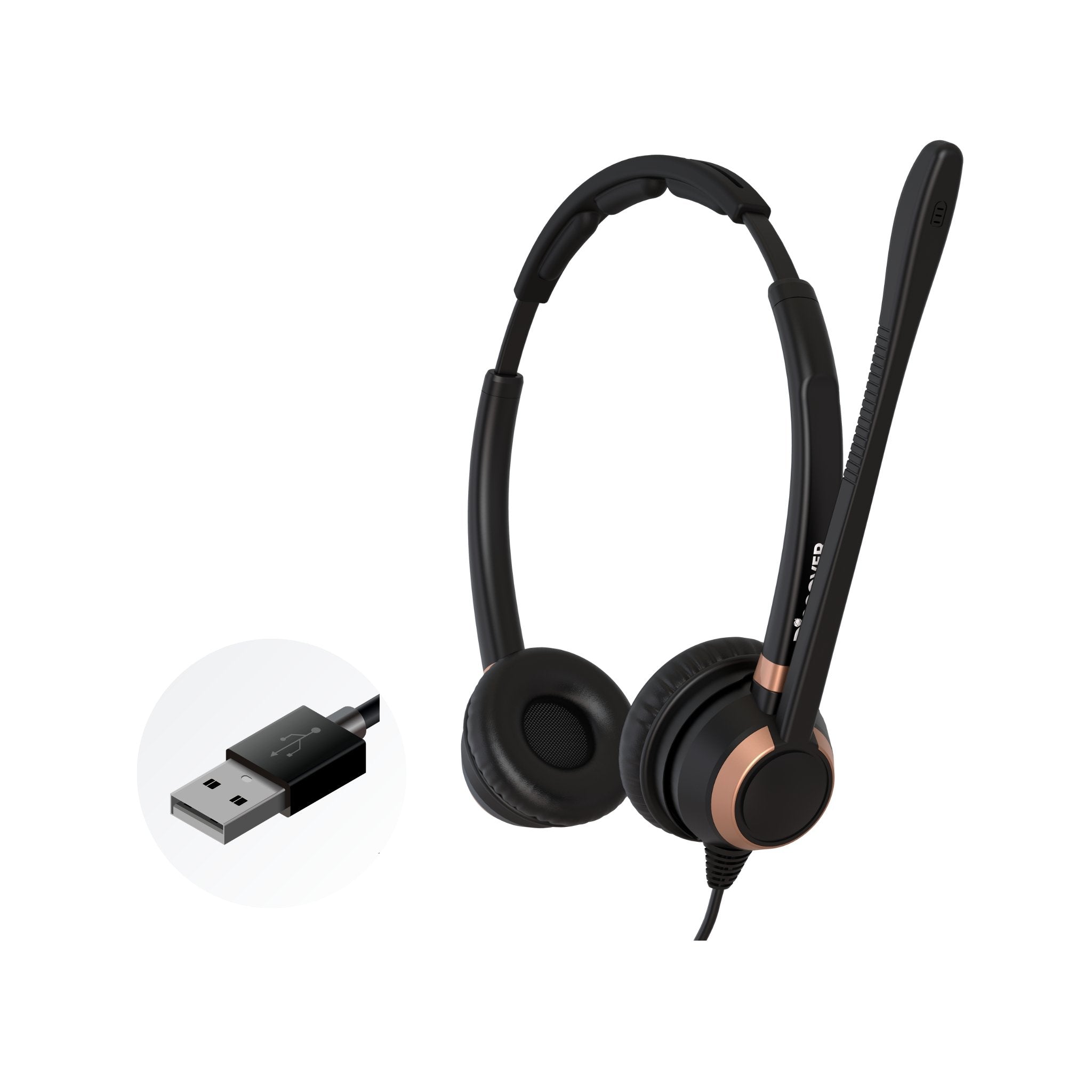
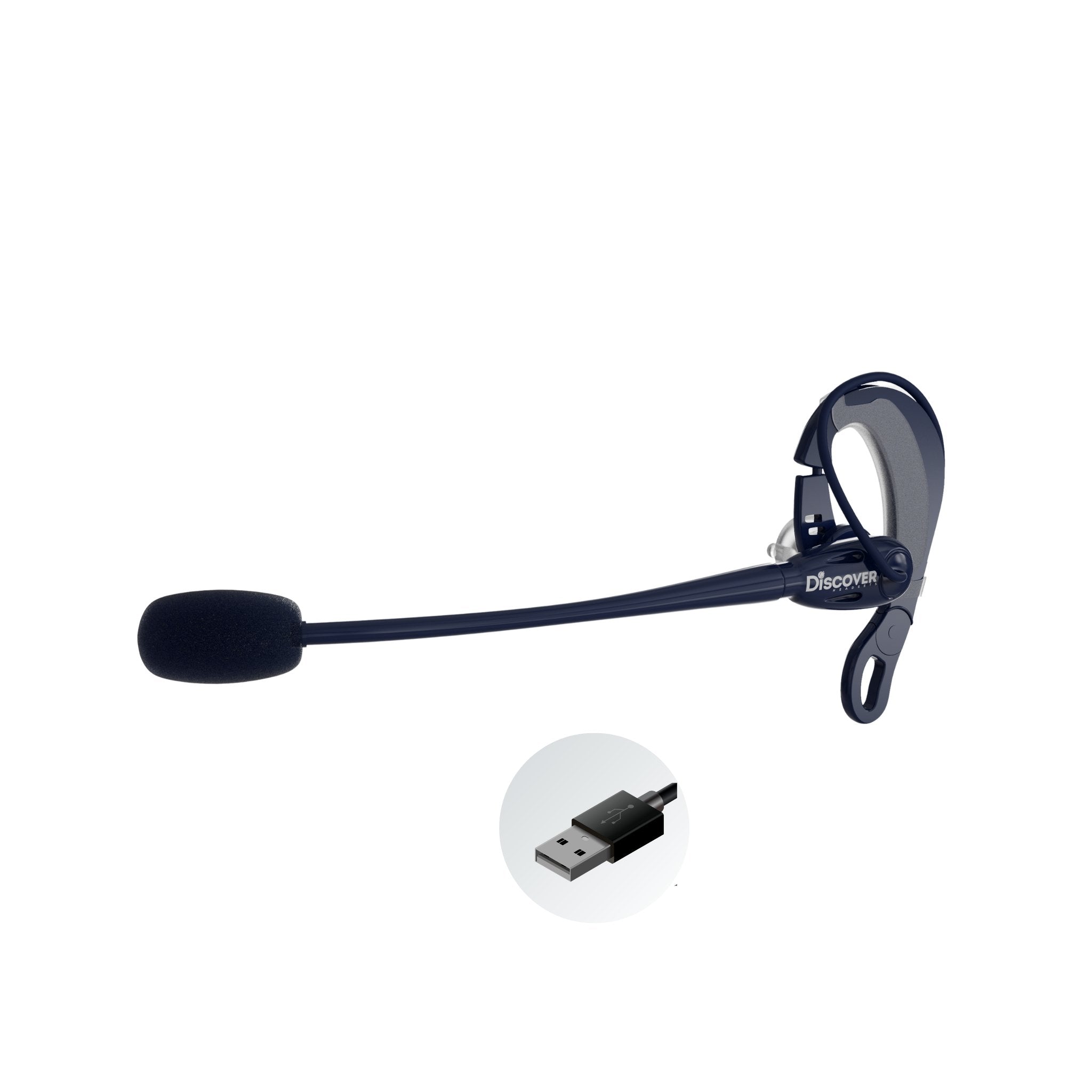
Low-quality or worn-out headset - headsets, like any other piece of equipment, has a usable life, which depends on several factors; care, maintenance, how it’s used for example. If it’s showing signs of wear and age, consider updating with a new model.
-
Incorrect audio settings - this can relate to audio settings in the computer, in the application, or even in the base of a wireless headset. Having the right settings can make a huge difference.
-
Need a firmware update. Outdated firmware can be the root cause of many different problems. It’s always advisable to have the most updated firmware in order to get the best performance from your headset.
Before going through multiple troubleshooting steps, it can be helpful to understand what others are actually hearing.
A quick microphone test allows you to record your audio and identify issues like low volume, poor clarity, or background noise. This can help narrow down whether the problem is your headset or something else in your setup.
Continue reading for detailed explanations and fixes.
The Most Common Reasons Your Headset Sounds Bad

1. Poor Microphone Positioning
This is one of the most overlooked causes of poor audio quality. Even a high-quality headset can sound bad if the microphone is not positioned correctly.
What’s happening:
-
The microphone is too far from your mouth
-
The mic is not aligned with your voice
-
The boom arm is positioned too high or too low
Symptoms:
-
Your voice sounds faint or distant
-
Audio sounds inconsistent
-
Audio can sound fine one moment, and very faint the next
-
Others ask you to repeat yourself
How to fix it:
Start by adjusting the physical position of your microphone, since small changes can make a big difference.
-
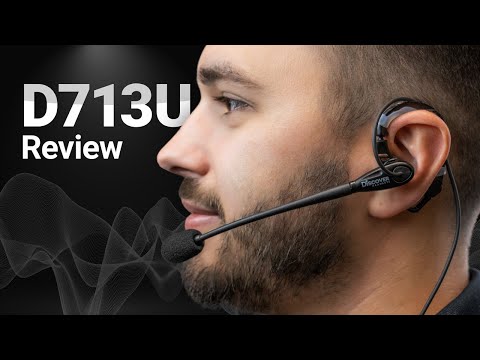
Position the mic about two finger widths from the corner of your mouth, and just below the lower lip. This is the optimum location for a boom microphone.
-
Keep it slightly off to the side to avoid breathing noise. Having the microphone too close to your mouth can cause it to pick up every little sound including that of your breathing.
-
Make sure it stays in place during calls. Most all headsets will have a microphone that is designed to stay put, but even the most expensive ones benefit from a periodic mic position check.
2. Background Noise or Environment

Your environment plays a major role in how your headset sounds. Even the best headset can struggle in noisy or echo-filled spaces. We know because we’ve tested hundreds of headsets for sound quality, and noise canceling. Some do very well, while others clearly struggle.
What’s happening:
-
Background conversations or noise are being picked up allowing your callers to hear the noise going on around you.
-
Hard surfaces cause echo or reverb. Stone flooring or walls, glass windows etc.
-
Fans, keyboards, or other sounds interfere. These are noises we don’t always pay attention to because it departs from what we normally consider background noise. Still, the sounds of a fan nearby, or the clacking sounds of a keyboard can distract callers if it’s not handled.
Symptoms:
-
Others hear background noise more than your voice
-
Your voice sounds muffled or unclear
-
Echo or hollow sound during calls
How to fix it:
Improving your environment can significantly improve your audio quality.
-
Move to a quieter space if possible. Some offices are set up with a quiet zone, or even privacy pods for silencing noise
-
Reduce background noise sources. Some offices have installed noise meters to keep a close watch on elevating room noise. When it increases, management intervenes. Ask your coworkers to speak more quietly, relocate away from noise sources
-
Use a headset with noise-canceling microphones. If making a purchase, test before buying. This way you’ll know if the headset provides you with the sound quality and noise cancellation you need. Not all noise canceling headsets excel at noise reduction. Headsets with boom microphones tend to be the best.
Even factors like whether you are using a mono vs stereo headset can influence how much background sound you hear and how focused your audio comes across.
3. Weak or Unstable Connection

Connection quality has a direct impact on how your audio sounds, especially with wireless headsets.
What’s happening:
-
Bluetooth signal is weak or interrupted - this is particularly true when using Bluetooth wirelessly between a headset and computer, where known issues can occur when using this kind of connection.
-
Interference from other wireless devices - it’s not uncommon for other wireless devices to be in use nearby, things like wireless mice and keyboards, microwave ovens, baby monitors, other headsets and much more. This crowds the frequency with many devices fighting for space.
-
Poor connection between headset and device - this can be due to too many nearby wireless devices, or a poor wireless Bluetooth connection
Symptoms:
-
Robotic or distorted sound
-
Audio cutting in and out
-
Delays or lag in conversations
How to fix it:
The goal is to improve connection stability.
-
Move closer to your device where the signal is stronger
-
Use a USB dongle instead of native Bluetooth to avoid the pitfalls of a Bluetooth connection
-
Reduce interference from nearby devices by disconnecting some wireless devices where possible, use the headset where hard surfaces don’t exist (cement or brick walls for example), avoid being near a microwave oven when in use to avoid interference.
If you are using a wireless headset, it helps to understand the differences between Bluetooth vs DECT headsets, since they perform very differently in terms of stability and range.
4. Low-Quality or Worn-Out Headset

Not all headsets are built the same, and over time, even good ones wear out.
What’s happening:
-
Microphone components degrade
-
Speakers lose clarity
-
Cracks appear, or components failed
-
Padding on headband, and ear speakers are frayed and clearly worn out
-
Battery won’t hold a charge
-
Older models lack modern audio improvements
Symptoms:
-
Consistently poor audio quality
-
No improvement after troubleshooting
-
Sound quality worse than expected
How to fix it:
At a certain point, upgrading becomes the most effective solution.
-
Test with another headset to compare.
-
Replace worn or outdated equipment
-
Choose a headset designed for your work environment that’s comfortable, has the features you need, and has professional sound quality and efficient noise reduction.
In some cases, switching connection types can also improve performance, which is why it is helpful to understand the differences between wired vs wireless headsets when deciding what to use long term.
5. Incorrect Audio or Software Settings

Sometimes the issue is not your headset, but how your system or software is configured.
What’s happening:
-
Incorrect microphone settings
-
Low input volume levels
-
Software processing affecting sound
Symptoms:
-
Audio sounds too quiet or too loud
-
Distorted or unnatural voice quality
-
Inconsistent performance across apps
How to fix it:
Focus on aligning your system and application settings.
-
Adjust microphone input levels in your system settings
-
Check audio settings in apps like Teams or Zoom to make sure your device is the default
-
Restart your device after making changes
Real-World Insight: Where Sound Issues Show Up Most
In real environments, sound quality problems are more noticeable when:
-
You are in a noisy office or working from home
-
You are on long or frequent calls
-
You switch between devices or platforms routinely
In these situations, both your setup and your headset quality play an important role, and it’s important to match your headset to your work requirements.
When It’s Not Worth Fixing

Sometimes troubleshooting only goes so far, especially if the problem keeps coming back.
You may want to replace your headset if:
-
Audio quality remains poor after adjustments and troubleshooting efforts
-
The headset is several years old
-
It was not designed for your environment
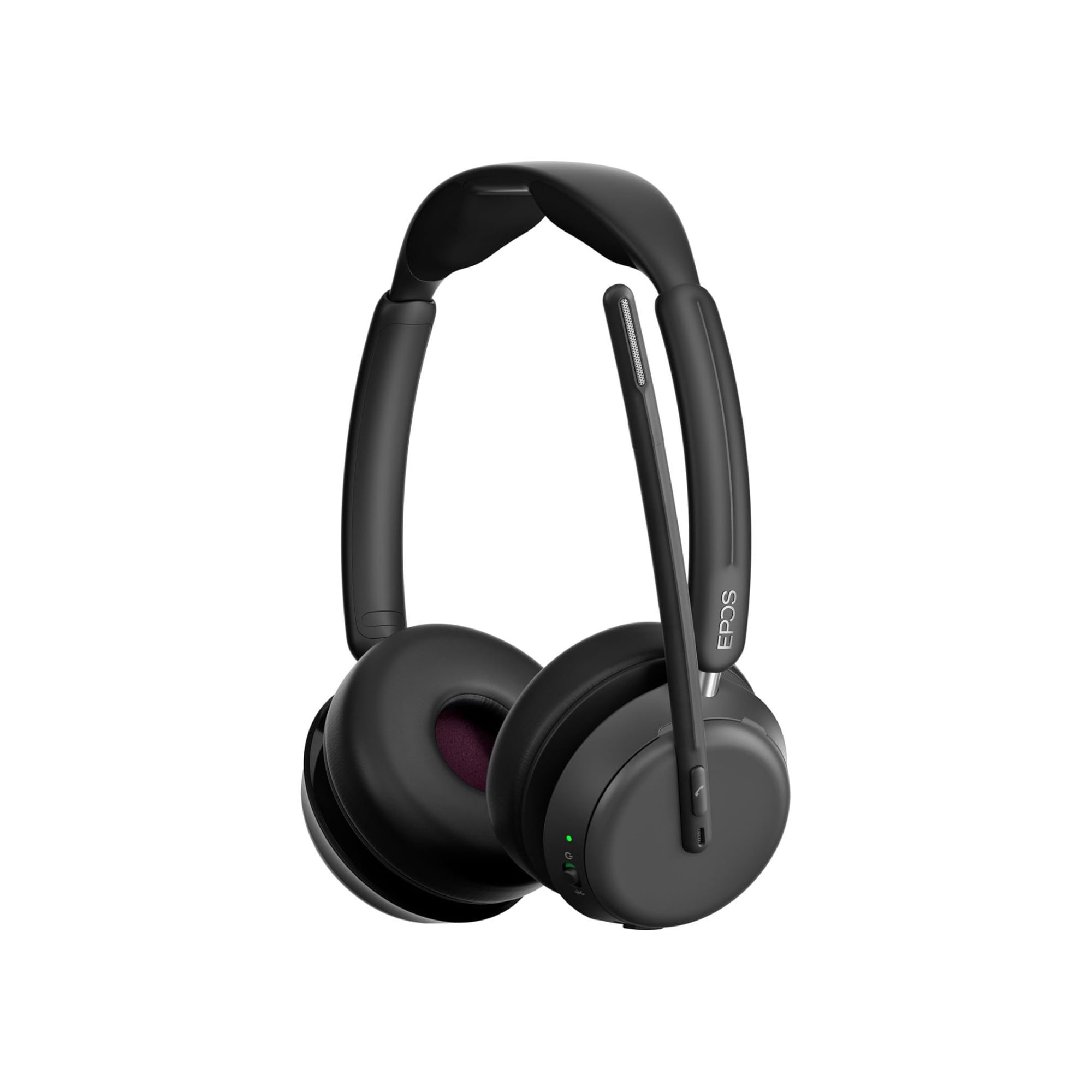
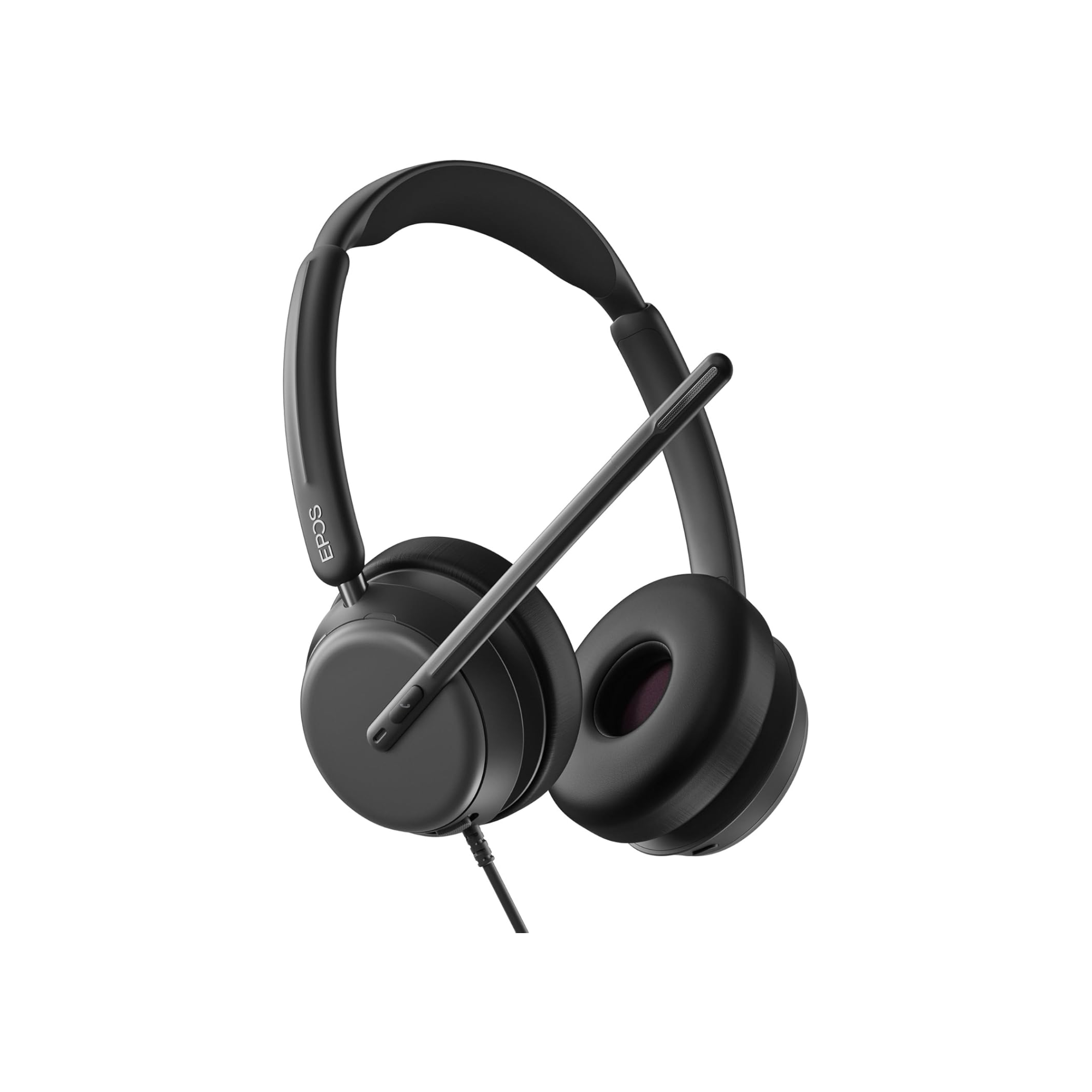
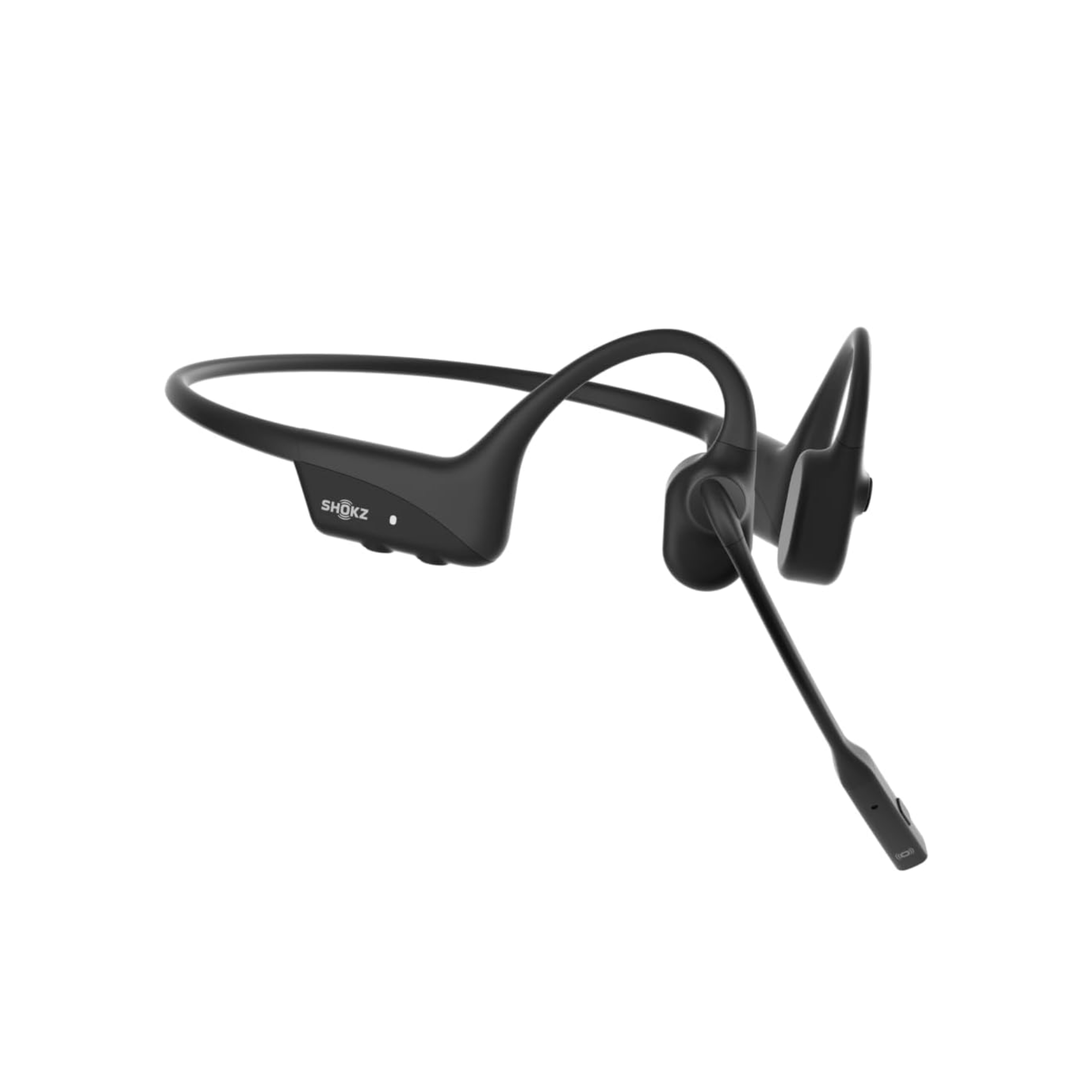
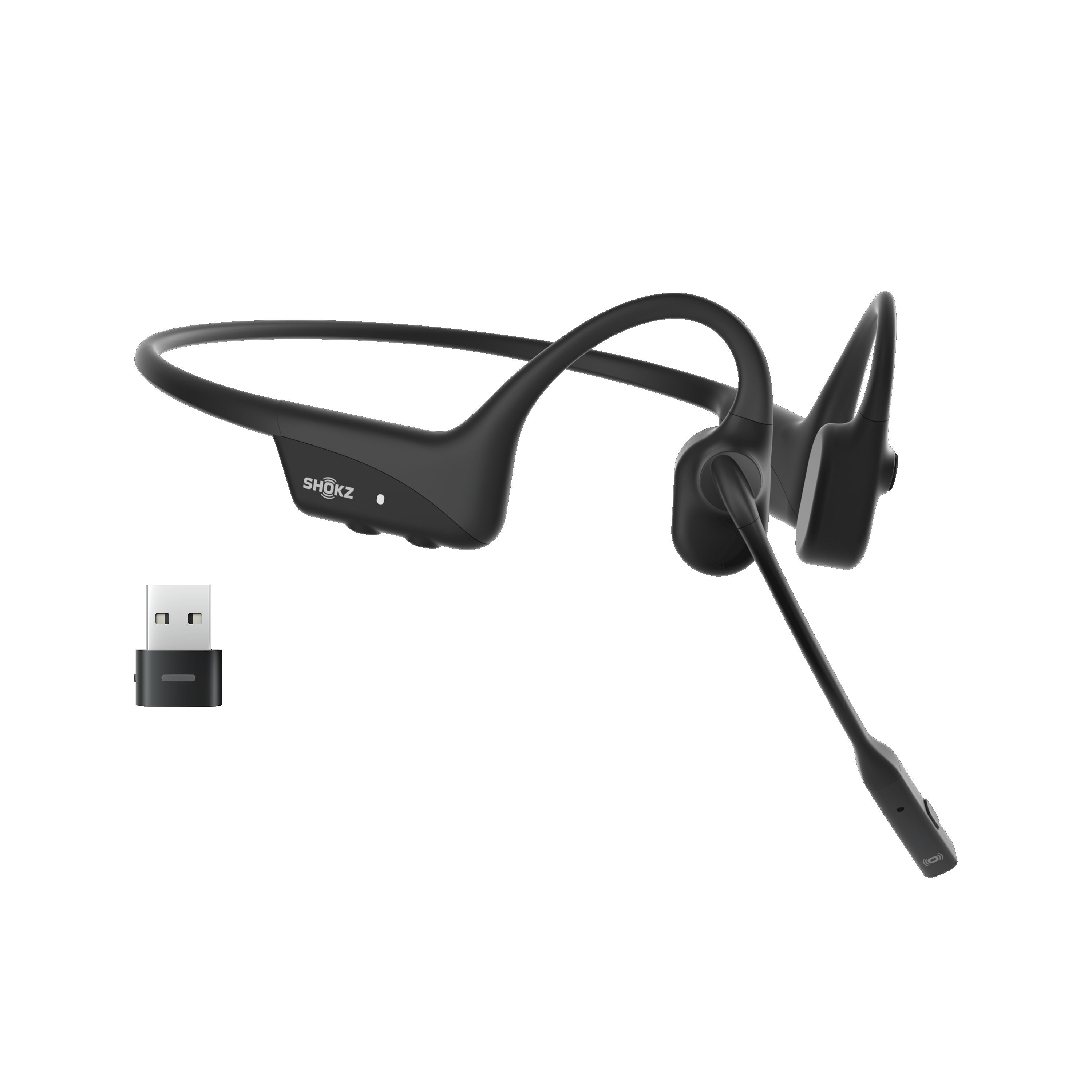
The Right Headset Can Prevent These Issues
Choosing the right headset from the start can help you to avoid many sound quality problems.
-
Wired headsets provide consistent, stable audio
-
USB dongle-based wireless headsets improve connection quality over a Bluetooth wireless connection
-
Business-grade headsets deliver clearer voice transmission when compared to consumer grade headsets. There is some validity to the phrase you get what you pay for because business-grade headsets are built to withstand the rigors of heavy usage, and you may pay more for these. If problems are avoided by spending a little more, it’s worth it.
Choosing the right connection type plays a big role here, especially when comparing wired vs wireless headsets for reliability and consistency.
Final Thoughts
Most headset sound issues come down to microphone positioning, work environment, connection, or settings. It can also be due to its age.
Once you identify the cause, the fix is usually straightforward.
If problems continue after trying all available remedies, upgrading your headset may be the best long-term solution.
Need Help Choosing the Right Headset?

If you are not sure what is causing your issue, or you want help finding a better solution, contact us at Headset Advisor.
We will help you troubleshoot your setup and recommend the right headset so you can sound clear and professional on every call.
We have over 30 years of experience, and over 800 5-star reviews on Google. So let us know if you have any questions, or need some help.