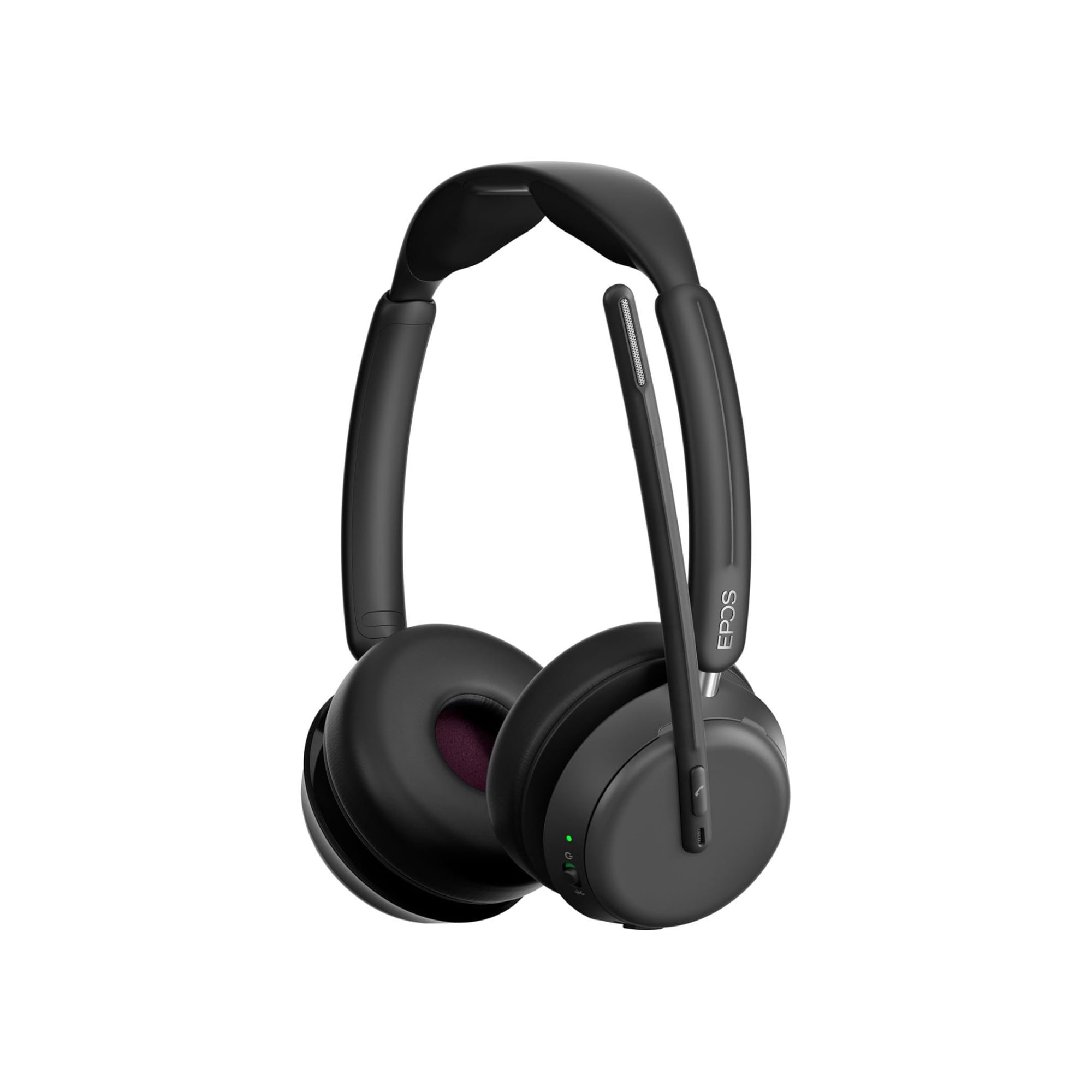
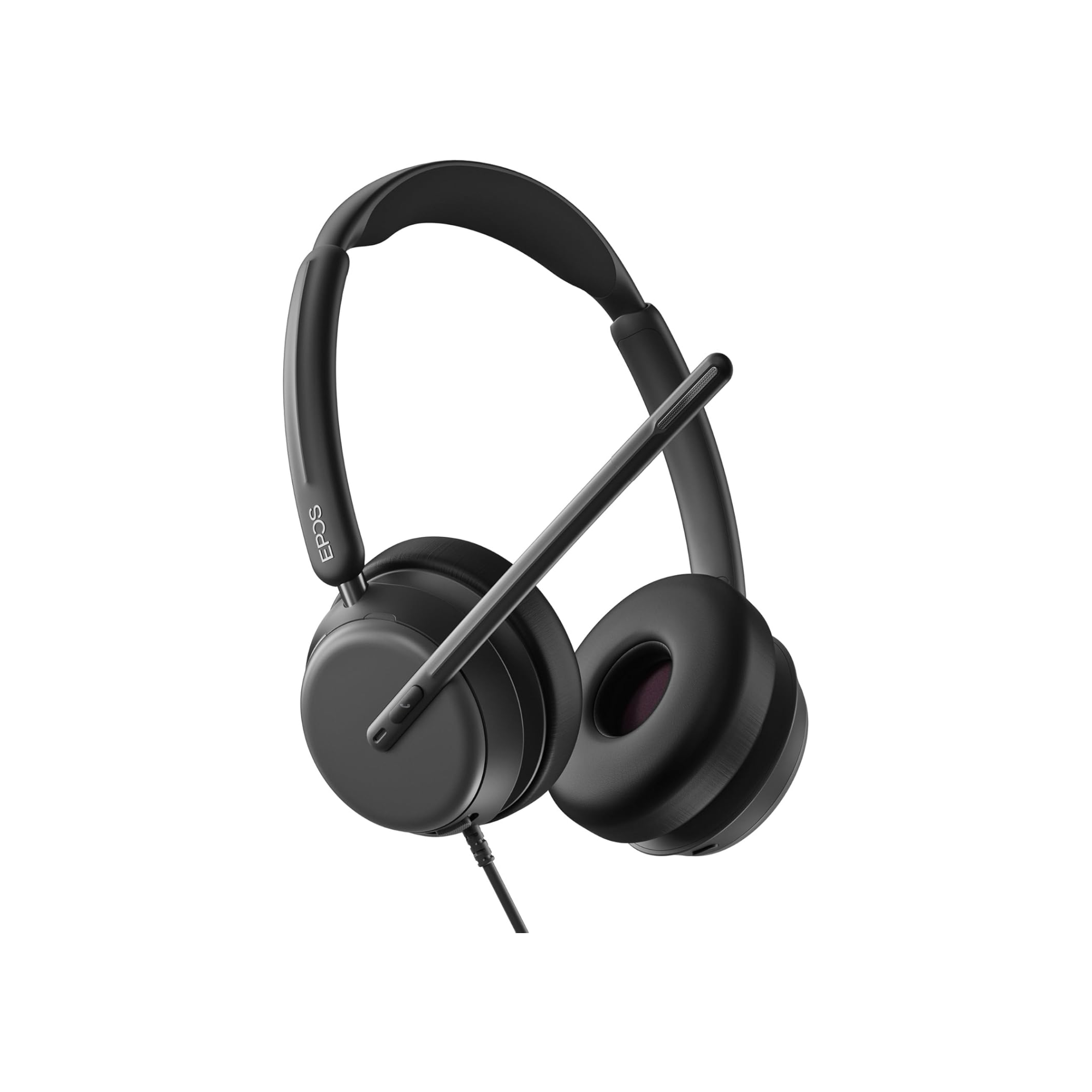
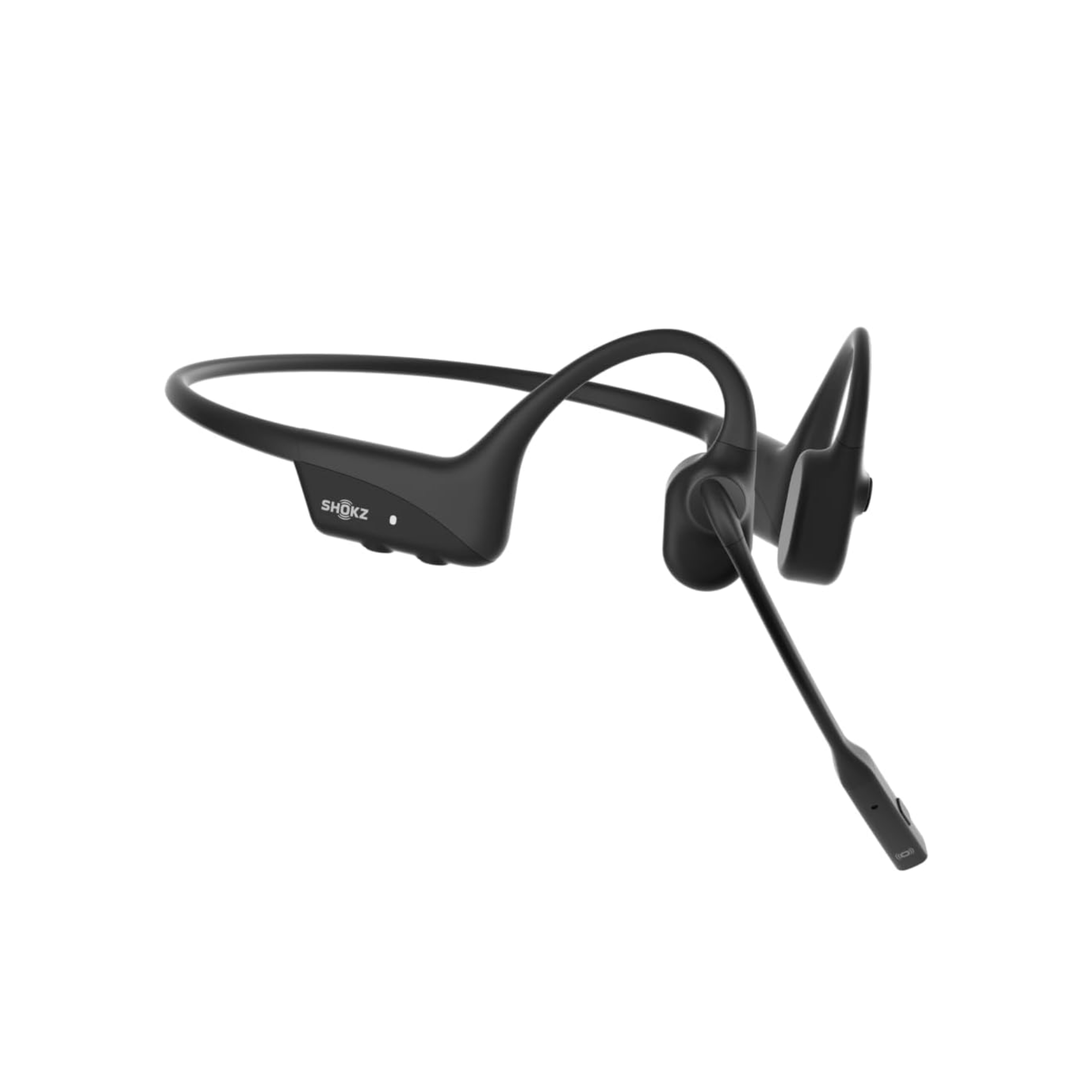
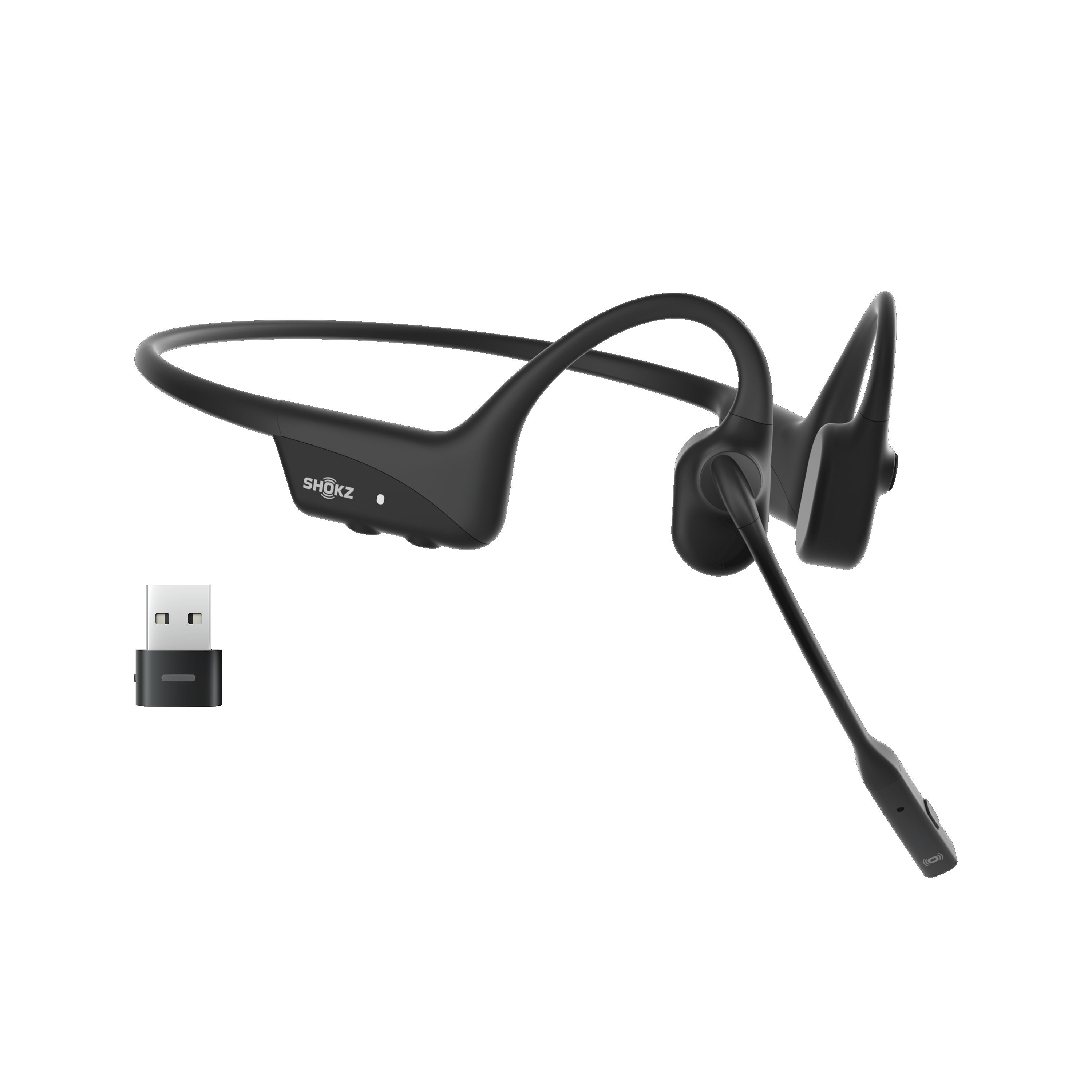
Do you want the best headset?
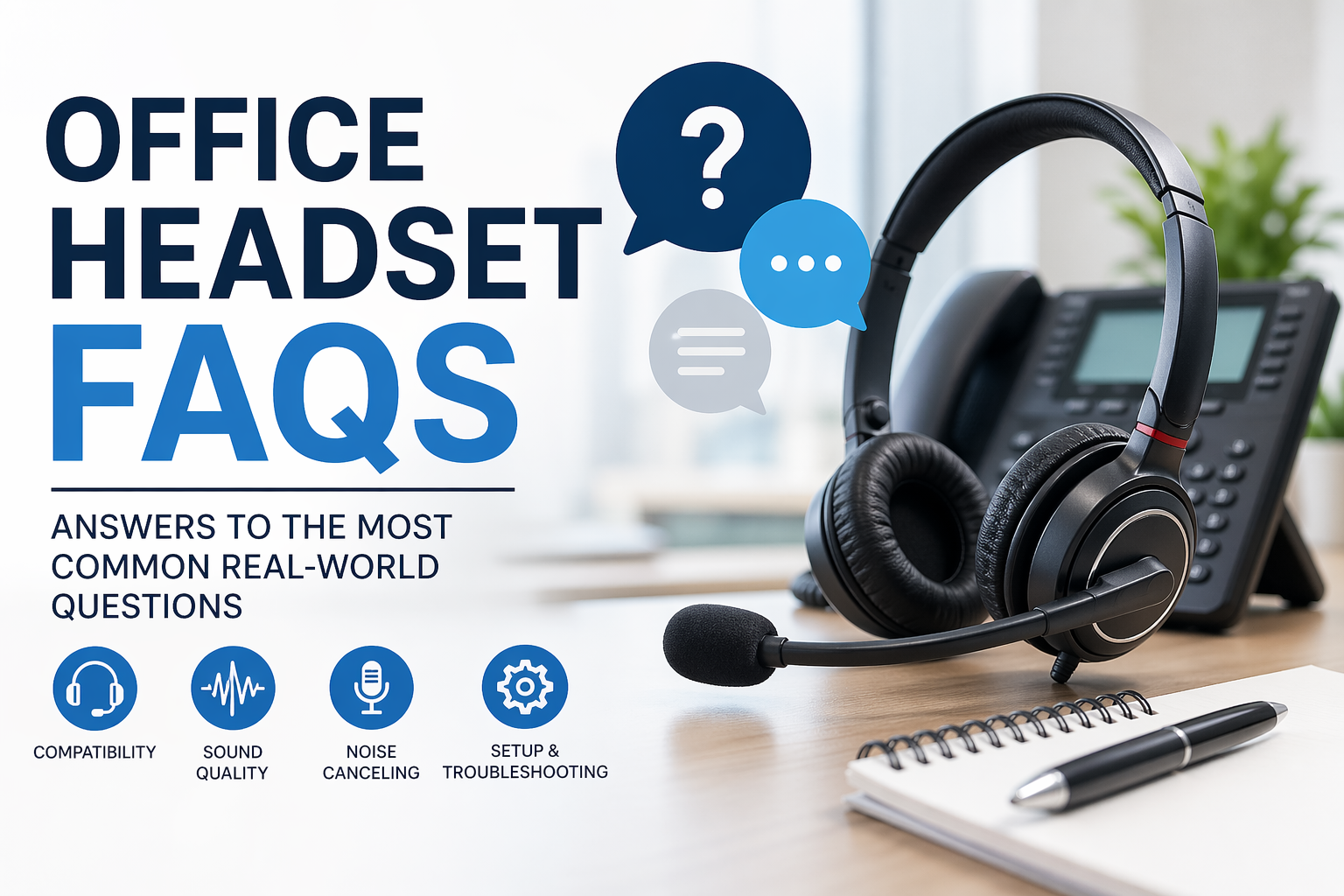
With the amount of information online, there’s a lot of confusion when it comes to purchasing and using office headsets.
Whether you're working from home, in an office, or in a call center, these are some of the most common real-world questions we hear from customers every day. Understanding these can help you avoid common mistakes and help you to make better decisions.
With that said, here are some of the top questions we hear:
Q: Are all wired office headsets compatible with my phone?
A: In most cases, no.
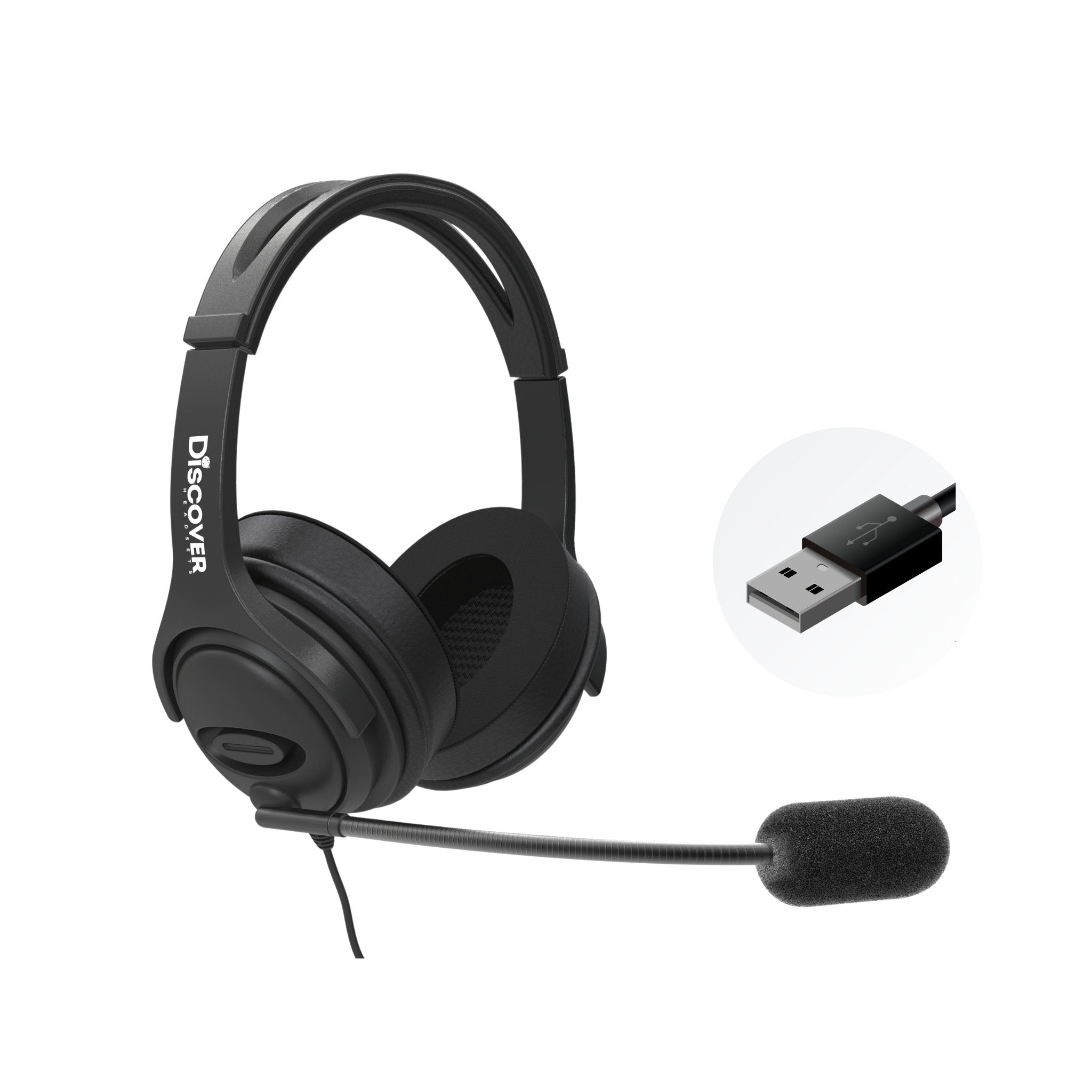
Business-grade wired headsets typically require a direct connect cable (sold separately), and the correct cable depends on the make and model of your phone.
Headset manufacturers produce different cables designed to work with specific phone systems. Because of this, it’s always a good idea to confirm compatibility before making a purchase.
Q: Can I answer/end calls away from the phone when using a wireless office headset?
A: Yes, but only with the right accessories.
To enable remote call answering, you’ll need either a Handset Lifter or an Electronic Hook Switch (EHS) cable (sold separately).
A common misconception is that all wireless headsets include this feature out of the box. Without one of these accessories, you’ll still need to answer calls from your phone.
Q: Can I take my wireless office headset on the go and use it with my mobile phone?
A: It depends on the type of wireless headset you have.
Most office wireless headsets use DECT 6.0 technology, which is designed for use with desk phones and does not support mobile connectivity.
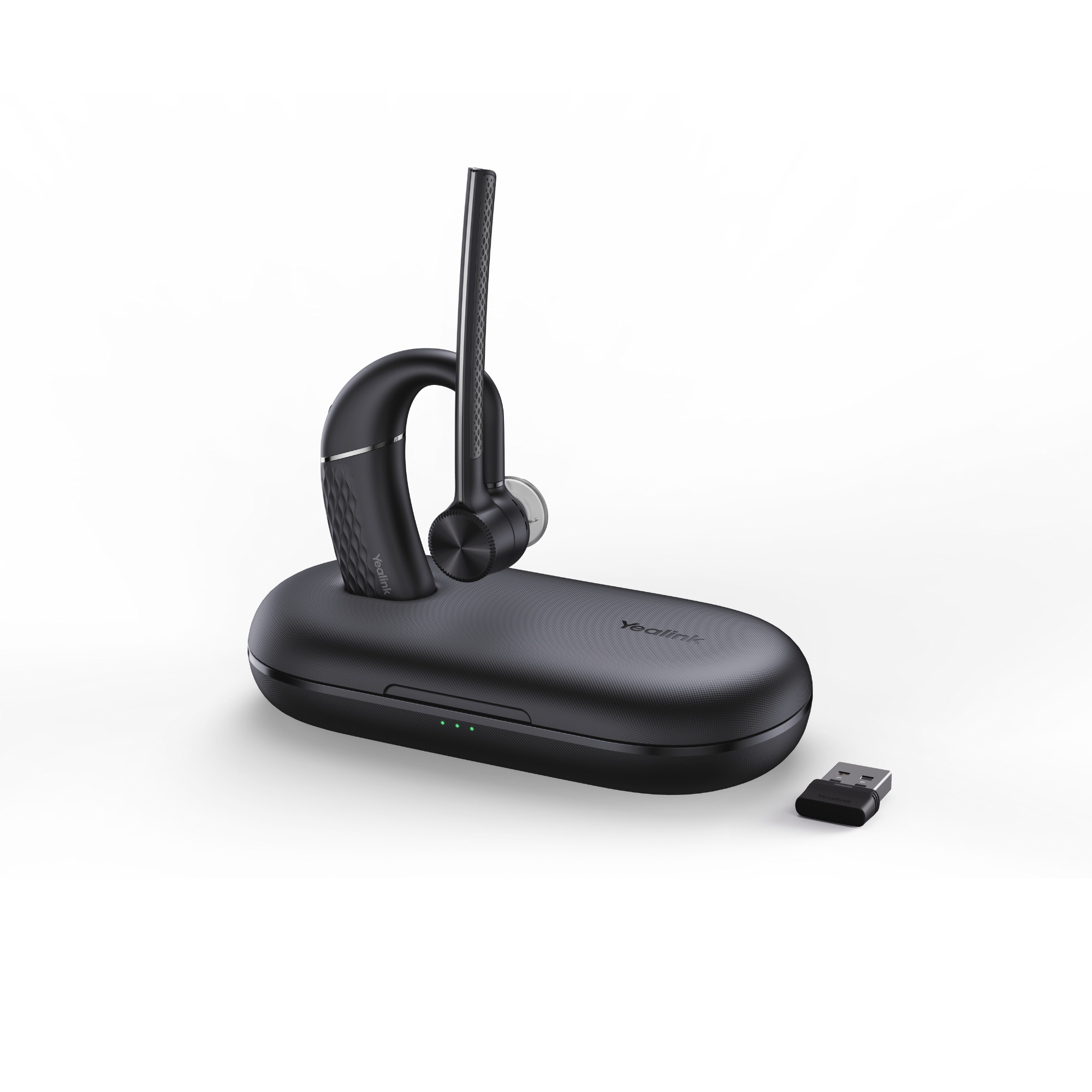
If you need something that works with a mobile phone, you’ll want a Bluetooth headset instead.
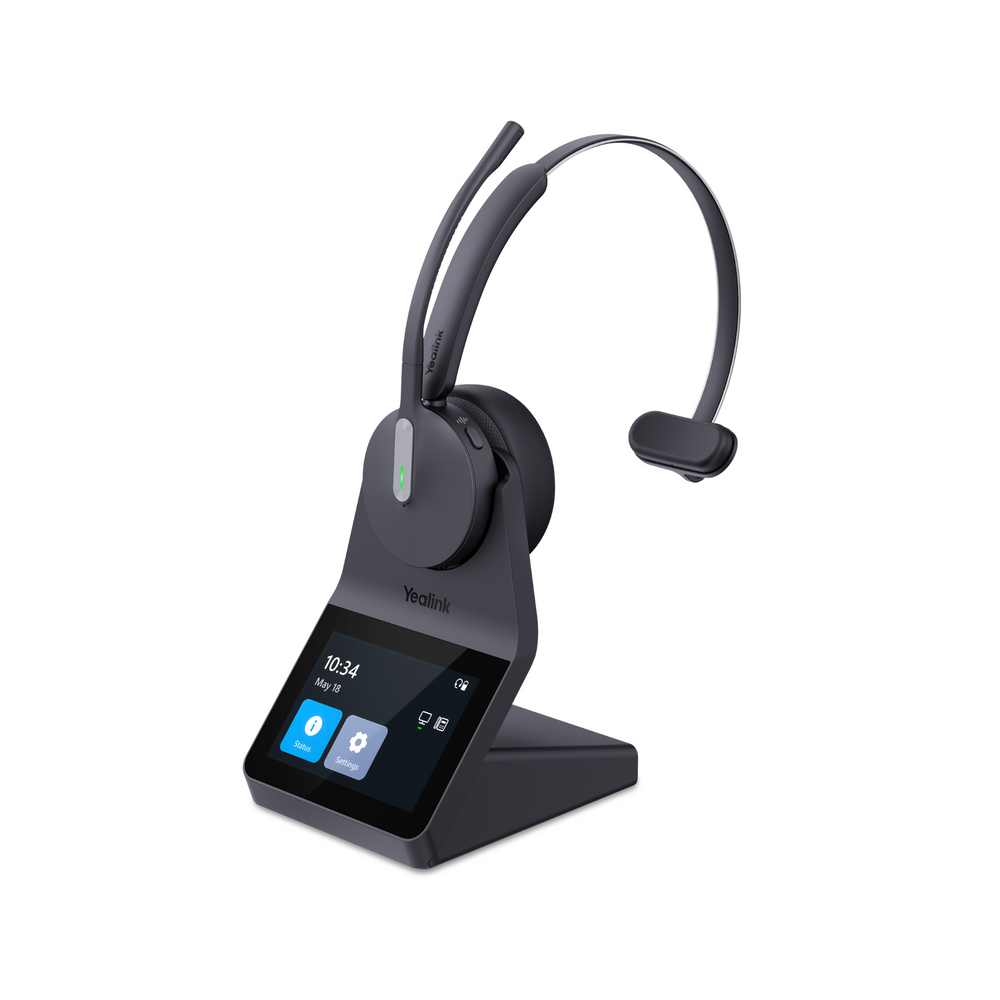
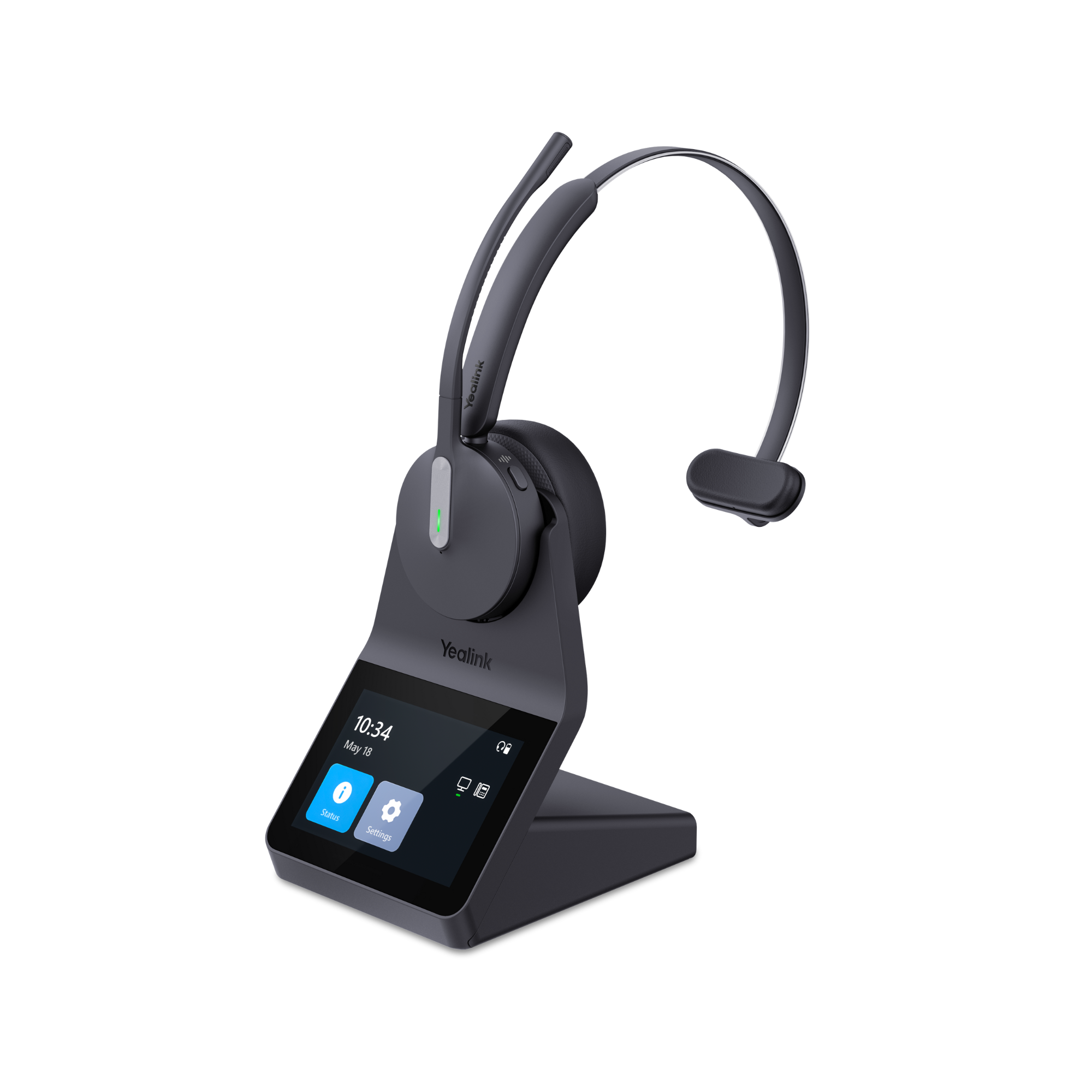
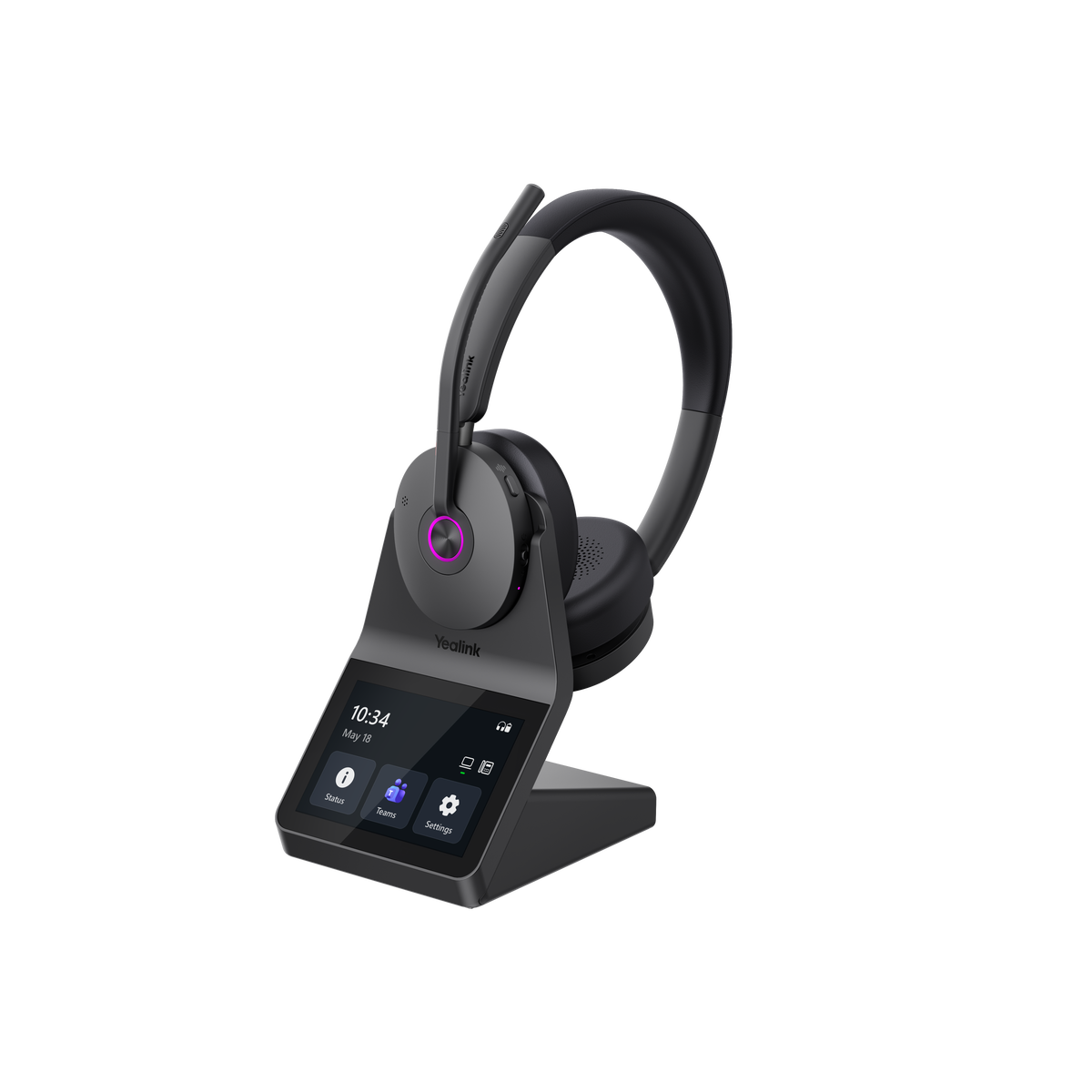
There are models that incorporate DECT + Bluetooth, and do allow you to use it in the office, or on the go. One example is the Yealink HA64 Pro.
If you're comparing Bluetooth and other wireless technologies, it's important to understand how they differ in both functionality and audio performance.
Learn more in Bluetooth headset audio quality explained.
Q: My phone system provider only says a few headsets are compatible. Is there any other models also compatible?
A: Yes, often there are more options than what’s listed.
Many phone system providers publish limited compatibility lists, but there are typically additional headset models that will also work.
The challenge is that compatibility doesn’t always mean the headset is the right fit for your needs, and it’s not always clear which accessories are required.
That’s why it’s often helpful to speak with a headset specialist who can guide you based on your specific setup. Headset Advisor has specialists available to help sort this out for you, so contact us today to get professional guidance.
Q: I have echo and static in my headset, is it defective?
A: In most cases, echo or static is caused by settings, device conflicts, the wireless headset base being too close to the desk phone or computer, or environment, not a defective headset.
You may find it helpful to review our guide on why your headset sounds bad and how to fix it.
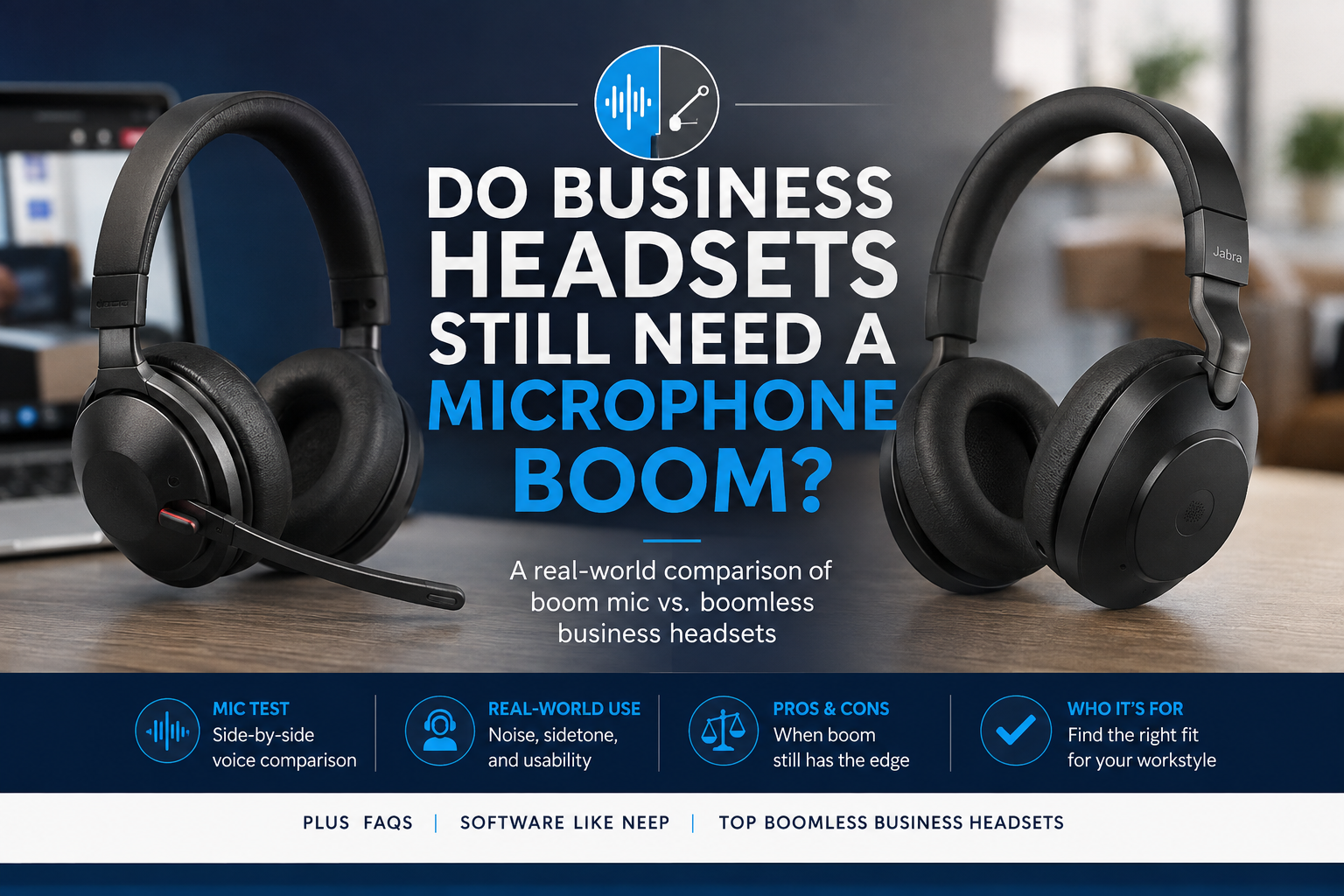
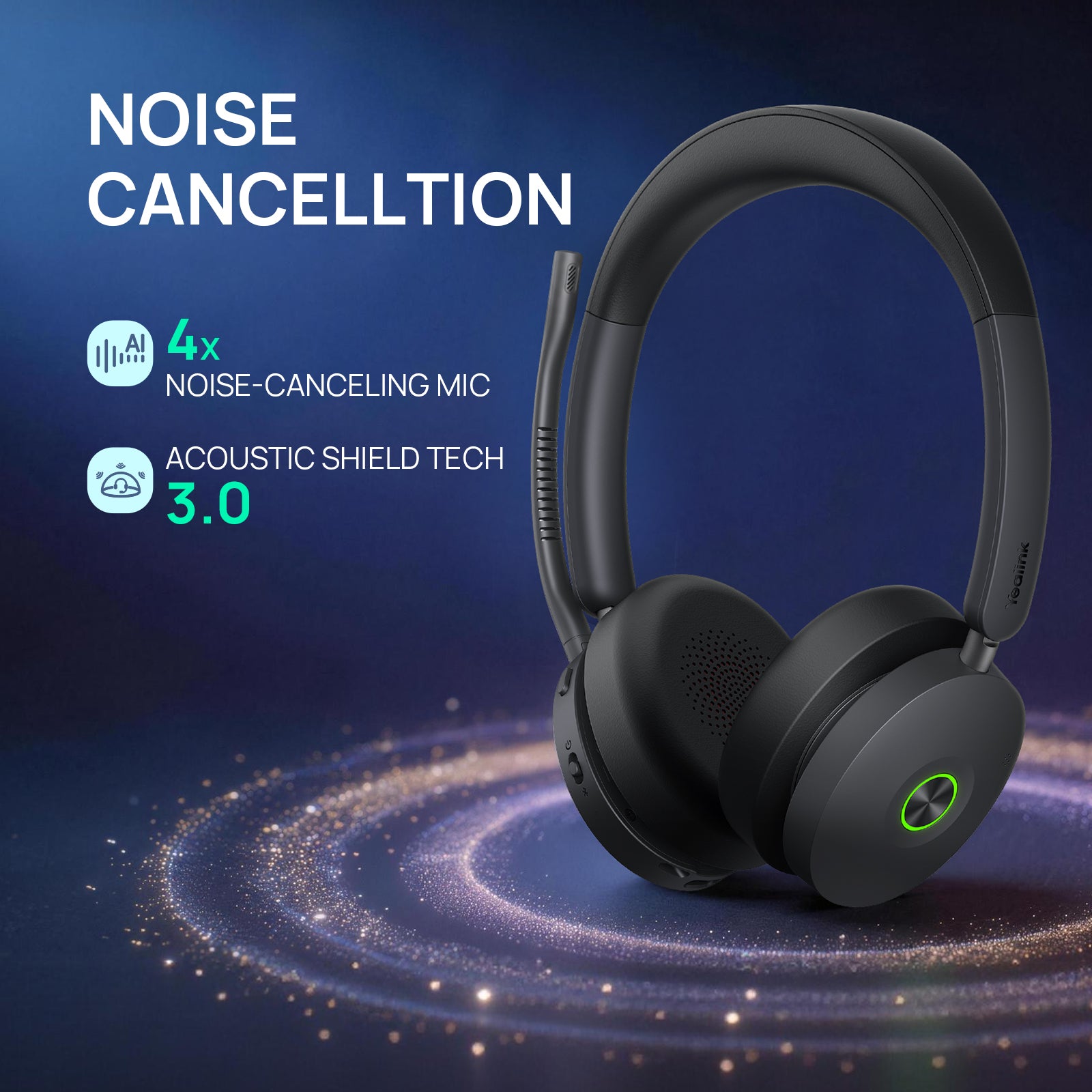
Q: Which wireless office headset has the best noise canceling microphone?
A: Most business-grade headsets with noise canceling microphones perform similarly, with some exceptions.
While manufacturers may claim to have the “best” noise canceling microphone, in real-world use, many models offer comparable performance.
It’s also important to understand that noise canceling microphones are designed to reduce background noise, not eliminate it completely.
If you're unsure how your microphone actually sounds in your environment, testing it can give you a clearer picture.
You can use our microphone test tool to hear exactly what your callers hear.
In environments with constant or unpredictable noise, software-based solutions like neep noise canceling software can also help further reduce background distractions and improve call clarity. To learn more about neep, or to request your free trial, go to neep.com
Q: I use a computer softphone with a wireless headset. Why can’t I answer or end calls away from my computer?
A: This depends on software integration.
Because softphones are software-based, the ability to answer and end calls remotely depends on whether the headset and the platform support that feature together.
Not all headsets and softphones are fully integrated, so this functionality may not always be available, so it's a good idea to check with your vendor to confirm compatibility.
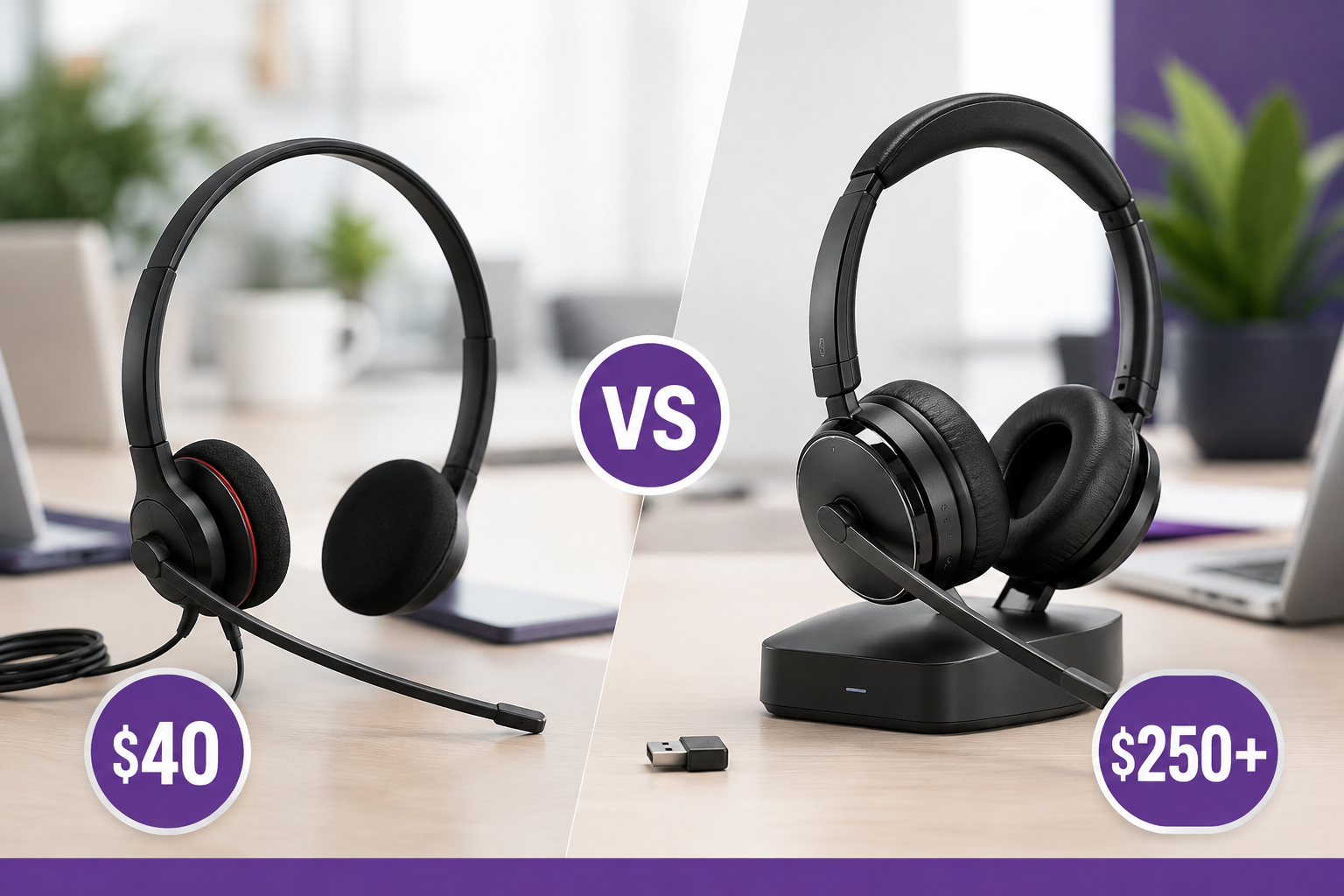
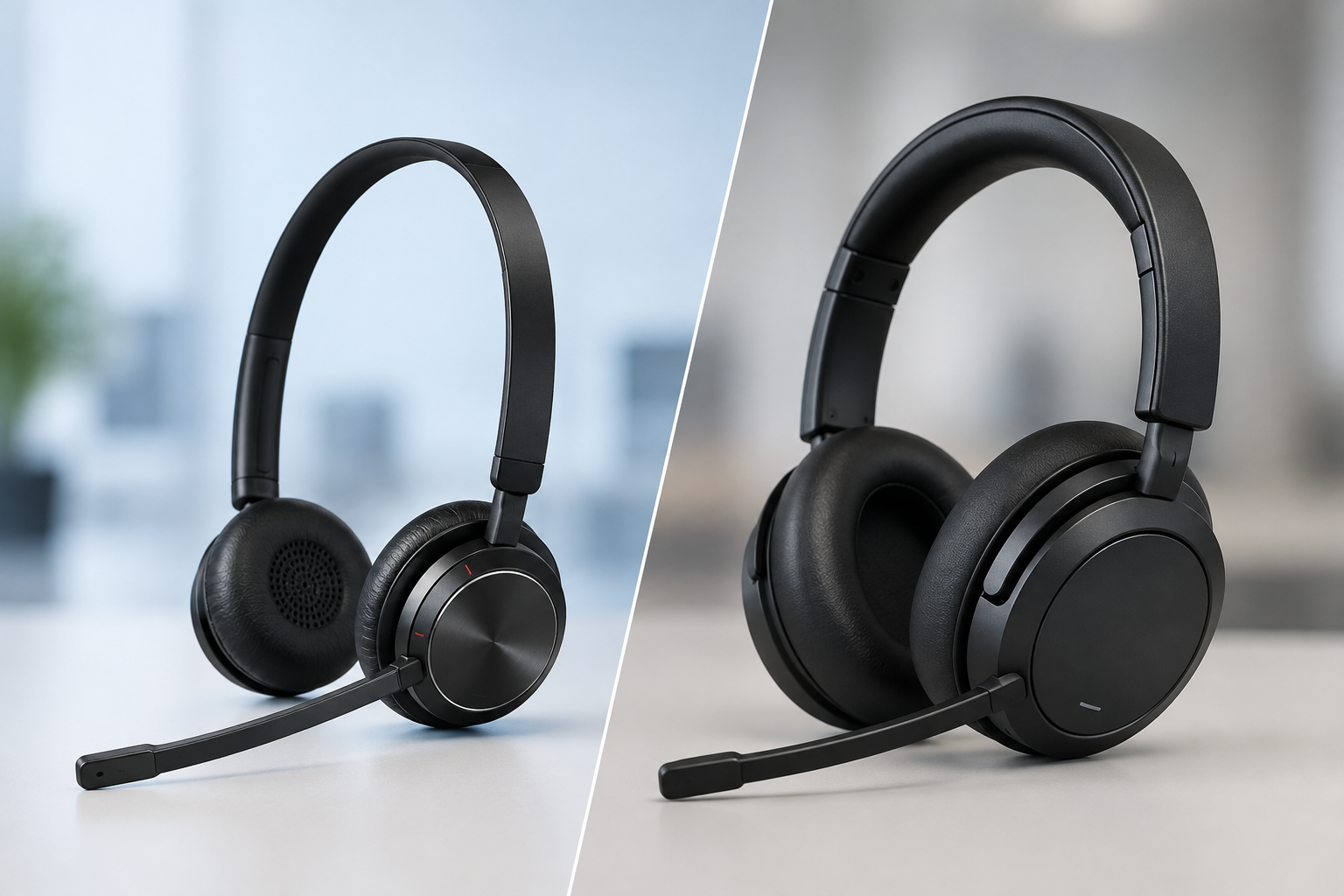
Q: What's the best office headset?
A: The best headset depends on your specific needs, meaning there's no such thing as the "best headset", only the best one for what you need specifically.
If someone recommends a headset as “the best” without understanding your environment, devices, and how you use it, it’s worth being cautious.
The right headset will depend on several factors like:
- Your work environment - home office, contact center, busy office, remote work
- The devices you’re using
- How often you're on calls and how long they go
- Whether you need mobility in the office, mobility in and out of the office, or a headset only when you're at your desk.
If you're evaluating headset options, it may help to review how to choose the right headset for work.
Need Some Help?

If you have questions or want help finding the right headset for your needs, you don’t have to figure it out on your own.
Headset Advisor has been helping businesses improve their communication for over 30 years. With more than 800 five-star Google reviews, our team has built a reputation for providing honest recommendations, real-world expertise, and dependable support.
Whether you're trying to solve an audio issue, choose the right headset, or equip a team, our Advisors are here to help you find a solution that fits your environment, devices, and workflow.
Contact us today for professional guidance and personalized recommendations.