Do you want the best headset?
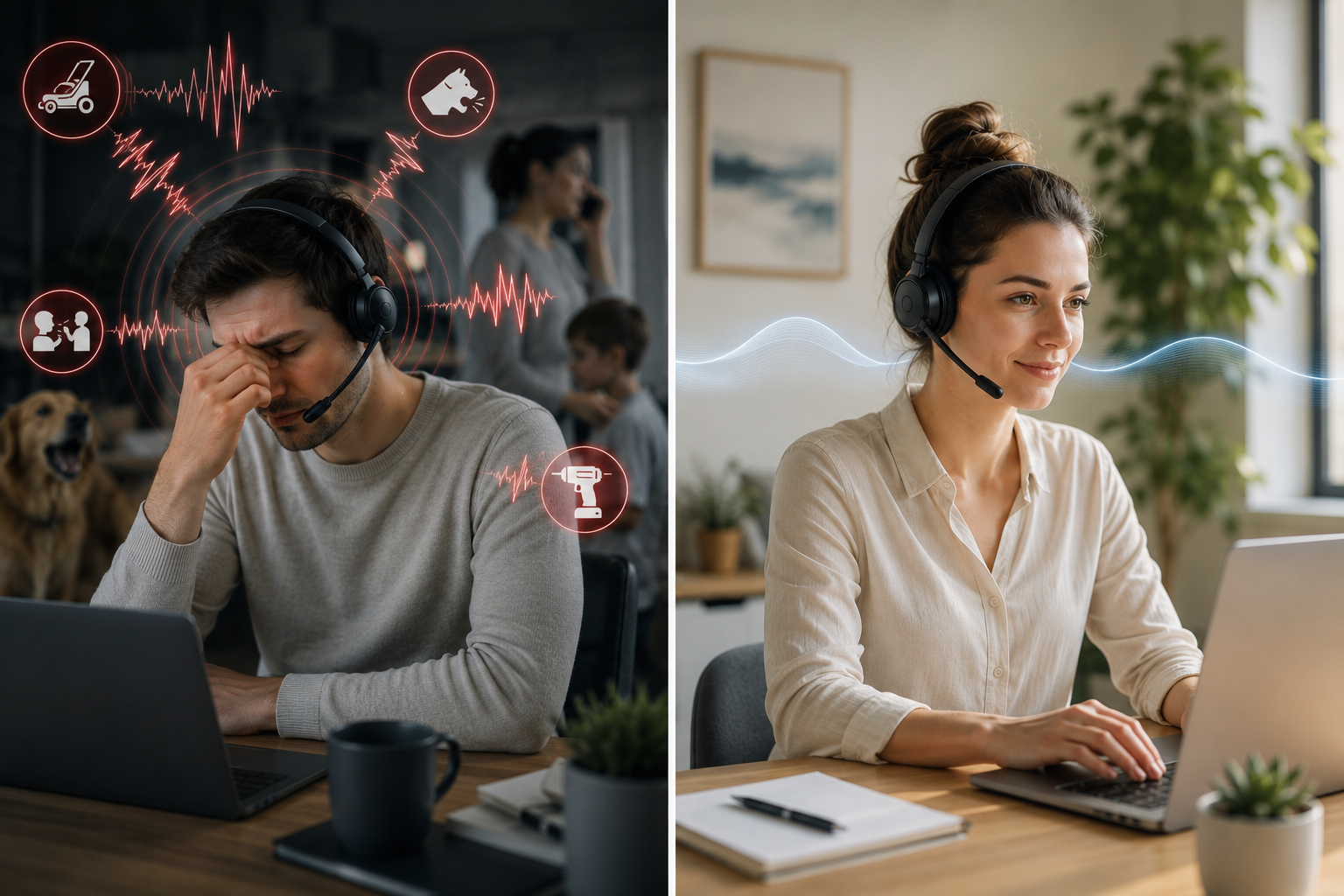
You finish a full day of calls, or get off that marathon long video call, remove your headset, and you feel mentally exhausted even though you barely left your desk all day. So why do you feel so drained?
For many professionals, this has become a normal part of modern work life. Back-to-back meetings, constant notifications, background noise, and hours spent listening through different digital audio sources can quietly wear people down over the course of a day. Drop by drop, your energy can drift away, while your irritability can rise.
Most people simply call it “meeting fatigue” or “Zoom fatigue,” but there may be other things contributing to the problem:
The amount of mental effort required to process digital audio.
As hybrid work, video meetings, and UC communication continue to dominate the workplace, an increasing amount of attention is being given to how audio quality affects concentration, listening effort, productivity and overall mental fatigue.
Why Digital Audio Can Feel Mentally Draining
In face-to-face conversations, our brains process speech naturally. We benefit from facial expressions, body language, tone, and environmental awareness that help conversations feel effortless. This was the main way we communicated before arriving into the digital age.
Digital communication has changed that experience.
Inconsistent microphone quality, background noise, and competing conversations can make speech harder to process. Instead of simply listening, the brain may spend more energy trying to interpret unclear or imperfect audio, and sorting everything out which takes focus and energy, which can be draining.
Research from EPOS refers to this increased listening effort as BrainAdapt™, which focuses on how the brain responds to digital audio and workplace sounds.
To learn more about EPOS, and BrainAdapt™ you may find the video below helpful.
Over time, that additional listening effort may contribute to:
- Reduced concentration
- Mental exhaustion after meetings
- Increased distraction
- Irritability
- Listening fatigue during long calls
- For professionals who spend hours every day in meetings, those effects can gradually build throughout the workday.
Modern Work Environments Are Full of Audio Distractions

Today’s work environments are rarely quiet.
Whether someone works in an office, from home, or while traveling, there’s often constant background noise competing for attention. Coworker conversations, barking dogs, children sounds, lawn equipment, keyboard noise, HVAC systems, and coffee shop noise all force the brain to continually analyze and separate important speech from background sounds.
One of the things that contributes to this problem is employees relying on built-in laptop microphones, low-quality earbuds, or improperly positioned headset microphones that make conversations even harder.
Small interruptions can break concentration too, and once focus is interrupted, it often takes time and energy to regain it. By some estimates, it can take up to twenty minutes to fully regain your focus.
Signs Audio Fatigue May Be Affecting You
Audio fatigue doesn’t always feel obvious in the moment. More often, it gradually builds throughout the day inch by inch.
Some people notice they feel mentally drained after long meetings. Others find themselves becoming increasingly distracted, irritated, or exhausted after spending hours on calls.
In some cases, people may:
- Frequently ask others to repeat themselves
- Struggle to stay engaged during meetings
- Feel mentally exhausted by the end of the day
- Need quiet time after long periods on calls
While not every case of workplace fatigue is caused by audio quality alone, poor communication environments can absolutely contribute to increased mental strain.
Why Cleaner Audio Helps Reduce Listening Effort

One of the easiest ways to reduce listening fatigue is by improving the quality of the sound entering and leaving conversations.
When speech sounds clear and natural, the brain generally spends less effort trying to fill in missing details or filter out the distractions. This requires less effort which can help you to feel better even after a long call.
That’s one reason businesses are placing greater importance on:
- Better microphones
- Improved noise cancellation
- Cleaner voice pickup
- Noise sources
- More comfortable headset designs
Small improvements in audio quality can make conversations feel less mentally draining over time.
How AI Noise Canceling Software Can Help

If background noise contributes to listening fatigue, then reducing that noise before it reaches your ears can help create a less mentally exhausting experience.
That’s where AI-powered noise canceling software like neep can help.
Rather than simply lowering volume levels, neep actively identifies and suppresses distracting non-human noises such as barking dogs, lawn equipment, keyboard noise, office sounds, and typical household distractions.
neep also learns your voice, enhances it, and then works to isolate it from other voices, and background noise. This gives your callers a clear audio experience.
One unique advantage of neep is that it works on both sides of the conversation, helping reduce distracting background noise coming from both you and the people you’re speaking with.
For professionals spending much of their day on calls, reducing unnecessary audio clutter can make a meaningful difference in concentration and listening comfort.
The Role Headsets Play in Reducing Mental Fatigue

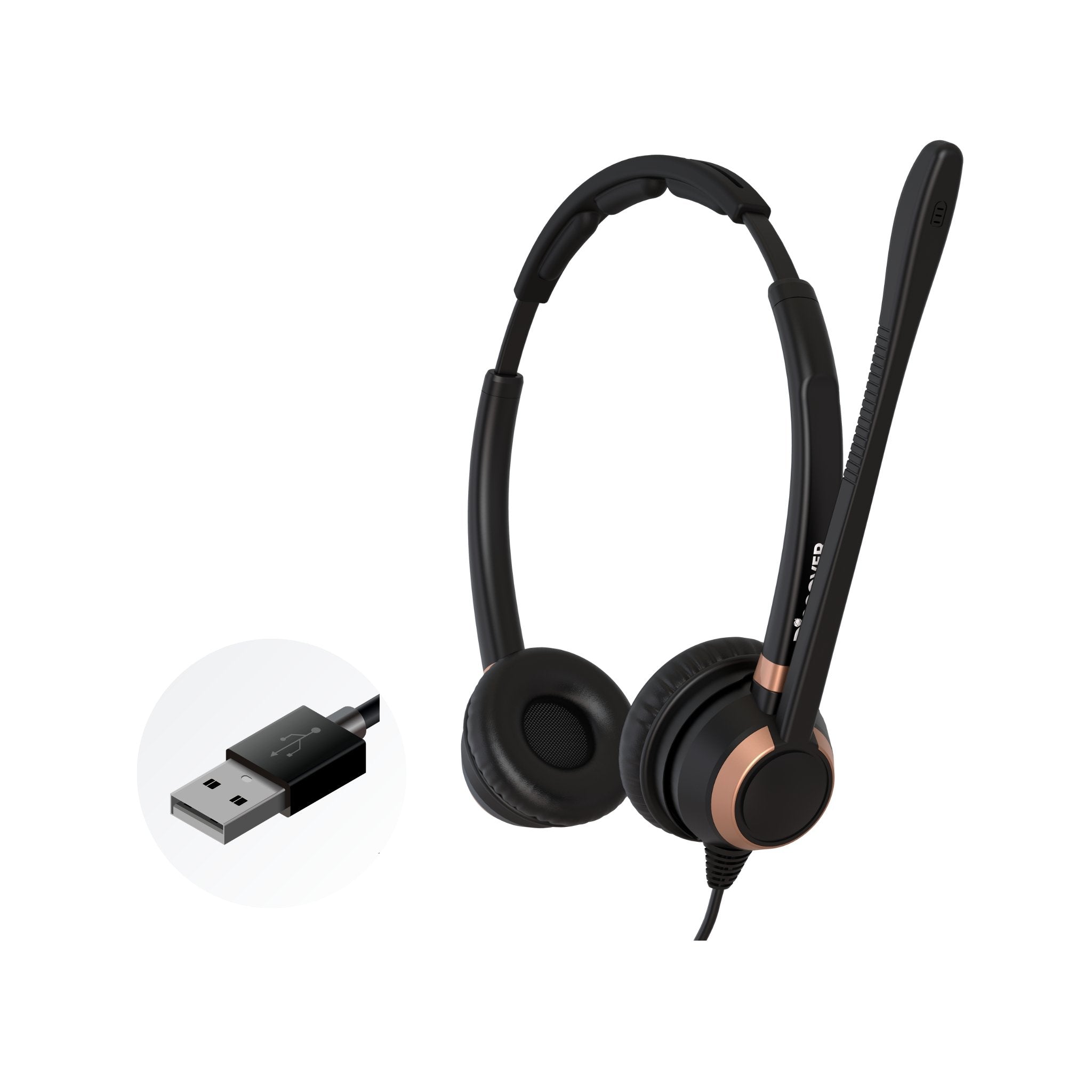
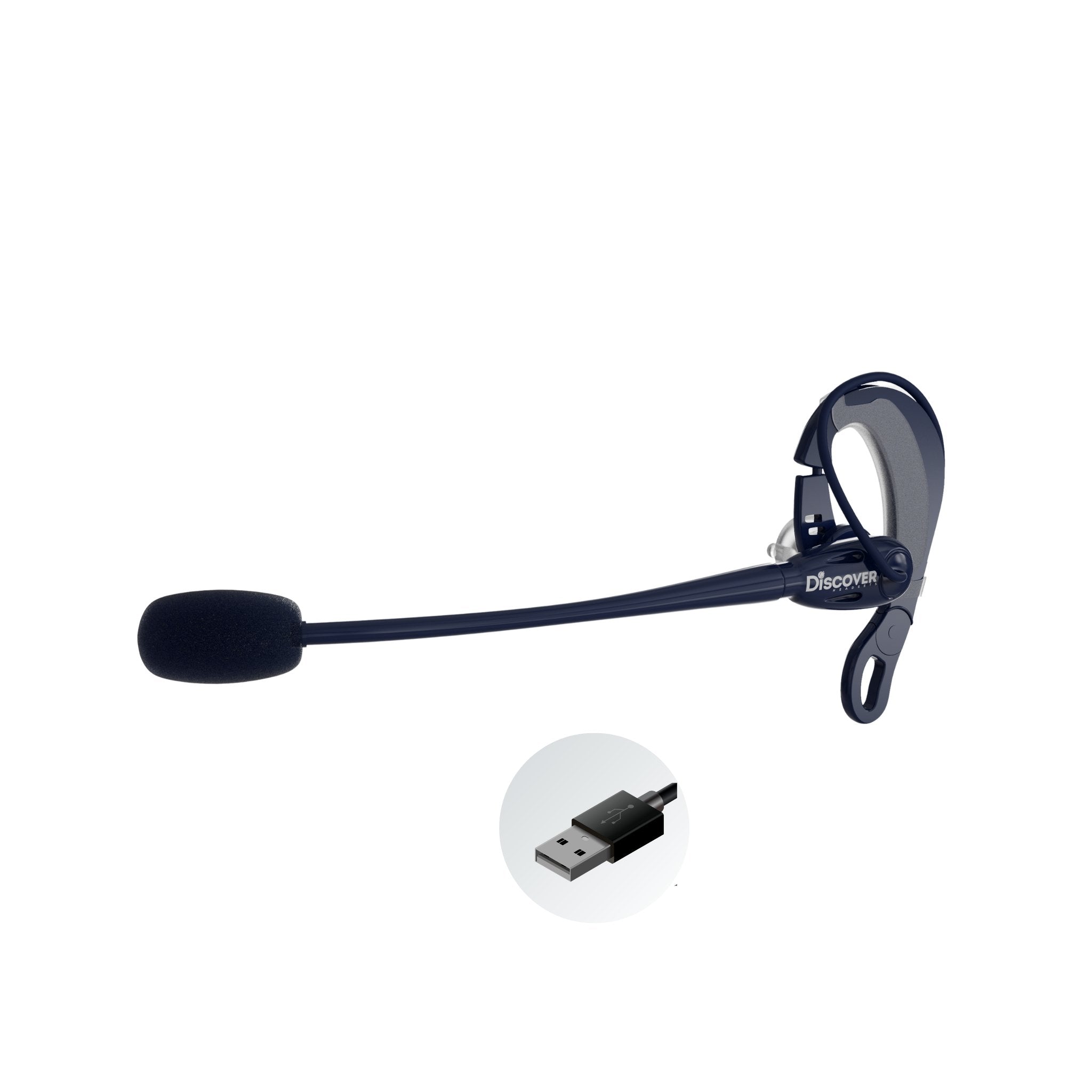
Not all headsets are designed the same, and headset quality can absolutely influence the overall communication experience.
Some models pay close attention to comfort for long workdays, while others focus heavily on microphone clarity, active noise cancellation, or hybrid work flexibility.
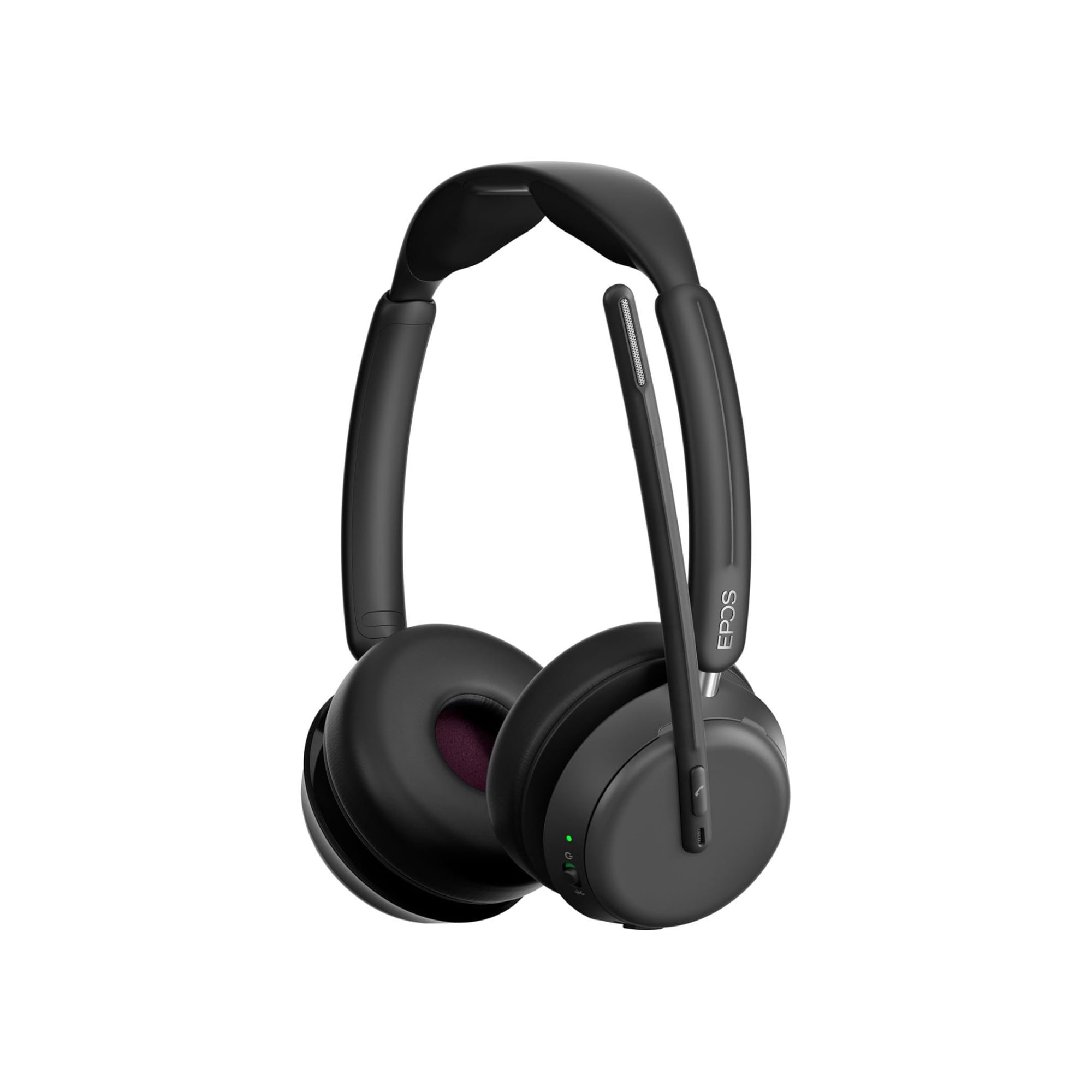
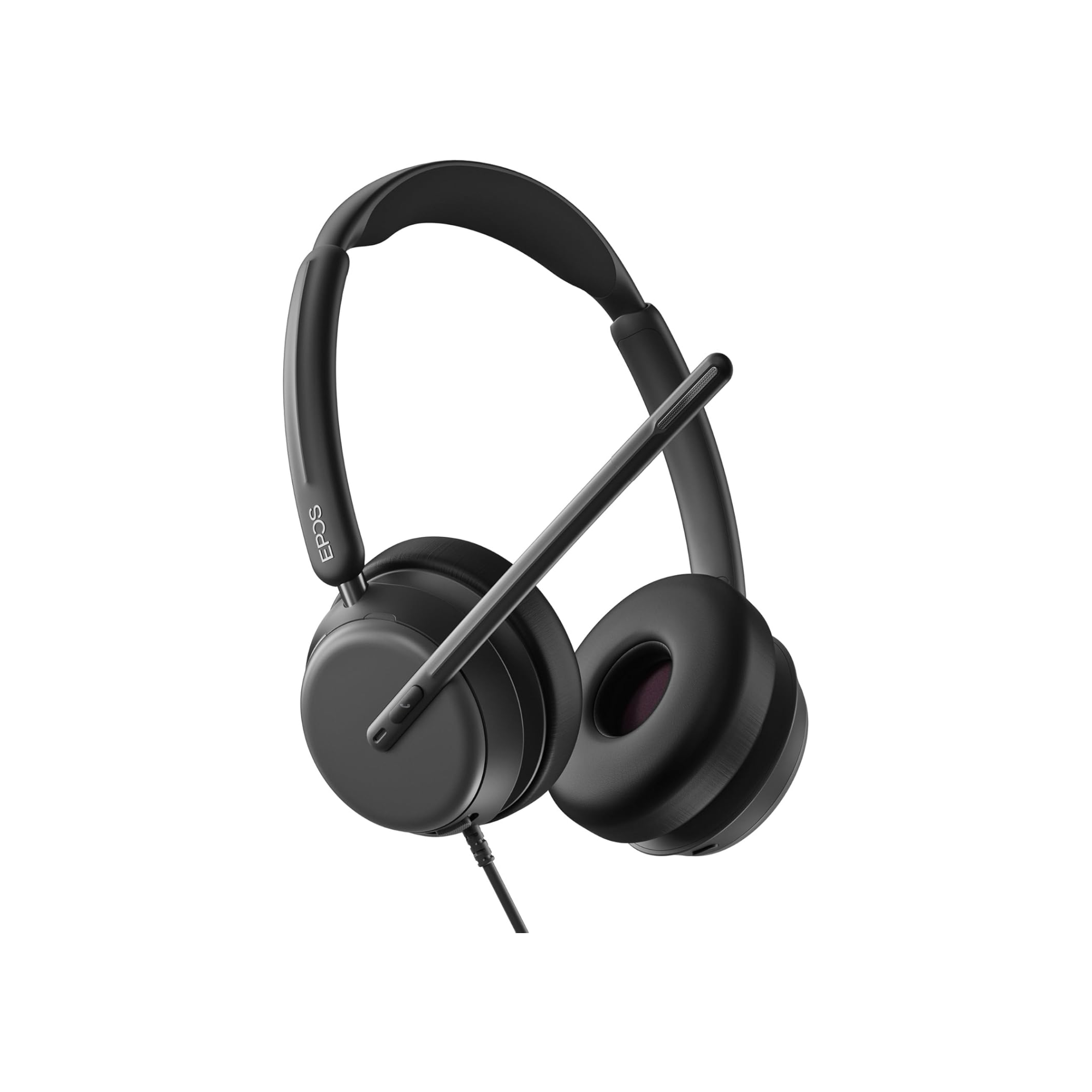
For example, the EPOS IMPACT 1000 is widely recognized for exceptional audio quality and strong noise reduction, helping conversations sound more natural which can lessen fatigue during long meetings.
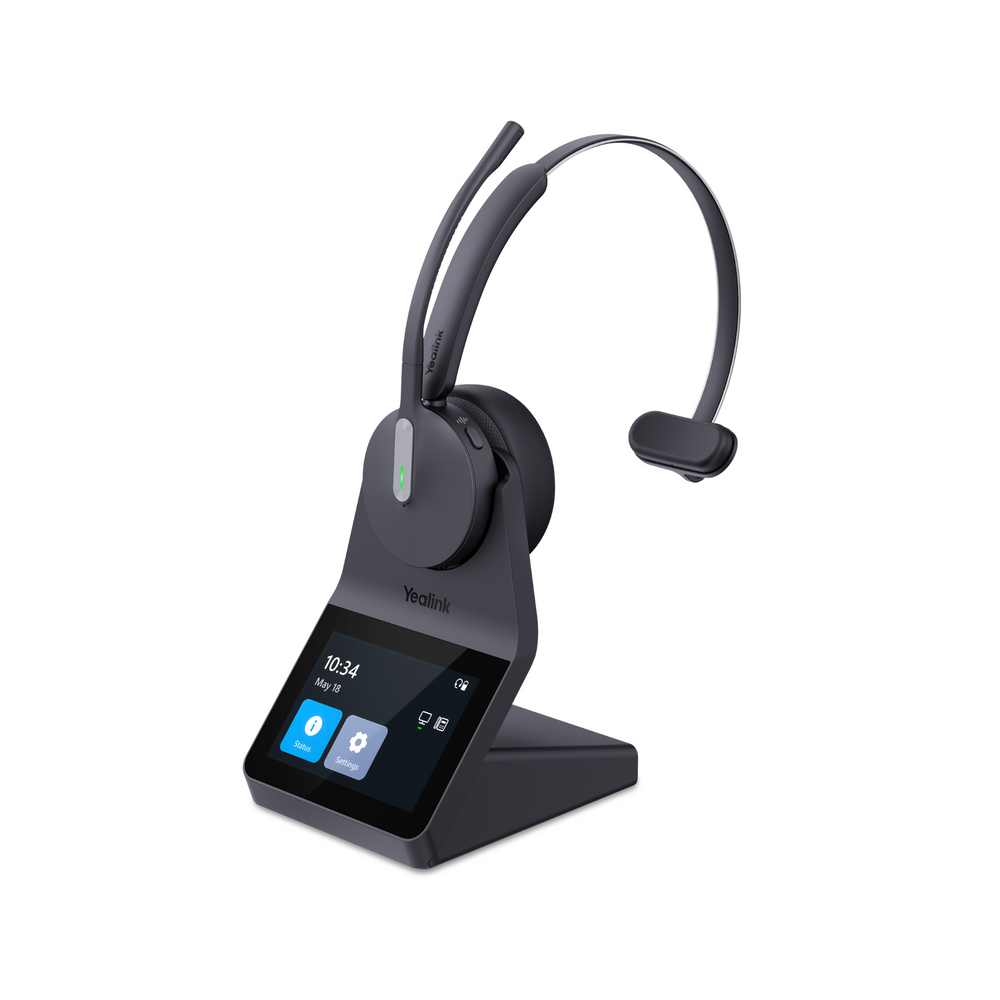
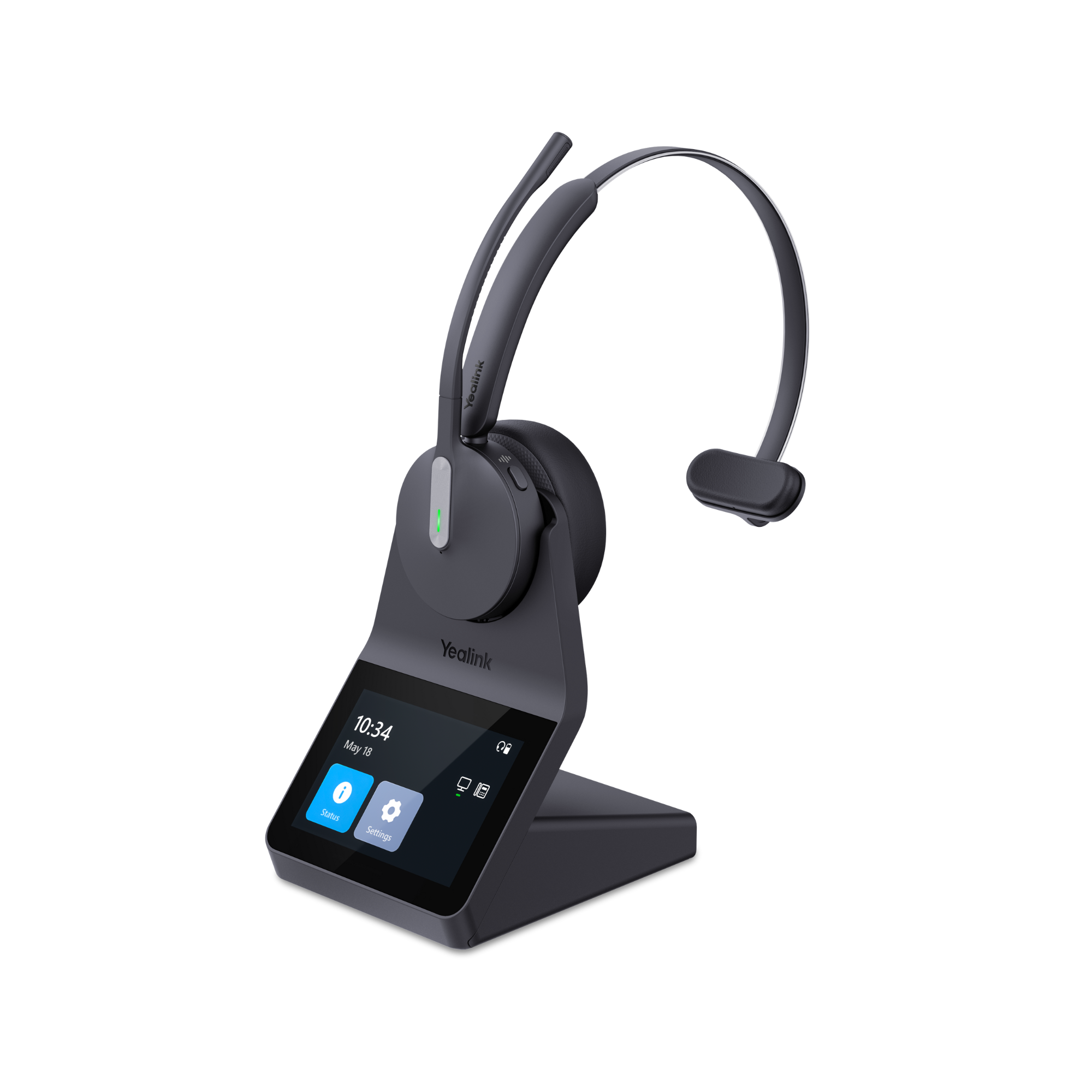
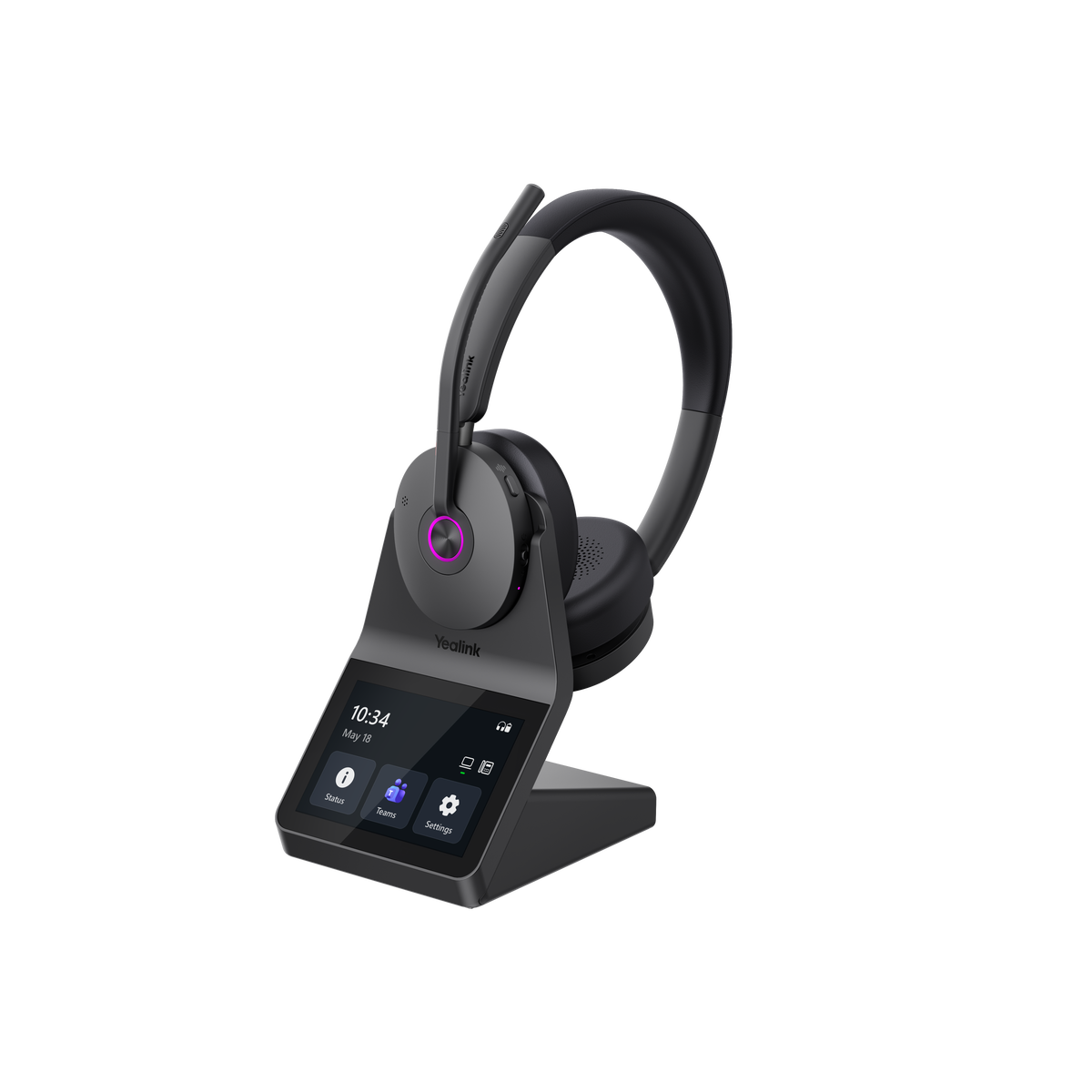
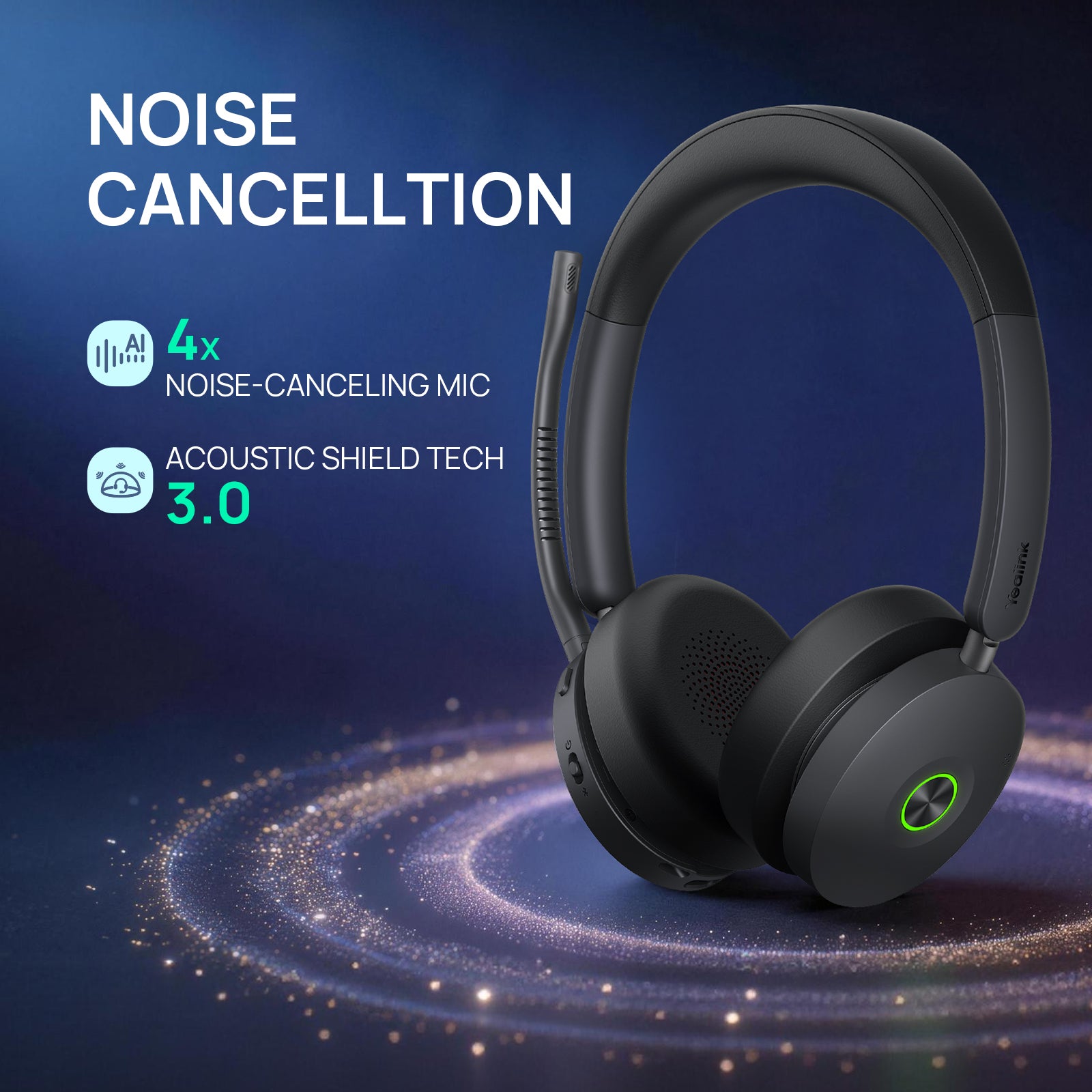
The Yealink HA64 Pro also combines professional-grade microphone technology with strong comfort and noise reduction features designed for extended use throughout the day.
When employees spend hundreds or even thousands of hours per year on calls, factors like audio quality, headset comfort, and background noise reduction become increasingly important.
Hear How You Actually Sound

Many people assume they sound clear on calls simply because they can hear others well. But unless you really know, you can’t be certain.
Your callers may be hearing background noise, bad speech, volume that’s too high or low, or poor microphone positioning without the speaker realizing it.
One of the easiest ways to improve communication quality is by using a microphone test tool to hear how you actually sound to others.
Sometimes even small adjustments such as repositioning a microphone, or reducing background noise can create noticeable improvements in call quality.
Simple Ways to Reduce Audio Fatigue
There’s no single solution for reducing workplace fatigue, but improving your communication environment can help.
Some practical ways to reduce listening strain include:
- Using a high-quality headset designed for long calls
- Reducing background noise whenever possible
- Relocate to a quiet place when you have an important, or long call scheduled
- Taking short breaks between meetings
- Positioning your microphone correctly - 2 fingers width from the corner of your mouth, and just below your lower lip
- Avoiding excessively loud headset volume
Even small improvements like these can add up significantly over the course of a workday.
Why Businesses Are Paying More Attention to Audio Wellness

For years, most headset discussions focused almost mostly on price, compatibility, and for some, wireless range.
Today, many businesses are beginning to look beyond those basics.
Communication quality, employee comfort, concentration, and mental fatigue are becoming increasingly important considerations in hybrid and office work environments where employees spend large portions of the day on calls and meetings in a wide variety of environments. Employee productivity factors into this as well, with better audio, and a quieter workspace can lead to better outcomes.
As digital communication continues to dominate the workplace, creating a more comfortable and less mentally demanding audio experience is becoming a growing priority.
Final Thoughts
Mental fatigue during the workday isn’t always caused solely by workload. As you can see, there are other factors that contribute to this.
Sometimes the constant effort required to process unclear audio, filter background noise, and stay focused during conversations can quietly contribute to exhaustion.
Improving audio quality won’t eliminate the mental stress in every workplace, but cleaner sound, reduced distractions, better microphones, and more comfortable communication tools can help create a noticeably better experience throughout the day.
And in many cases, small improvements can make a surprisingly meaningful difference.
Have Questions Or Need Some Help?

Choosing the right headset and improving workplace communication can feel overwhelming with so many available options these days. It’s easy to get confused.
With over 30 years of experience helping businesses improve communication quality, and over 800 five-star Google reviews, Headset Advisor is here to help you find the right solution for your environment, employees, and budget.
Contact us today, and let one of our knowledgeable Advisors provide you with a tailored solution that’s perfect for your exact situation.