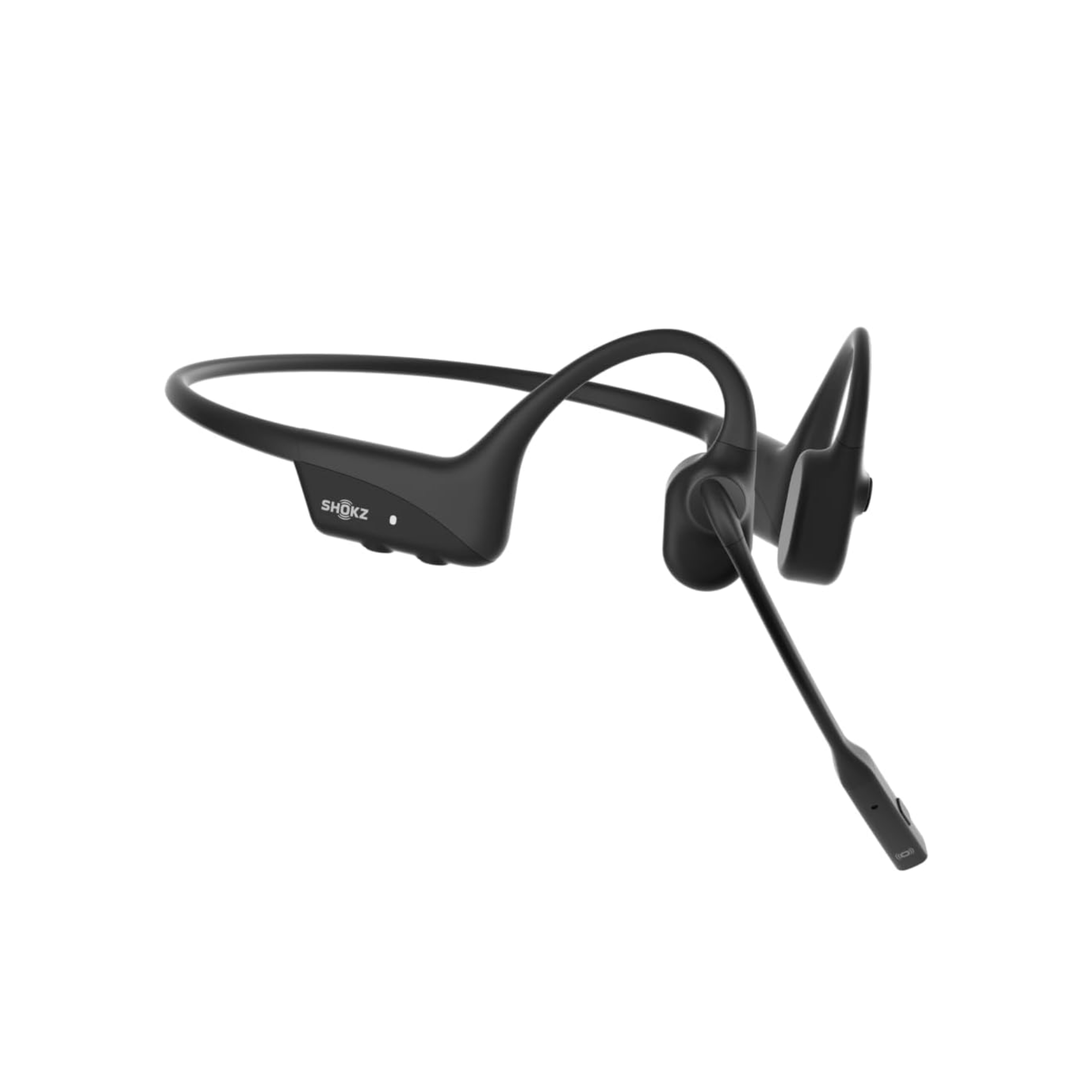
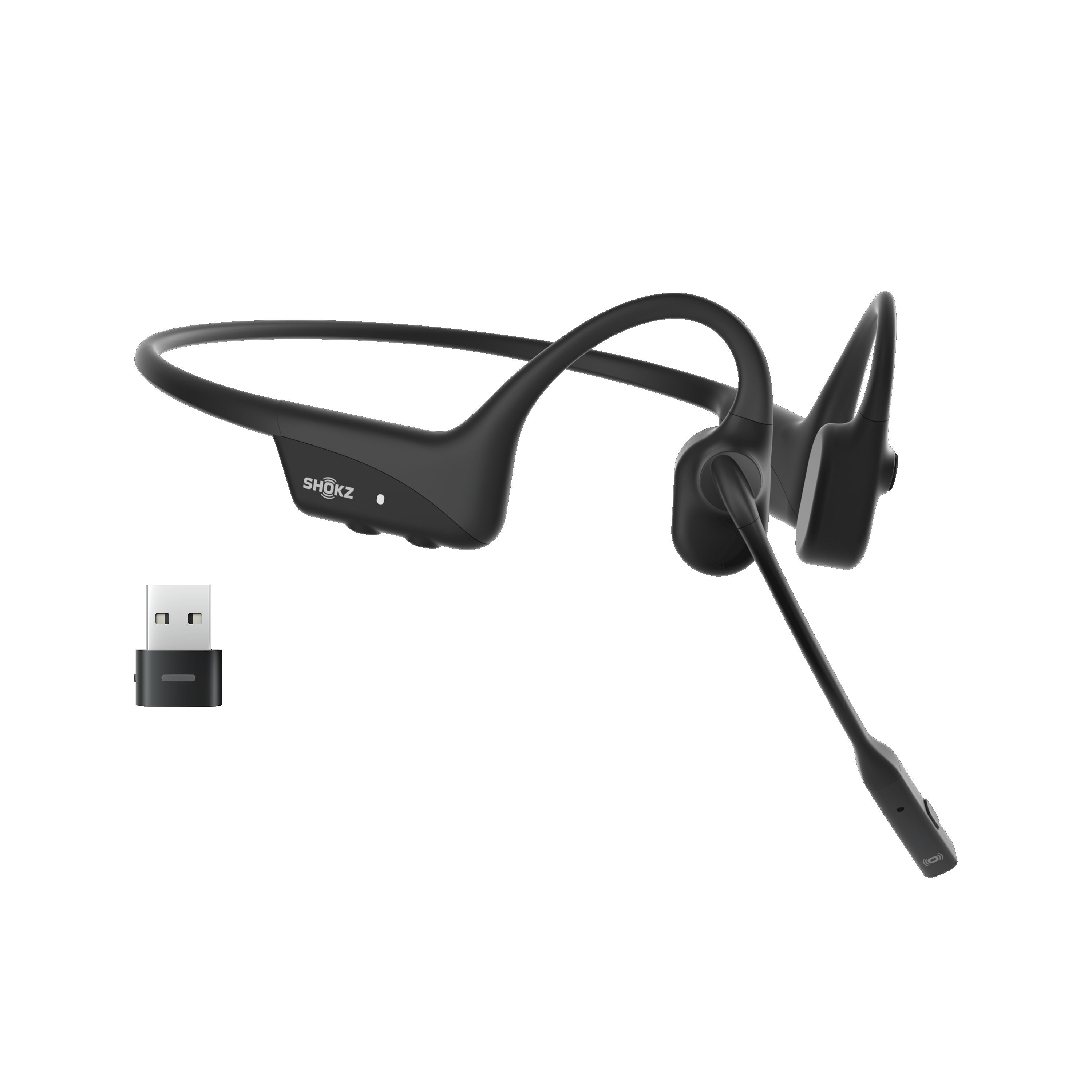
Do you want the best headset?
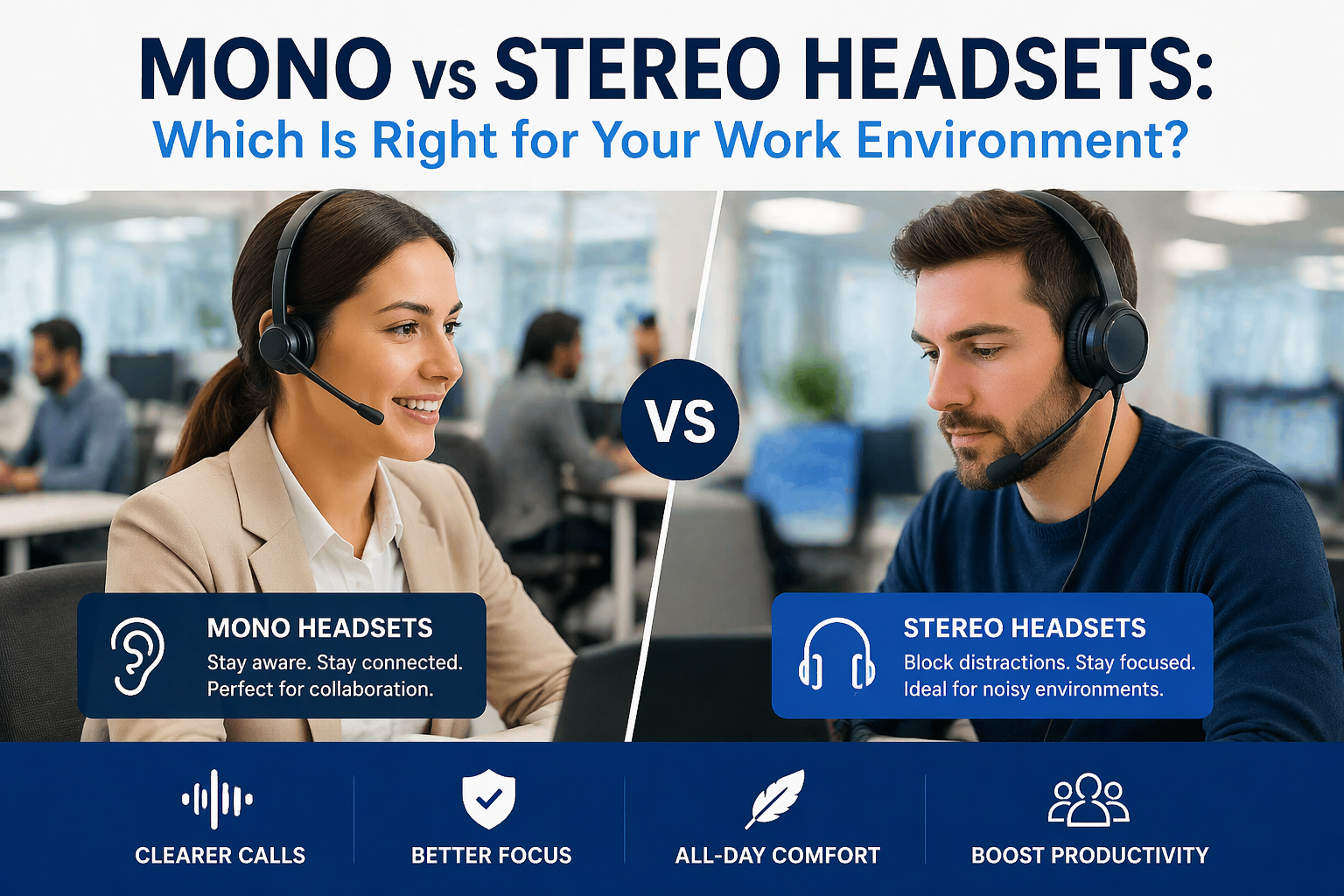
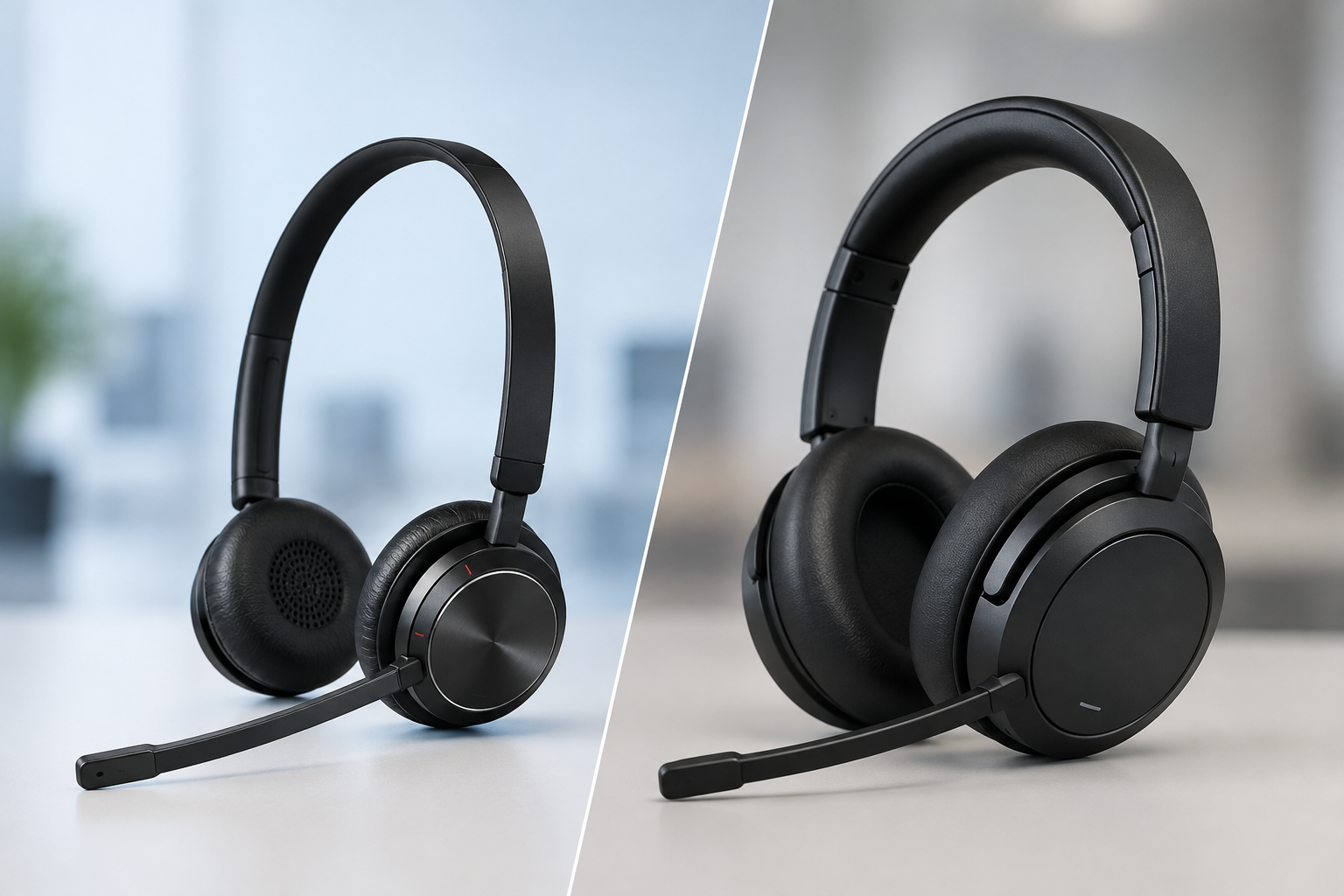
When choosing a headset for your office, call center, or remote work setup, one of the most common questions is whether to go with a mono (single ear) or stereo (dual ear) headset.
At first glance, the difference may seem simple. After all, it’s just a matter of one ear versus two, right?. But the impact on productivity, comfort, and communication can be more significant than you think, depending on your work environment.
In this blog, I’ll break down the differences between mono and stereo headsets to help you choose the right option so you don’t find yourself with the wrong headset.
What Is a Mono Headset?

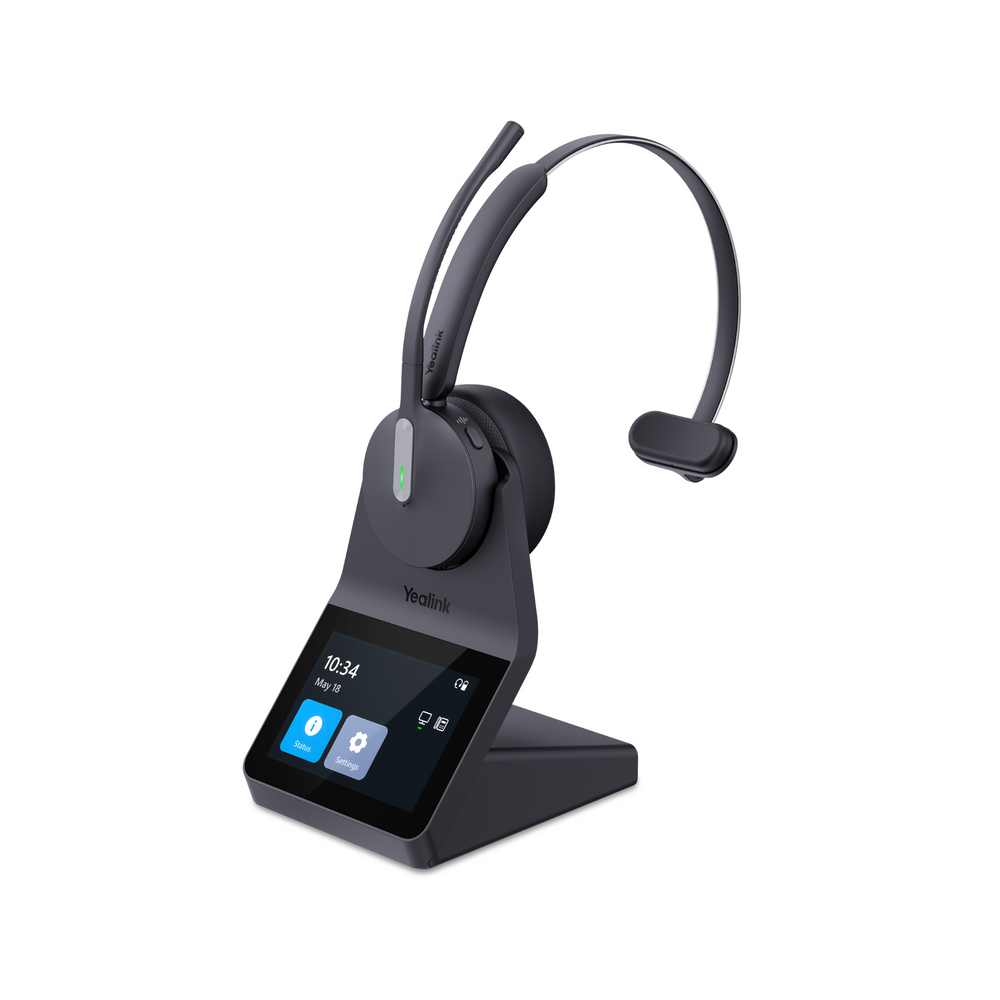
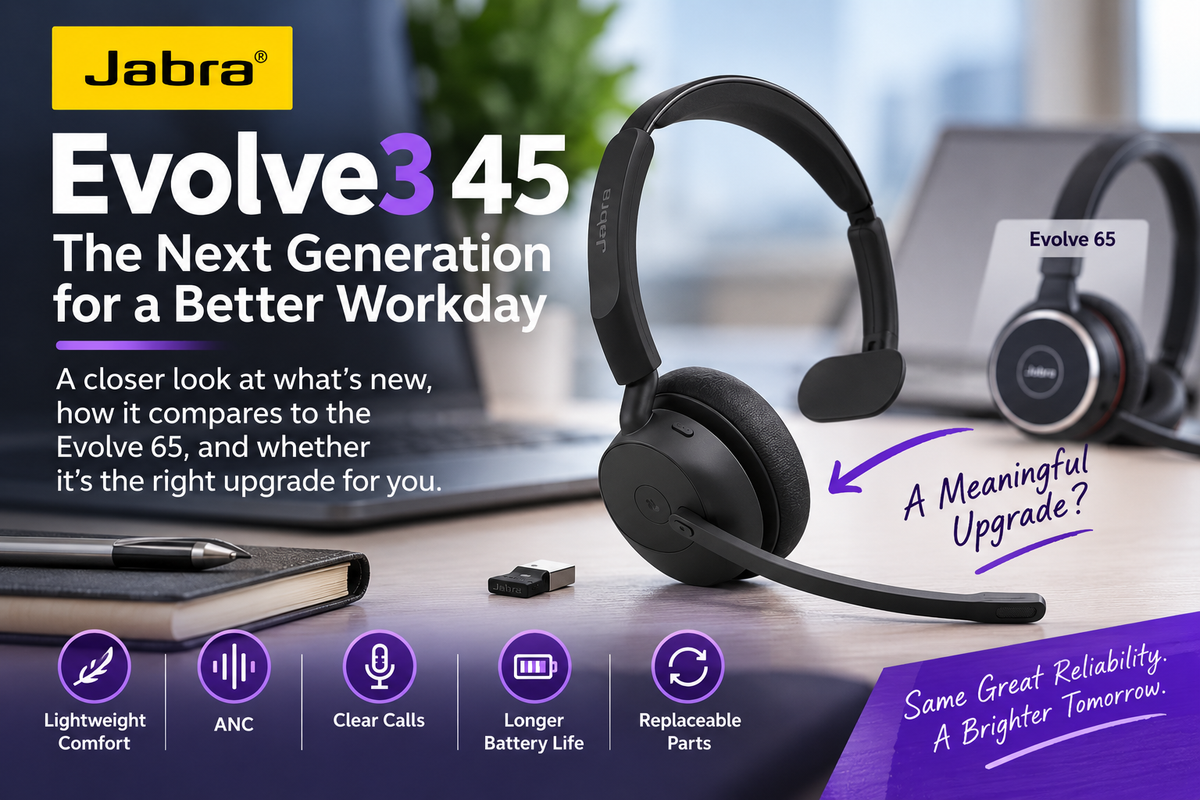
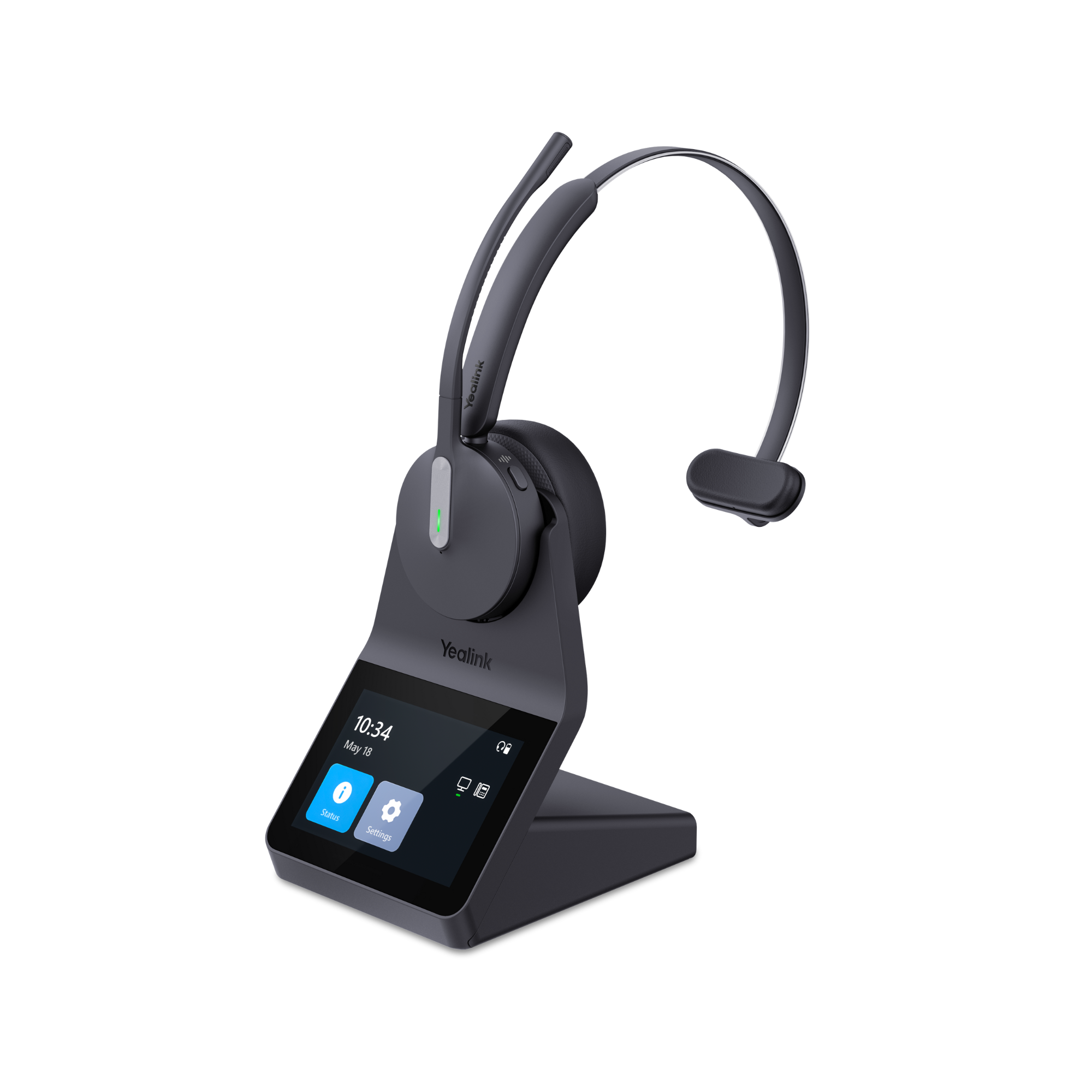
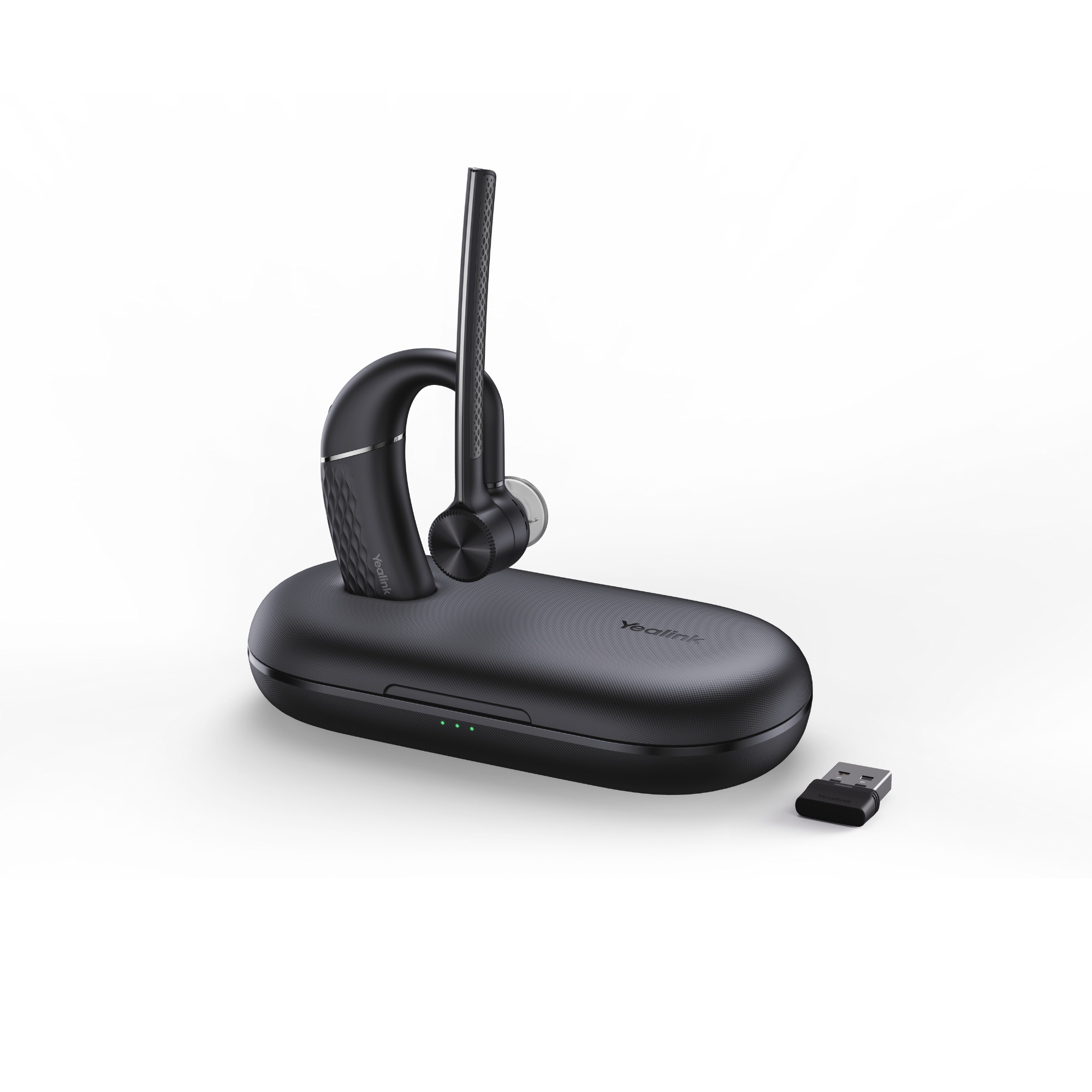
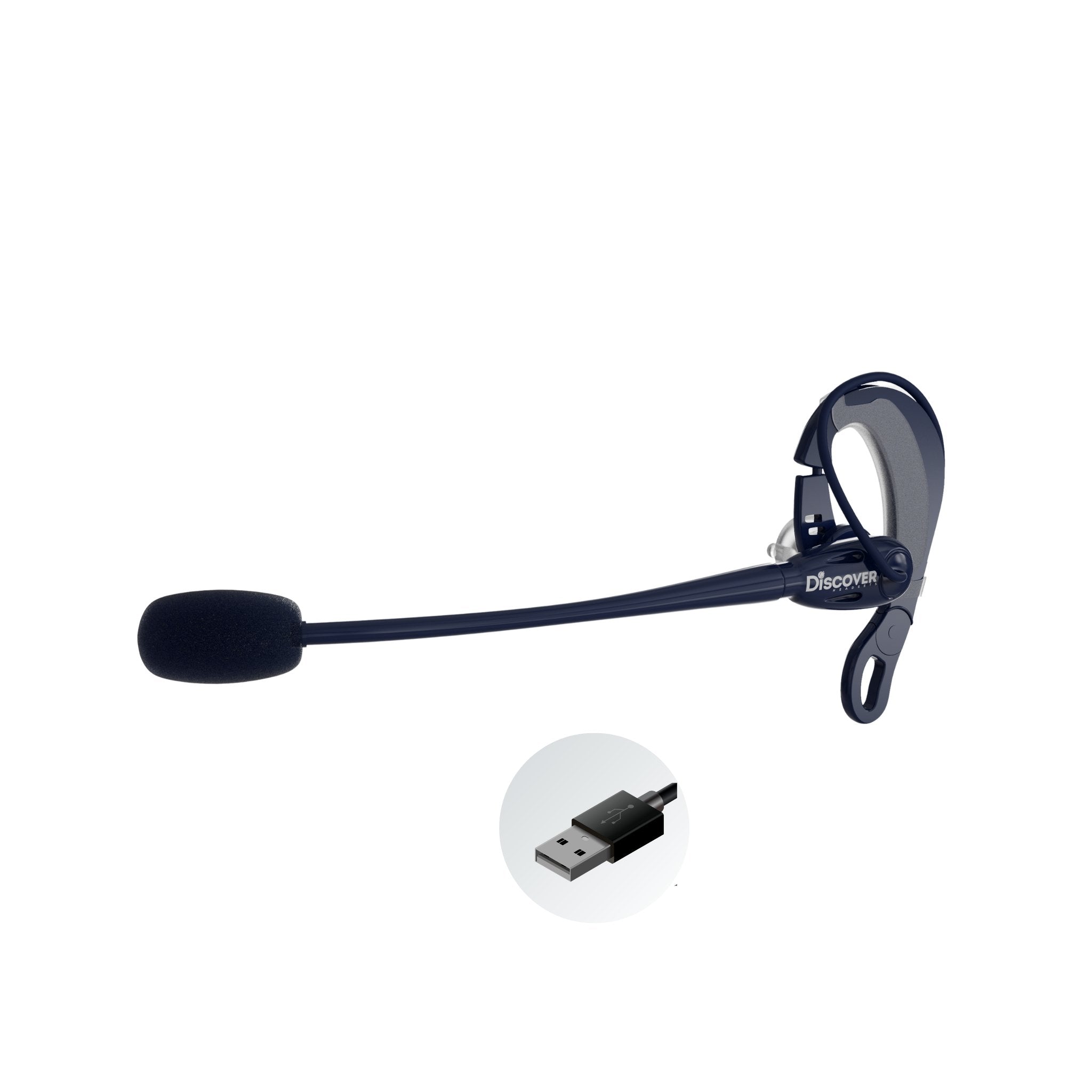
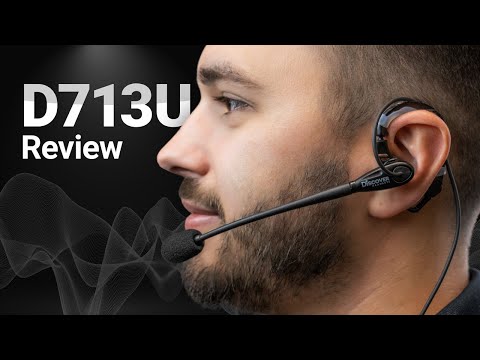
A mono headset features a single speaker that covers one ear, leaving the other ear open to hear your surroundings.
This design is commonly used in office environments where communication with coworkers is frequent, or for those who don’t like the feeling of having both ears covered. Some find having both ears covered too isolating.
Benefits of mono headsets:
- Easier to hear conversations around you
- Better for collaborative work environments
- Lighter weight and often more comfortable for some users
- Ideal for roles that require multitasking
Mono headsets are especially popular in traditional office settings where employees need to stay aware of their surroundings while still taking calls, and being accessible.
What Is a Stereo Headset?

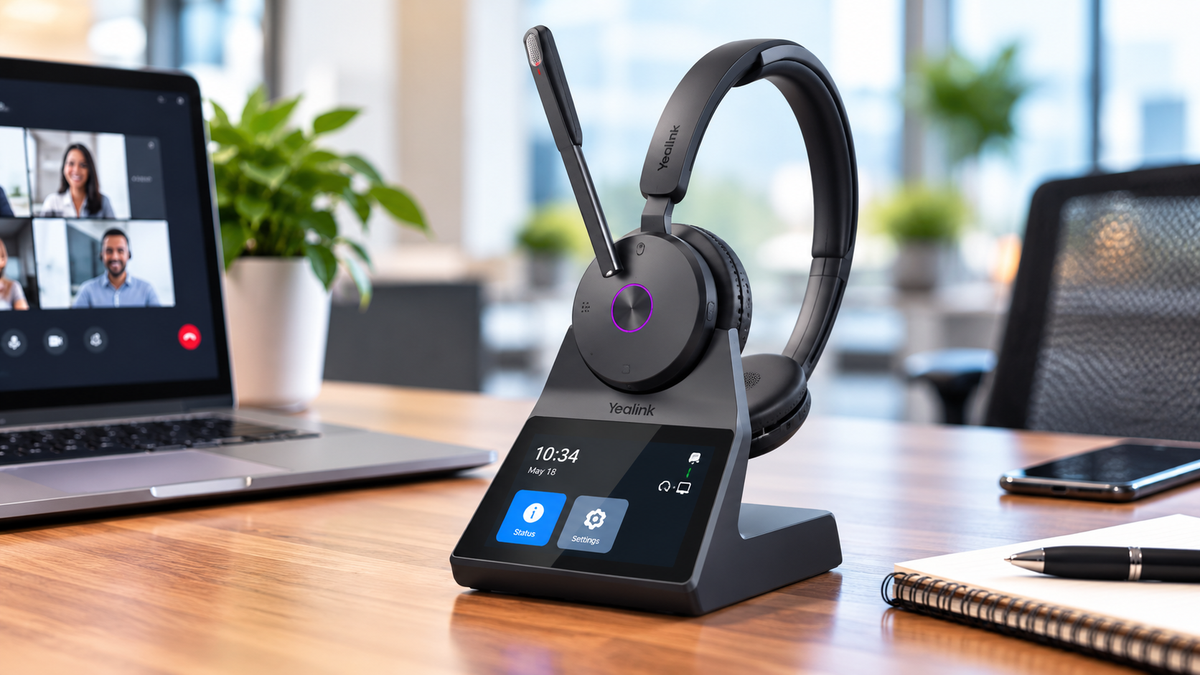
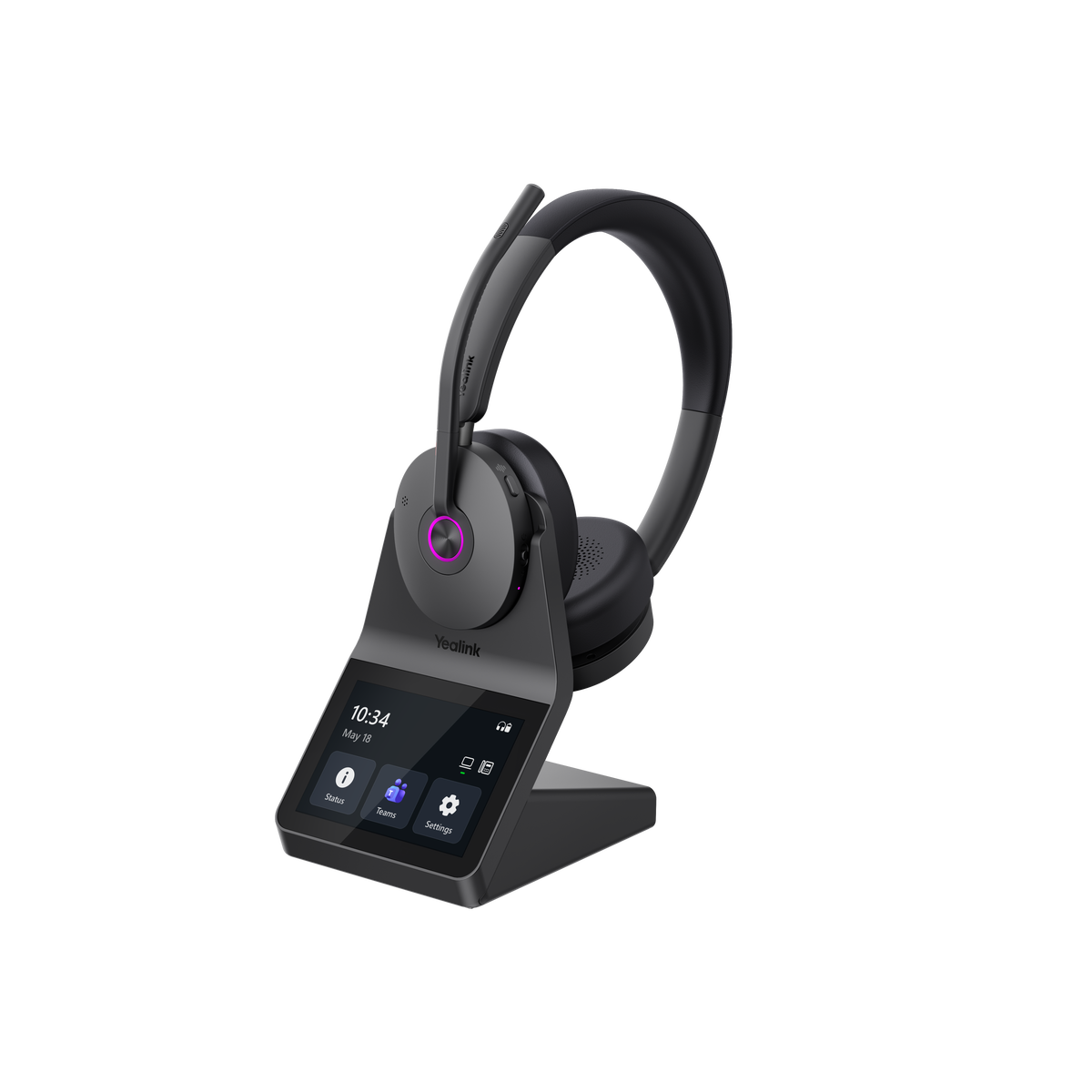
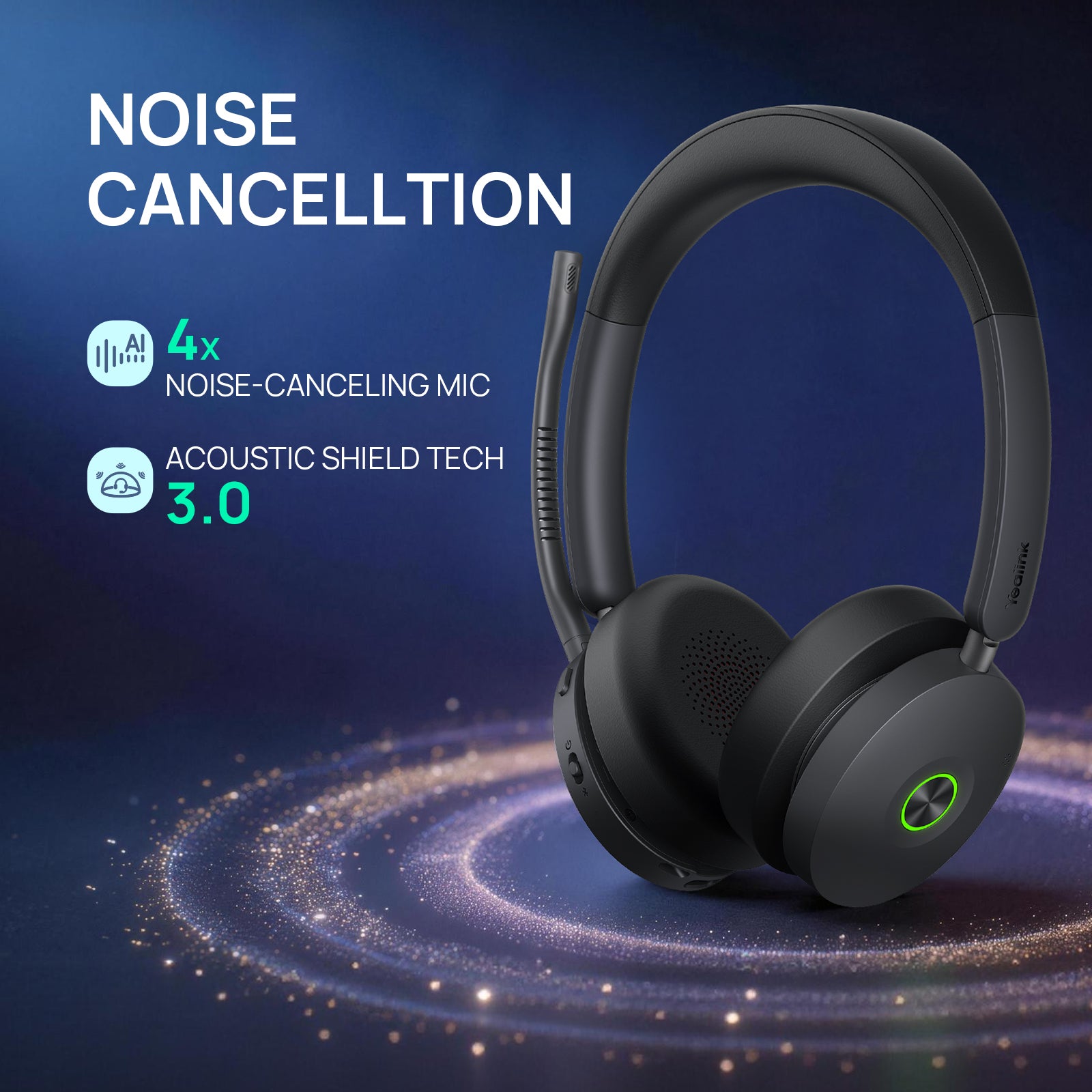
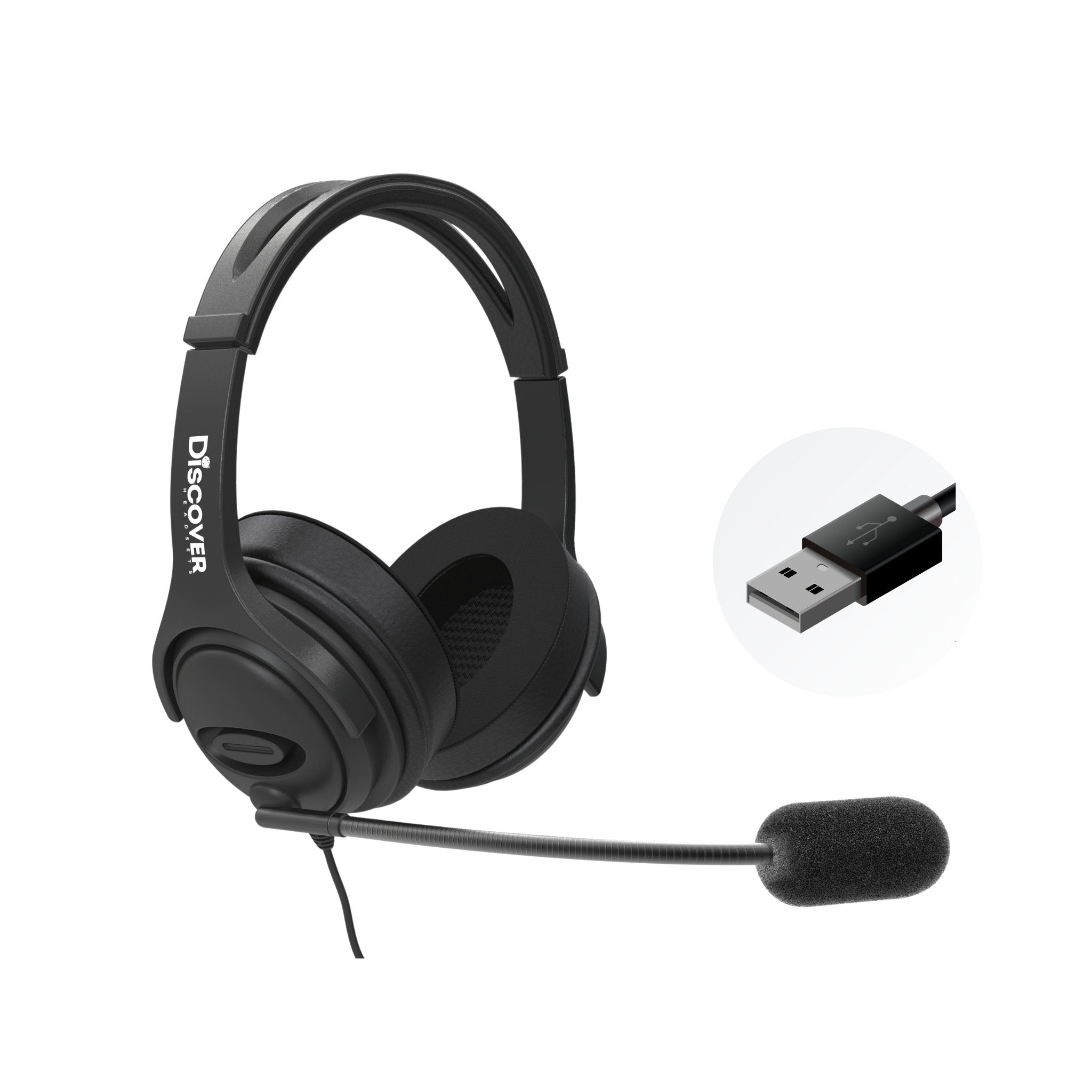
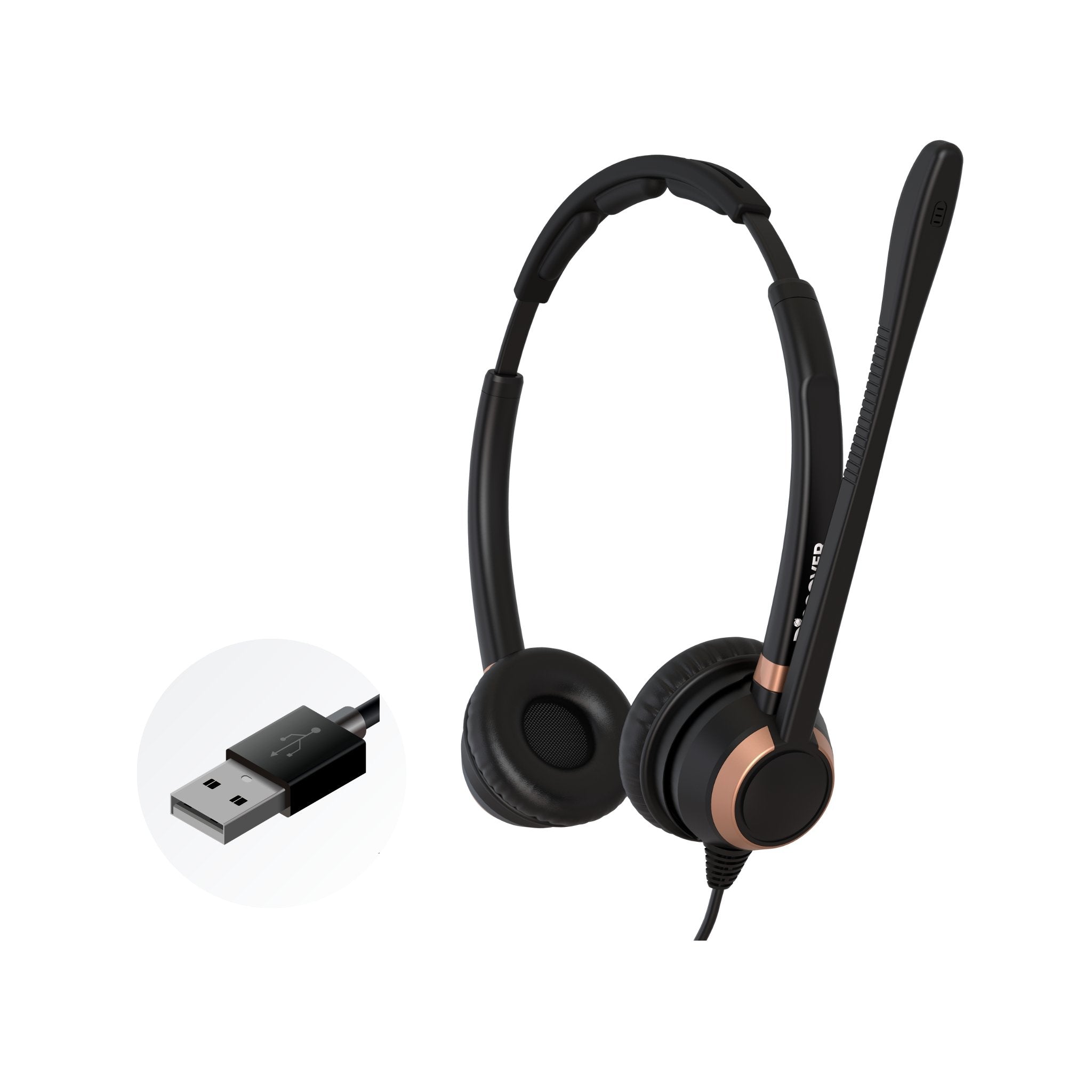
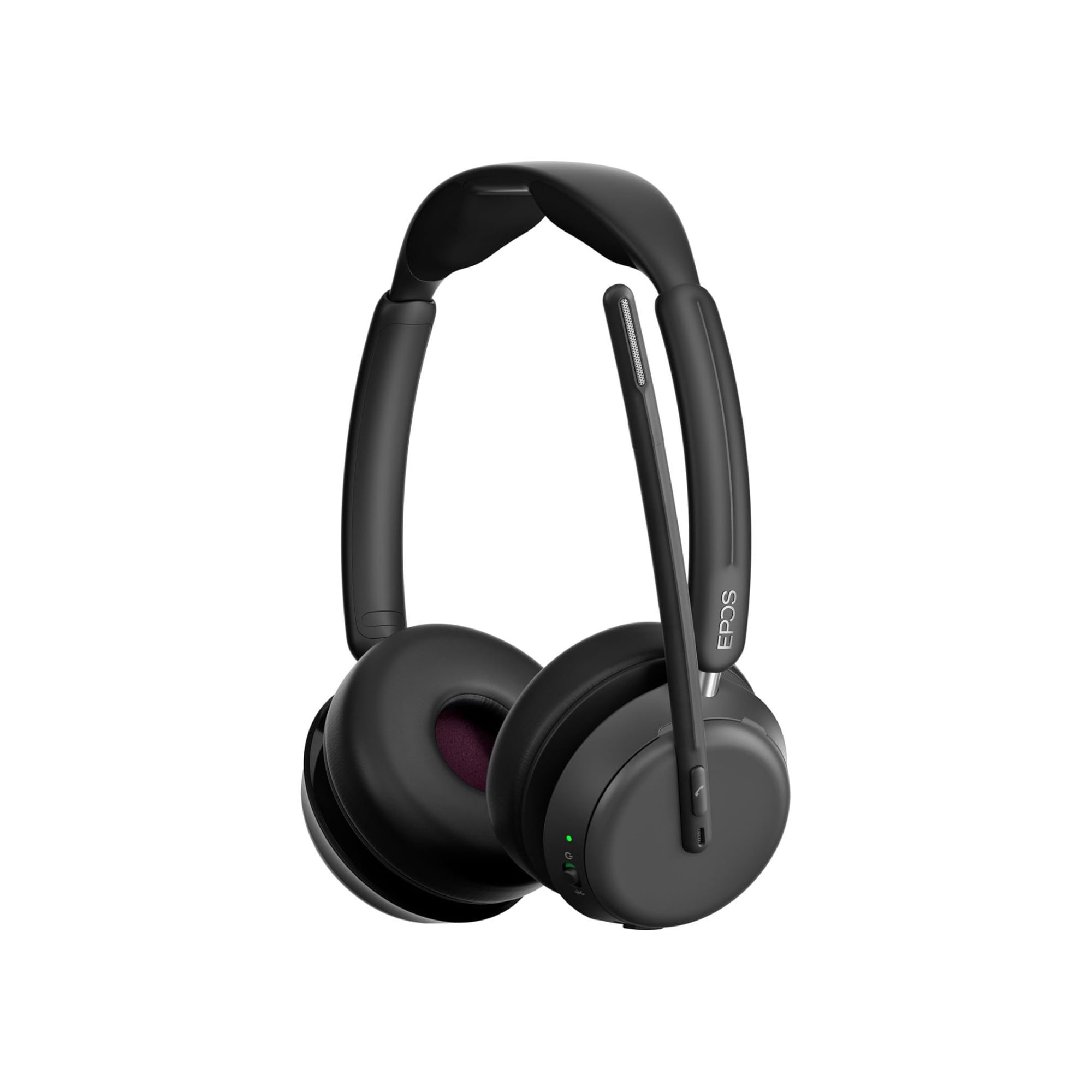
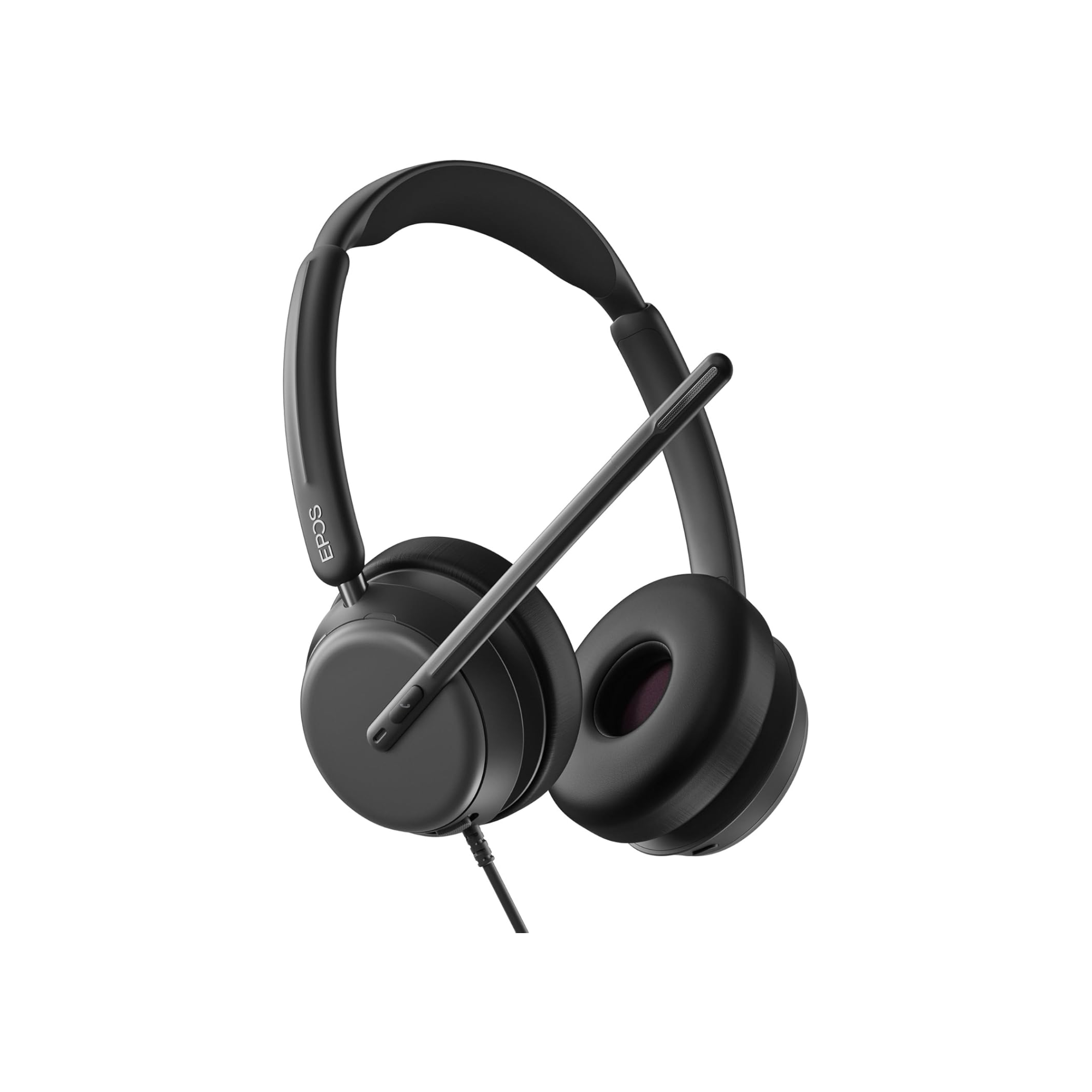
A stereo headset covers both ears, delivering audio to each side and helping to block out surrounding noise for enhanced concentration.
This design is better suited for environments where focus and immersion are important, and far better for those who listen to music during work hours when not on calls.
Benefits of stereo headsets:
- Blocks out background noise more effectively
- Helps improve focus and concentration
- Better for noisy offices or home environments
- Often provides a more immersive audio experience
Stereo headsets are commonly used in call centers, remote work setups, and anywhere distractions need to be minimized.
Some stereo headsets offer a feature called Active Noise Cancellation (ANC), which is an embedded electronic feature designed to suppress background noise for the person wearing the headset. Less noise means less distraction and less distraction means better productivity.
How Your Work Environment Impacts Your Choice
The most important factor when choosing between mono and stereo is your work environment.
Choose Mono if:
- You work in a quiet or moderately busy office
- You frequently interact with coworkers
- You need to stay aware of your surroundings
- You don’t like the isolation feeling of a stereo, double ear headset
Choose Stereo if:
- You work in a noisy environment
- You need to concentrate for long periods
- You want to minimize distractions during calls
- You listen to music when at work
If background noise is a concern, stereo headsets are typically the better option because they provide more passive noise reduction, and therefore, better focus and concentration.
If noise is a major factor in your workspace, our guide on best headsets for noisy offices explores the features and solutions that can help improve call clarity.
Comfort and All-Day Wear

Comfort is another important factor, especially if you wear a headset for extended periods. This rings true especially for those who are on calls throughout the day, or on marathon calls or video meetings.
Things to be aware of when considering the comfort of a headset includes how it can be adjusted. This would typically include the headband and ear cups.
The headband adjustment allows the headset to size to your head specifications, and the adjustments on the ear cups should pivot so that the ear cushions rest at your ear’s angle. Together, these adjustments can make a big difference during a long day, or marathon meeting.
The amount, and type of padding can also be meaningful when it comes to headset comfort. Ear cushions can be made from a porous foam material, while others that provide more comfort are made from memory foam. Leatherette wrapped cushions are also available on many models, which can be doughnut shaped, or perforated for better ventilation.
Padding can also be found across the headband on some models which can provide you with a softer, more comfortable feeling.
Lastly, headset design and weight are two additional factors that impact comfort. A lighter, better designed headset will feel far more comfortable compared to one that’s poorly designed, and weighs you down.
Mono headsets:
- Lighter and less intrusive
- Easier for some users to wear all day
Stereo headsets:
- Distribute weight across both ears
- Often include more cushioning
- Can feel more stable during long calls
Ultimately, comfort comes down to personal preference, but users in call-heavy roles often prefer stereo for long-term wear.
Call Quality and Microphone Performance
One common misconception is that stereo headsets automatically provide better microphone quality.
In reality:
- Microphone performance depends on the headset model, and the technology it uses, not mono vs stereo
- Both types can offer excellent call clarity
However, stereo headsets can indirectly improve call quality by helping users focus and hear conversations more clearly.
Reducing Background Noise Further with neep AI

If you’re working in a noisy environment, headset choice alone may not fully solve the problem.
That’s where neep AI noise canceling software can make a big difference.
neep enhances audio quality for both sides of the conversation by reducing background noise in real time. This is something that headsets alone cannot do, as they remove noise from one end of the conversation only.
neep is unique in that it learns your voice, enhances it, and then isolates it from other competing sounds. The result is crystal clear voice audio for professional sounding calls and meetings.
With neep, you can:
- Eliminate distractions like typing, conversations, or barking dogs
- Improve call clarity in busy environments
- Create a more professional communication experience
To learn more or request your free trial, visit neep.com.
Mono vs Stereo and Connectivity
Your headset choice also works alongside your connectivity preferences.
For example:
-
Stereo headsets are often paired with wireless devices for mobile use, or to computers
-
Mono headsets are often used in office settings, either wired or wireless.
If you're also deciding between connection types, our guide on wired vs wireless headsets can help you determine which setup best fits your workflow.
For wireless users, understanding the differences between technologies is also important. Our breakdown of Bluetooth vs DECT headsets explains how they compare in range, stability, and performance.
Which One Should You Choose?

There’s no universal right answer to this question, though it’d be nice if there was. It really comes down to how you work, where you work, personal preference and budget can be a consideration too.
Go with mono if:
- You value awareness and communication - one ear uncovered
- Your environment is relatively quiet - no worry about your background noise be heard
- You don’t need to block out noise - not causing you to become distracted
- You don't like the feeling of isolation by having both ears covered
Go with stereo if:
- You need focus and concentration - stereo models passively removes background noise
- Your environment is noisy - both ears covered gives you the best chance to focus, plus ANC
- You’re on calls frequently throughout the day - focus is important, getting distracted is annoying
Choosing the right headset ultimately comes down to how well it aligns with your daily workflow. If active noise cancellation (ANC) is important to you, stereo headsets are typically the better choice, as this feature is commonly found in dual-ear models.
Final Thoughts
Mono and stereo headsets each serve a purpose, and the right choice depends on your environment, work style, and personal preference.
If you're still deciding between different headset types, our guide on how to choose the right headset for your office or call center can help you evaluate all the key factors and make a more informed decision.

If you need help choosing the right product for your exact setup, contact us at Headset Advisor and one of our knowledgeable, friendly Advisors will help you find a solution that’s perfect for your needs.
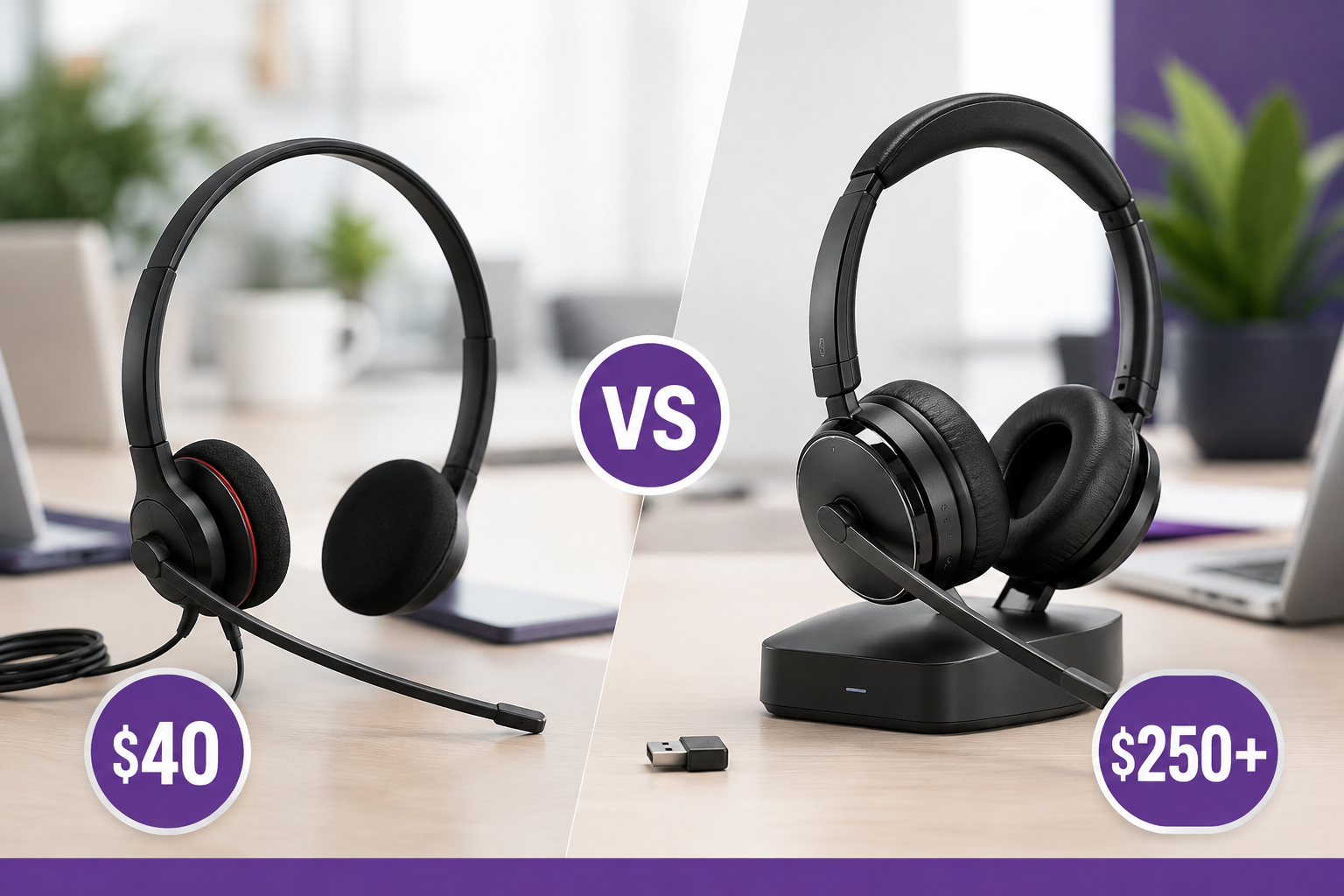
And for those with a tight budget, we offer a unique headset lease program. It’s incredibly affordable, includes replacement accessories, premium service for the term of the lease, and best of all, you get new headsets at the renewal point which means you’ll never have old, outdated equipment.
Learn more about our headset lease program and how it can help you equip your team without large upfront costs.
We’ve been assisting businesses with their communication needs since 1994, so let us know how we can help.