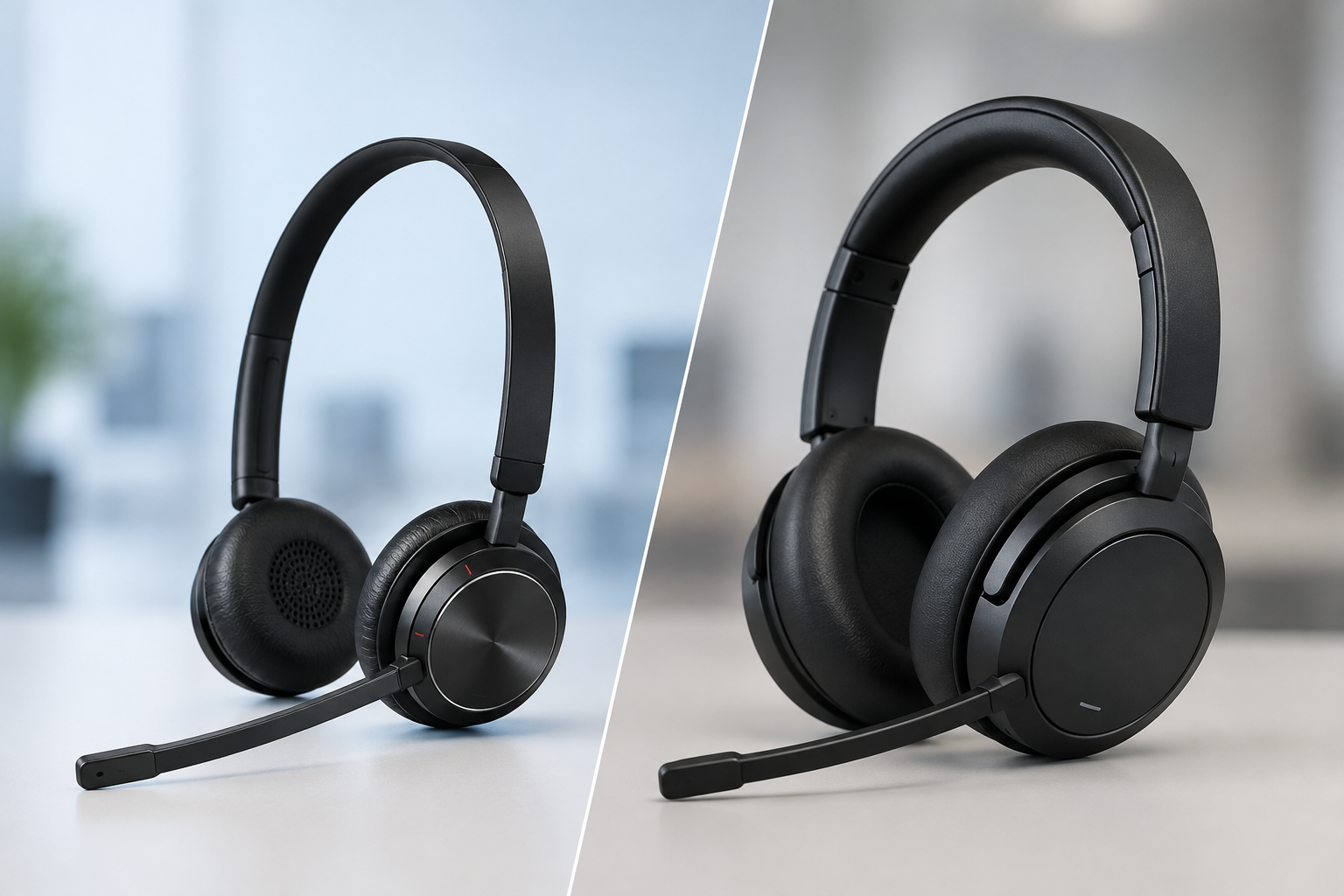
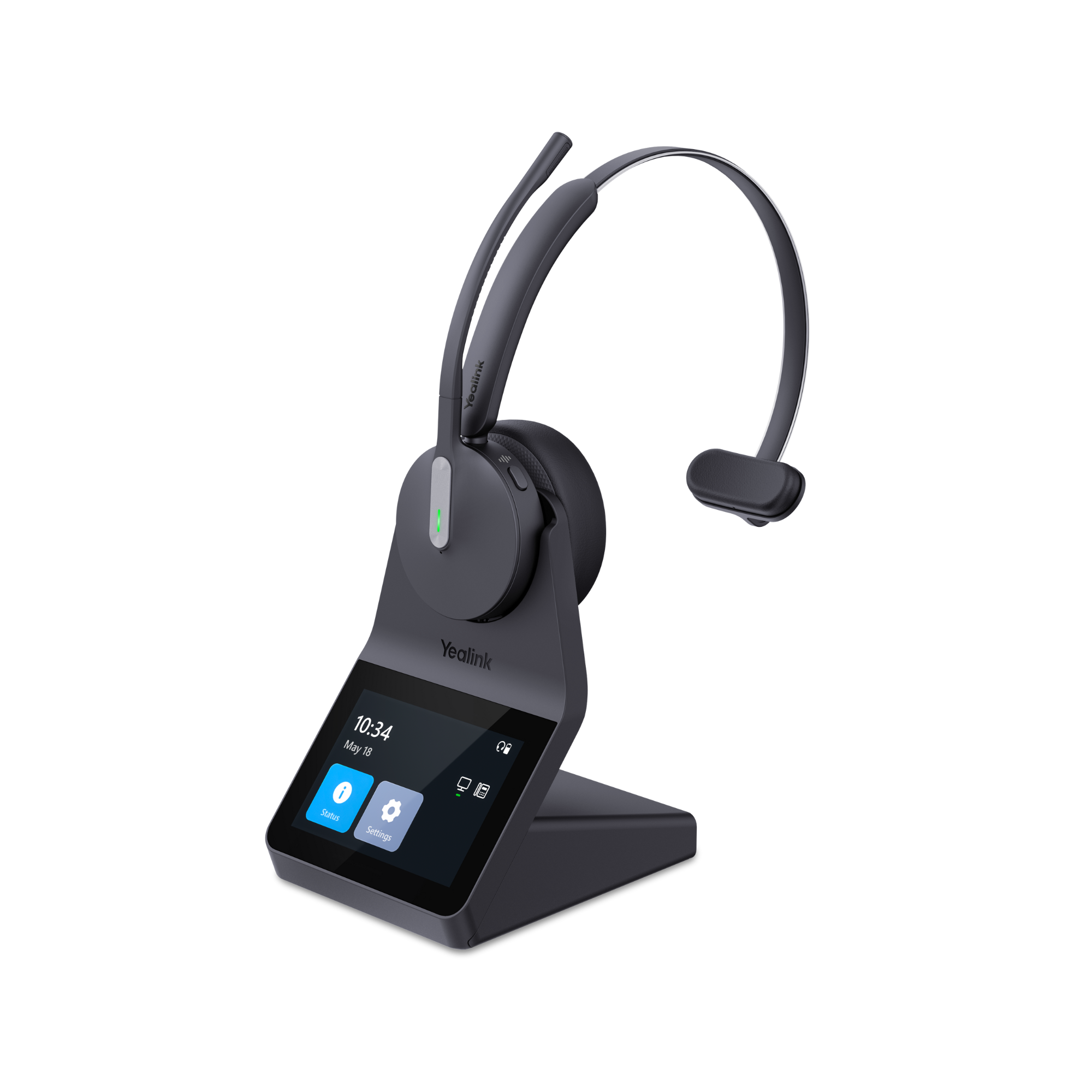
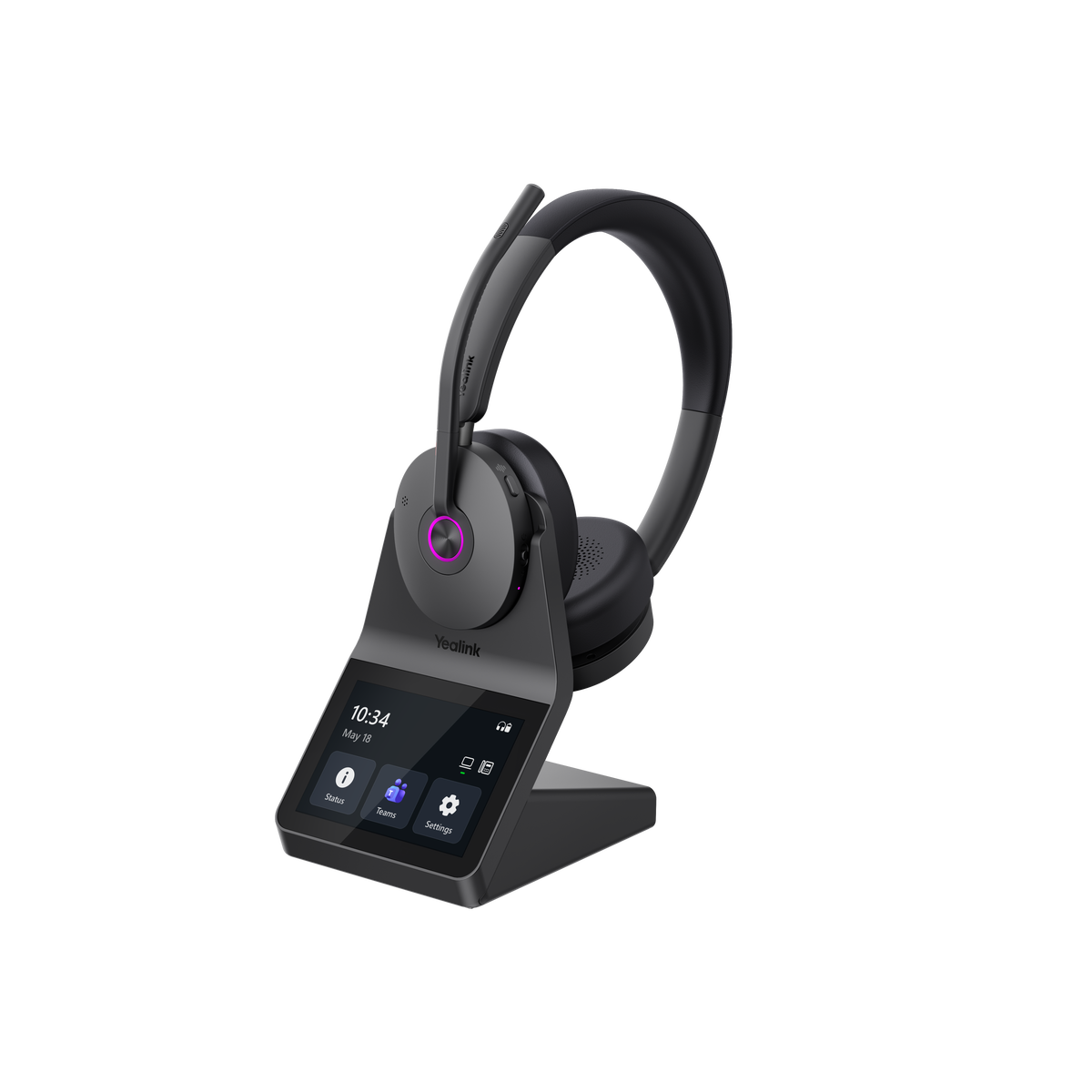
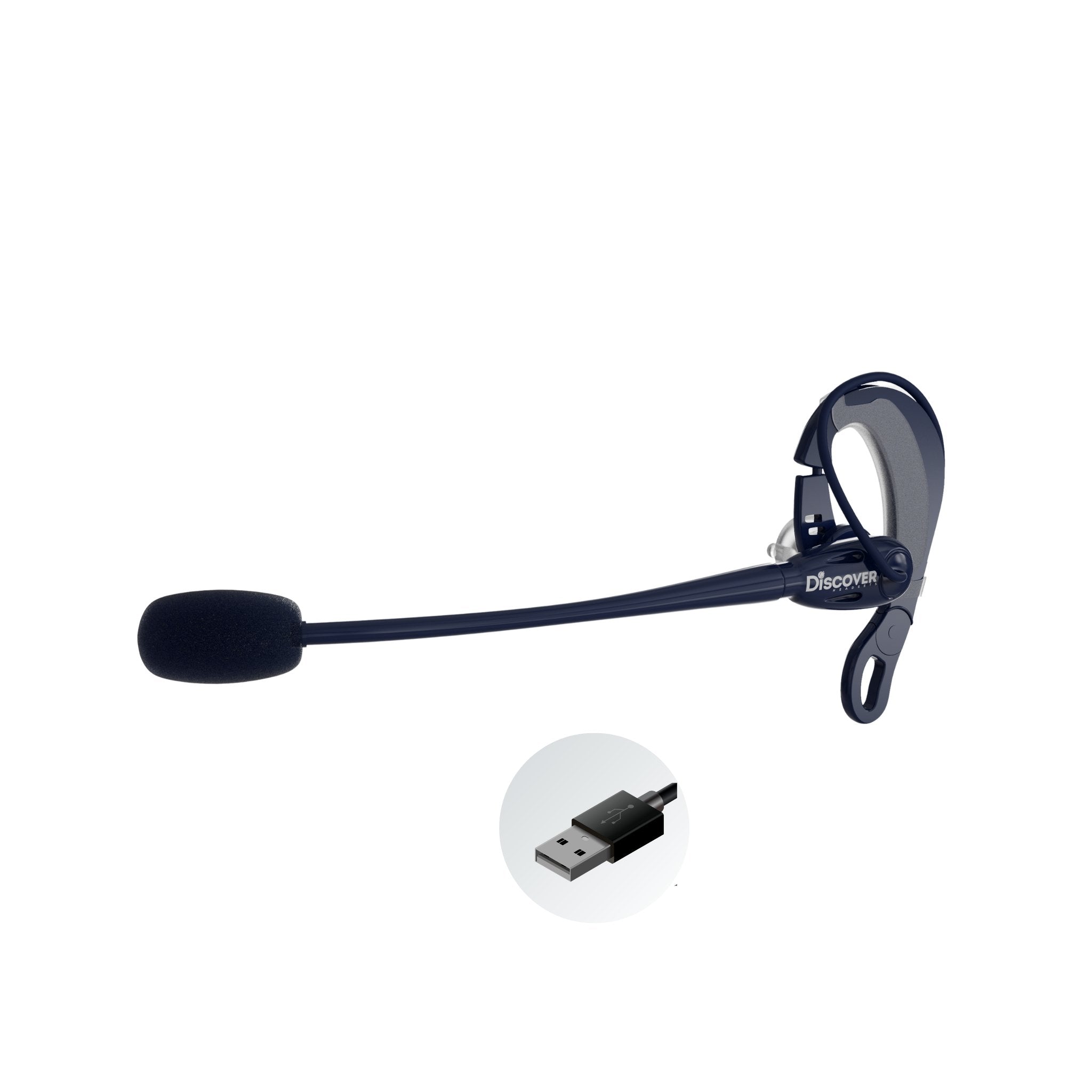
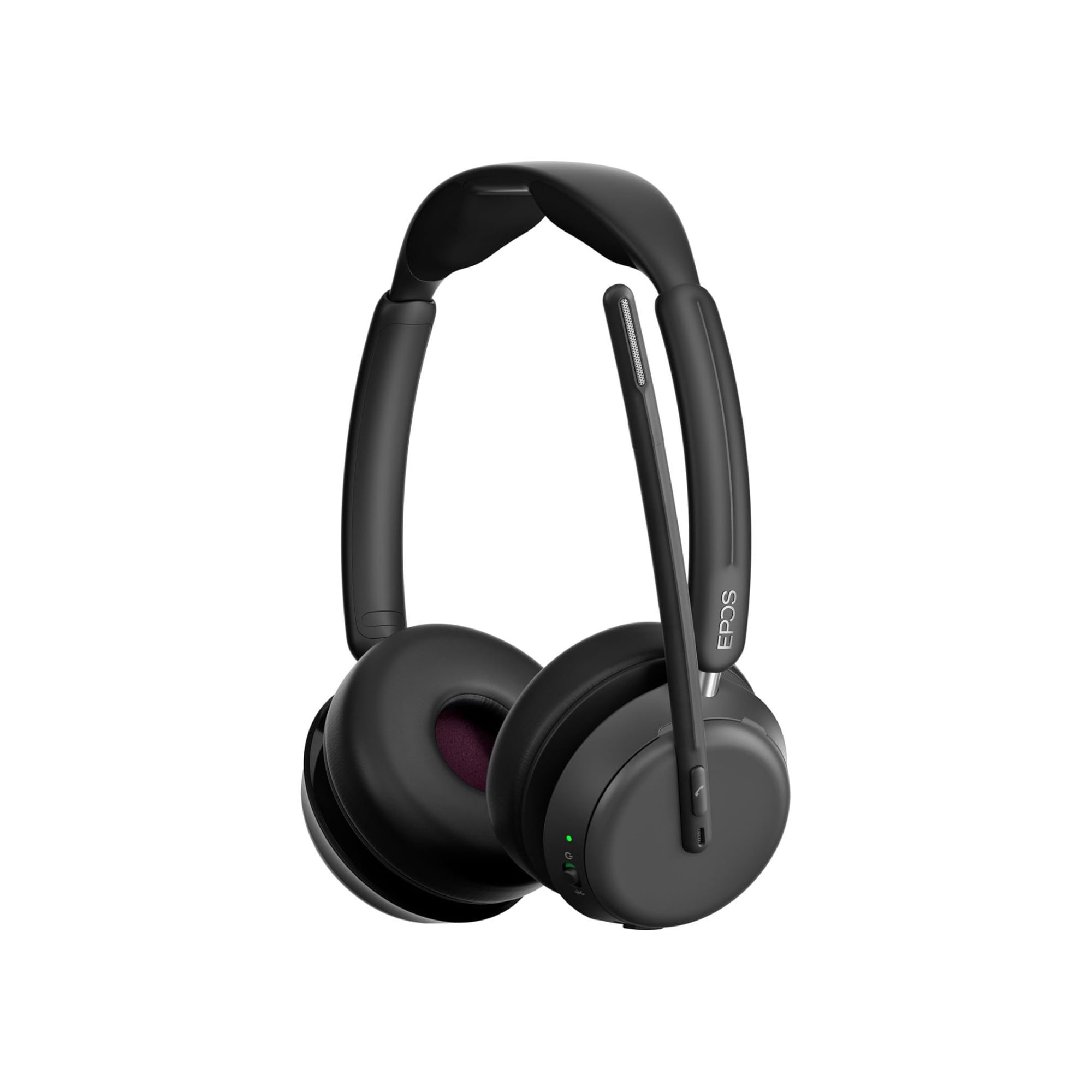
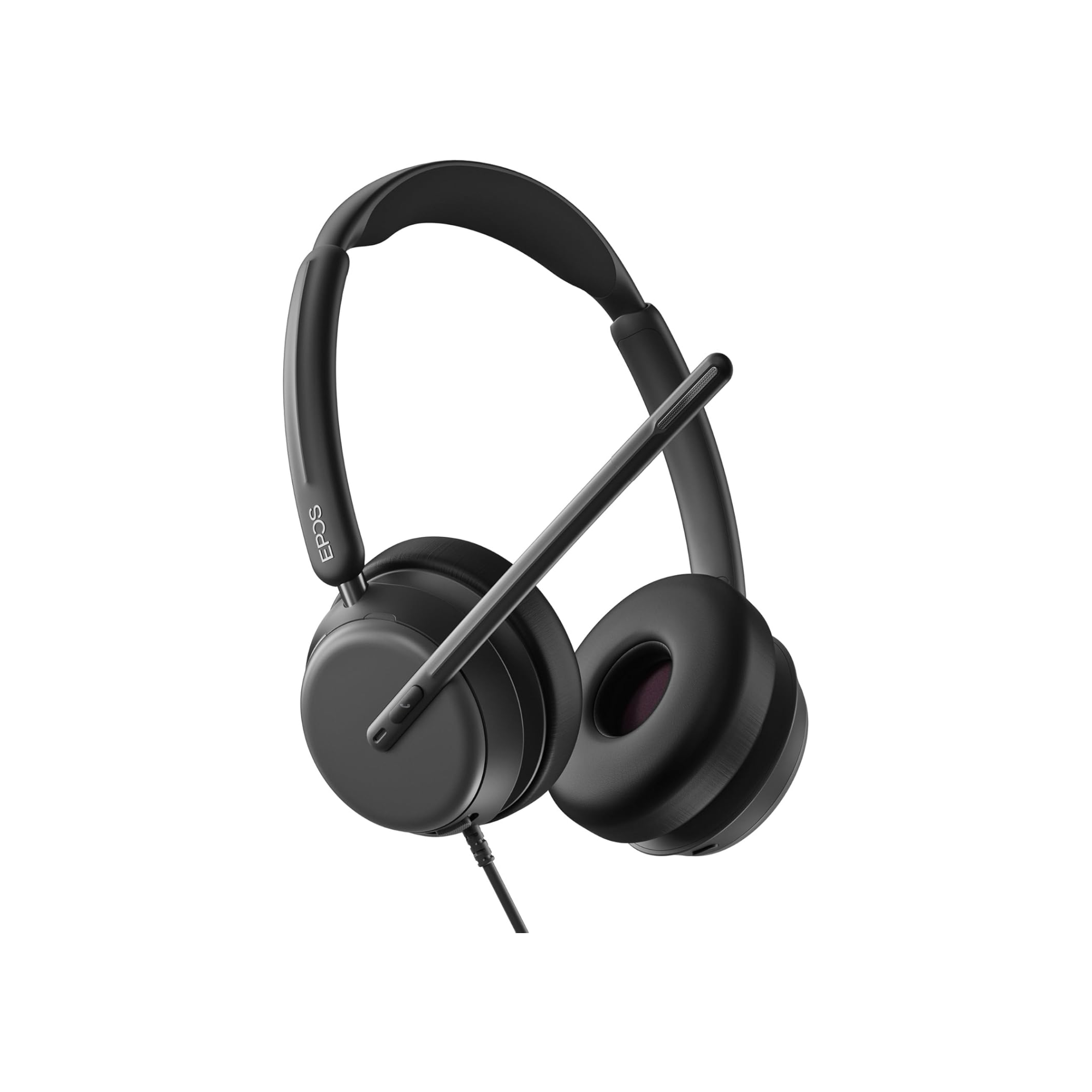
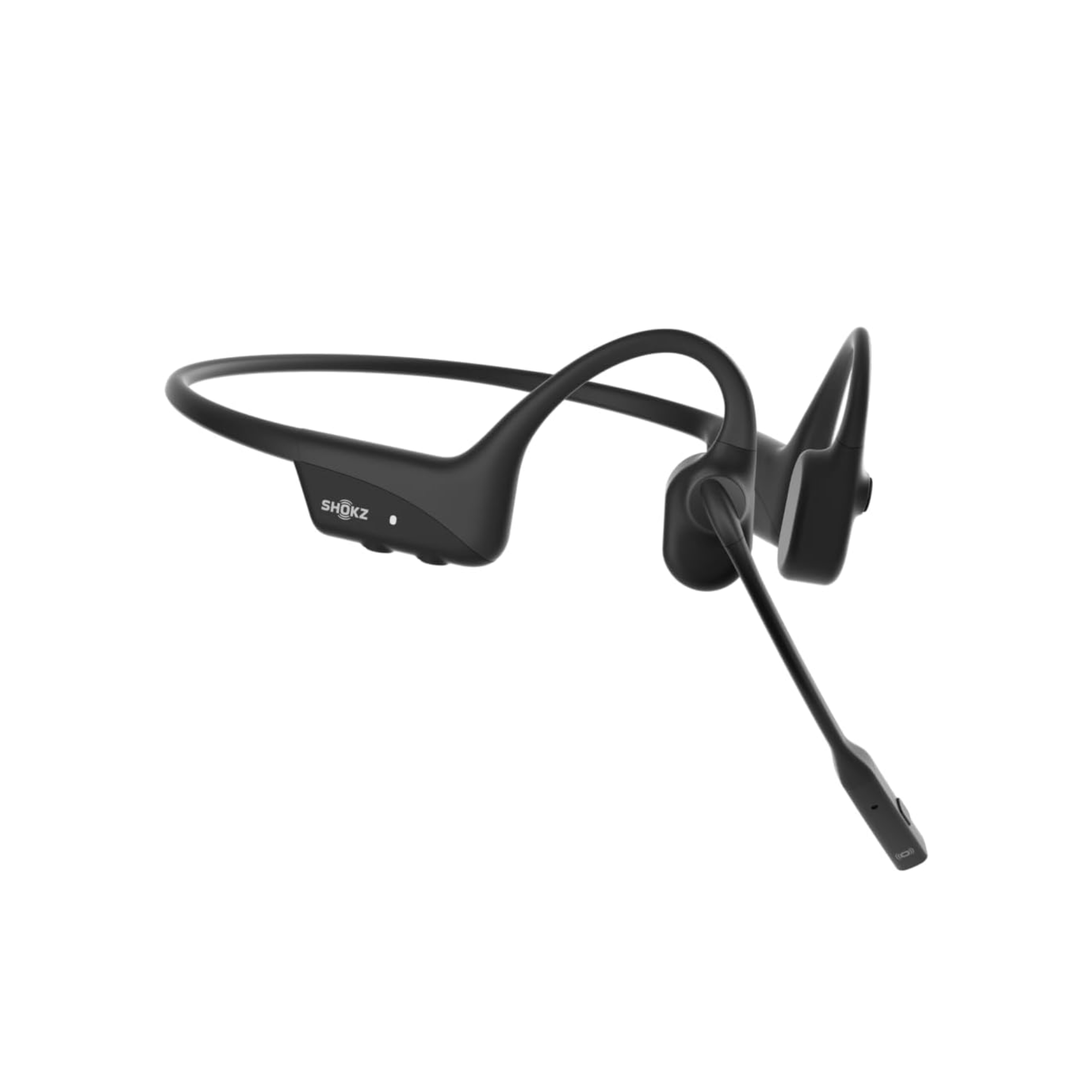
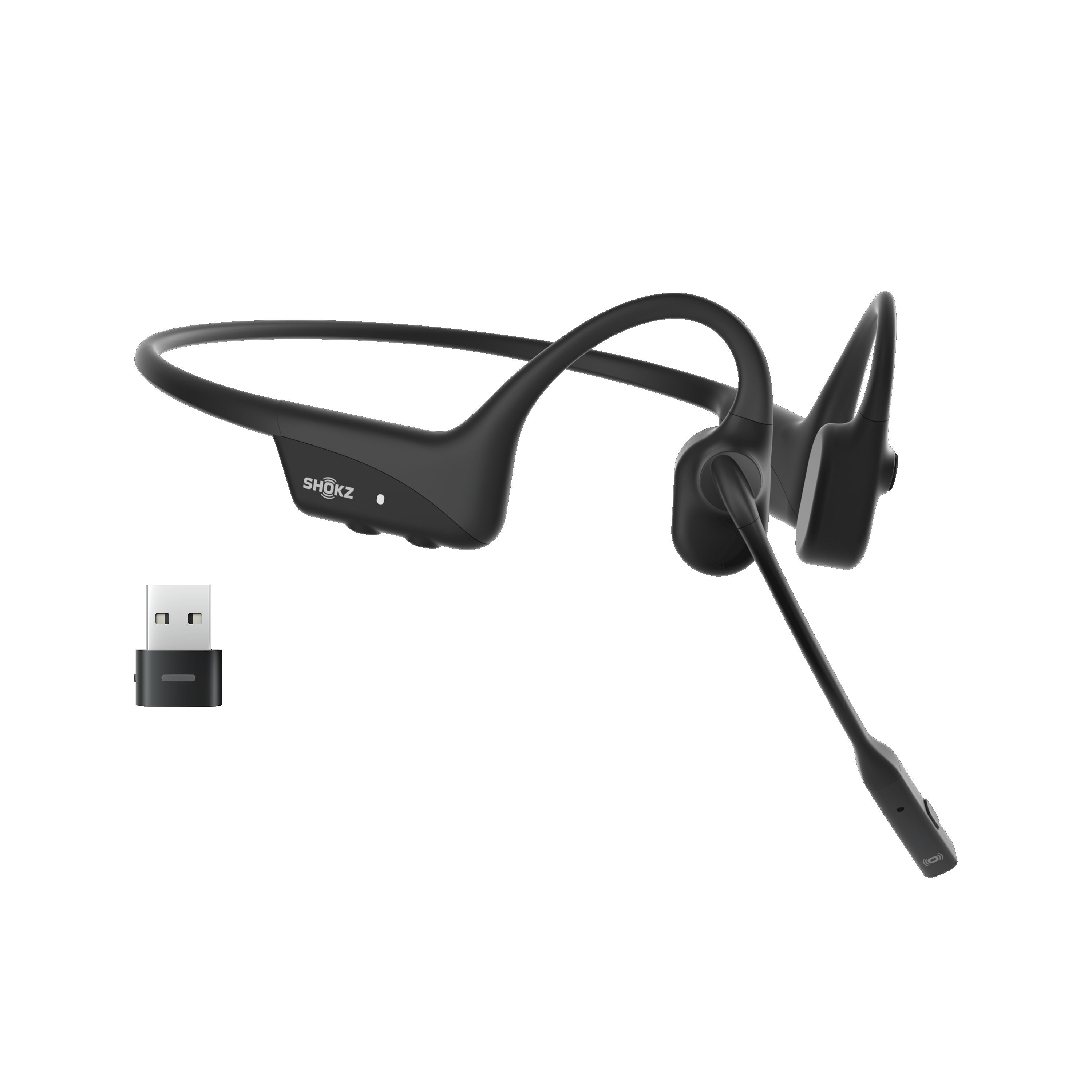
Do you want the best headset?
How the HID Protocol is Revolutionizing Communication Headsets
If you’ve ever answered or ended a call directly from your headset, you’ve already experienced the benefits of HID compatibility, whether you realized it or not.
HID (Human Interface Device) compatibility allows your headset to communicate directly with your computer and softphone applications like Microsoft Teams, Zoom, and RingCentral. This enables call control features such as answering, ending, muting, and adjusting volume without needing to interact with your computer.
While this functionality is useful in any setup, it becomes especially important when using a wireless headset, where mobility and convenience play a larger role in your daily workflow.
Why HID Compatibility Matters Even More with Wireless Headsets
As more professionals move from wired to wireless headsets, HID compatibility becomes increasingly important.
When you’re no longer tethered to your desk, being able to control calls directly from your headset isn’t just convenient—it’s essential.
For example, if you step away from your desk during a call, HID functionality allows you to:
- Answer incoming calls without returning to your computer
- Mute or unmute instantly
- End calls while on the move
This is one of the key advantages many users discover after switching to a wireless headset. If you’re evaluating whether it’s time to make that transition, our guide on when to switch from a wired to a wireless headset can help you identify the right time based on your work style.
Here’s a quick way to understand when HID compatibility becomes especially valuable in day-to-day use:

As you can see, HID compatibility becomes especially useful in environments where efficiency, mobility, and call control matter most.
Watch Our Informative Video To Learn More
If you'd rather watch our video on HID, then check it out below to learn more.
Understanding Legacy Challenges
Historically, computer-based headsets faced compatibility issues with popular calling applications like Microsoft Teams, Zoom, Google Meet, and others. Each platform adopted its own standard, requiring headsets to be specifically adapted for use with the platform for optimal functionality. This meant:
- Limited Functionality: Headsets often required certification or optimization by the phone system manufacturer, ensuring compatibility with their specific call control buttons, as well as optimized audio.
- Compatibility Headaches: Every headset model needed to be configured for each phone system brand, creating a logistical nightmare, especially in environments where multiple brands have been deployed.
- Restricted Choice: Users were limited to a select pool of "approved" headsets, hindering their ability to get the best model for their specific needs, and limiting wearing style options.
If you’ve experienced audio inconsistencies, our article on why your headset might sound bad and how to fix it breaks down common causes and solutions.
How HID Protocol Streamlines Communication

The HID protocol offers a universal language for headsets and communication platforms. Here's how it simplifies your workflow:
- Universal Compatibility: HID-enabled headsets seamlessly integrate with any phone system platform that supports the protocol. This eliminates the need for specific programming or certification.
- Platform Independence: HID works across various applications, including Microsoft Teams, Zoom, RingCentral, 8x8, Ooma, Vonage, 3CX, and Dialpad. You can switch platforms freely without worrying about compatibility issues. This provides greater versatility to select the right equipment for your exact needs without compatibility concerns.
- Streamlined Control: HID allows you to leverage the buttons on your headset to interact with your chosen phone system. This includes essential functions like answering/ending calls, adjusting volume, and muting/unmuting the microphone. Not having these features leaves the user with an experience less convenient, and more cumbersome because accessing calls remotely, or making adjustments, typically require you to return to the desk.
HID - A Practical Example

Let's examine a real-world scenario such as someone using Google Meet and a Jabra Evolve 2 65 Flex headset with a Jabra Link 380 USB adapter.
- Configuration Simplicity: When you activate the headset, the Jabra Link 380 is recognized as a HID device within Google Meet's call control settings.
- Intuitive Control: During a video meeting, pressing the button on the headset directly hangs up the call or mutes/unmutes the microphone within the application.
- Bluetooth Limitations: While Bluetooth connectivity allows you to use the Jabra Evolve 2 as a microphone and speaker, it bypasses HID functionality. This means you cannot control call functions directly from the headset buttons.
Freedom to Roam: The Benefits of HID for Busy Professionals

One of the most significant advantages of HID is its ability to facilitate mobility. Imagine this scenario:
- Untethered Communication: You're using a Microsoft Teams-supported headset with HID. An incoming call arrives while you're away from your desk. Simply press the button on your headset to answer the call, allowing you to stay productive and connected, even on the go. This allows you to get more done during your workday.
For environments with background noise, like those working from home or in a busy office, understanding what noise cancelling is in headsets can help improve both focus and call clarity.
Enabling Seamless Integration: How to Find HID-Compatible Headsets
Finding a headset that supports HID is easier than ever. Here are some helpful tips:
- Dedicated Resources: Headset Advisor curates a comprehensive list of thoroughly tested HID-compatible headsets which can be found on their website. For over 30 years Headset Advisor has been backing up the products we sell with premium level service and technical assistance. This is something not easily found these days.
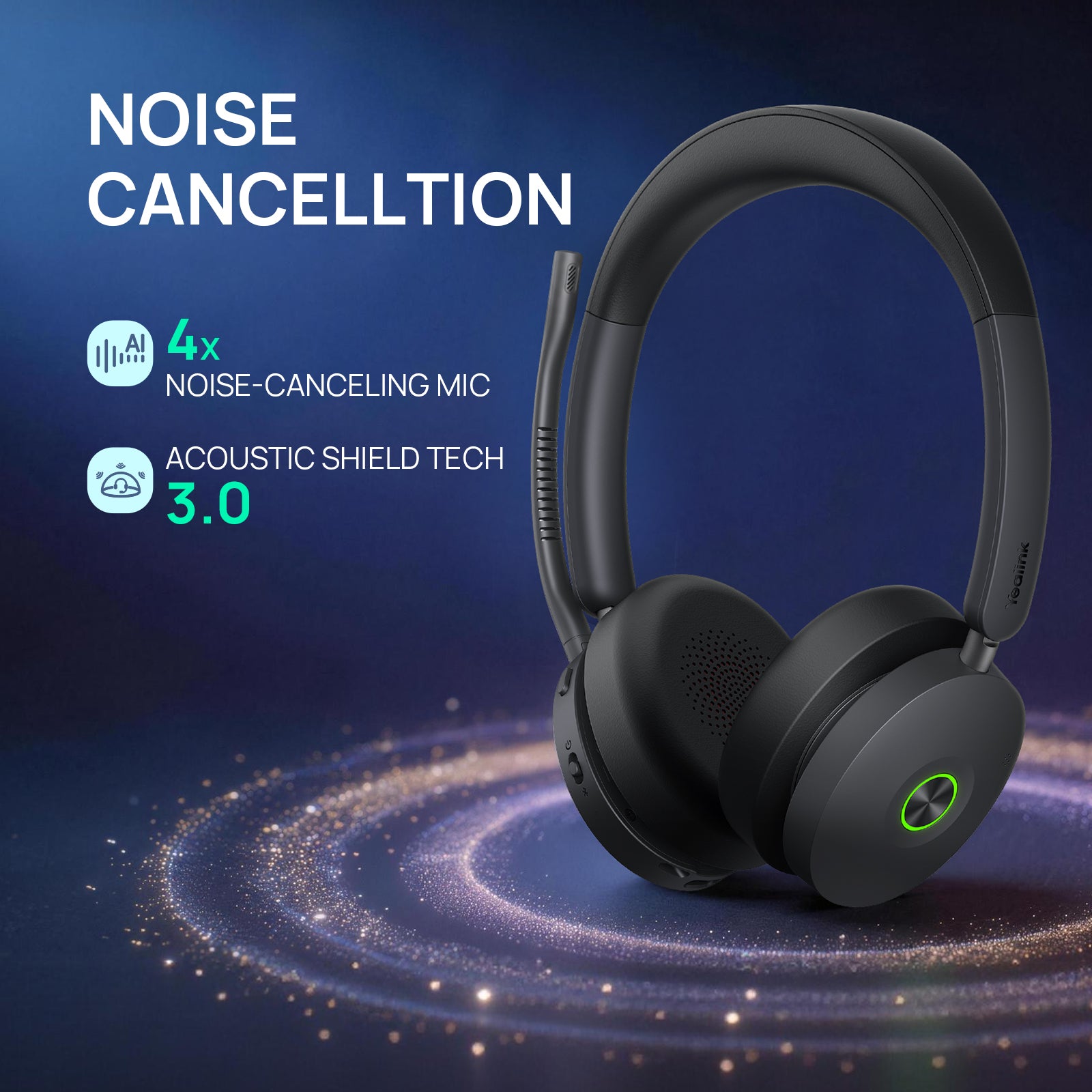
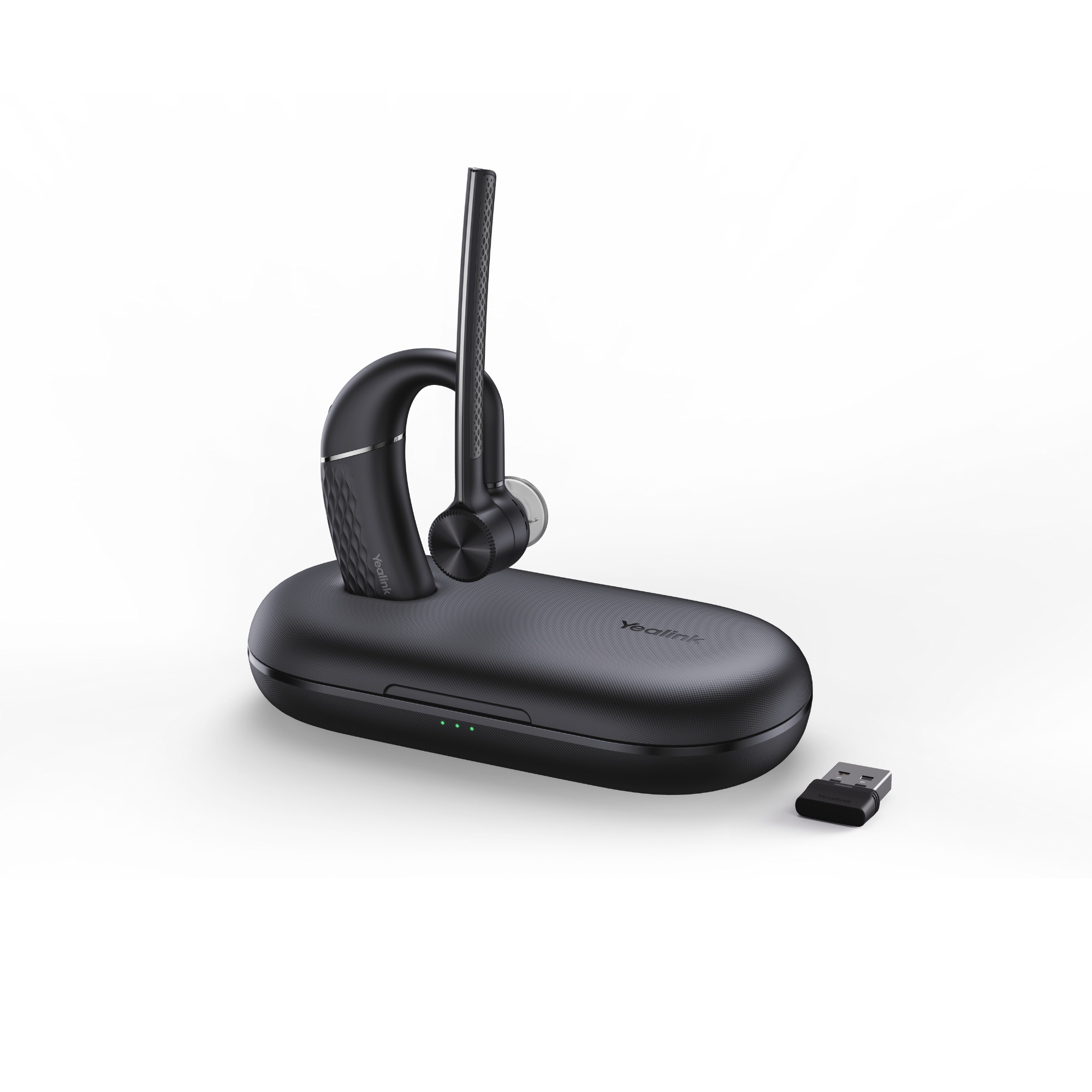
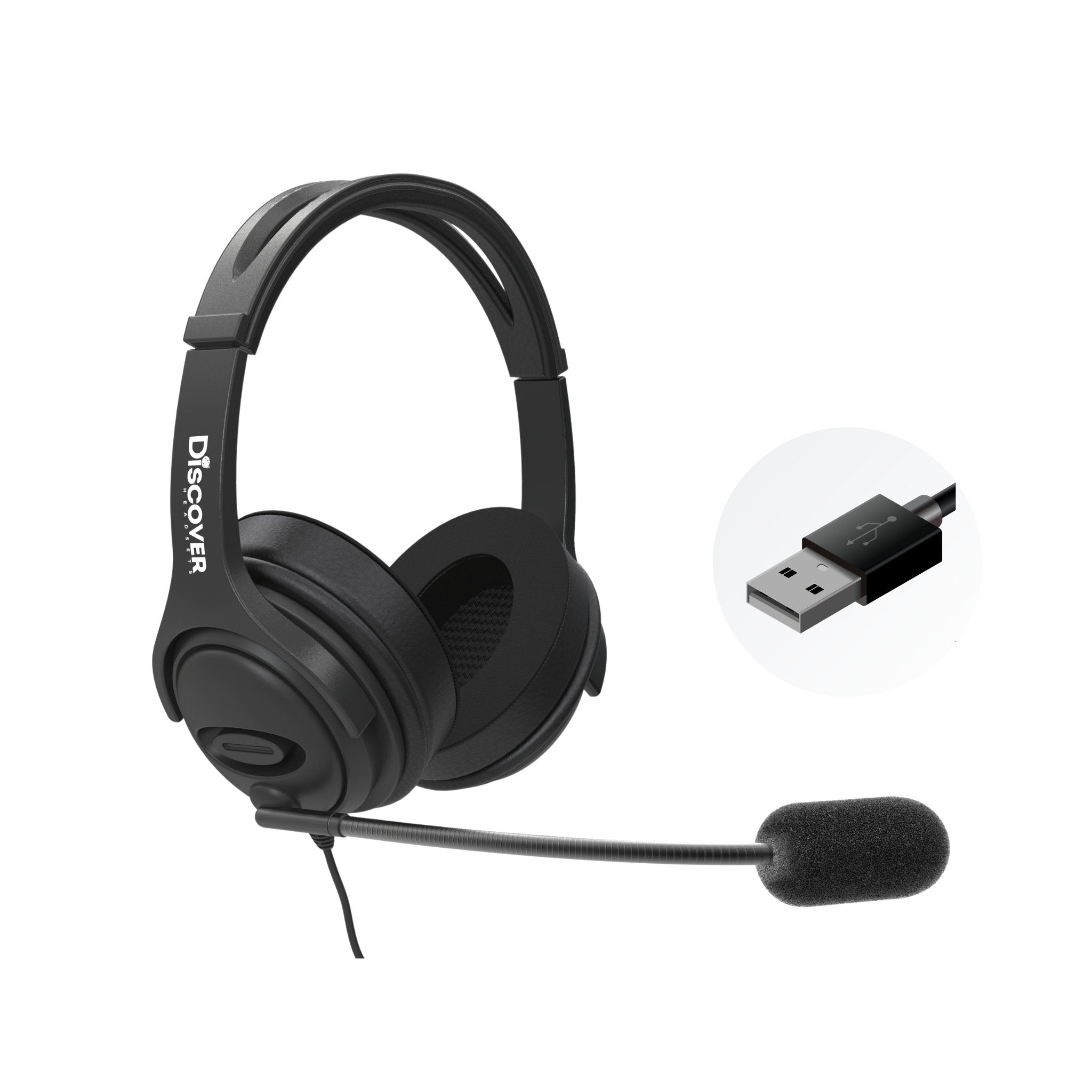
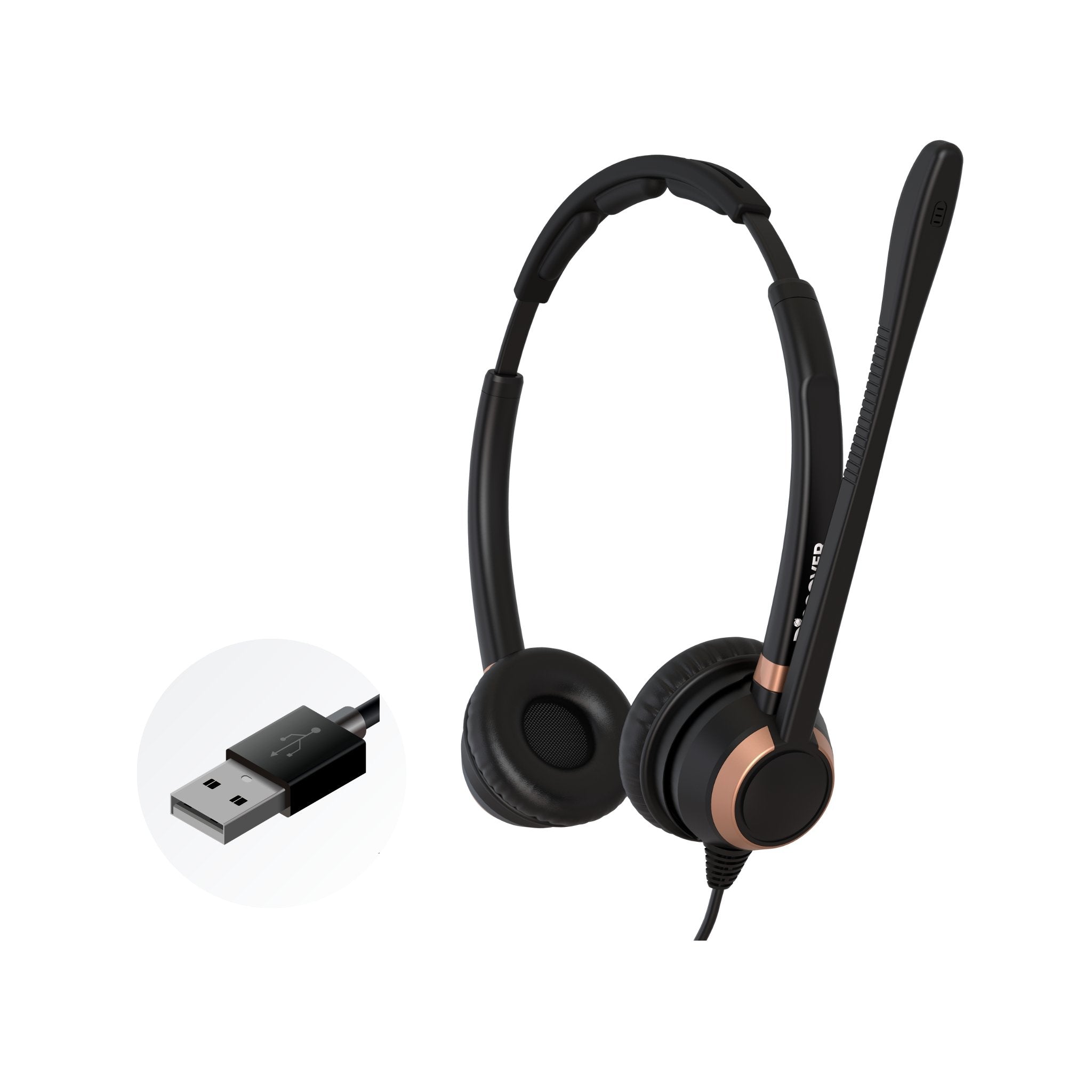
- Prioritize Business-Grade Features: Look for headsets designed for professional use, such as those offered by Discover, Jabra, Poly, EPOS and Yealink. These brands typically prioritize features like durability, comfort, and functionalities that enhance productivity.
If you’re comparing your options, you may also find our guide on wired vs wireless headsets: which is right for you helpful.
Looking Ahead: The Future of Headsets with HID Protocol

The adoption of HID signifies a positive shift towards a more standardized and user-friendly communication headset landscape. As technology continues to evolve, we can expect to see even greater advancements:
- Enhanced Functionality: Future iterations of HID might incorporate additional functionalities beyond basic call controls, potentially allowing for volume adjustments within applications or media playback controls and more.
- Universal Integration: Widespread adoption of HID across various communication platforms and devices could create a truly seamless user experience.
Making HID-Compatible Headsets More Affordable
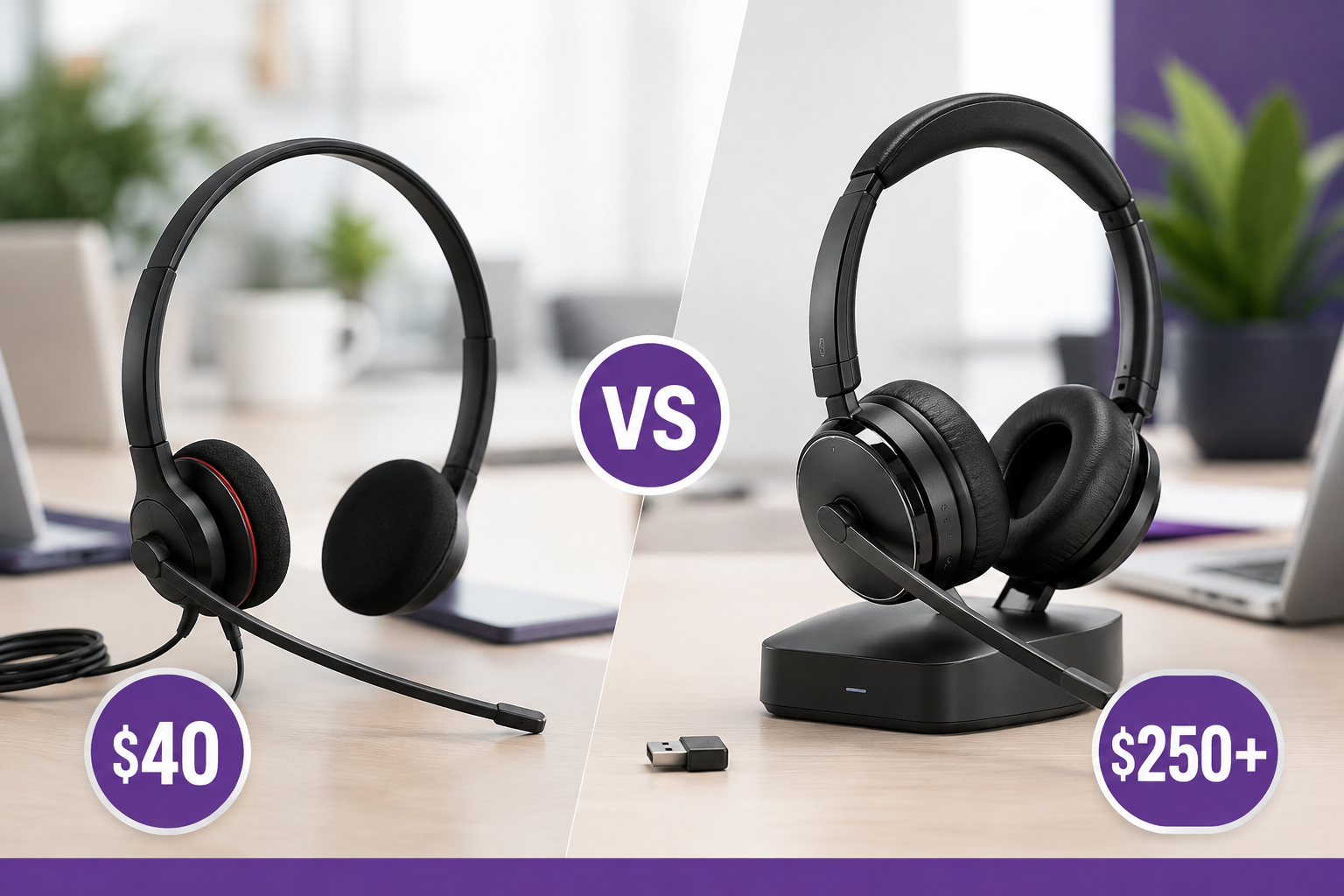
While HID-compatible headsets, especially wireless models, can come at a higher upfront cost, they often deliver long-term value through improved productivity and convenience.
For businesses equipping multiple employees, a headset lease program can make these solutions far more accessible.
Leasing can include:
- Replacement accessories so no need to buy and stock them
- Ongoing warranty coverage so you'll always know you're in warranty
- Predictable monthly costs making it affordable and easy to budget for
This approach not only reduces upfront investment, but also simplifies long-term headset management.
You can learn more about our headset leasing program and how it can support your organization.
Final Thoughts
Choosing a HID-compatible headset isn’t just about adding features, it’s about improving how you interact with your calls throughout the day.
Whether you’re using a wired or wireless headset, HID functionality helps streamline communication and reduce friction in your workflow.
As more workplaces adopt softphones and flexible work environments, this level of control becomes less of a luxury and more of a necessity.
Di$count
We all like getting a nice discount when buying things. So if a new headset is something that’s on your shopping list, then make sure to use coupon code BLOG when checking out on our website.
Have Questions, Or Need Some Help?

Needs vary from company to company, and from person to person, and it’s not always easy to know which product best fits your application. Besides having a headset matching tool on our website, we also have professional, trained headset advisors available to help you find the perfect communication solution. Contact us today to learn more, or to get free expert advice.