Do you want the best headset?

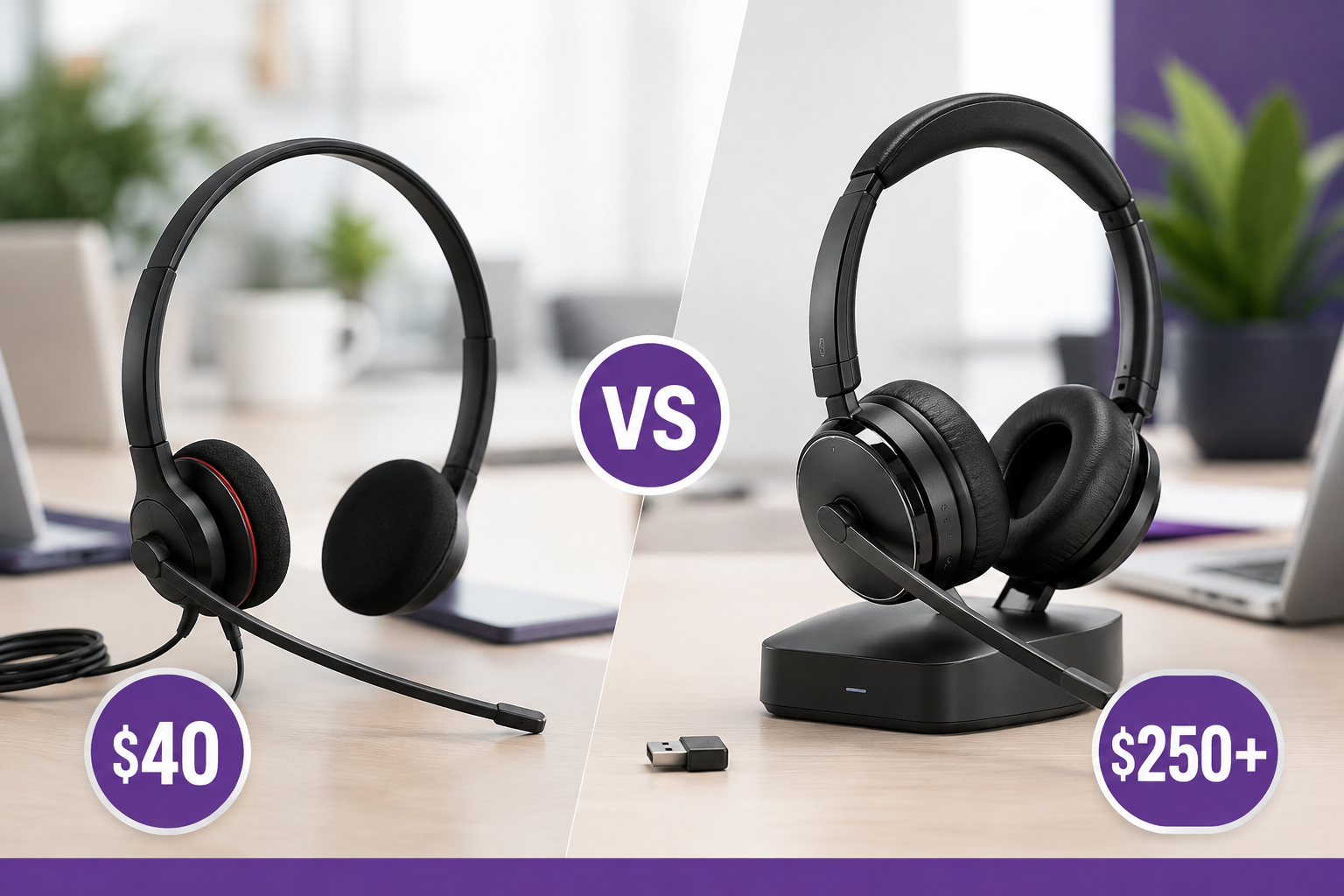
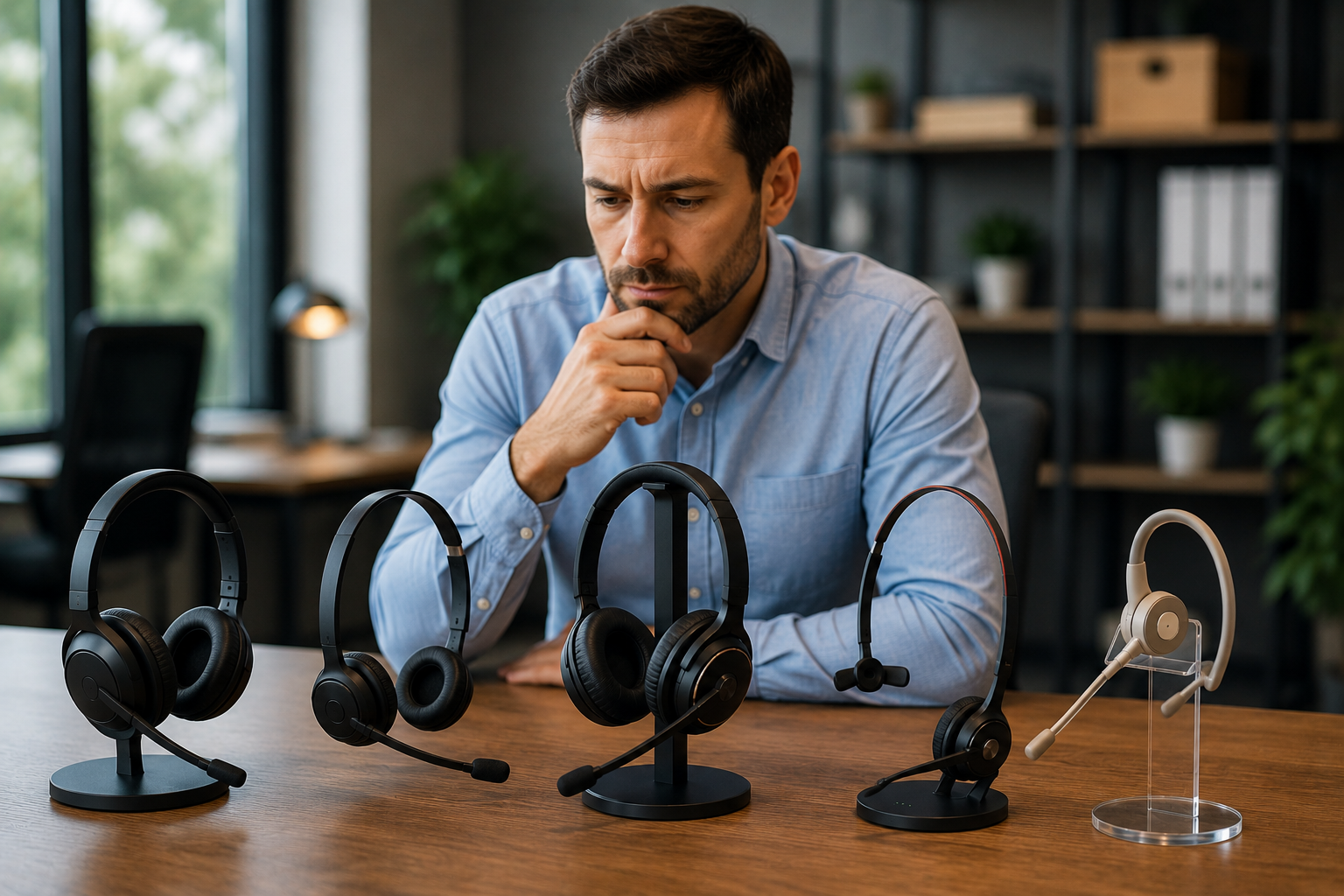
It’s a common assumption. If you spend more on a headset, it should look better, fit better and above all, sound better.
But in real-world use, that isn’t always the case.
Many users upgrade to a higher-end headset expecting a dramatic improvement in audio quality, only to find that calls still sound the same, or in some cases, not much better at all.
The reason comes down to how audio actually works in business communication environments. In many situations, the headset is only one piece of the equation.
The Expectation Gap
When people invest in a premium headset, they often expect studio-quality sound for both listening and speaking.
That expectation is understandable, but it doesn’t always align with how platforms like Microsoft Teams, Zoom, and other softphone applications handle audio.
These platforms are designed to prioritize clarity and stability over high-fidelity sound. That means audio is often compressed to ensure consistent performance across different networks and devices.
As a result, even the best headset may not sound significantly different from a mid-range option during a call.
What Actually Affects Audio Quality
If the headset isn’t the only factor, what is?
In most cases, audio quality is influenced by a combination of factors, including:
-
The communication platform being used
-
Your network connection
-
Device and application settings
-
Background noise in your environment
-
Microphone positioning
For example, if your headset isn’t set as the default device, or if your application settings are not configured correctly, even a high-end headset may end up sounding bad.
If you’re unsure whether your setup is optimized, it may be helpful to review our guide on how to set up your headset for the best audio quality.
Bluetooth Limitations
Another factor that often surprises users is how Bluetooth affects audio quality.
When using a Bluetooth headset for calls, the audio profile changes to support two-way communication. This can reduce audio depth and make sound seem flatter compared to music playback.
This behavior is normal and is not a defect in the headset.
If you want a deeper explanation, our guide on Bluetooth headset audio quality explained walks through this in more detail.
Background Noise and Environment Matter More Than You Think

One of the most overlooked factors in call quality is background noise.
Even premium headsets with advanced microphones are designed to reduce noise, not eliminate it completely. In a busy office or home environment, background sounds can still come through and affect how you are heard.
This is where many users expect a higher-priced headset to solve the problem entirely, but that’s not always realistic.
In situations where background noise is a consistent issue, software-based solutions can make a noticeable difference. AI noise canceling tools work independently of the headset to remove unwanted sounds on both sides of the call, helping create a clearer and more consistent experience.
For users dealing with frequent noise interruptions, this type of solution can often have a greater impact than upgrading the headset itself.
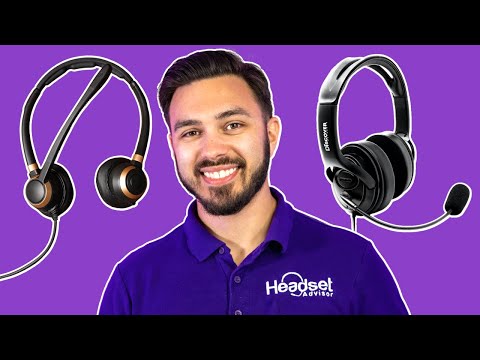
And before moving on from microphone noise cancellation, it’s worth pointing out that many people misunderstand the difference between noise cancellation and Active Noise Cancellation.
The short answer is noise cancelling refers to the microphone removing noise from your background for your callers, and Active Noise Cancellation (ANC) refers to background noise being suppressed for you, so you can concentrate better without being distracted.
If you'd like a more detailed explanation, make sure to watch our Youtube video below.
Microphone vs Speaker Quality

Another common misconception is that all aspects of a headset improve equally with price.
In reality, for business communication, the microphone matters more than the speakers.
Most call platforms limit incoming audio quality, but your outgoing audio, what others hear, is heavily influenced by your microphone.
A headset with a strong microphone can improve how you sound to others, even if what you hear doesn’t seem dramatically different.
If you're unsure how your microphone actually sounds to others, one of the easiest ways to find out is to test it directly.
Using a simple microphone test can give you immediate feedback on your voice clarity and how much background noise is being picked up. This can help you quickly determine whether the issue is your headset, your environment, or your setup.
Why Cheap vs Expensive Isn’t Always the Right Comparison

It’s not just about price, it’s about using the right tool for the job.
A less expensive headset designed for business use may perform better on calls than a more expensive consumer model designed for music or general use.
Factors like:
-
Microphone design
-
Noise reduction capability
-
Compatibility with communication platforms
often matter more than overall price.
Real-World Examples
To put this into perspective:
-
A user working in a quiet home office may not notice a large difference between mid-range and premium headsets
-
A call center agent in a noisy environment may benefit more from a better microphone than better speakers, and headsets with Active Noise Cancellation would also be a benefit to those working in a contact center environment.
-
A remote worker using Bluetooth may experience limitations regardless of headset price
In each case, the environment and use case play a larger role than cost alone.
When Spending More Does Make a Difference

There are situations where investing in a higher-quality headset makes sense.
You may see meaningful improvements in areas such as:
-
Microphone clarity
-
Comfort for long periods of use
-
Durability and build quality
-
Wireless range and battery performance
The key is understanding what you are paying for, and whether those improvements align with your needs. You don’t want to underpay, and end up with an underperforming headset. Likewise, you don’t want to overpay for a headset that has features you don’t need. So it’s important to have a clear understanding of your needs and then align with the headset that best meets those needs.
Ways to Improve Audio Without Overspending

If your goal is better audio quality, upgrading your headset is only one option.
You may also consider:
-
Adjusting your device and application settings - often overlooked but impacts sound quality
-
Improving microphone positioning - seems simple, but this can make a big difference
-
Reducing background noise where possible
-
Using software tools designed to enhance call clarity
In some cases, these changes can deliver better results than simply moving to a more expensive headset.
If you're unsure how your microphone actually sounds to others, one of the easiest ways to find out is to test it directly.
You can use our microphone test tool to record your voice and hear exactly what callers hear, including how much background noise is being picked up. This can quickly help you determine whether the issue is your headset, your environment, or your setup.
Making a Smarter Investment

If you do decide to upgrade, there are ways to make higher-quality solutions more affordable. This is especially important for those organizations that face budgetary constraints.
Options such as:
-
Trade-in programs for older equipment
-
Promotional discounts, including coupon code BLOG
-
Headset leasing programs with included accessories and warranty coverage
All these things can help reduce upfront costs and improve long-term value.
Final Thoughts
Spending more on a headset doesn’t always guarantee better audio quality, especially in business communication environments.
In many cases, factors like platform limitations, setup, and background noise have a greater impact on your experience than the headset itself.
The best approach is to look at your overall setup and how you use your headset each day. When everything is working together correctly, even a modest setup can deliver excellent results if aligned with your needs and if it offers acceptable sound quality, comfort and reliability.
Need Help Finding the Right Solution?

If you’re unsure whether upgrading your headset will actually improve your experience, or if another approach may be more effective, you don’t have to figure it out on your own.
Headset Advisor has been helping customers with their communication needs for over 30 years. Our team can help you find the right solution based on your environment, devices, budget and workflow.
Having over 800 5-Star Google reviews says we’re doing some things right. So don’t hesitate to contact us and let one of our knowledgeable Advisors provide you with the professional assistance you need.