Do you want the best headset?

If you’ve ever noticed your Bluetooth headset sounding great when listening to music, but different once you join a call, you’re not imagining things.
This is one of the most common questions people have when switching from a wired to a wireless headset.
Bluetooth technology works differently depending on how it’s being used, and understanding that difference can help set the right expectations for your audio experience.
If you’re currently deciding whether to make that switch, our guide on when to switch from a wired to a wireless headset can help you determine if it’s the right move based on your work style.
Why Audio Quality Changes on Bluetooth Headsets

Bluetooth headsets use different audio modes depending on whether you’re listening or speaking.
When listening to music or videos, your headset uses a high-quality audio mode designed for rich sound.
However, when you join a call and activate the microphone, the headset switches to a communication mode that prioritizes clarity and stability over sound depth.
Many users find this to be a worthwhile tradeoff, especially when the added flexibility of a wireless headset improves how they work throughout the day. If mobility and freedom to move are important in your role, our guide on when to switch from a wired to a wireless headset can help you decide if it’s the right fit.
This is why audio may sound more compressed or less full during calls compared to music playback.
If your headset audio sounds worse than expected beyond this normal behavior, you may want to review our guide on why your headset sounds bad and how to fix it.
While this can be surprising at first, it’s actually a normal part of how Bluetooth technology functions.
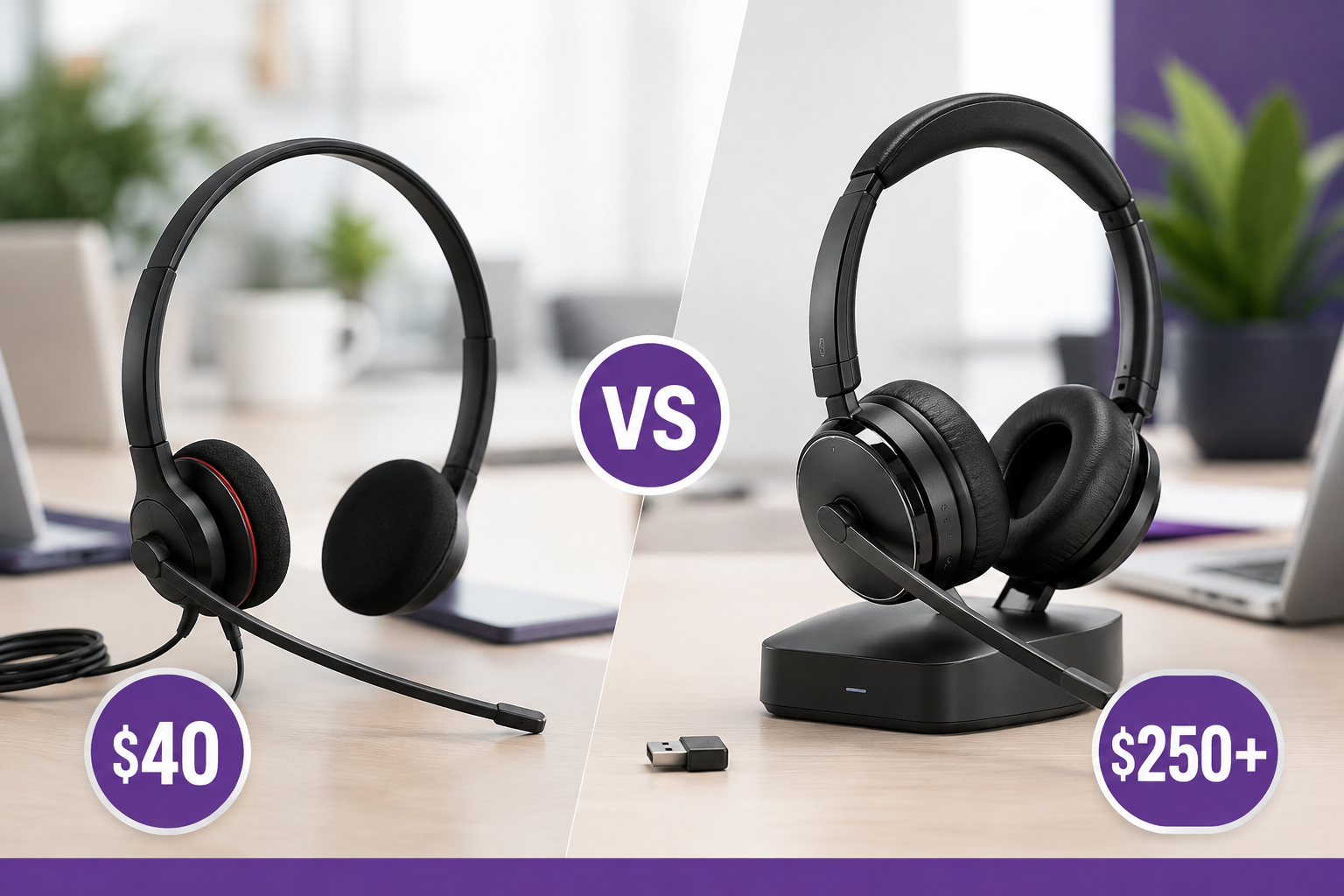
This difference is often more noticeable when moving from a wired to a wireless headset. If you’re comparing your options, our guide on wired vs wireless headsets, which is right for you can help you understand how these technologies differ in real-world use.
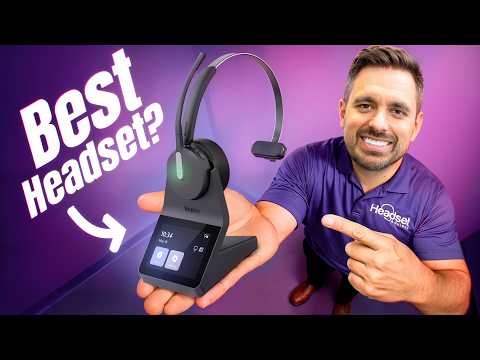
Our video below explains this limitation clearly and tests five work-focused headsets, and one consumer model:
- Poly Voyager Focus 2
- Jabra Evolve2 75
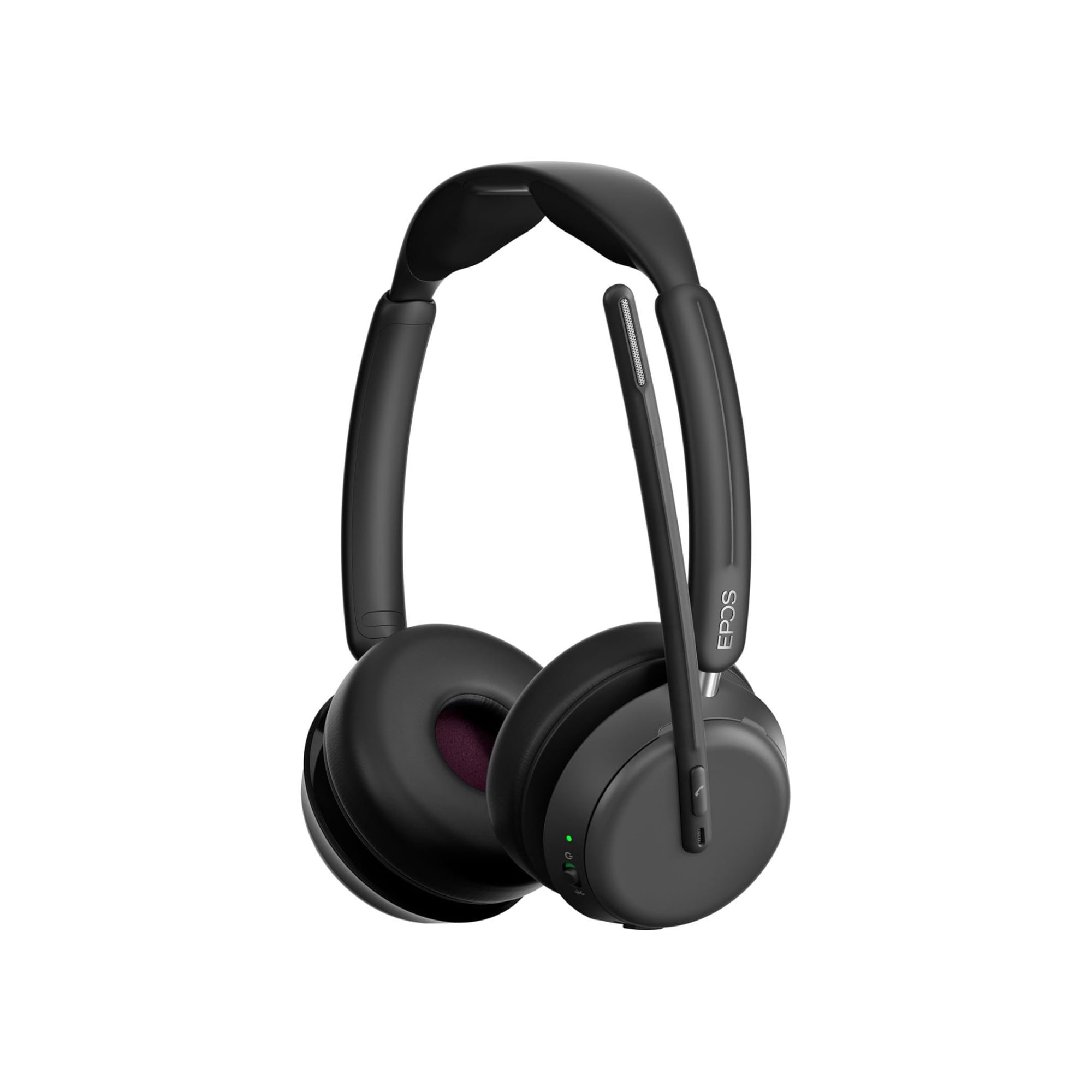
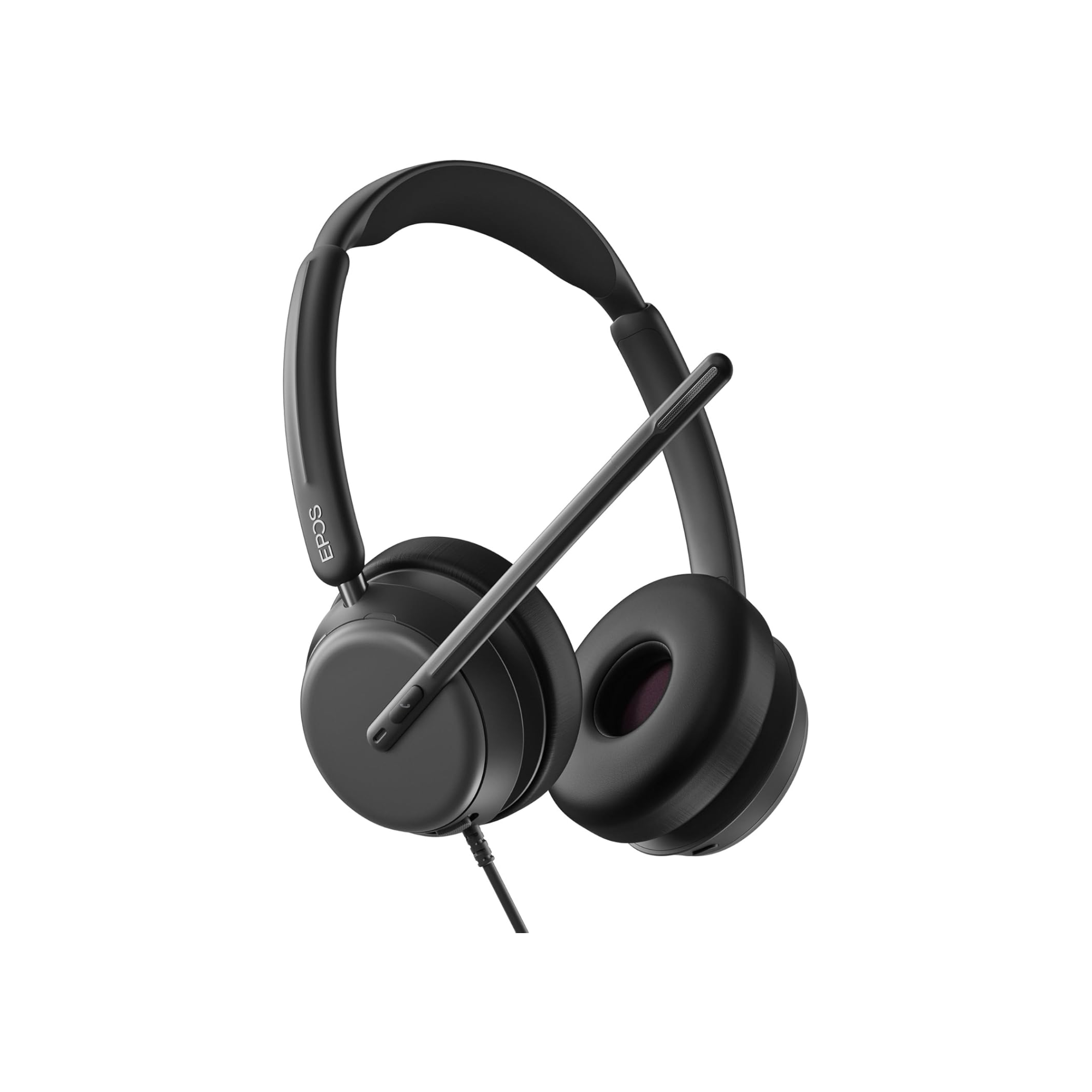
- Epos Impact 1000
- Logitech Zone Vibe 2
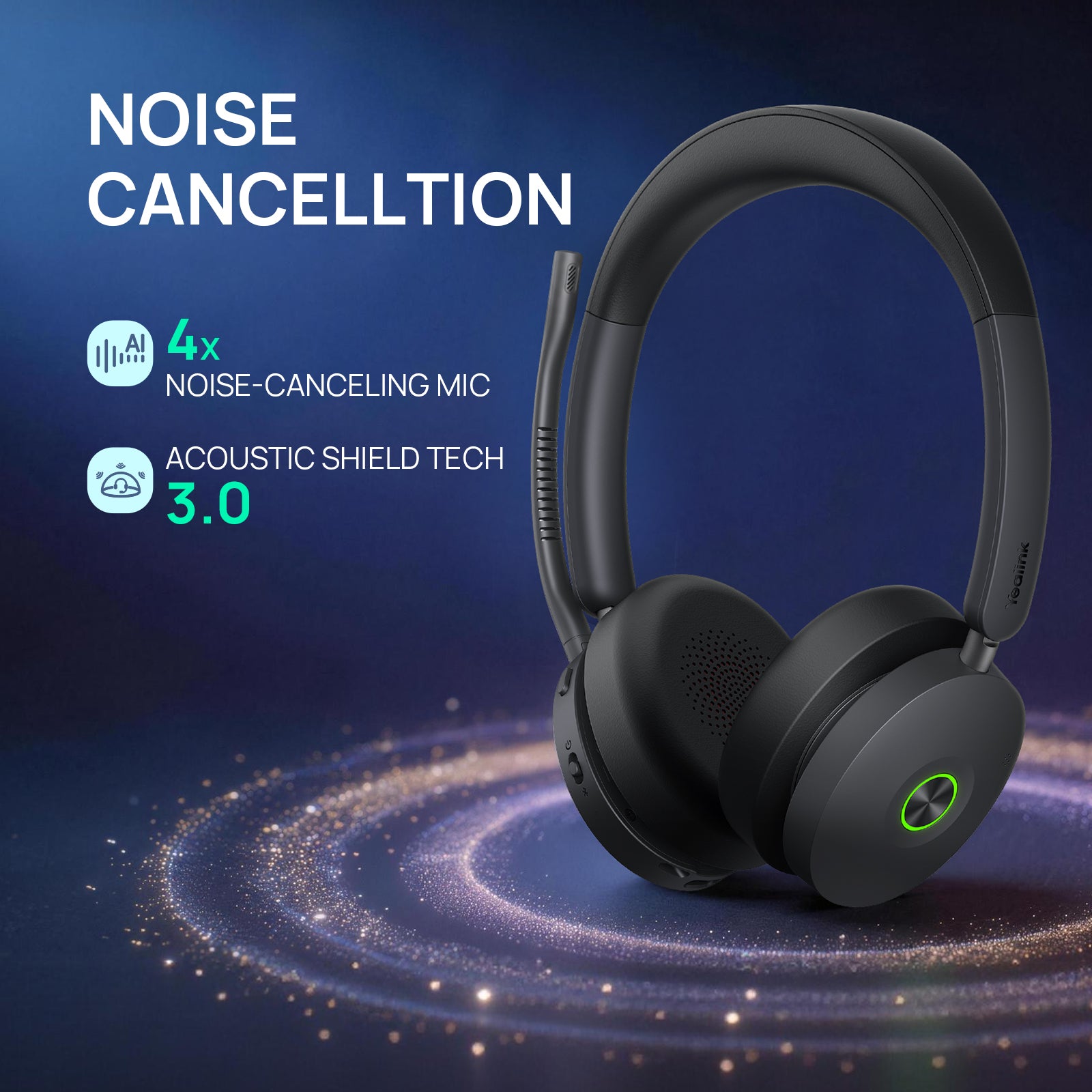
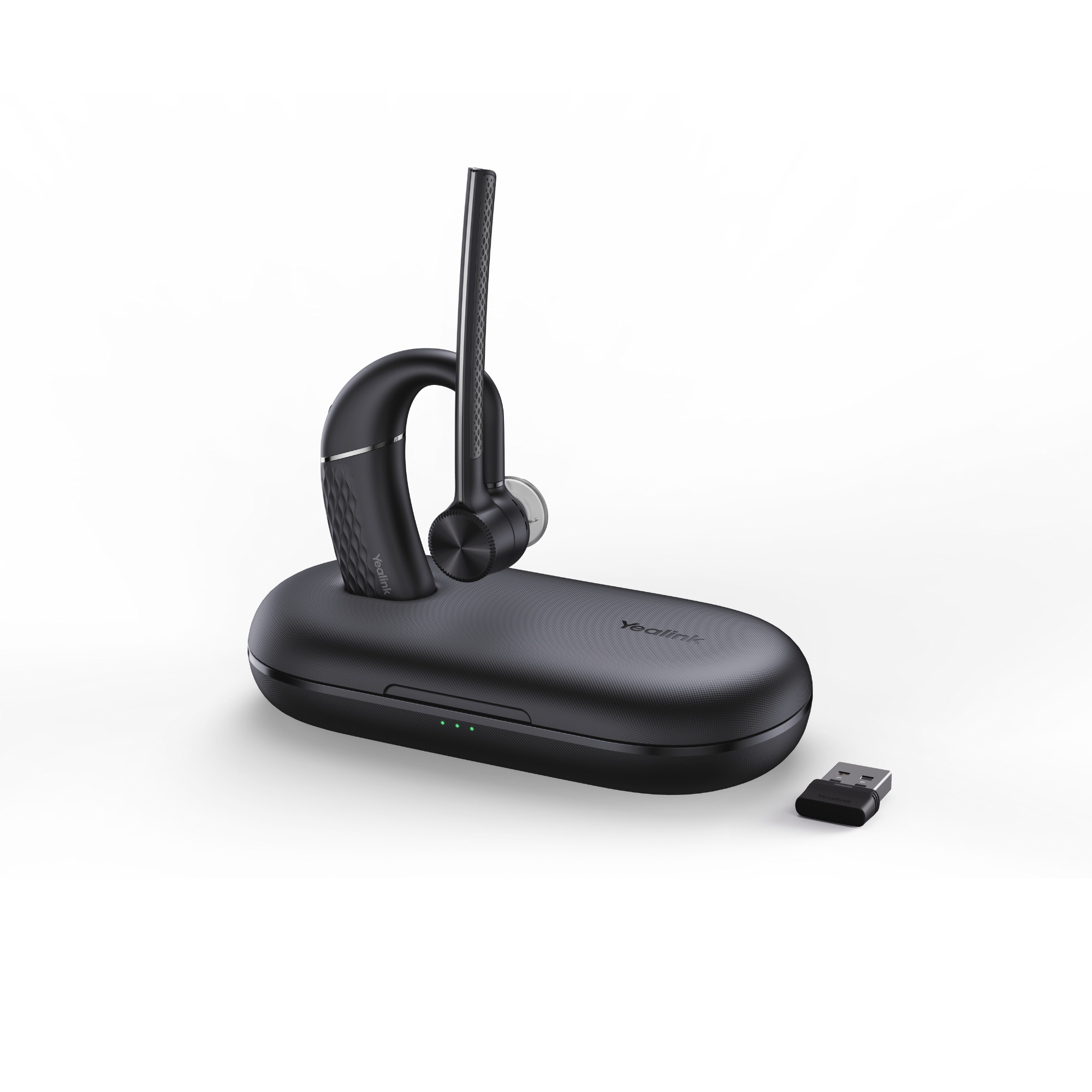
- Yealink BH7
- Sony XM5
To see how they handle audio with the mic active versus inactive.
This side-by-side comparison highlights how different headsets handle the transition between high-quality audio and communication mode, giving you a clearer understanding of what to expect in real-world use.This side-by-side comparison highlights how different headsets handle the transition between high-quality audio and communication mode, giving you a clearer understanding of what to expect in real-world use.This side-by-side comparison highlights how different headsets handle the transition between high-quality audio and communication mode, giving you a clearer understanding of what to expect in real-world use.
We conducted six unique audio tests to evaluate sound quality, capturing the output with 3DO binaural mics for a reliable baseline. Here’s a breakdown of the findings:
-
Poly Voyager Focus 2: Delivers strong music quality in stereo mode but experiences a noticeable drop-off when the mic is active, though less severe than some competitors.
-
Jabra Evolve2 75: Performs well for music but suffers a significant audio quality decline in call mode, making it less ideal for mixed-use scenarios.
-
Epos Impact 1000: Stands out as the only headset that preserves stereo sound quality with minimal drop-off when the mic is active, making it a top choice for multitasking.
-
Logitech Zone Vibe 2: Excels in music playback but shows a substantial quality reduction in call mode, similar to the Jabra.
-
Yealink BH74: Maintains decent audio with a less drastic drop-off than most, but still not as consistent as the Epos Impact 1000.
-
Sony XM5: Offers crisp music quality but, like most, sees a large decline in audio performance when the mic is engaged.
The Epos Impact 1000 emerged as the winner, maintaining comparable sound quality whether the microphone is active or not. While designed primarily for calls, it’s versatile enough for music and casual gaming on Discord. Though the EPOS Impact 1000 came out on top in our tests, that isn’t to say that it didn’t have some drop off in audio quality, it did, but noticeably less than the others.
What This Means for Work Calls
For most business environments, call clarity matters more than rich audio.
Bluetooth headsets are designed to ensure your voice is transmitted clearly, even if that means sacrificing some of the depth you would hear when listening to music.
In real-world use, this tradeoff allows for more stable calls, better microphone performance, and fewer interruptions.
This is especially important in roles where communication is critical, such as customer service, sales, and remote collaboration.
Bluetooth Audio, What to Expect
Here’s a simple way to understand how Bluetooth audio behaves in different situations, and what it means for your day-to-day use:

Why This Matters for Office Workers and Gamers
For professionals in virtual offices or gamers using communication platforms, the constant switching between stereo and call mode can be a hassle. If your headset stays in HFP mode (e.g., during Zoom calls or virtual office use), you’re stuck with subpar audio for music or gaming unless you manually disable the mic which can be a tedious workaround. The Epos Impact 1000’s ability to retain stereo sound makes it a game-changer for those juggling calls, music, and gaming.
Choosing the Right Bluetooth Headset
No single Bluetooth headset is perfect for every situation. The right choice depends on how you plan to use it, what matters most in your day-to-day work, and how much importance you place on call clarity versus media quality.
If your priority is professional communication, especially for calls, meetings, and customer conversations, a headset designed for voice use will provide the most consistent performance when the microphone is active.
If you also value music or media quality, it’s important to understand that most Bluetooth headsets will sound different once the microphone is turned on. This is not a flaw, but a limitation of how Bluetooth technology works, where the headset shifts from high-quality stereo audio to a communication mode designed for two-way voice.
For most users, the decision comes down to balancing:
- Call clarity
- Audio quality
- Mobility and convenience
Once you understand these tradeoffs, it becomes much easier to choose a headset that fits the way you actually work.
Making the Right Investment

Wireless headsets offer flexibility and convenience, but choosing the right model is important if you want the best experience over time.
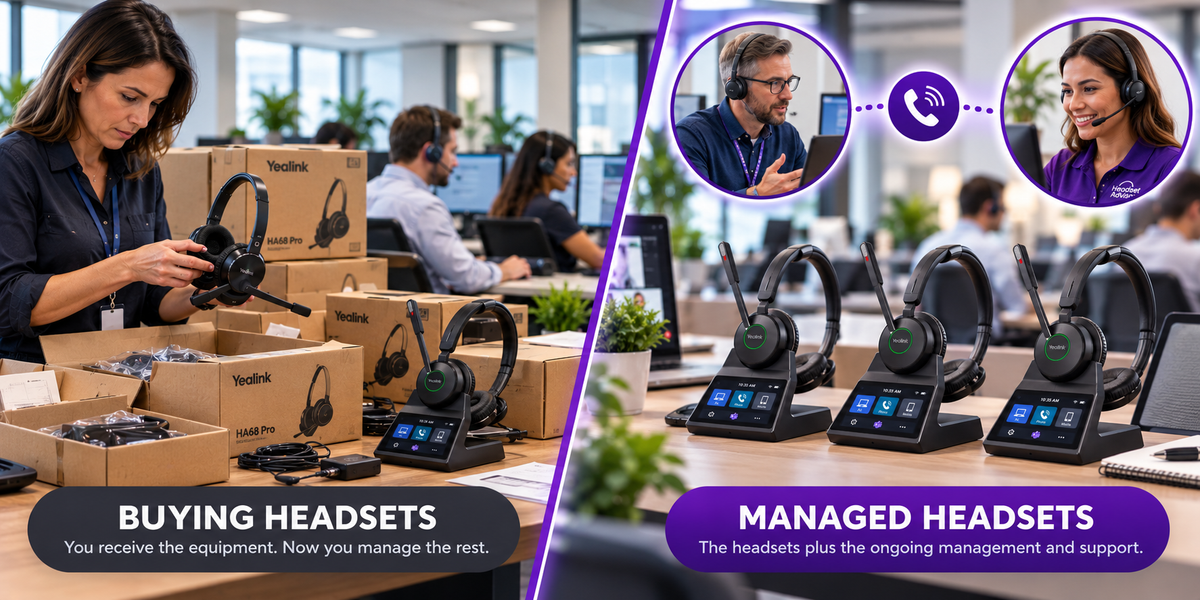
For businesses equipping teams, options like a headset leasing program can make higher-quality wireless solutions more accessible. This approach can reduce upfront costs while also simplifying long-term headset management through included accessories and ongoing support.
Final Thoughts
Bluetooth audio behaves differently depending on how it is being used, and that can be confusing if you are not expecting it.
When the microphone becomes active, most Bluetooth headsets shift from high-quality audio playback to a communication mode that prioritizes voice clarity and connection stability. Once you understand that behavior, the change in sound quality makes much more sense.
For most work environments, clear and reliable communication matters more than rich stereo sound. In many cases, the added flexibility, mobility, and convenience of a wireless headset outweigh the audio tradeoffs, especially for professionals who rely on calls throughout the day.
Need Help Choosing the Right Headset?

If you are not sure which headset is right for your needs, you do not have to figure it out on your own.
Headset Advisor has been helping businesses with their communication needs for over 30 years. Our team can guide you based on your devices, environment, and workflow to make sure you get the right solution the first time.
Whether you are upgrading from a wired headset or exploring wireless options, we are here to help, so don't hesitate to contact us for some professional advice.